




What Is It?
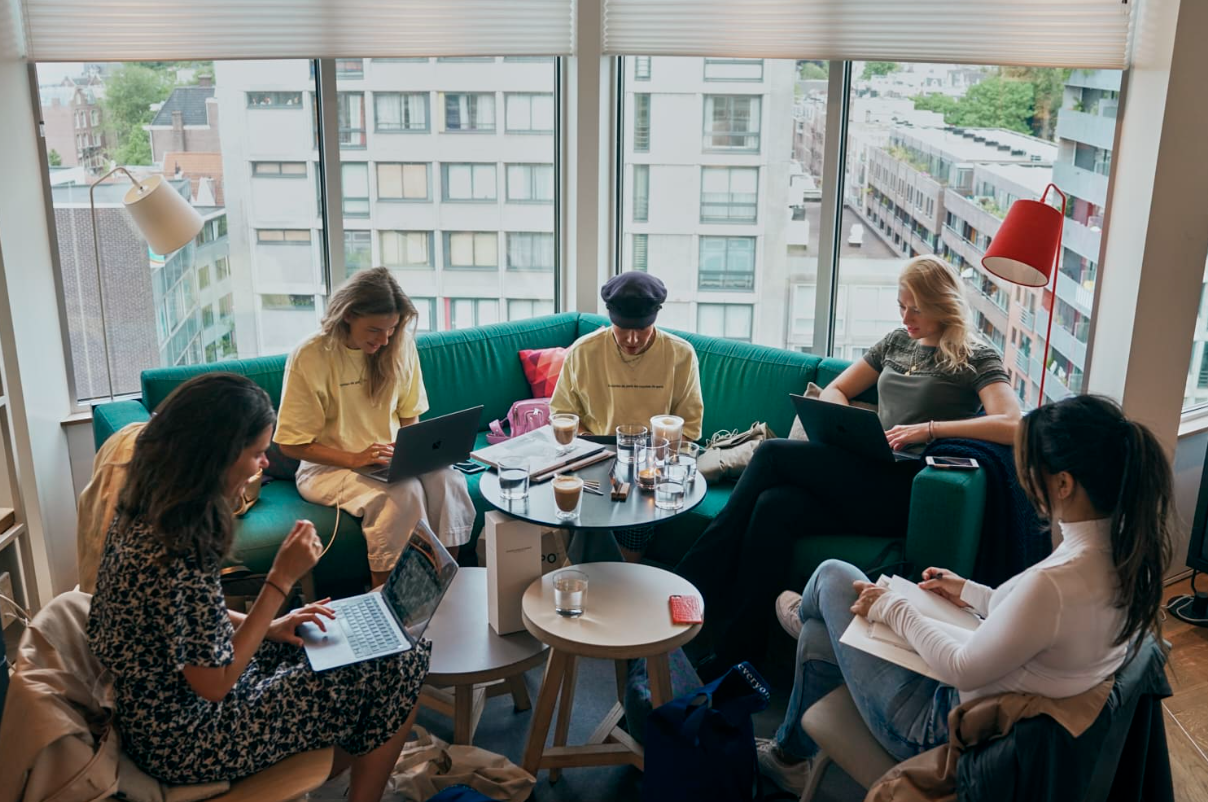
Zoku Amsterdam is not a traditional hotel. It is a carefully designed hybrid space where living, working, and socializing intersect seamlessly. Created in 2015 by Hans Meyer and Marc Jongerius, Zoku was born from a simple observation: travelers were increasingly blending work and leisure, yet hotels had not evolved to support this new lifestyle.
Zoku’s signature feature is the Zoku Loft, a micro-apartment that feels both homey and efficient. The sleeping area is lofted, freeing up an open living space with a fully equipped kitchen, a large table for working or dining, plenty of storage, natural light, and a warm, minimalist aesthetic that resonates deeply with younger travelers.
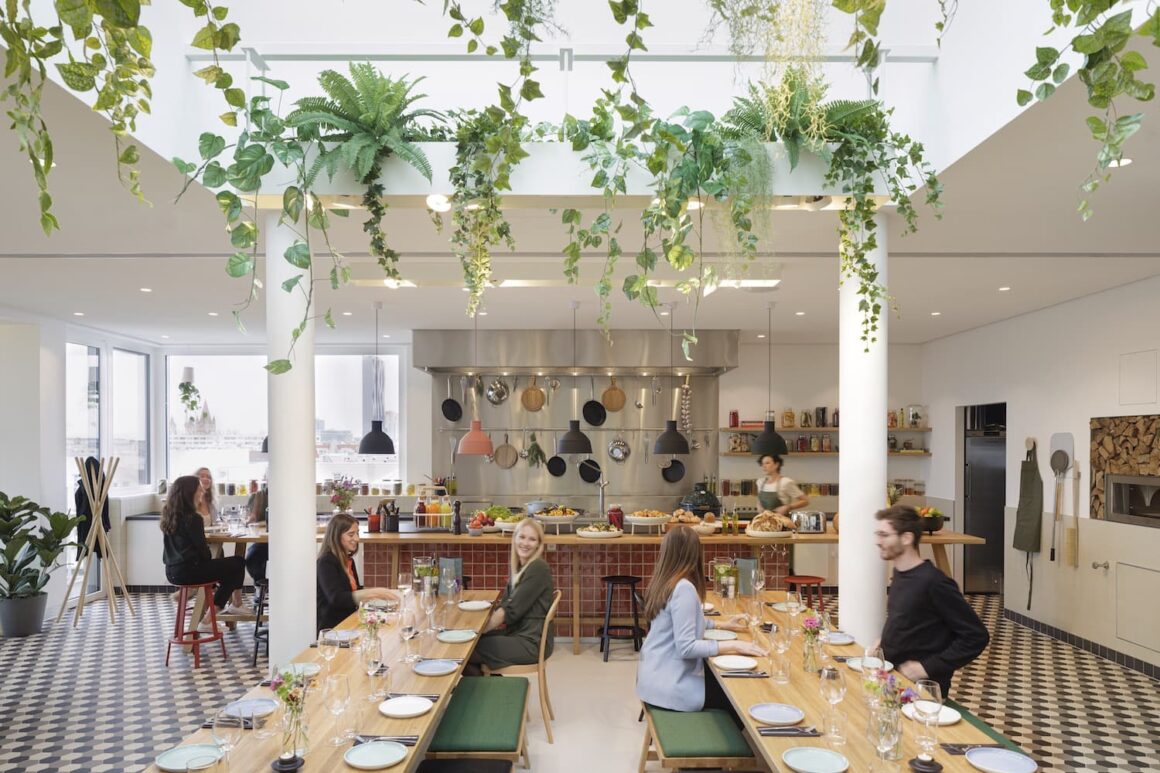
Beyond the private lofts, Zoku’s strength lies in its communal spaces:
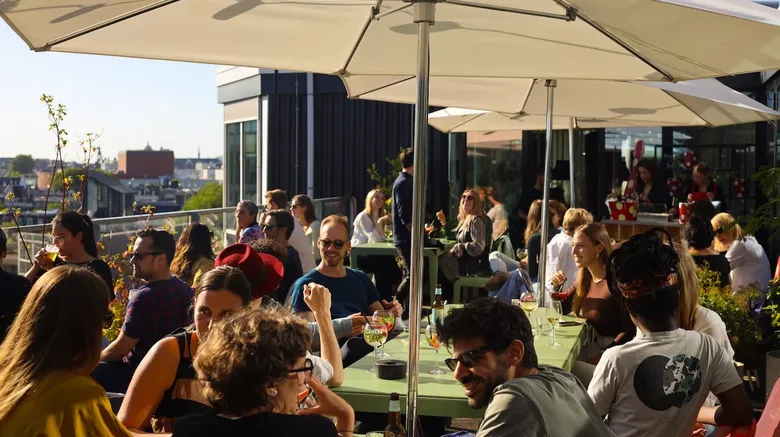
• rooftop terraces overlooking Amsterdam
• shared kitchens where guests cook together
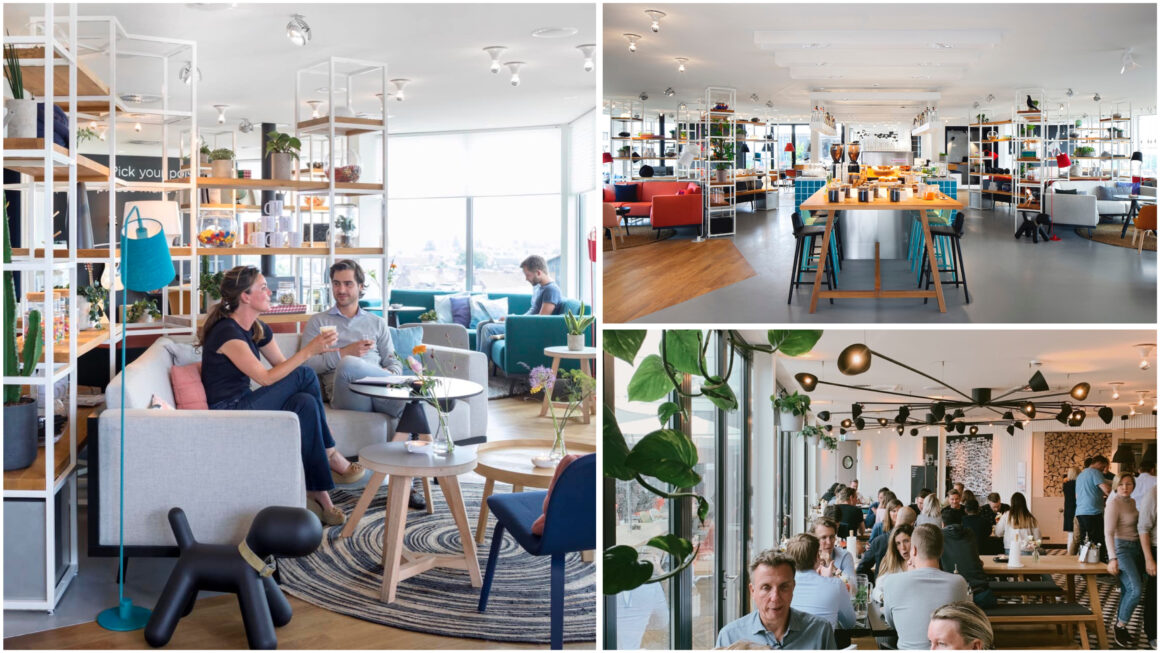
• plant-filled lounges designed for co-working and collaboration
• long community tables that turn strangers into collaborators
• curated events that blend creativity, culture, and connection
Zoku has since expanded to Copenhagen, Vienna, and Paris, each location following the same principles: hybrid hospitality, sustainability, and community-driven design. It feels less like staying at a hotel and more like joining a global network of creative nomads.
Why Is It Cool?
- A Blueprint for Social Collaboration
Zoku’s spaces are designed for meeting people, exchanging ideas, and staying inspired. The environment encourages teamwork, brainstorming sessions, and spontaneous connection. No stiff hotel lobbies, but lively communal spaces that feel lived in and loved.
- Sustainability as a Lifestyle, Not a Feature
Younger guests expect eco-conscious operations. Zoku incorporates energy-efficient systems, responsible waste practices, and locally sourced furnishings into its design. Sustainability does not feel like an add-on; it is simply part of how the space works.
- A Cure for Urban Loneliness
Millennials and Gen Z crave connection. Zoku hosts rooftop dinners, communal breakfasts, creative workshops, and casual meetups that give meaning to the stay. Guests often leave with new friends, collaborations, or stories they did not expect.
Why Does It Have Future Growth Potential?
- Built for Remote and Flexible Lifestyles
Work-from-anywhere is no longer a trend, it is a global movement. Zoku anticipated this shift early, offering hybrid lofts that allow guests to live and work without compromise. As digital nomadism grows, so will Zoku’s relevance.
- Sustainability as Market Advantage
Conscious travel is increasing rapidly. Zoku’s eco-forward philosophy aligns perfectly with the values of younger generations, making the brand future-proof in a world where environmental responsibility shapes booking decisions.
- Community as a Business Strategy
Instead of offering a transactional stay, Zoku creates belonging. This fosters brand loyalty, repeat visits, and organic advocacy. Guests join a lifestyle ecosystem.
- Distinct Identity in a Saturated Market
Hotels often struggle to differentiate themselves. Zoku stands out clearly with its hybrid model, recognizable design, and strong sense of purpose. It appeals to a demographic that values connection, creativity, and culture.
RESOURCE LINKS:
https://www.tablethotels.com/es/amsterdam-hotels/zoku
Support Us
We have an ad-free website, a load of content, and an infinite amount of love for everyone who supports Science of the Time.
So be a boss and join the Science of the Time Fanclub. Choose the 5,- euro per month option, the 50,- euro per year option or enter an amount yourself that you would like to pay to support us (Pay What You Want).