
“Anyone can copy a logo or buy a limited edition. But nobody can buy your personal history with a cherished possession.”
Take Away
At the Designmuseum Danmark Belongings exhibition, visitors placed personal objects on a podium. An AI installation gave each object a voice. Visitors brought worn shoes, scratched watches, and childhood toys. Each item prompted a conversation about why its owner kept it. The real question was not what an item costs, but why it remains meaningful. That question offers profound lessons for the future of luxury.
The Sign
What Is It? The Designmuseum Danmark Belongings Exhibition
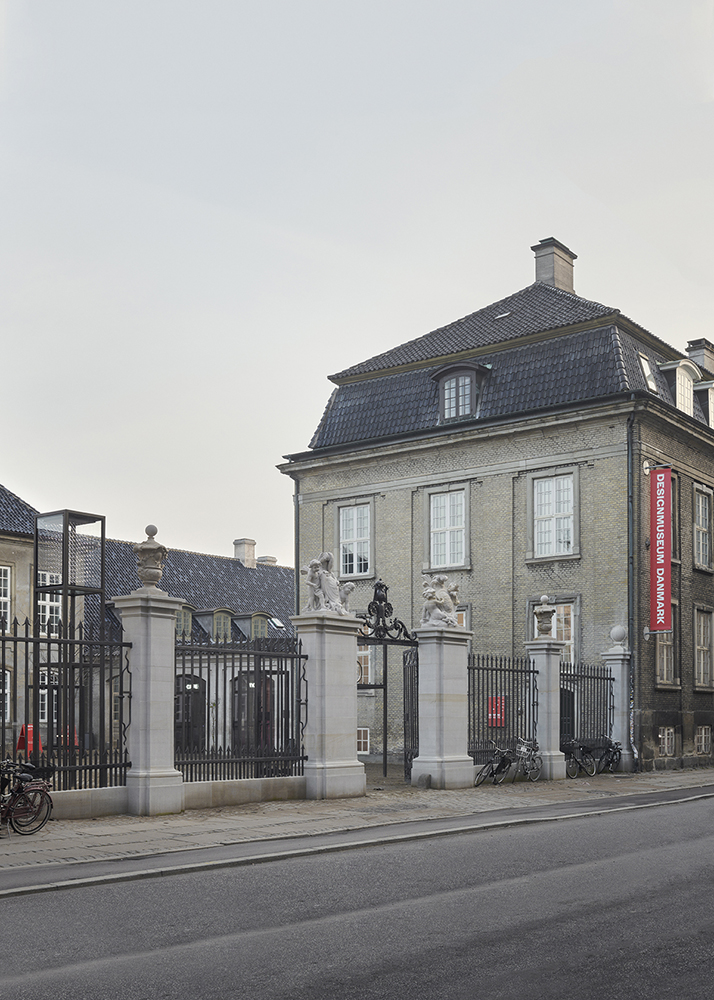
Belongings: Affection as a Design Strategy ran at Designmuseum Danmark in Copenhagen. The museum created the project alongside artist Cecilie Waagner Falkenstrøm. The Designmuseum Danmark Belongings installation invited visitors into a soft sensory setting. Artificial intelligence gave each object a distinct character. The resulting encounters formed a growing digital archive of human attachment.
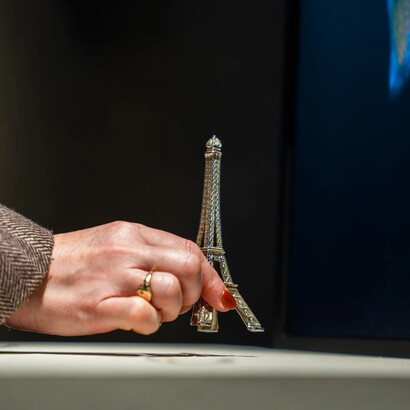
The objects were deliberately ordinary. Visitors brought worn shoes, family watches, and inexpensive Eiffel Tower souvenirs. The AI did not uncover hidden technical secrets. Instead, it encouraged owners to express unspoken feelings: the object serves as a container for living memory.
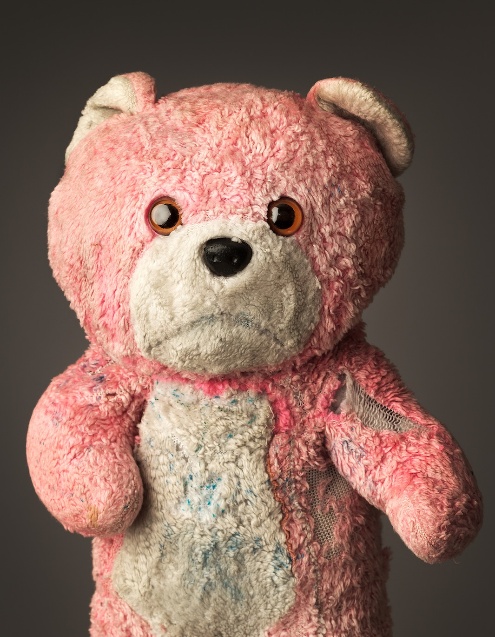
Suddenly, a simple watch or toy transcends its modest price tag. Its monetary value remains low, but its biographical value is immense. The possession acquires something that new luxury cannot manufacture on demand: continuity.
Why Is It Cool?
The experience elevates inexpensive souvenirs to the status of rare collectibles. The object gains depth through human affection rather than market hype.
Historically, luxury signaled scarcity, high prices, and brand status. Conventional luxury tells the world: I can afford this prestige. However, a new philosophy of luxury now emerges: the freedom to value what matters to you personally. That shift redefines modern status.
Why Does It Have Future Growth Potential?
The Designmuseum Danmark Belongings showcase shows how luxury shifts from acquisition to attachment. It moves from novelty toward care, and from public display toward intimacy. Read more trend analyses at Science of the Time.
Forward-thinking brands can help owners preserve the stories behind their goods. For example, watchmakers can provide lifetime archives alongside repair services. Similarly, boutique hotels can curate tangible memories from significant stays. The most valuable possession is the one that no replacement can duplicate.
Trend Summary Insight
In a world of mass consumption, personal meaning cannot be purchased. Quiet luxury shines brightest when people form extraordinary relationships with ordinary things.
Support Us
We have an ad-free website, a load of content, and an infinite amount of love for everyone who supports Science of the Time.
So be a boss and join the Science of the Time Fanclub. Choose the 5,- euro per month option, the 50,- euro per year option or enter an amount yourself that you would like to pay to support us (Pay What You Want).