




What Is It?
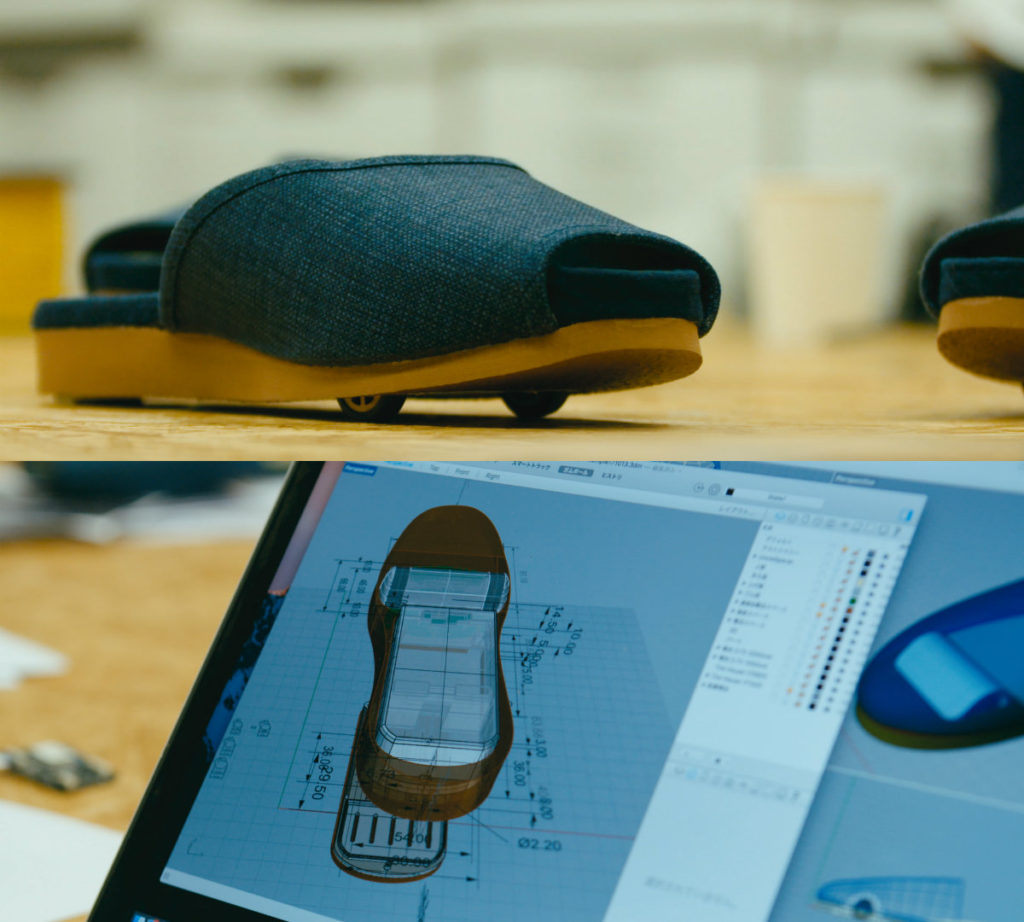
At the ProPILOT Park Ryokan in Hakone, Japan, Nissan transformed traditional hospitality with a touch of automation. Guests encounter not only tatami mats and sliding doors but also slippers, cushions, and low tables that quietly glide back into place when not in use. Each item is equipped with tiny wheels, a motor, and sensors, all powered by Nissan’s ProPILOT Park technology, the same system used in the Nissan Leaf for automated parking. With a single button press, the items neatly return to their designated spots.
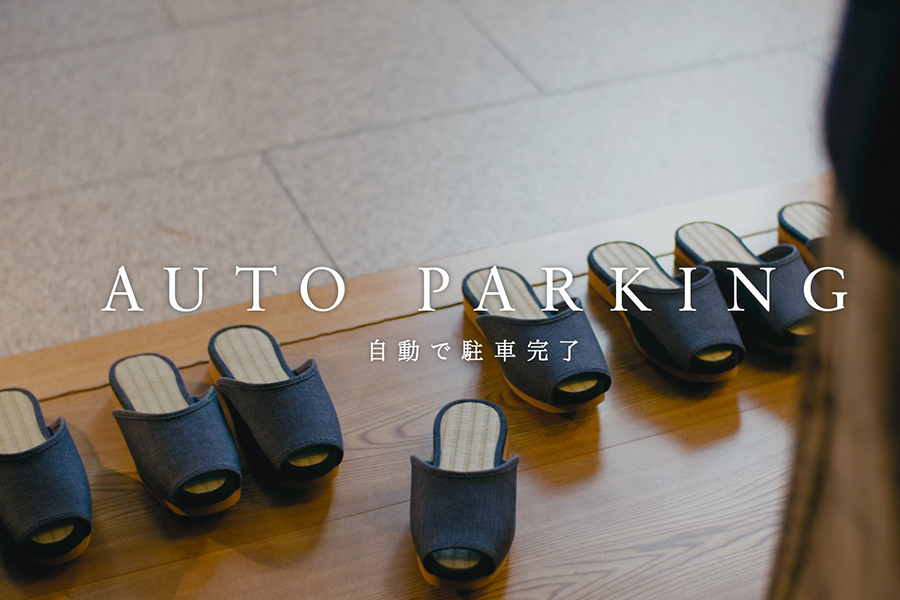
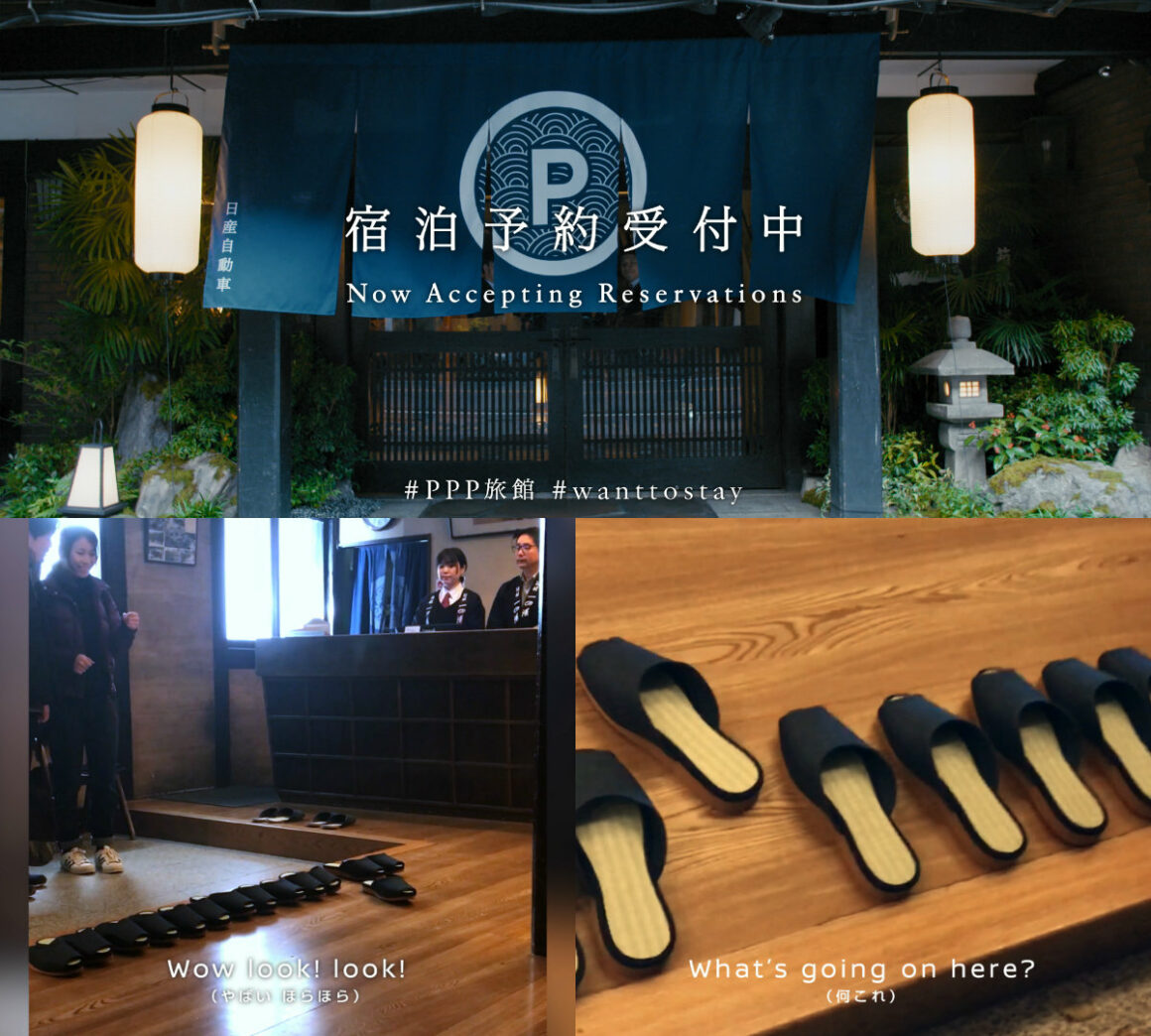
The project, launched in 2018, was a pop-up experiment created to raise awareness of autonomous driving technology and show its potential in everyday life. By placing this tech in the context of a traditional ryokan, Nissan cleverly merged Japanese hospitality with futuristic mobility.
WHY IS IT COOL?
- A playful wow factor: Watching slippers roll back to their place transforms a mundane action into a fun and memorable guest experience.
- Hands-free hospitality: In Japan, removing shoes is part of daily life. This innovation removes the hassle of tidying slippers while keeping the ritual intact.
- Less staff effort: Items that return to their positions automatically reduce the need for manual labor, easing the workload for staff.
- Aesthetic harmony: The self-parking feature ensures a tidy, minimalist environment, perfectly aligned with Japanese design principles.
- Shareable novelty: The blend of tradition and automation creates a striking, social-media-ready moment that guests are eager to capture.
WHY DOES IT HAVE FUTURE GROWTH POTENTIAL?
This concept illustrates how automation can slip into daily life in subtle ways. Just as self-driving cars are becoming a reality, autonomous systems are being tested in other areas, from home appliances to hotel services.
The slippers are not just a gimmick but a conversation starter about the role of automation in hospitality and beyond. They are also an example of how hybrid hospitality models might evolve, where technology complements cultural traditions instead of replacing them. By blending a centuries-old ryokan experience with cutting-edge automation, Nissan shows a new way of thinking about service.
As automation becomes cheaper and more adaptable, similar concepts could spread into hotels, offices, and homes worldwide. By starting with slippers, Nissan shows that the future of self-driving is not limited to cars. It is about integrating autonomy into the objects we interact with every day.
Carl Rohde