



What Is It?
In Shanghai, there is a restaurant that completely redefines what it means to go out for dinner. Ultraviolet, created by chef Paul Pairet, is not simply about food. It is a carefully choreographed performance designed to activate all five senses at once.
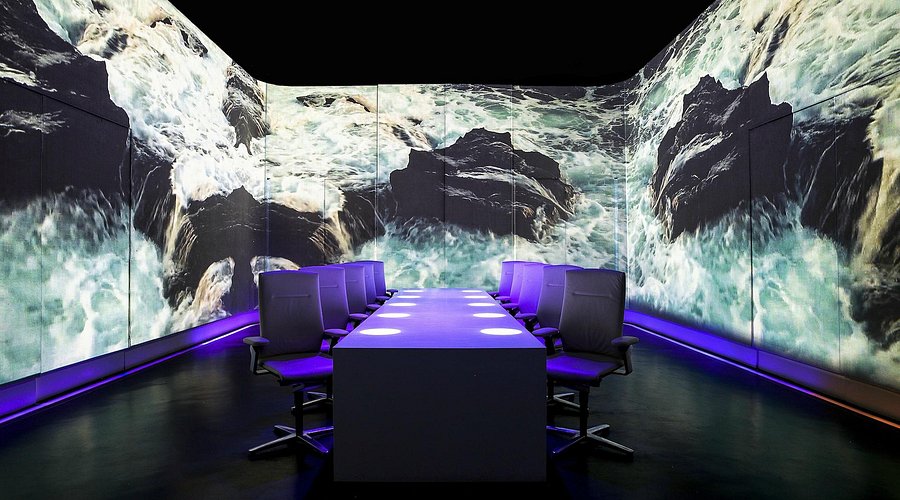
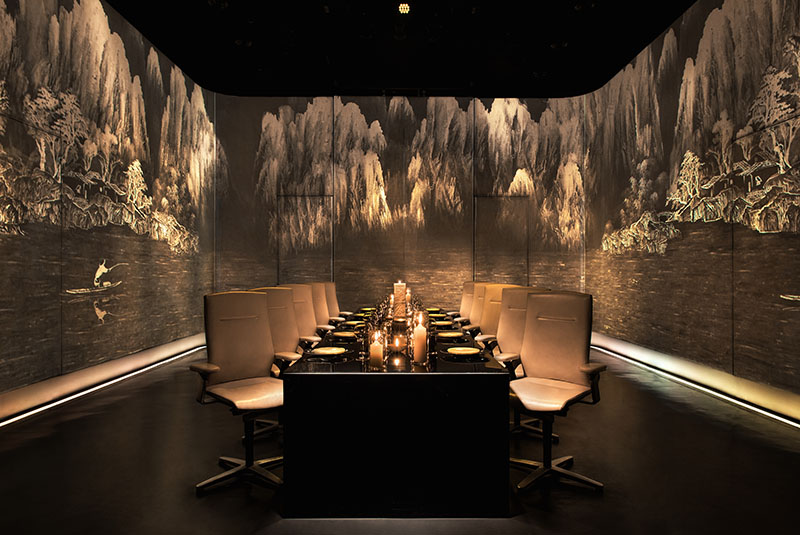
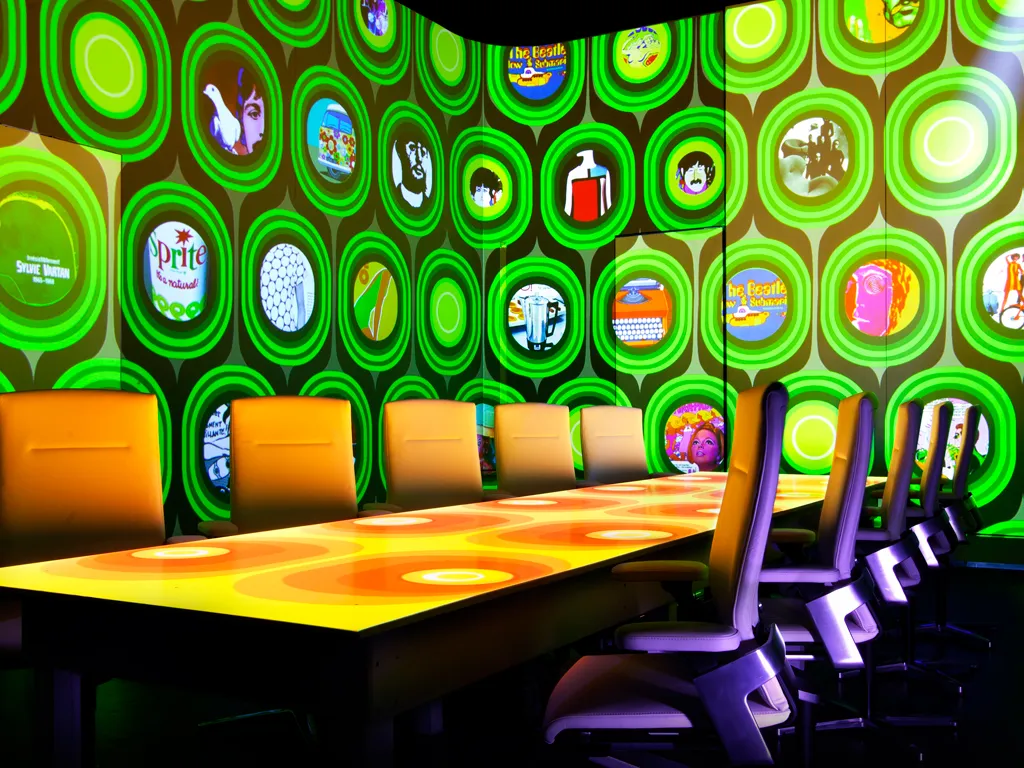
Ultraviolet has only one table with ten seats. Every evening, the same group of guests experiences a tasting menu where each course is paired with synchronized light, sound, visuals, temperature, and scent. A seafood dish might arrive alongside the sound of waves and projections of the ocean. Another plate might be served with the smell of pine trees and a forest-like atmosphere.
Nothing in the room is decorative by accident. The walls act as projection surfaces, the sound system is precisely calibrated, and even the air is manipulated to support the narrative of each dish. Guests do not just eat food, they are transported into different environments, moving from place to place without ever leaving their seat.
Ultraviolet is the result of years of experimentation and technical development. It represents one of the most extreme examples of immersive dining ever created, where gastronomy, technology, psychology, and storytelling merge into a single experience.
Why Is It Cool?
- Food becomes a multisensory journey
Taste is no longer the only protagonist. Memory, emotion, sound, and smell become part of the dish itself.
- Radical exclusivity
Only ten guests per night creates intense intimacy and a feeling of being part of something rare and inaccessible.
- Perfect synchronization
Every plate is paired with its own soundscape, lighting design, and scent, turning dinner into a carefully scripted experience.
- Unforgettable by design
This is not a meal you casually forget. It is designed to stay with you long after the last course.
Why Does It Have Future Growth Potential?
- Experience over consumption
Ultraviolet shows how hospitality can move beyond serving products and instead stage emotional and sensory experiences.
- Blueprint for immersive dining
While the model itself is difficult to scale, its principles can inspire hotels, restaurants, and brands to integrate sound, scent, and storytelling into their spaces.
- High perceived value through scarcity
Limited seats and controlled access create desirability and justify premium pricing in a saturated fine dining market.
- Strong alignment with younger generations
Millennials and Gen Z increasingly value once-in-a-lifetime experiences that are emotional, immersive, and meaningful.
- Part of the experience economy shift
As people invest less in objects and more in memories, concepts like Ultraviolet point to where high-end hospitality is heading.
Support Us
We have an ad-free website, a load of content, and an infinite amount of love for everyone who supports Science of the Time.
So be a boss and join the Science of the Time Fanclub. Choose the 5,- euro per month option, the 50,- euro per year option or enter an amount yourself that you would like to pay to support us (Pay What You Want).