
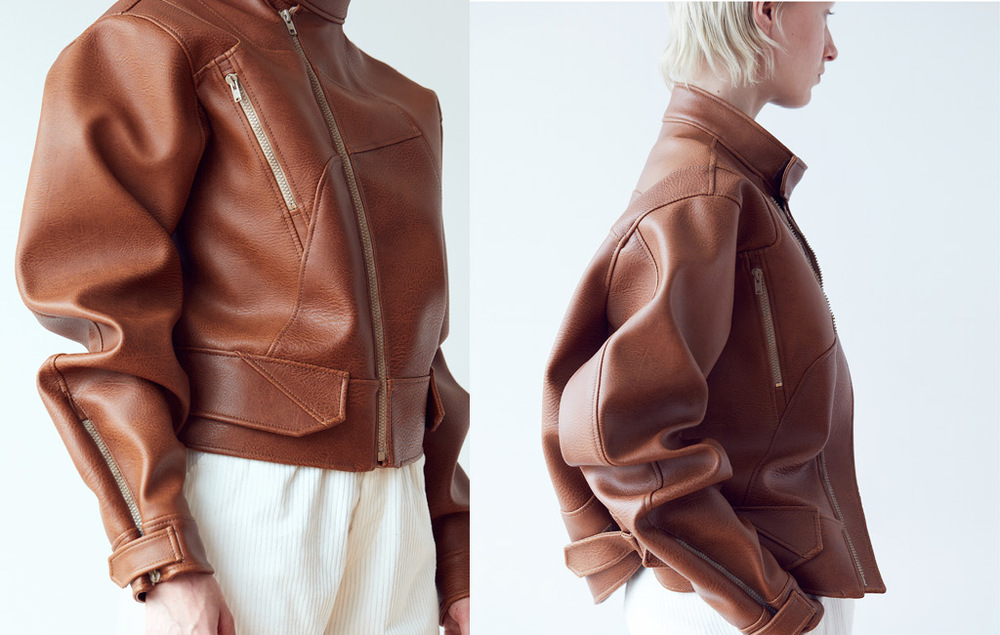
“What if heritage does not have to come from a palace, an archive or a family tree?”
“Our cultural history is worthy of tailoring.”
Take Away
Berlin label GmbH turns club culture, migration and queer identity into sharply constructed fashion. Its tailoring does not merely reference rebellion: it comes out of people and communities who actually lived those worlds.
That makes GmbH interesting as a cultural signal. It suggests that the next generation of heritage may be built from nights, communities, and lived identities — not only from institutions that have already decided what deserves to be remembered.
The Sign
What Is It?
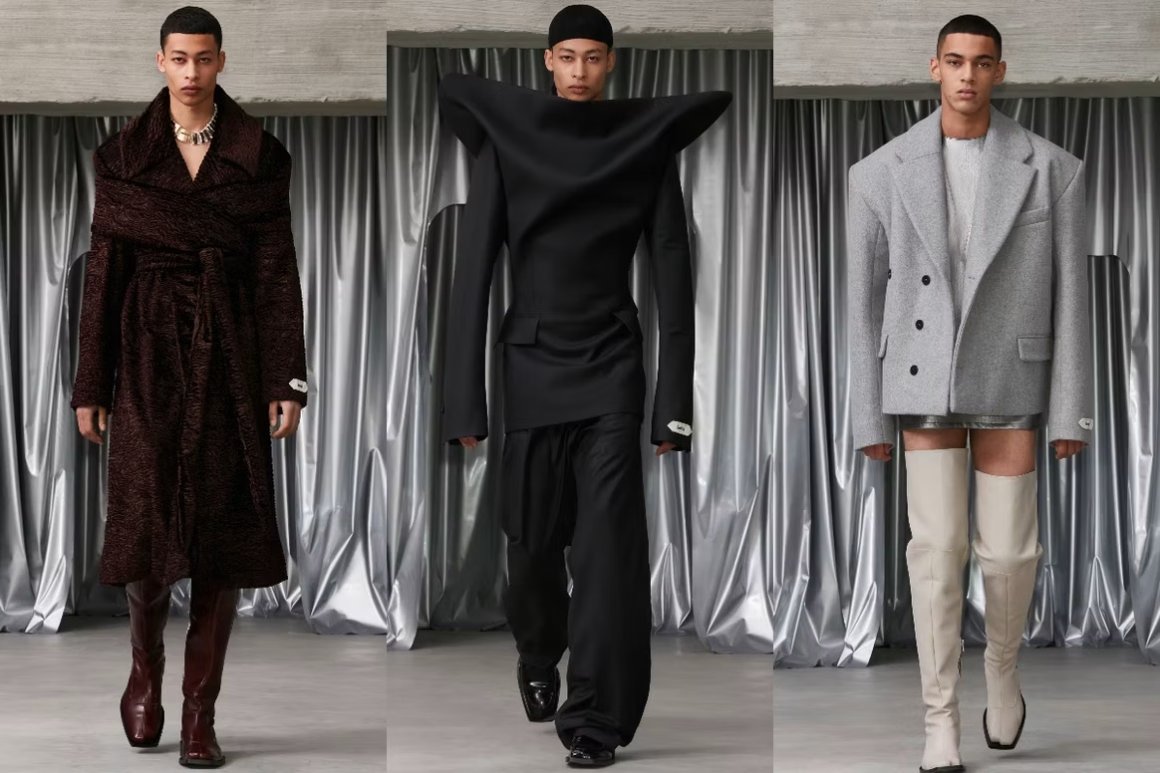
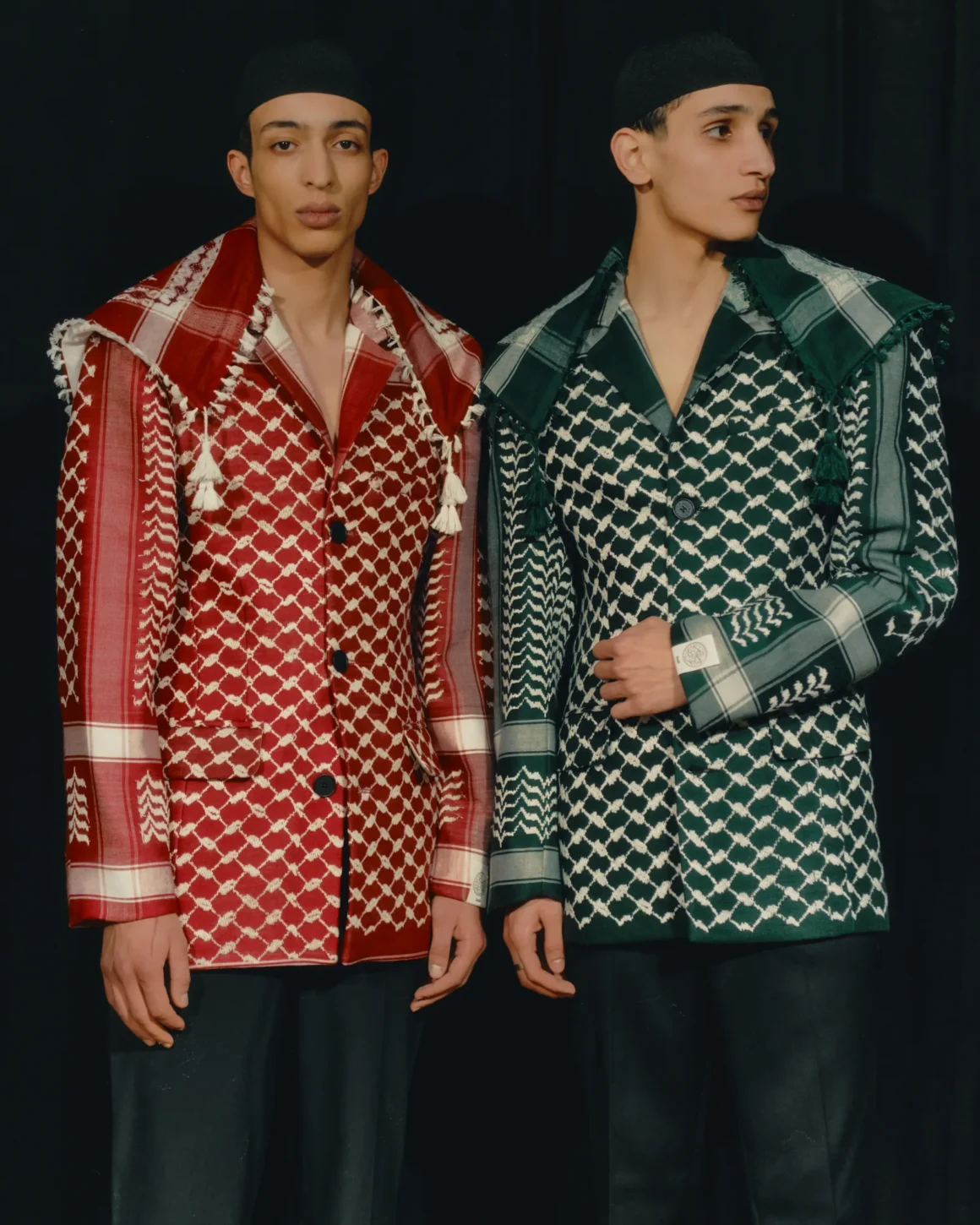
GmbH combines formal jackets and tailoring with protective silhouettes, workwear references and sensual styling. But the clothes cannot easily be separated from the biographies and cultural experiences of founders Serhat Işık and Benjamin Huseby.
The result is neither conventional tailoring nor straightforward streetwear. It is fashion that carries traces of Berlin nightlife, migration and queer culture into a more formal wardrobe.
Why Is It Cool?
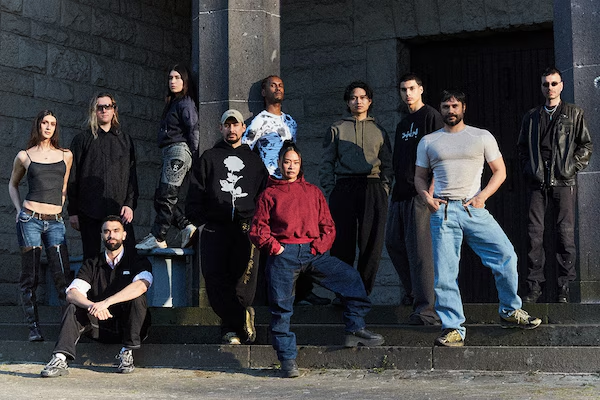
A suit normally signals order, status and conformity. GmbH makes it carry something else: underground credibility.
The clothes do not need a slogan announcing rebellion because the cultural references are embedded in their origin. This is precisely what established luxury houses can find difficult to manufacture: a believable relationship with a culture that existed before the marketing department arrived.
And this may be the deeper shift. Heritage is becoming less dependent on age. A club, a migrant community or a queer scene may have existed for only a few decades, yet it can already possess enormous emotional and cultural meaning.
Why Does It Have Future Growth Potential?
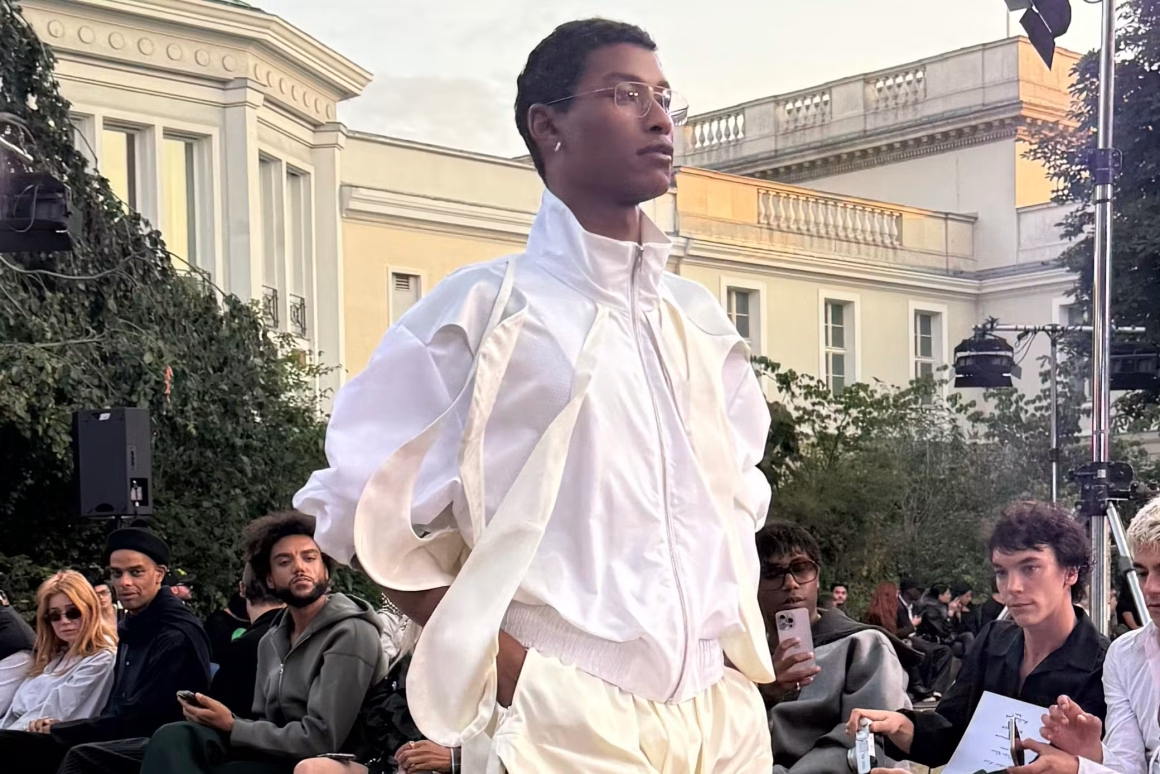
Luxury consumers increasingly encounter brands that tell sophisticated cultural stories. The harder question is becoming: who has actually earned the right to tell them?
This creates an opportunity for independent labels whose authority comes from lived participation rather than borrowed references. Their communities, places and rituals can become a new kind of heritage — even before they become commercially mainstream.
The interesting future possibility is therefore not simply more “authentic fashion.” It is a broadening of what society considers heritage-worthy.
Yesterday’s luxury archive might have contained aristocrats, artists and royal patrons. Tomorrow’s might also contain legendary clubs, migrant neighborhoods, queer communities and the nights that shaped them.
But there is a catch: once outsiders discover the value of these histories, imitation becomes easy. The cultural credibility of GmbH comes precisely from the fact that the story was lived before it was packaged.
That makes lived connection not just a storytelling asset, but potentially a new form of cultural capital.
The definition of heritage itself may be expanding — from inherited status to lived cultural memory.
Support Us
We have an ad-free website, a load of content, and an infinite amount of love for everyone who supports Science of the Time.
So be a boss and join the Science of the Time Fanclub. Choose the 5,- euro per month option, the 50,- euro per year option or enter an amount yourself that you would like to pay to support us (Pay What You Want).