
“The next status object may be something nobody else sees.”
Take Away
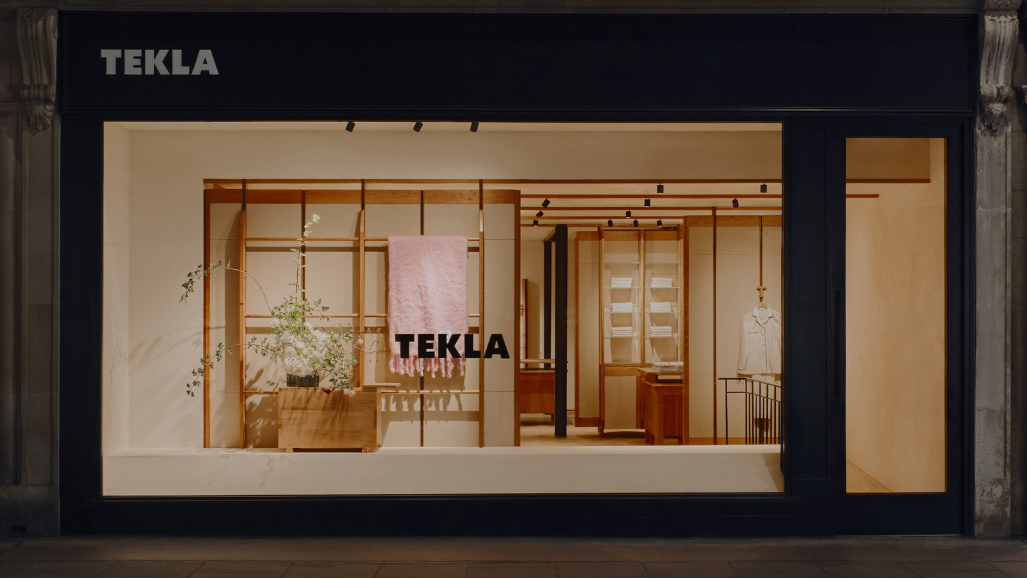
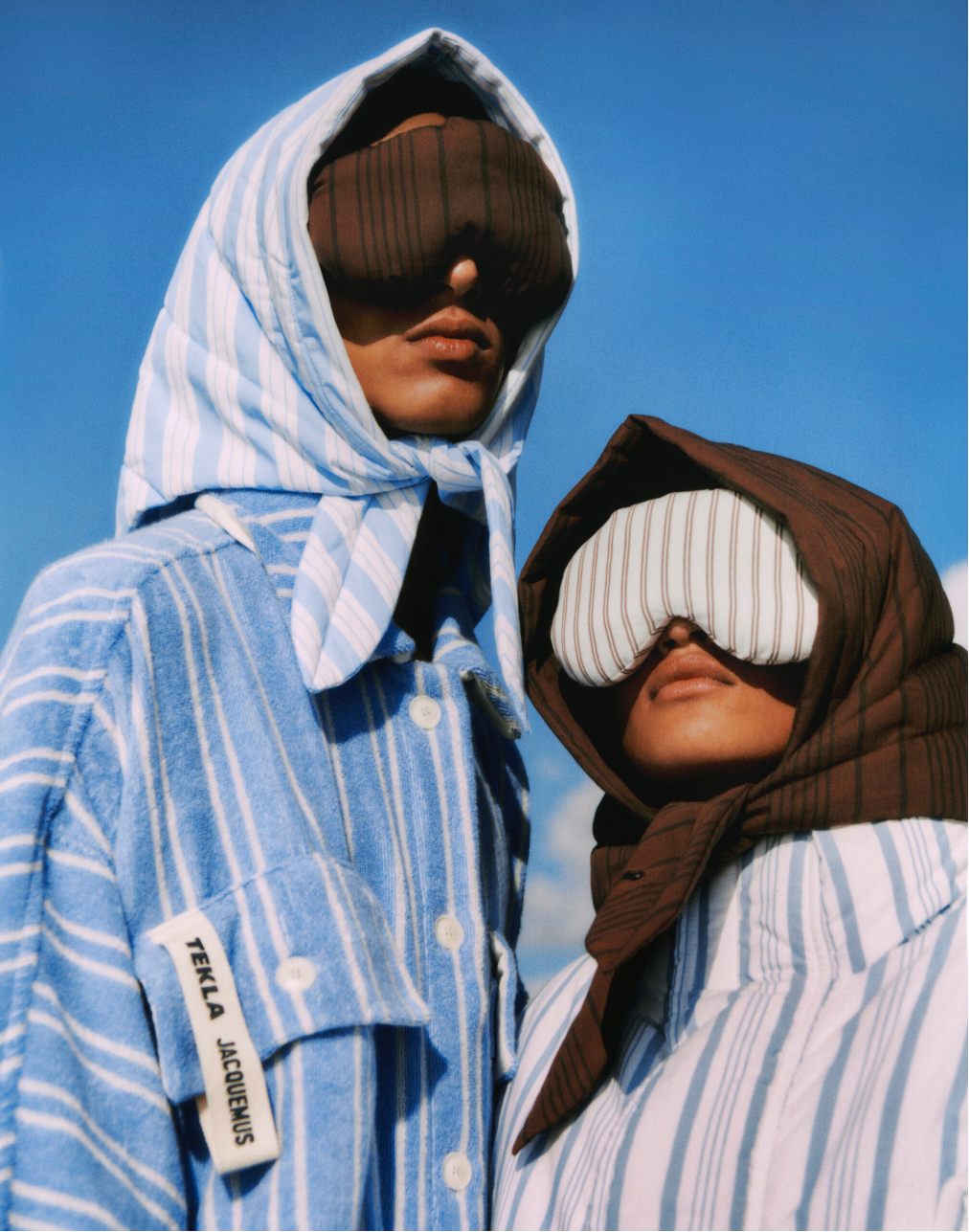
Tekla has made towels, bedding and sleepwear into design objects recognised through colour, material, proportion and cultural collaborations rather than a conspicuous emblem.
It turns things we normally barely notice into objects with emotional and aesthetic value.
The deeper signal is that quiet luxury does not have to mean less design. It can mean moving design into the intimate parts of everyday life, where quality is experienced rather than displayed.
The Sign
What Is It?
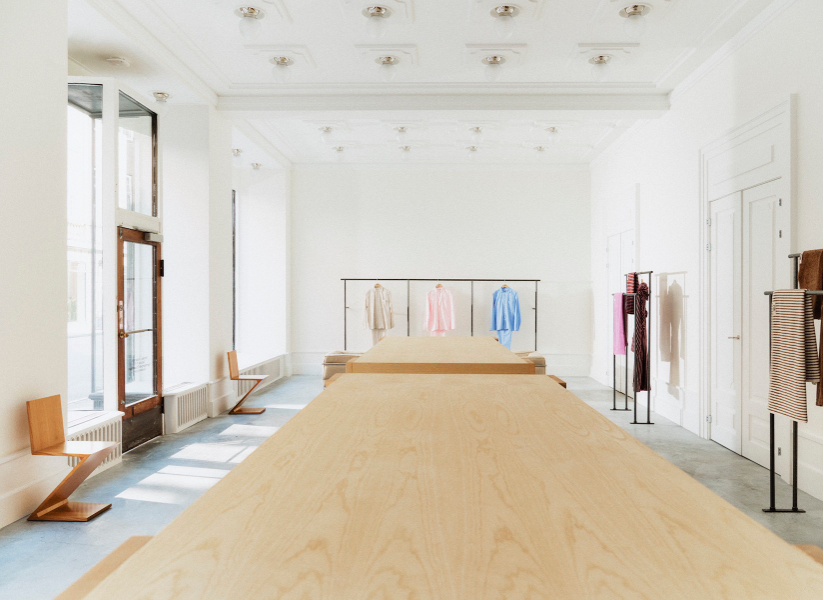
The Copenhagen brand focuses on fabric quality, restrained forms and editorial imagery, extending domestic textiles into fashion and hospitality contexts. Ordinary routines become the product theatre.
A towel, sheet or pair of pyjamas rarely functions as a public status symbol. Yet these objects touch the body every day.
Tekla builds its identity around that intimacy, making texture, colour and material part of the experience rather than simply part of the specification.
Why Is It Cool?
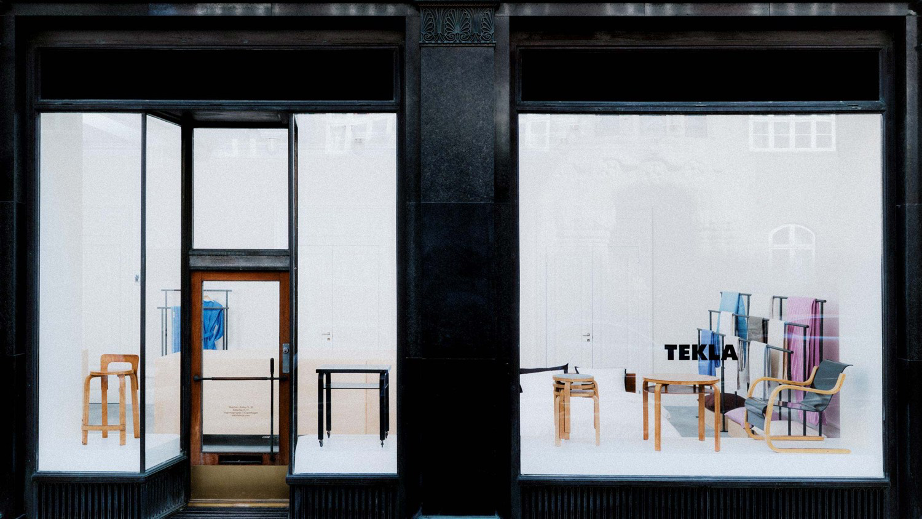
A towel is almost anti-status: private, useful and rarely displayed outside the home. Making it desirable shows how taste can migrate into ordinary objects once logos lose some of their power.
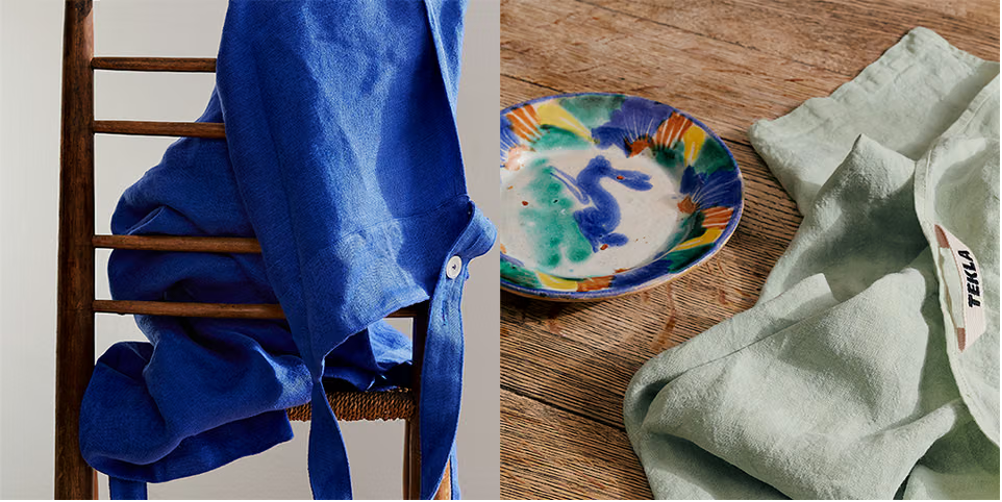
There is something more interesting here than minimalism. Tekla turns a functional object into a small daily ritual. The pleasure comes from touching the fabric, seeing the colour, noticing the weight and knowing that someone has thought carefully about an object most brands treat as background.
This creates a different kind of luxury language.
Instead of asking, “Will other people recognise this?”
The question becomes, “Will I notice the difference every time I use it?”
That is a powerful shift from public status to private satisfaction.
Why Does It Have Future Growth Potential?
Consumers are paying more attention to sleep, bathing, rest, and domestic rituals. At the same time, the boundaries between fashion, interiors, beauty and hospitality continue to blur. Textile brands can sit naturally at this intersection because they influence the spaces and routines in which people actually live.
For hospitality, the opportunity is especially interesting. Hotels often invest heavily in visible design while the guest spends intimate, repeated moments with towels, sheets, robes, and sleepwear.
These objects can quietly carry the identity of a property long after the lobby has been forgotten.
The bigger shift is from designing spaces that look luxurious to designing everyday contact points that feel luxurious.
Durability, material quality, and thoughtful sourcing can reinforce that message. In the future, the most memorable hotel details may be the ones guests touch rather than photograph.
Support Us
We have an ad-free website, a load of content, and an infinite amount of love for everyone who supports Science of the Time.
So be a boss and join the Science of the Time Fanclub. Choose the 5,- euro per month option, the 50,- euro per year option or enter an amount yourself that you would like to pay to support us (Pay What You Want).