
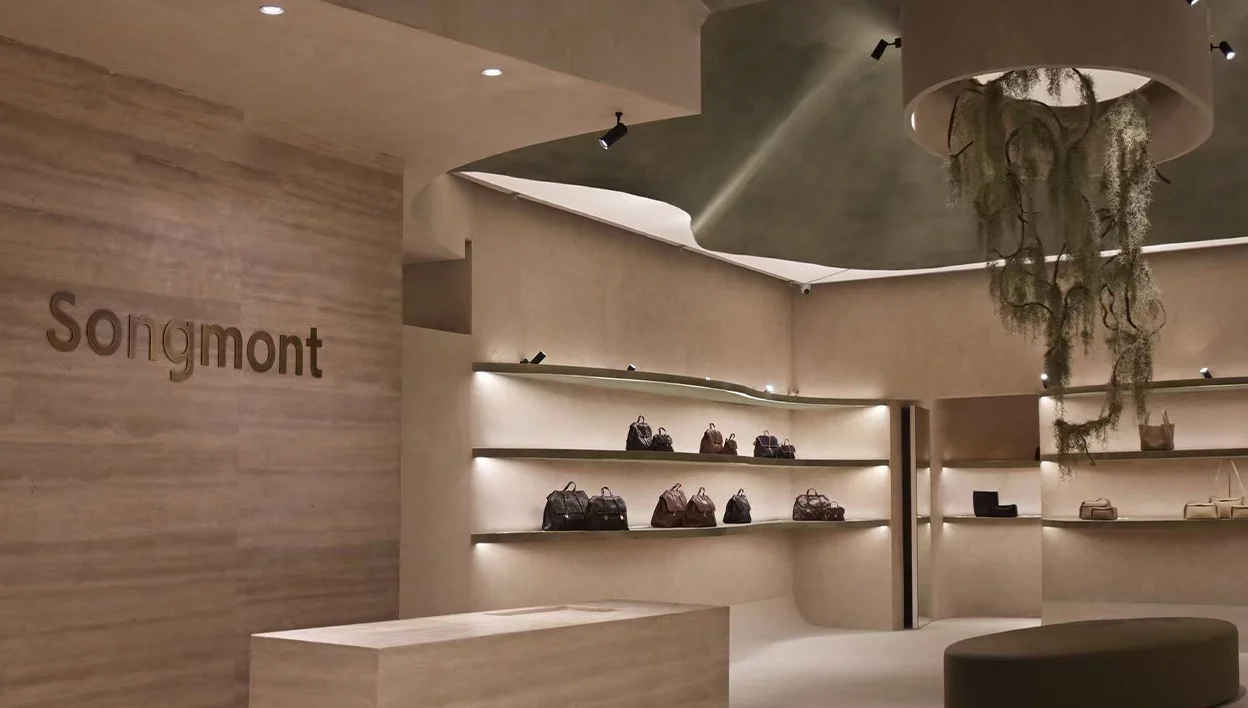
“The next generation of global luxury may not look less local. It may become more confident about where it comes from.”
Take Away
Songmont’s soft, sculptural bags have become recognisable through form and naming rather than a global monogram. The Chinese brand is building desire around an everyday, culturally familiar sensibility and turning it into a contemporary design language.
The Sign
What Is It?
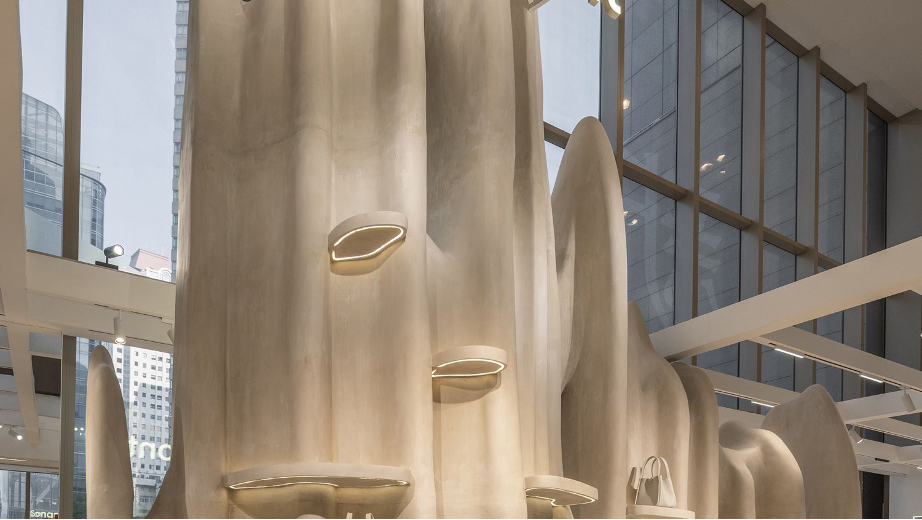
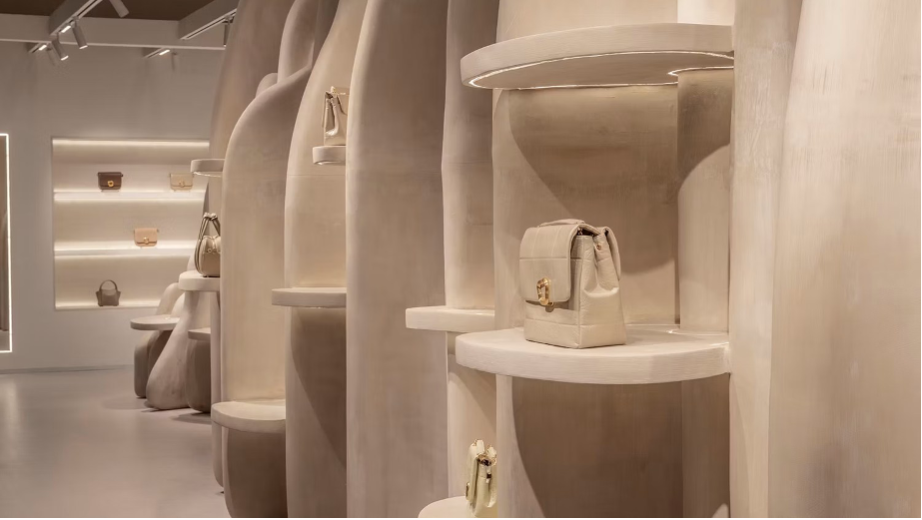
Songmont combines functional leather goods, understated hardware, and storytelling around contemporary Chinese women. Its stores and digital channels create a coherent world that feels rooted in China without turning cultural references into costume.
Its distinctive shapes do much of the communication.
The Luna and Song bags have a softness and sculptural quality that can be recognised without a prominent logo.
This gives the brand a different kind of visibility: familiarity among those who know, rather than instant recognition from everyone.
Why Is It Cool?
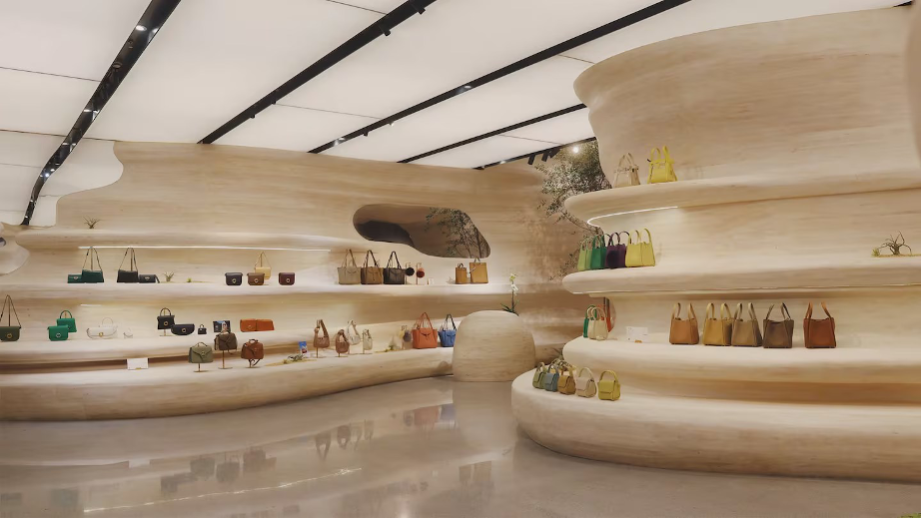
The bag can be identified by people who know, while remaining quiet to everyone else. That is precisely the kind of insider recognition that can make contemporary luxury feel more personal.
There is also something important happening in the relationship between culture and design.
A familiar reference does not have to be reproduced literally.
It can be softened, abstracted, and reinterpreted until it becomes a modern object.
This is where Songmont becomes more interesting than a single successful handbag. It suggests that local identity can work as a design resource: not a marketing decoration added after the product is created, but a starting point for shape, storytelling, retail and community.
Why Does It Have Future Growth Potential?
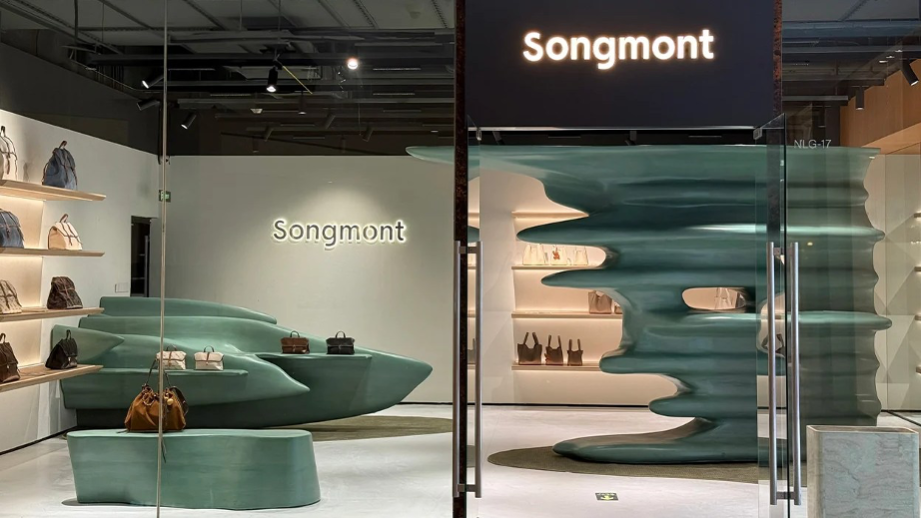
China’s direct-to-consumer ecosystem gives emerging brands opportunities to learn quickly, build communities and develop a distinctive point of view before expanding internationally.
Songmont shows how a local design code can travel without simply copying the visual language of a European maison.
The wider opportunity is cultural confidence.
As more consumers discover brands through social media, communities, and creator networks, a luxury brand need not resemble an established Western house to signal quality or aspiration.
For global luxury, this could lead to a more diverse design landscape, where local references become contemporary sources of form and meaning rather than occasional themes.
The strongest brands may be those that make their origin feel like an advantage: specific enough to be distinctive, but universal enough to travel.
Support Us
We have an ad-free website, a load of content, and an infinite amount of love for everyone who supports Science of the Time.
So be a boss and join the Science of the Time Fanclub. Choose the 5,- euro per month option, the 50,- euro per year option or enter an amount yourself that you would like to pay to support us (Pay What You Want).