




What Is It?
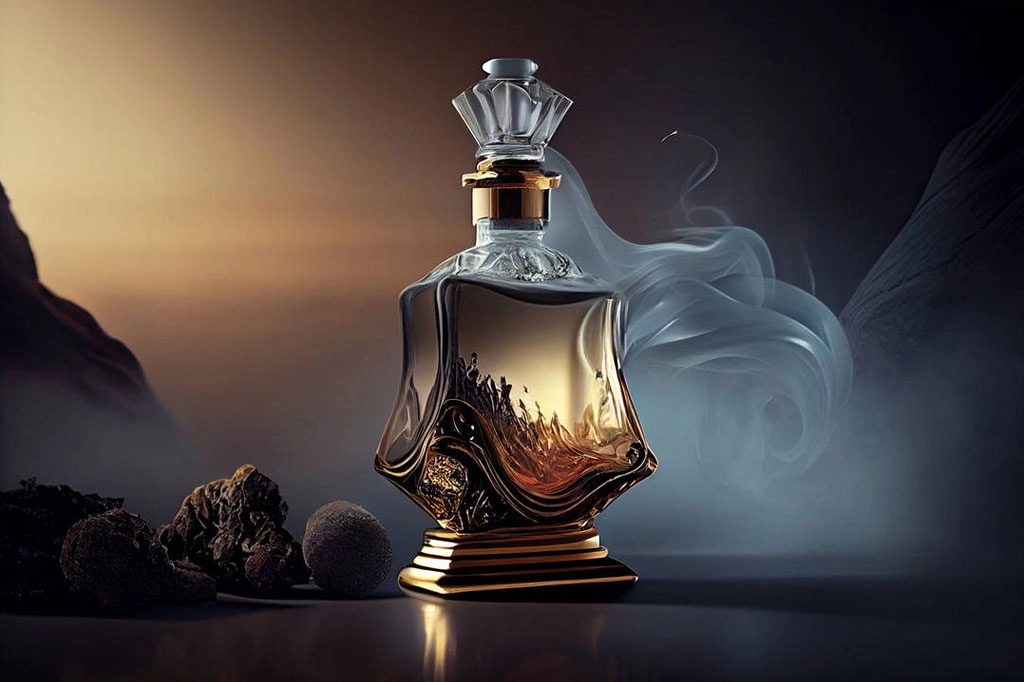
Imagine holding a bottle of “Venetian Canal Mist” or “Lake Como Dawn,” a little vessel that seems to carry a memory instead of a fragrance. Bottled air is exactly that: air sealed inside decorative containers, each representing a place, a time, or even a mood. Some are marketed as pure mountain oxygen, others as poetic souvenirs that capture the “essence” of a destination.
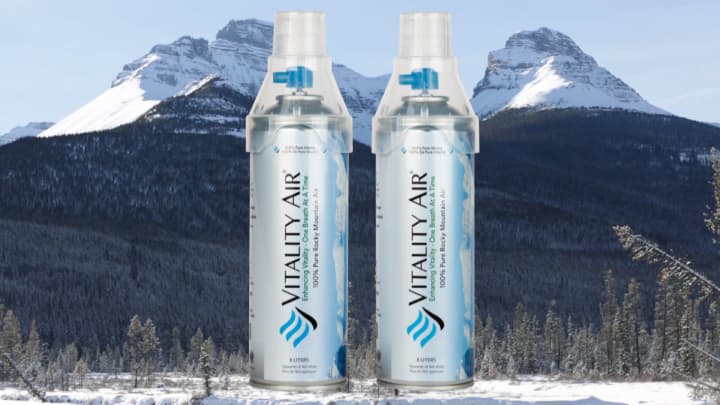
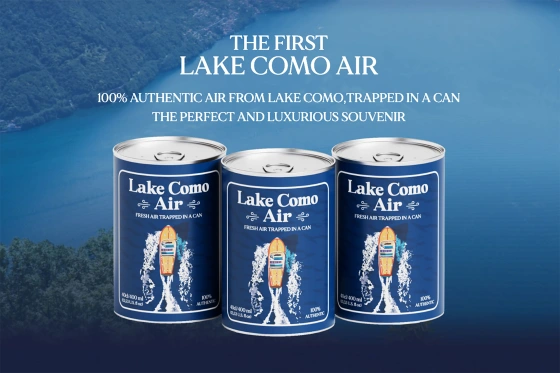
What started as a novelty art project has evolved into a curious niche market. Companies like Vitality Air in Canada now sell bottled Rocky Mountain air in luxury markets such as China, where clean air is increasingly considered a premium good. In Italy, other projects offer cans of air collected from Lake Como as unique travel souvenirs. The concept has also appeared in art exhibitions and design fairs, where bottled air is presented as both playful provocation and collectible design.
Each bottle usually comes with thoughtful packaging and storytelling. Labels might describe the source or atmosphere: “Alpine Breeze,” “Forest Rain,” “London Underground”, turning the invisible into something tangible and symbolic. Whether playful, nostalgic, or ironic, the bottles challenge us to consider the value of something we rarely stop to notice.
Why Is It Cool?
- Playful & Surreal Novelty
Bottled air takes something intangible and transforms it into a product. It’s absurd, humorous, and yet strangely captivating; a way to make people pause, laugh, and reflect.
- Memory & Storytelling Made Tangible
A bottle marked “Paris Morning” or “Mountain Breeze” becomes a souvenir that evokes a place and a feeling. It acts almost like a diary entry, holding onto an atmosphere you can’t photograph.
- Aesthetic Curiosity for Design Fans
Many bottled air products are presented in sleek, elegant packaging. They work as conversation starters, art objects, or quirky decor pieces, blurring the lines between design and consumer product.
- Provocation with a Point
Some projects frame bottled air as a statement about pollution, sustainability, and the commodification of natural resources. What seems whimsical at first becomes a conversation on value and scarcity.
Why Does It Have Future Growth Potential?
- Novel Gifts & Lifestyle Objects
In a crowded consumer world, uniqueness wins. Bottled air offers a rare gift category that feels both personal and unconventional, appealing to collectors and curious buyers alike.
- Tourism & Souvenirs Reimagined
Tourists seek souvenirs that feel more meaningful than magnets or t-shirts. A bottled “slice of air” from a beloved location offers a new way to carry a destination home. Partnerships with hotels or local attractions could amplify this market.
- Sustainability Conversations Drive Awareness
While the idea might raise eyebrows, its very absurdity fuels discussion. Highlighting issues like air quality or environmental protection can transform bottled air into more than novelty; it becomes symbolic activism.
- Home & Decor Trends Expanding
As interior design increasingly emphasizes objects with narrative and personal meaning, bottled air can function as subtle decor pieces. They bring storytelling into the living room, merging atmosphere with memory.
- Global Curiosity
From China’s interest in clean bottled oxygen to European experiments with artistic versions, bottled air has already proven it can travel across cultures and markets. Its flexibility between novelty, luxury, and activism ensures its relevance in multiple contexts.
Carl Rohde