


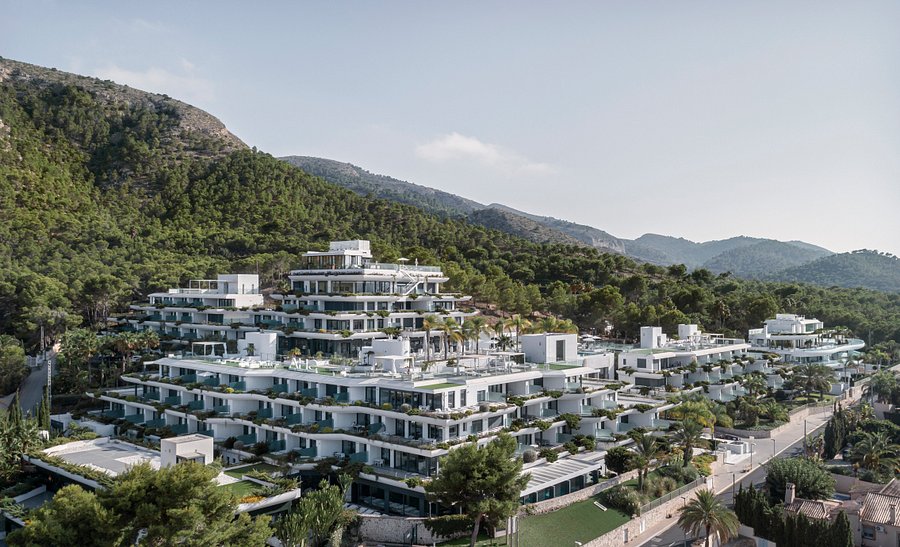
“The longevity hotel becomes part retreat, part health environment, part preventative-care platform and part luxury experience.“
Take Away
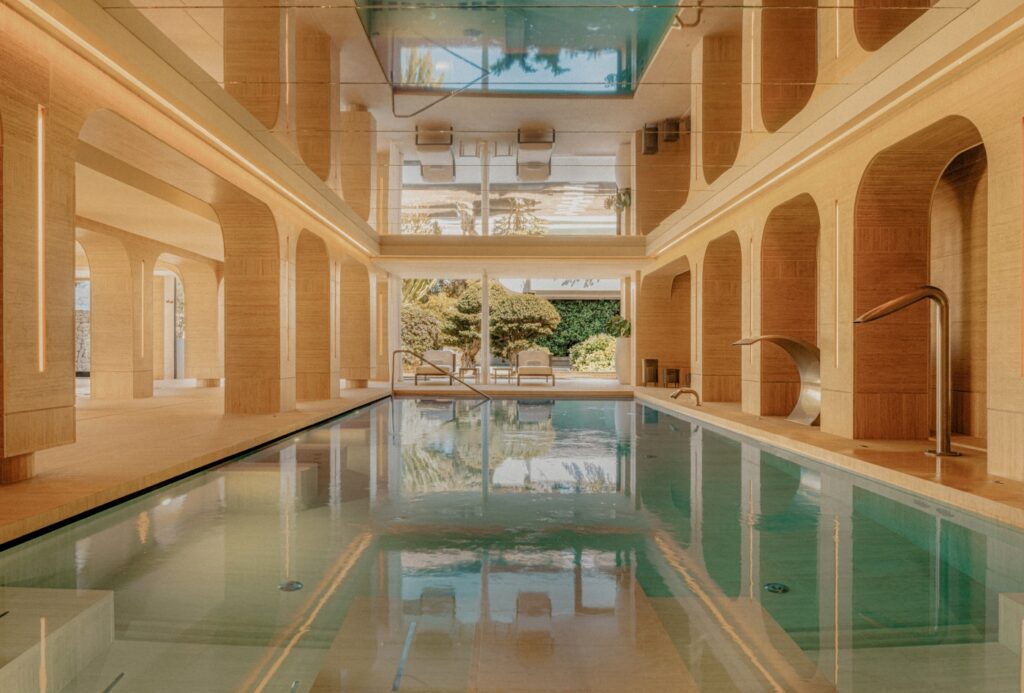
SHA Wellness Clinic (officially known as SHA Spain) is an award-winning, five-star wellness resort in L’Albir, Alicante, Spain. It combines advanced Western medical science with natural therapies and targeted nutrition. Its approach focuses on improving health and supporting longevity.
SHA offers more than a luxury room with wellness facilities. It represents a new direction in luxury hospitality. Guests travel not only to relax and feel better today, but also to invest in their long-term health.
This shift raises an important question: Could longevity hotels become the next major trend in luxury wellness tourism?
The Sign
What Is It?
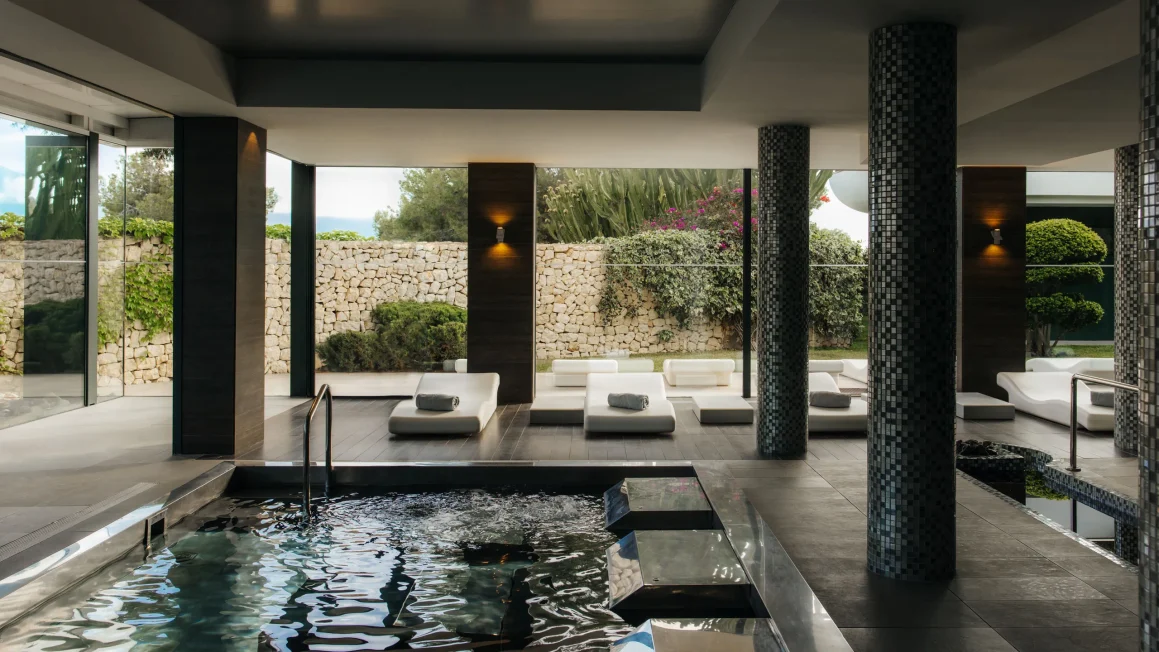
At first glance, SHA belongs to a specialised segment of hospitality. It combines medical wellness, longevity, health diagnostics and structured wellness programmes.
However, the concept offers a broader insight into the future of luxury hotels.
SHA is not simply a luxury hotel with a spa. Instead, it responds to changing expectations among affluent consumers. More people may want their travel experiences to support their long-term well-being.
As a result, the longevity hotel takes on several roles. It becomes a wellness retreat, a health-focused environment, a preventive-care platform and a luxury experience.
For hotel investors, this creates a more interesting question than the size of the wellness market alone.
The key question is:
“What happens to luxury hospitality when long-term health becomes part of the luxury experience?”
Why Is It Cool?
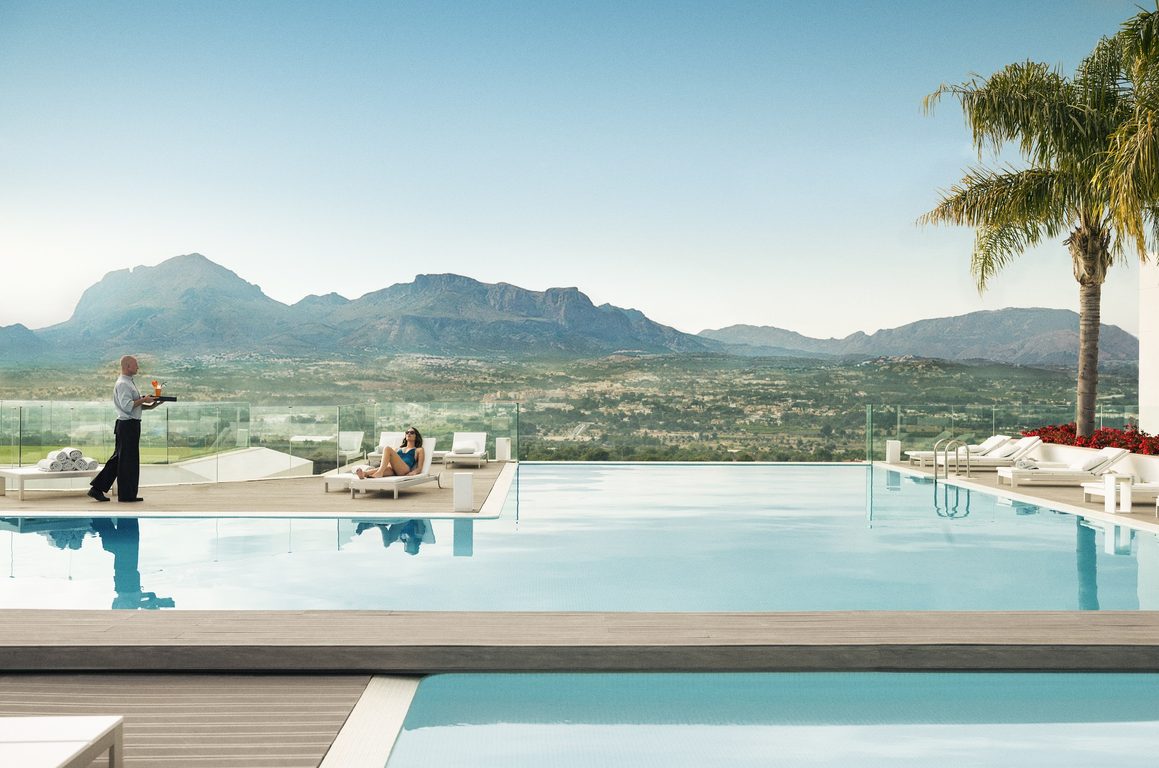
The appeal of SHA goes beyond its sophisticated wellness facilities. The real signal lies in the changing meaning of luxury.
Traditionally, luxury hospitality has focused on comfort and exclusivity. Guests expect beautiful rooms, exceptional food, personal service and privacy.
However, expectations are evolving.
Luxury can now mean investing in a healthier future. Instead of simply enjoying a relaxing stay, guests may seek experiences that support their long-term well-being.
This creates an interesting combination of hospitality, healthcare, longevity and luxury.
It also opens up new opportunities for the hotel industry. Hotels that integrate wellness into their core offering may appeal to consumers who want more from their stay.
For cool hunters and hospitality investors, SHA Wellness Clinic is a concept worth watching. It offers a potential early signal of changing consumer demand.
The next step is to investigate whether this signal reflects a wider market trend.
Why Does It Have Future Growth Potential?
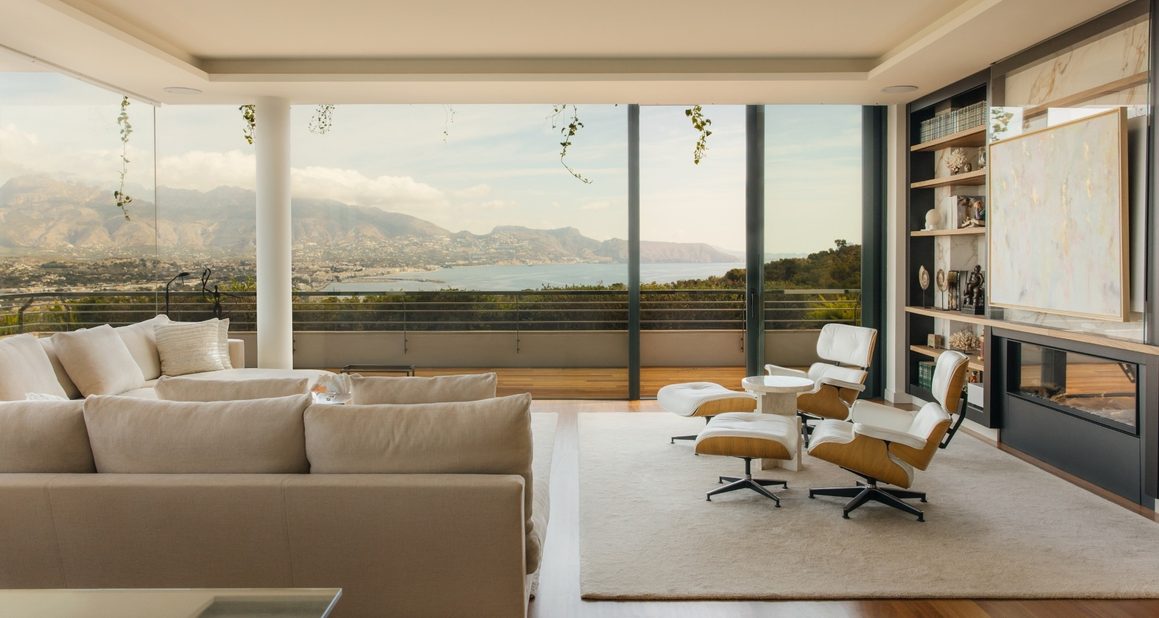
The meaning of luxury is changing for some affluent consumers.
Another beautiful suite, Michelin-starred restaurant or luxurious spa may no longer be enough to create a distinctive experience.
Investing in long-term health offers a different proposition. It connects luxury travel with a personal goal that extends beyond the holiday itself.
This shift could create new opportunities for luxury wellness tourism and longevity hotels.
For hospitality investors, several questions deserve attention:
Could longevity become a distinct hospitality category?
Could more hotels integrate medical services and preventive health programmes?
Could wellness evolve from an additional hotel amenity into a primary reason to travel?
Most importantly, could niche hospitality concepts reveal emerging consumer demand before it becomes measurable on a larger scale?
These questions matter because early signals can help investors identify new opportunities. However, a promising concept does not automatically guarantee market growth.
The challenge is to determine whether consumer interest can translate into sustainable demand and commercial value.
Future Thinking Space
Cool hunting does not need to predict the exact size of the future wellness market. Instead, it can identify emerging ideas and generate hypotheses worth testing.
SHA Wellness Clinic provides one such signal. Its concept invites us to explore how longevity, wellness and luxury hospitality may develop together.
The next step is quantitative analysis. This helps determine whether the observed signal represents a wider market opportunity.
Several questions can guide that analysis:
- Is demand for longevity hotels growing?
- Which consumer segments are driving this demand?
- How much are guests willing to pay for health-focused hospitality experiences?
- Can this concept succeed in other destinations?
- Does longevity tourism create additional demand, or does it redistribute existing luxury travel spending?
- What could it mean for hotel occupancy, pricing power, investment decisions and brand positioning?
Answering these questions helps connect qualitative insights with measurable business outcomes.
This is where cool hunting and quantitative analysis complement each other. Cool hunting identifies a potentially important shift in consumer behaviour. Data analysis then tests its scale, commercial relevance and growth potential.
For hospitality investors, the opportunity lies in recognising emerging patterns early, then validating them before making investment decisions.
Can we identify the beginnings of a new demand pattern before we know how to measure it?
That is the value of connecting qualitative signals with quantitative evidence.
Rate & Discuss this Signal
Calibrate the Future Signals Index with your rating below, and share your perspective in the community dialogue.
Evaluate this Creative Signal
Help calibrate the Future Signals Index. Rate this Seed on both key criteria below (scale: 2 to 10).