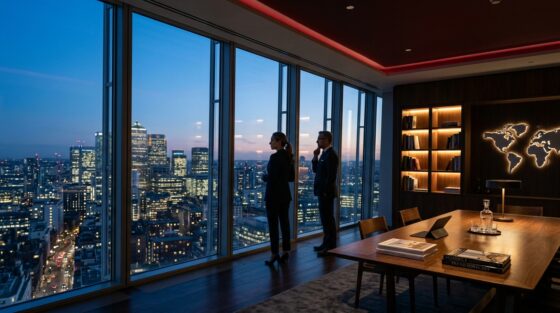
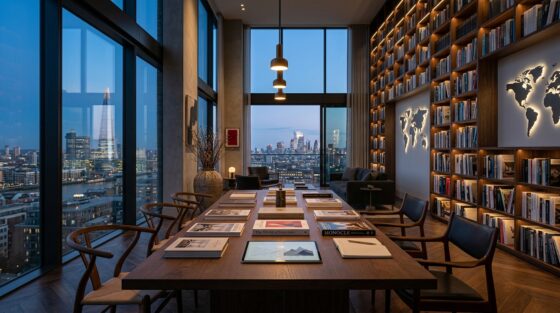

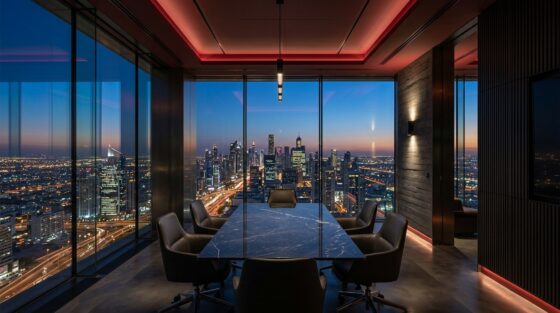

“A hotel room can become private. Or intimate. Furthermore, Or a party. Furthermore, Or a cinema. Furthermore, Or a gathering. Furthermore, The architecture doesn’t decide the answer quite so rigidly.”
Take Away
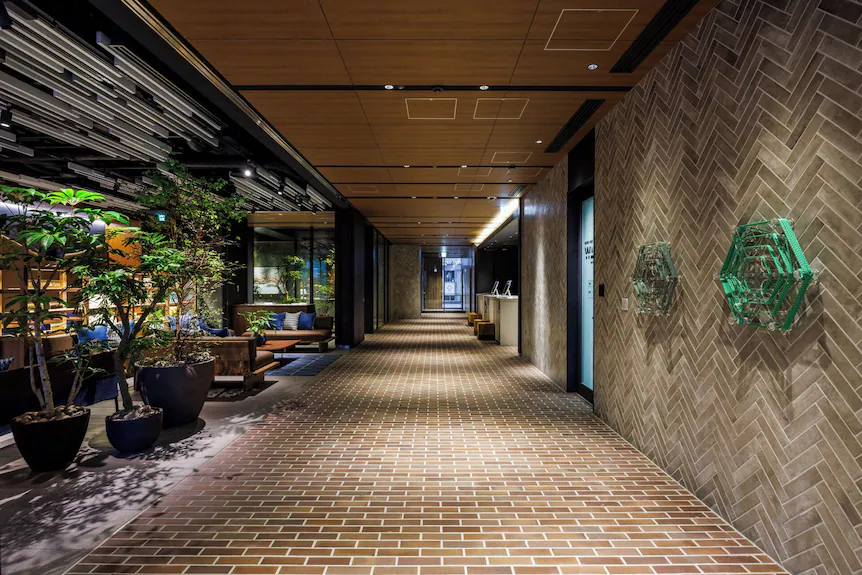
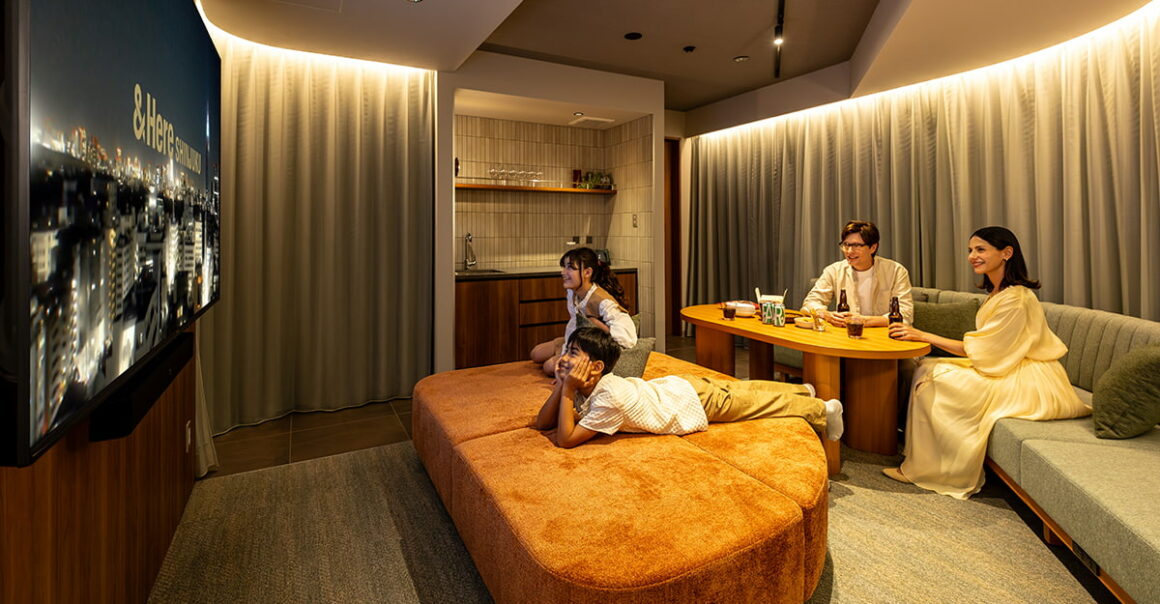
&Here SHINJUKU Tokyo calls itself a “NEO PUBLIC HOUSE”. Furthermore, Its lobby and terrace are designed as social gathering spaces, while its guest rooms include unusually social formats: a private bar suite and a private theatre suite, both designed for groups of up to six people.
The interesting signal isn’t simply that hotels are becoming more social.
We’ve known that for years.
It is something subtler:
What if the luxury hotel lets you choose your degree of togetherness?
The Sign
What Is It?
Hotels normally divide life very neatly.
The room is private.
The lobby is public.
The bar is social.
But &Here SHINJUKU deliberately scrambles those categories.
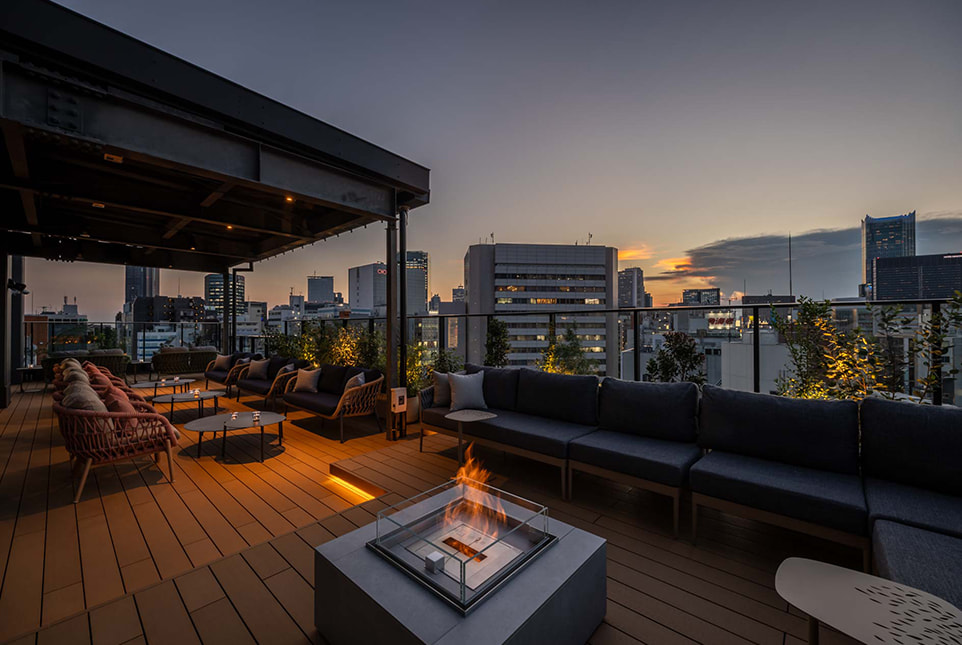
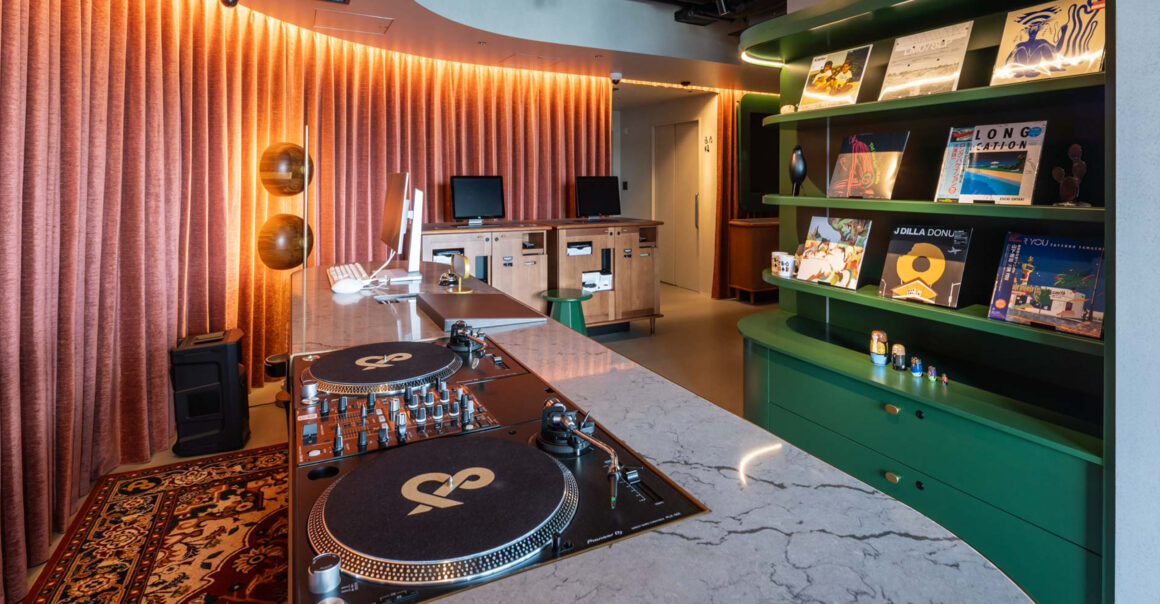
The hotel opened in Shinjuku in September 2025 with a concept it calls “NEO PUBLIC HOUSE — A New Social Gathering Space Surrounded by Green Spaces.” Its 11th-floor lobby is designed as a social space, with an outdoor terrace offering different areas for gathering, including spaces around a fire. Furthermore, Weekend and seasonal DJ events are also held there.
But then comes the really intriguing part.
The hotel has a Premier Bar Suite: a 70m² private room for up to six adults with its own bar experience.
And a Premier Theater Suite, also 70m² for up to six, with a private theatre.
So the social experience doesn’t stop when you leave the lobby.
It can move into your room.
Why Is It Cool?
Because privacy and sociability are no longer being treated as opposites.
Think about how people actually live.
You may want to be alone at 9 pm.
Invite four friends at 10.
Go downstairs at 11.
Disappear back into your room at midnight.
The conventional hotel makes those choices for you through architecture.
&Here starts to suggest another model:
Don’t design spaces according to fixed social functions. Furthermore, Design different degrees of togetherness.
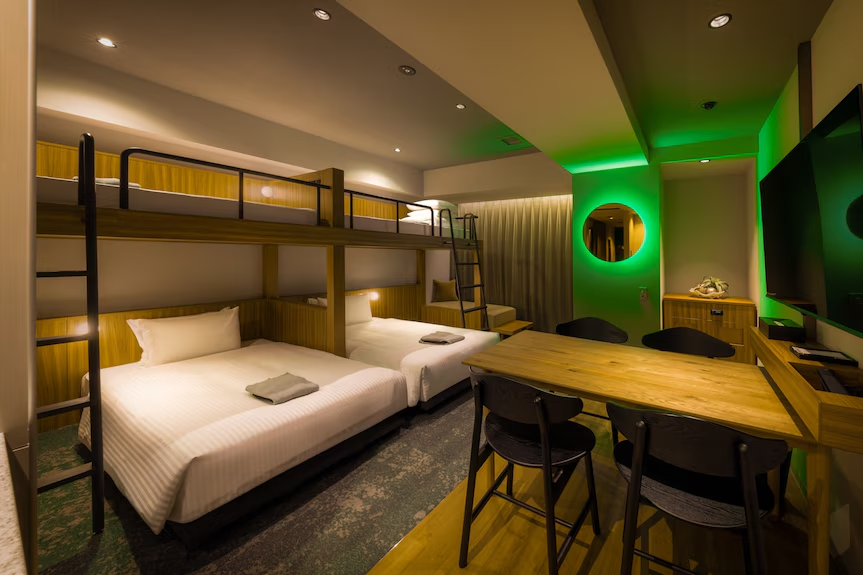
Even the ordinary guest rooms connect living space with terraces, extending the room outward and bringing the Shinjuku cityscape into the experience.
The result is not simply “more social.”
It is more socially adjustable.
And that feels different.
Why Does It Have Future Growth Potential?
Because our lives are becoming less neatly divided between alone and together.
We work alone but socialize online.
We exercise together but want private recovery afterwards.
We travel as couples but seek encounters with strangers.
We want community—but also control over when we disappear from it.
The next generation of hospitality may therefore not simply ask:
“How social should this hotel be?”
That’s yesterday’s question.
It may ask:
“How much social exposure does this guest want right now?”
That creates a fascinating new design territory.
Thinking Space
What if the hotel room of the future were not designed around occupancy, but around social caliber?
A couple could open their room into a little salon.
A group could transform a suite into a private club.
A solo traveler could retreat completely.
A terrace could connect two rooms.
A table could expand from two people to eight.
A curtain, door or piece of furniture could determine how much of the world comes in.
The really interesting design challenge becomes:
The future may not be about making hospitality more social.
It may be about making sociability adjustable.
30 comments
HOW COOL IS THIS “SEED”?
● ● ● ● ○
DOES IT HAVE FUTURE GROWTH POTENTIAL?
● ● ● ● ○
A hotel can offer belonging while protecting the guest’s freedom to step away. That balance has emotional value. The distinctive experience will come from the way people are hosted, rather than assuming an unusual layout creates a community automatically.
HOW COOL IS THIS “SEED”?
● ● ● ● ●
DOES IT HAVE FUTURE GROWTH POTENTIAL?
● ● ● ● ●
A room designed for a small gathering could create value beyond an overnight stay. I would ask which occasions guests actually book it for and whether the price feels understandable. More flexible use is promising when the offer remains easy to choose.
HOW COOL IS THIS “SEED”?
● ● ● ● ●
DOES IT HAVE FUTURE GROWTH POTENTIAL?
● ● ● ● ●
This is relevant to hotels where eating, working and meeting already overlap. The practical question is how a team recognises what the guest wants at that moment. A social concept needs clear choices, especially for people seeking a quiet stay.
HOW COOL IS THIS “SEED”?
● ● ● ● ○
DOES IT HAVE FUTURE GROWTH POTENTIAL?
● ● ● ● ●
The suite formats offer differentiation that guests can explain in one sentence. I would watch demand across weekdays and weekends rather than rely on launch attention. A distinctive room should attract a usable mix of occasions, not only occasional celebration bookings.
HOW COOL IS THIS “SEED”?
● ● ● ● ●
DOES IT HAVE FUTURE GROWTH POTENTIAL?
● ● ● ● ●
A guest’s preferred distance from other people can change during a stay. The interesting service is helping them move between settings without fuss. I would ask whether the quieter options feel as thoughtfully hosted as the more sociable ones.
HOW COOL IS THIS “SEED”?
● ● ● ● ●
DOES IT HAVE FUTURE GROWTH POTENTIAL?
● ● ● ● ○
Flexible social use could widen a hotel’s audience, but brings operating questions. Noise, cleaning, access and turnaround all affect the room’s economics. I would want evidence that the extra uses strengthen demand without reducing comfort for guests elsewhere in the building.
HOW COOL IS THIS “SEED”?
● ● ● ● ●
DOES IT HAVE FUTURE GROWTH POTENTIAL?
● ● ● ● ●
A hotel can support encounters without making sociability compulsory. I would be interested in whether local people are welcome in the public areas and how that relationship develops. A living social space needs more than a schedule of events.
HOW COOL IS THIS “SEED”?
● ● ● ● ●
DOES IT HAVE FUTURE GROWTH POTENTIAL?
● ● ● ● ●
The exciting possibility is guests contributing to the atmosphere rather than merely attending a programme. How much freedom do they have to shape a gathering? The host’s role could become helping a group feel at ease while respecting the rest of the hotel.
HOW COOL IS THIS “SEED”?
● ● ● ● ●
DOES IT HAVE FUTURE GROWTH POTENTIAL?
● ● ● ● ●
The signal is control over the intensity of company. I would observe how guests move between solitude, a familiar group and public space. That behaviour would give stronger evidence of a changing expectation than the unusual room formats alone.
HOW COOL IS THIS “SEED”?
● ● ● ● ●
DOES IT HAVE FUTURE GROWTH POTENTIAL?
● ● ● ● ●
Staff need to explain social choices as invitations. Someone arriving tired should not feel that staying quietly in their room means missing the hotel’s purpose. Clear sound policies and tactful handling of groups would make the flexibility work in everyday service.
Sound policies should be visible before a group books, not introduced only after a complaint. That helps hosts and neighbouring guests understand what the flexibility allows.
HOW COOL IS THIS “SEED”?
● ● ● ● ●
DOES IT HAVE FUTURE GROWTH POTENTIAL?
● ● ● ● ●
A solo guest might enjoy being near other people without joining them. I would like to know whether the layout makes that comfortable. Adjustable togetherness includes the freedom to observe, pause and leave without having to explain oneself.
Being comfortable at the edge of a gathering is part of participation too. Observing those quieter uses could help the hotel avoid designing only for its most outgoing guests.
HOW COOL IS THIS “SEED”?
● ● ● ● ●
DOES IT HAVE FUTURE GROWTH POTENTIAL?
● ● ● ● ○
The best welcome would ask gently what kind of evening the guest has in mind. A host who notices a change of mood could offer a different setting without making a production of it. That is where the architecture becomes personal hospitality.
HOW COOL IS THIS “SEED”?
● ● ● ● ●
DOES IT HAVE FUTURE GROWTH POTENTIAL?
● ● ● ● ●
Small groups already turn ordinary living rooms into cinemas, dinner spaces and places to talk. It is interesting to see a hotel recognise those habits. I would watch whether guests make the suites their own or still feel constrained by a formal hotel atmosphere.
HOW COOL IS THIS “SEED”?
● ● ● ● ●
DOES IT HAVE FUTURE GROWTH POTENTIAL?
● ● ● ● ●
A gathering feels particular because of who is there, not simply because the room is scarce. That may be the most difficult part to reproduce. I would look for a connection to the neighbourhood rather than treat an unusual suite as the whole experience.
HOW COOL IS THIS “SEED”?
● ● ● ● ●
DOES IT HAVE FUTURE GROWTH POTENTIAL?
● ● ● ● ●
Being able to change plans without organising another journey has value. A good stay could save the time usually spent arranging separate places to meet and rest. I would ask whether booking and access are simple enough to preserve that freedom.
HOW COOL IS THIS “SEED”?
● ● ● ● ●
DOES IT HAVE FUTURE GROWTH POTENTIAL?
● ● ● ● ○
A private space for one’s own group can express status through control rather than visibility. The interesting question is whether guests prefer hosting to being seen in a public venue. Their reasons for returning could tell us which form of access they value.
HOW COOL IS THIS “SEED”?
● ● ● ● ●
DOES IT HAVE FUTURE GROWTH POTENTIAL?
● ● ● ● ○
The appeal is a temporary world that can open or close around a guest’s wishes. Privacy still has to feel secure when groups gather nearby. I would pay attention to acoustic separation and discreet service before judging the concept by its most dramatic photographs.
HOW COOL IS THIS “SEED”?
● ● ● ● ●
DOES IT HAVE FUTURE GROWTH POTENTIAL?
● ● ● ● ○
Company and rest do not need to follow the same timetable for every guest. A hotel offering both could feel less demanding than a constant social programme. Are there calm spaces that remain available when an event is taking place?
HOW COOL IS THIS “SEED”?
● ● ● ● ●
DOES IT HAVE FUTURE GROWTH POTENTIAL?
● ● ● ● ●
A simple interface might help guests discover which spaces are available, but should not turn every social choice into data collection. I would prefer clear information and voluntary invitations. People should be able to disappear from the programme as easily as join it.
HOW COOL IS THIS “SEED”?
● ● ● ● ●
DOES IT HAVE FUTURE GROWTH POTENTIAL?
● ● ● ● ○
Shared food could make a private gathering feel generous without requiring a restaurant booking. I would ask what the room lets guests do comfortably and what support the team provides. The table and the ease of serving matter as much as the entertainment.
HOW COOL IS THIS “SEED”?
● ● ● ● ●
DOES IT HAVE FUTURE GROWTH POTENTIAL?
● ● ● ● ●
Furniture can quietly determine whether a group settles in or keeps rearranging the room. I would look at where drinks, bags and coats go, and whether every seat feels included. Small practical details can make a social suite feel natural.
HOW COOL IS THIS “SEED”?
● ● ● ● ○
DOES IT HAVE FUTURE GROWTH POTENTIAL?
● ● ● ● ○
This offers access to a setting people can shape for themselves. That seems more compelling than another fixed evening package. I would be curious about guests who use the same suite differently on a second stay; that could reveal how much freedom it really gives them.
HOW COOL IS THIS “SEED”?
● ● ● ● ●
DOES IT HAVE FUTURE GROWTH POTENTIAL?
● ● ● ● ●
Social flexibility can support comfort, but should not be presented as a wellness result by itself. I would ask whether guests can sleep undisturbed during events. The option to rest needs the same practical attention as the invitation to connect.
HOW COOL IS THIS “SEED”?
● ● ● ● ●
DOES IT HAVE FUTURE GROWTH POTENTIAL?
● ● ● ● ●
The luxury may be deciding when to close the door. I would value the social offer more if withdrawal remains easy and unremarkable. A hotel that respects that choice could feel generous even to someone who never attends its gatherings.
HOW COOL IS THIS “SEED”?
● ● ● ● ●
DOES IT HAVE FUTURE GROWTH POTENTIAL?
● ● ● ● ●
A group can discover this through a compelling video, but ordinary use will determine whether they return. I would watch which moments guests share: the designed room, or the people they brought into it? The latter might tell a more lasting story.
HOW COOL IS THIS “SEED”?
● ● ● ● ●
DOES IT HAVE FUTURE GROWTH POTENTIAL?
● ● ● ● ○
I would want the room to feel usable rather than staged for an ideal party photograph. Can people move things, sit awkwardly and have an ordinary evening? A social setting becomes convincing when guests do not have to perform the lifestyle imagined by its designers.
HOW COOL IS THIS “SEED”?
● ● ● ● ●
DOES IT HAVE FUTURE GROWTH POTENTIAL?
● ● ● ● ●
Hosting a small group in a private suite creates a different kind of visibility from arriving at a famous bar. The guest controls the audience. I would watch whether that feels intimate to users or simply becomes another setting for showing status online.
HOW COOL IS THIS “SEED”?
● ● ● ● ●
DOES IT HAVE FUTURE GROWTH POTENTIAL?
● ● ● ● ○
Customers need to understand the room’s possibilities before booking. Photographs should show practical use by different group sizes, not only the best-looking occasion. Clear information about access and service could turn initial curiosity into confidence that the stay will suit them.
Rate & Discuss this Signal
Calibrate the Future Signals Index with your rating below, and share your perspective in the community dialogue.
Evaluate this Creative Signal
Help calibrate the Future Signals Index. Rate this Seed on both key criteria below (scale: 2 to 10).