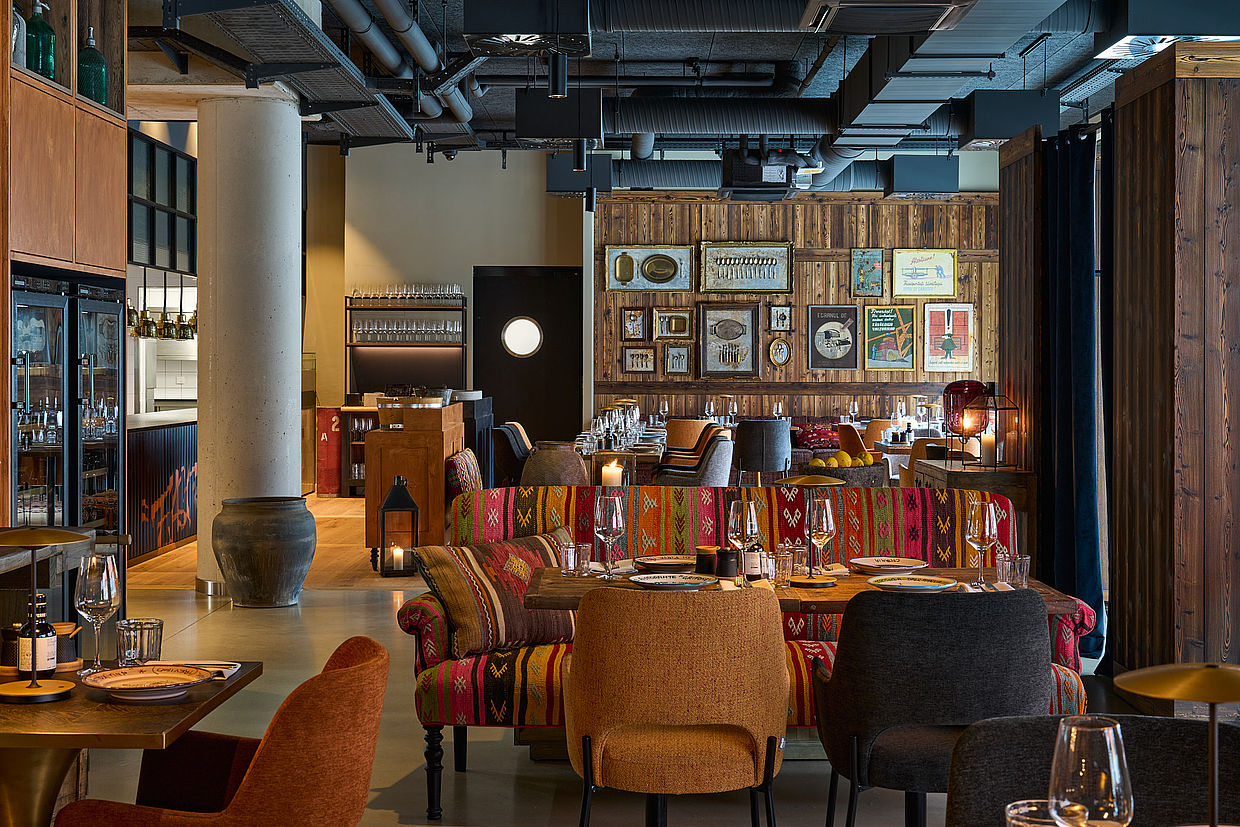
FREIgeist Göttingen Nordstadt uses former factory workbenches as tables and brings Sartorius scales into its bar concept. Consequently, these objects connect a new hotel to the industrial site beneath it. In fact, the interesting luxury is a local history that guests encounter through ordinary use.
Great insights become wisdom through shared dialogue. Share your perspective, rate this creative signal, and enrich the conversation below.
Already have an account?
FUTURISTS CLUB EXECUTIVE INTELLIGENCE
MEMBER EXCLUSIVE
The Rest of This Strategic Briefing is Reserved for Members
Join an international network of senior innovators, decision-makers, and hospitality leaders. Unlock all defining micro-signals, full field research, and the Monthly Foresight Briefing.
Een analoog meesterwerk van Gerd A. Müller (1966) dat de tegenbeweging naar tastbare focus, minimalistisch vakmanschap en diepgaande reflectie belichaamt.
Slimme thermische precisietechnologie die dagelijkse drinkrituelen transformeert tot een geconditioneerde sensorische ervaring.
As an Amazon Associate, Science of the Time earns from qualifying purchases. StoreID: scienceofthet-21
30 comments
HOW COOL IS THIS “SEED”? ● ● ● ● ●
DOES IT HAVE FUTURE GROWTH POTENTIAL? ● ● ● ● ●
Historical objects invite questions that visitors may not know how to formulate. The team should offer accessible context without a long lecture. Clear interpretation helps an unfamiliar guest understand the setting while leaving room for ordinary use of the shared spaces.
The property’s material story can support differentiation that competitors cannot reproduce by ordering similar furniture. Commercial value still depends on service and demand. I would look at whether the encounter creates repeat interest beyond the attention attached to an unusual interior.
Guests can discover a place through touching and using something rather than attending a formal activity. That is promising when the welcome makes the boundaries clear. People should know what they can handle comfortably without wondering whether curiosity will be treated as damage to a precious display.
Reuse can preserve value while introducing maintenance and adaptation costs. The historical account should not imply effortless scalability. Each object and building needs its own assessment of condition, useful life and the work required to support daily hospitality use.
The industrial story should include people as well as objects. Tools can give visitors a tangible starting point for understanding labour and local history. The experience gains meaning when those relationships remain visible rather than turn the past into a generic design vocabulary.
An object encountered through use can make history feel less distant. The interpretation should still acknowledge what remains unknown. A visitor can enjoy a connection to the past without every worn surface being assigned a perfectly polished story by the hotel.
A small explanation can help a guest use an unfamiliar object with confidence. Staff should follow the person’s curiosity rather than deliver the entire history at every encounter. The welcome becomes warmer when questions feel easy and the space remains comfortable for ordinary conversation.
A worn surface can suggest the hands that used it before. I like that the guest can encounter history through a small everyday action. The design should let that feeling remain quiet instead of making every object demand a formal response of appreciation.
The team needs accurate basic information and clear guidance about handling. A guest should not receive conflicting instructions from different hosts. Good preparation helps staff encourage curiosity while acknowledging when a question requires more specialised knowledge about the object.
Industrial objects can become fashionable while the workers behind them disappear from the story. I would look for an account that remembers ordinary labour as well as innovation. That gives the setting more cultural depth than a collection of appealing old materials alone.
Provenance should be documented rather than supplied by a suggestive appearance. An object may belong to a particular workshop without every claim about age or use being established. Clear information can preserve the value of discovery while keeping uncertainty visible.
Uncertainty can be part of an honest account. A guest may value knowing what is documented and what remains interpretation more than receiving a complete story the hotel cannot substantiate.
The setting lets guests discover something during the ordinary flow of a stay. That is useful because learning does not require another appointment. The information should remain concise, with a route to explore further for people who want more than a brief encounter.
Knowing how to recognise a meaningful old object can become a subtle distinction. Its private value may be stronger than the status story. I would ask what visitors remember about using it rather than only whether they can identify the historical reference afterwards.
The existing material world gives the property character that cannot simply be imported into another setting. Comfort remains essential. Guests should be able to inhabit the spaces naturally instead of tolerate awkward objects because their history makes the interior appear distinctive.
A tangible setting may feel engaging or comforting to some visitors, but that is not a demonstrated wellbeing outcome. The offer can remain meaningful through curiosity and use. Guests should have room for their own response without a claim that heritage automatically restores connection.
A discreet digital record could let interested visitors explore an object’s history after using it. The physical encounter should remain primary. The setting needs to work for someone who wants to notice the materials and spend time with others without opening another screen.
A reused working surface can give a meal character through its material history. The dining experience still needs practical quality. Food and service should remain rewarding, so the object supports the pleasure of eating together rather than become the whole reason the table feels special.
The most interesting change is an object remaining useful while its role evolves. Adaptation should respect both condition and new function. I would examine how repairs and wear are managed, because the relationship becomes more credible when the material can keep participating in everyday life.
Guests gain an encounter with history through ordinary presence in the property. That is different from buying admission to a staged attraction. The host should make the experience easy to explore while allowing people to choose how much attention they give it during the stay.
Practical comfort and clear handling information matter alongside historical interest. The material story does not establish suitability for every person. Guests should be able to understand and use the setting without a broad claim that interacting with old objects necessarily improves wellbeing.
The existing objects can carry character without additional decorative explanation everywhere. Restraint helps their differences remain legible. I would prefer an interior that lets guests notice age and material naturally rather than turn every piece into an insistently branded lesson about authenticity.
Careful maintenance could preserve that quiet character. Repairs should keep the object useful while allowing its age to remain understandable, rather than make every trace look newly manufactured.
The image of a living archive can attract curiosity, while actual use gives it substance. Guests’ accounts should show what the objects let them do or understand. A setting becomes more interesting when the story survives beyond the most recognisable photograph of an old workbench.
Industrial heritage can be polished into a comfortable aesthetic while its more difficult history disappears. The account should leave room for ordinary labour and change. A reuse project is stronger when it acknowledges that the past contains more than a ready-made story of attractive craftsmanship.
Material continuity can give a property authority without relying on newly manufactured luxury codes. The distinction needs accurate context and careful use. A historical object feels more convincing when its character remains visible rather than be overrestored into another flawless premium finish.
Functional objects need to work within contemporary circulation and seating arrangements. The design should support discovery without making shared spaces confusing. Guests can encounter the past more comfortably when the interior makes ordinary movement and the limits of handling clear.
The emotional value comes from a real connection between the object and the place. Hospitality can make that relationship approachable through use and conversation. A thoughtful host lets visitors discover their own interest without requiring every person to treat the setting as a formal historical experience.
Embedding history into the guest experience gives a hotel cultural depth that cannot be copied through décor alone. The most thoughtful approach lets guests discover layers rather than delivering a museum lecture. Local archives and community voices could make this model even richer and more credible.
Existing objects can create a distinctive encounter without a separate programmed attraction. They still need to contribute to a good stay. The guest should enjoy their use and context rather than be asked to admire them as a substitute for practical comfort.








30 comments
HOW COOL IS THIS “SEED”?
● ● ● ● ●
DOES IT HAVE FUTURE GROWTH POTENTIAL?
● ● ● ● ●
Historical objects invite questions that visitors may not know how to formulate. The team should offer accessible context without a long lecture. Clear interpretation helps an unfamiliar guest understand the setting while leaving room for ordinary use of the shared spaces.
HOW COOL IS THIS “SEED”?
● ● ● ● ●
DOES IT HAVE FUTURE GROWTH POTENTIAL?
● ● ● ● ●
The property’s material story can support differentiation that competitors cannot reproduce by ordering similar furniture. Commercial value still depends on service and demand. I would look at whether the encounter creates repeat interest beyond the attention attached to an unusual interior.
HOW COOL IS THIS “SEED”?
● ● ● ● ●
DOES IT HAVE FUTURE GROWTH POTENTIAL?
● ● ● ● ●
Guests can discover a place through touching and using something rather than attending a formal activity. That is promising when the welcome makes the boundaries clear. People should know what they can handle comfortably without wondering whether curiosity will be treated as damage to a precious display.
HOW COOL IS THIS “SEED”?
● ● ● ● ●
DOES IT HAVE FUTURE GROWTH POTENTIAL?
● ● ● ● ●
Reuse can preserve value while introducing maintenance and adaptation costs. The historical account should not imply effortless scalability. Each object and building needs its own assessment of condition, useful life and the work required to support daily hospitality use.
HOW COOL IS THIS “SEED”?
● ● ● ● ●
DOES IT HAVE FUTURE GROWTH POTENTIAL?
● ● ● ● ●
The industrial story should include people as well as objects. Tools can give visitors a tangible starting point for understanding labour and local history. The experience gains meaning when those relationships remain visible rather than turn the past into a generic design vocabulary.
HOW COOL IS THIS “SEED”?
● ● ● ● ●
DOES IT HAVE FUTURE GROWTH POTENTIAL?
● ● ● ● ●
An object encountered through use can make history feel less distant. The interpretation should still acknowledge what remains unknown. A visitor can enjoy a connection to the past without every worn surface being assigned a perfectly polished story by the hotel.
HOW COOL IS THIS “SEED”?
● ● ● ● ○
DOES IT HAVE FUTURE GROWTH POTENTIAL?
● ● ● ● ●
A small explanation can help a guest use an unfamiliar object with confidence. Staff should follow the person’s curiosity rather than deliver the entire history at every encounter. The welcome becomes warmer when questions feel easy and the space remains comfortable for ordinary conversation.
HOW COOL IS THIS “SEED”?
● ● ● ● ○
DOES IT HAVE FUTURE GROWTH POTENTIAL?
● ● ● ● ●
A worn surface can suggest the hands that used it before. I like that the guest can encounter history through a small everyday action. The design should let that feeling remain quiet instead of making every object demand a formal response of appreciation.
HOW COOL IS THIS “SEED”?
● ● ● ● ●
DOES IT HAVE FUTURE GROWTH POTENTIAL?
● ● ● ● ○
The team needs accurate basic information and clear guidance about handling. A guest should not receive conflicting instructions from different hosts. Good preparation helps staff encourage curiosity while acknowledging when a question requires more specialised knowledge about the object.
HOW COOL IS THIS “SEED”?
● ● ● ● ●
DOES IT HAVE FUTURE GROWTH POTENTIAL?
● ● ● ● ●
Industrial objects can become fashionable while the workers behind them disappear from the story. I would look for an account that remembers ordinary labour as well as innovation. That gives the setting more cultural depth than a collection of appealing old materials alone.
HOW COOL IS THIS “SEED”?
● ● ● ● ●
DOES IT HAVE FUTURE GROWTH POTENTIAL?
● ● ● ● ○
Provenance should be documented rather than supplied by a suggestive appearance. An object may belong to a particular workshop without every claim about age or use being established. Clear information can preserve the value of discovery while keeping uncertainty visible.
Uncertainty can be part of an honest account. A guest may value knowing what is documented and what remains interpretation more than receiving a complete story the hotel cannot substantiate.
HOW COOL IS THIS “SEED”?
● ● ● ● ●
DOES IT HAVE FUTURE GROWTH POTENTIAL?
● ● ● ● ●
The setting lets guests discover something during the ordinary flow of a stay. That is useful because learning does not require another appointment. The information should remain concise, with a route to explore further for people who want more than a brief encounter.
HOW COOL IS THIS “SEED”?
● ● ● ● ●
DOES IT HAVE FUTURE GROWTH POTENTIAL?
● ● ● ● ●
Knowing how to recognise a meaningful old object can become a subtle distinction. Its private value may be stronger than the status story. I would ask what visitors remember about using it rather than only whether they can identify the historical reference afterwards.
HOW COOL IS THIS “SEED”?
● ● ● ● ●
DOES IT HAVE FUTURE GROWTH POTENTIAL?
● ● ● ● ●
The existing material world gives the property character that cannot simply be imported into another setting. Comfort remains essential. Guests should be able to inhabit the spaces naturally instead of tolerate awkward objects because their history makes the interior appear distinctive.
HOW COOL IS THIS “SEED”?
● ● ● ● ●
DOES IT HAVE FUTURE GROWTH POTENTIAL?
● ● ● ● ●
A tangible setting may feel engaging or comforting to some visitors, but that is not a demonstrated wellbeing outcome. The offer can remain meaningful through curiosity and use. Guests should have room for their own response without a claim that heritage automatically restores connection.
HOW COOL IS THIS “SEED”?
● ● ● ● ○
DOES IT HAVE FUTURE GROWTH POTENTIAL?
● ● ● ● ●
A discreet digital record could let interested visitors explore an object’s history after using it. The physical encounter should remain primary. The setting needs to work for someone who wants to notice the materials and spend time with others without opening another screen.
HOW COOL IS THIS “SEED”?
● ● ● ● ●
DOES IT HAVE FUTURE GROWTH POTENTIAL?
● ● ● ● ●
A reused working surface can give a meal character through its material history. The dining experience still needs practical quality. Food and service should remain rewarding, so the object supports the pleasure of eating together rather than become the whole reason the table feels special.
HOW COOL IS THIS “SEED”?
● ● ● ● ●
DOES IT HAVE FUTURE GROWTH POTENTIAL?
● ● ● ● ●
The most interesting change is an object remaining useful while its role evolves. Adaptation should respect both condition and new function. I would examine how repairs and wear are managed, because the relationship becomes more credible when the material can keep participating in everyday life.
HOW COOL IS THIS “SEED”?
● ● ● ● ○
DOES IT HAVE FUTURE GROWTH POTENTIAL?
● ● ● ● ○
Guests gain an encounter with history through ordinary presence in the property. That is different from buying admission to a staged attraction. The host should make the experience easy to explore while allowing people to choose how much attention they give it during the stay.
HOW COOL IS THIS “SEED”?
● ● ● ● ●
DOES IT HAVE FUTURE GROWTH POTENTIAL?
● ● ● ● ○
Practical comfort and clear handling information matter alongside historical interest. The material story does not establish suitability for every person. Guests should be able to understand and use the setting without a broad claim that interacting with old objects necessarily improves wellbeing.
HOW COOL IS THIS “SEED”?
● ● ● ● ○
DOES IT HAVE FUTURE GROWTH POTENTIAL?
● ● ● ● ●
The existing objects can carry character without additional decorative explanation everywhere. Restraint helps their differences remain legible. I would prefer an interior that lets guests notice age and material naturally rather than turn every piece into an insistently branded lesson about authenticity.
Careful maintenance could preserve that quiet character. Repairs should keep the object useful while allowing its age to remain understandable, rather than make every trace look newly manufactured.
HOW COOL IS THIS “SEED”?
● ● ● ● ●
DOES IT HAVE FUTURE GROWTH POTENTIAL?
● ● ● ● ●
The image of a living archive can attract curiosity, while actual use gives it substance. Guests’ accounts should show what the objects let them do or understand. A setting becomes more interesting when the story survives beyond the most recognisable photograph of an old workbench.
HOW COOL IS THIS “SEED”?
● ● ● ● ●
DOES IT HAVE FUTURE GROWTH POTENTIAL?
● ● ● ● ○
Industrial heritage can be polished into a comfortable aesthetic while its more difficult history disappears. The account should leave room for ordinary labour and change. A reuse project is stronger when it acknowledges that the past contains more than a ready-made story of attractive craftsmanship.
HOW COOL IS THIS “SEED”?
● ● ● ● ●
DOES IT HAVE FUTURE GROWTH POTENTIAL?
● ● ● ● ○
Material continuity can give a property authority without relying on newly manufactured luxury codes. The distinction needs accurate context and careful use. A historical object feels more convincing when its character remains visible rather than be overrestored into another flawless premium finish.
HOW COOL IS THIS “SEED”?
● ● ● ● ●
DOES IT HAVE FUTURE GROWTH POTENTIAL?
● ● ● ● ●
Functional objects need to work within contemporary circulation and seating arrangements. The design should support discovery without making shared spaces confusing. Guests can encounter the past more comfortably when the interior makes ordinary movement and the limits of handling clear.
HOW COOL IS THIS “SEED”?
● ● ● ● ●
DOES IT HAVE FUTURE GROWTH POTENTIAL?
● ● ● ● ○
The emotional value comes from a real connection between the object and the place. Hospitality can make that relationship approachable through use and conversation. A thoughtful host lets visitors discover their own interest without requiring every person to treat the setting as a formal historical experience.
Embedding history into the guest experience gives a hotel cultural depth that cannot be copied through décor alone. The most thoughtful approach lets guests discover layers rather than delivering a museum lecture. Local archives and community voices could make this model even richer and more credible.
HOW COOL IS THIS “SEED”?
● ● ● ● ●
DOES IT HAVE FUTURE GROWTH POTENTIAL?
● ● ● ● ●
Existing objects can create a distinctive encounter without a separate programmed attraction. They still need to contribute to a good stay. The guest should enjoy their use and context rather than be asked to admire them as a substitute for practical comfort.
Rate & Discuss this Signal
Calibrate the Future Signals Index with your rating below, and share your perspective in the community dialogue.
Evaluate this Creative Signal
Help calibrate the Future Signals Index. Rate this Seed on both key criteria below (scale: 2 to 10).