






“The next cult fashion object may carry the badge of a football club most people have never heard of. That’s Status Luxury Revisited. Furthermore, Mainly from a Gen Z perspective.”
“The next luxury signal might not look luxurious yet.”
Take Away
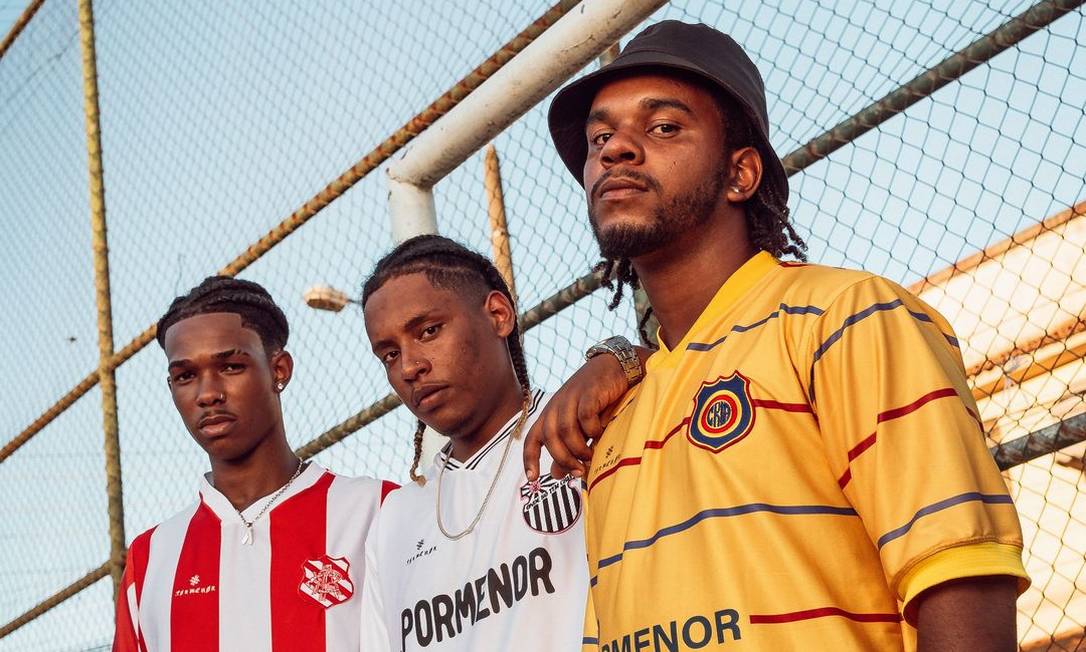
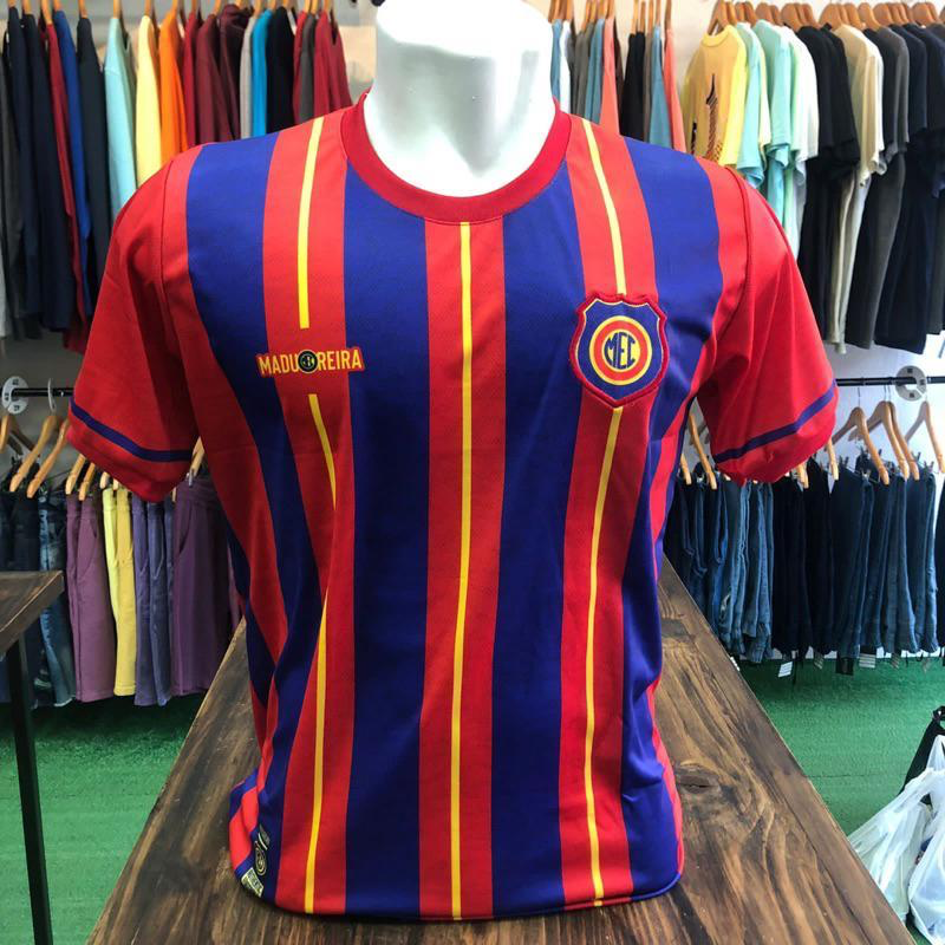
A small Rio streetwear label called .pormenor, founded in Bento Ribeiro in the North Zone, began turning shirts of clubs such as Madureira, Bangu and São Cristóvão into objects of desire. Furthermore, One early collection sold more than 500 pieces.
Then came the ultimate cultural crossover.
Suddenly, a forgotten local football shirt has some of the ingredients of contemporary luxury:
scarcity.
provenance.
story.
locality.
and insider recognition.
The interesting question is not whether football shirts will become luxury.
It is:
What happens when the luxury object is the thing that only a few people know is valuable?
The Sign
What Is It?
In Rio’s suburbs, shirts from smaller, historically important clubs are increasingly being worn outside the stadium — at samba gatherings, parties, on the street and as part of everyday fashion.
That changes their meaning.
A Madureira shirt is no longer simply saying I support Madureira.
It can say:
I know Rio.
I know its history.
I know something you don’t.
That is a very different status signal.
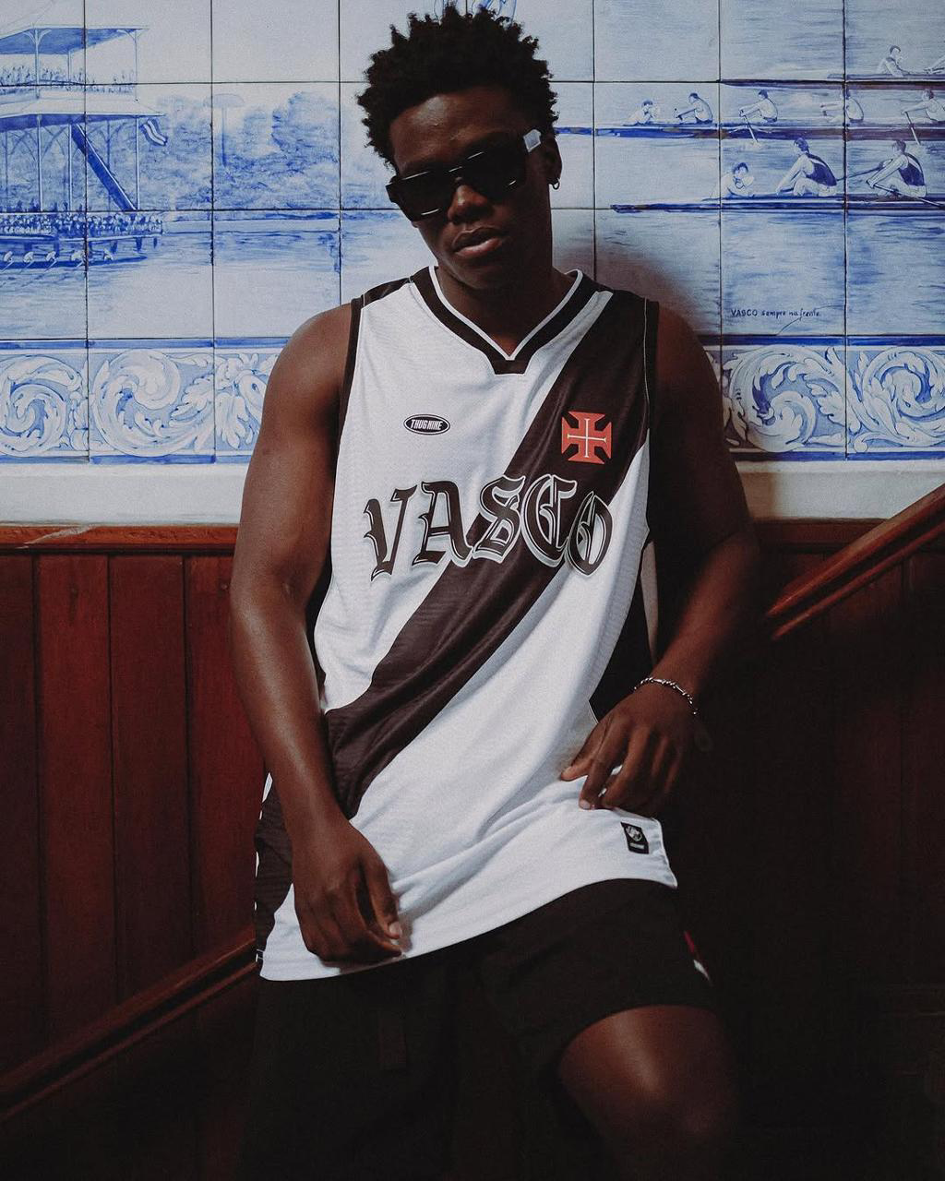
The phenomenon has already attracted fashion brands and collaborations. Furthermore, Vasco da Gama, for example, partnered with Rio streetwear label Thug Nine in 2025, explicitly merging football heritage with contemporary streetwear.
But Luca finds the more interesting signal further away from the obvious football giants.
The smaller the club, the more cultural knowledge you need to understand the object.
Why Is It Cool?
1. Furthermore, The logo becomes a secret handshake
Luxury has traditionally communicated status through recognition:
You know this logo.
The new cultural luxury can work in reverse:
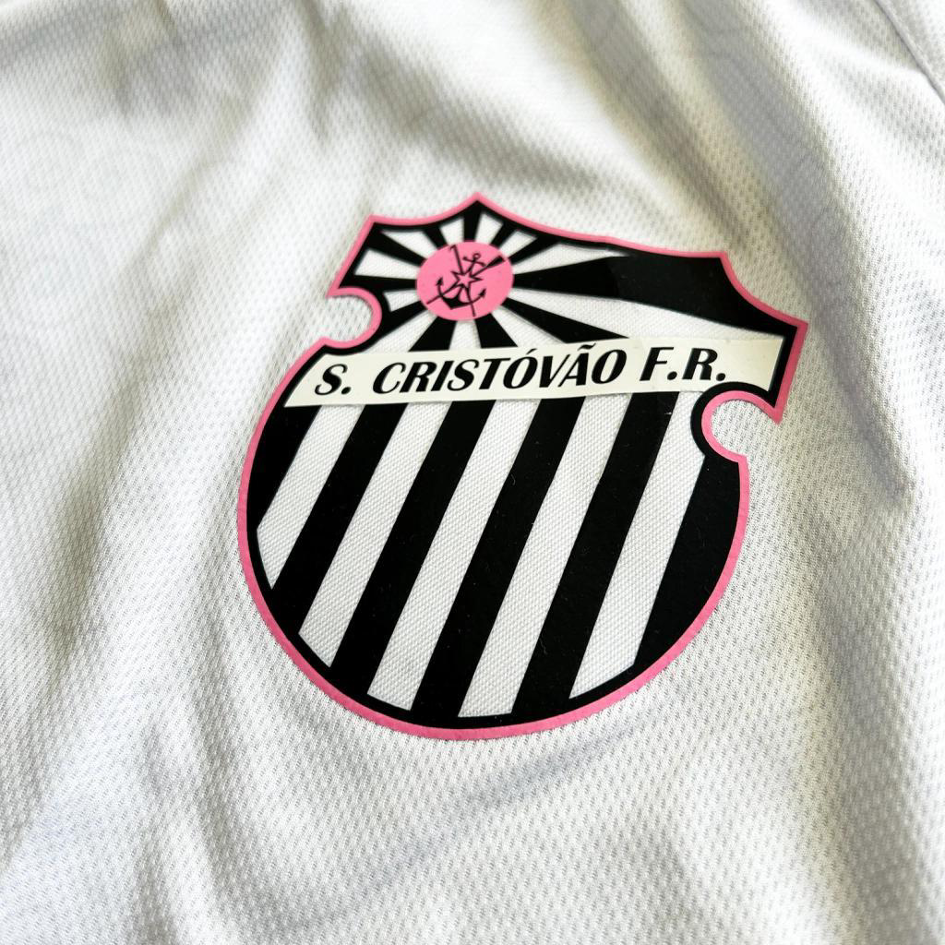
You recognize the logo that almost nobody recognizes.
That makes a São Cristóvão, Olaria, or Madureira shirt potentially more interesting to a certain consumer than another globally recognizable luxury monogram.
It is INSIDE LUXURY
2. Furthermore, It turns local knowledge into cultural capital
The really interesting part isn’t the shirt.
It’s the knowledge behind the shirt.
Why Madureira?
Why São Cristóvão?
Why Bento Ribeiro?
Why this particular season?
Why this particular player?
Why this particular graphic?
The object becomes a little piece of urban archaeology.
That is precisely what makes the .pormenor/Ronaldo São Cristóvão shirt so seductive: the brand was founded on the same street in Bento Ribeiro where Ronaldo grew up, connecting a global football icon to a very specific piece of Rio geography.
3. Furthermore, It moves luxury from “expensive” to “unrepeatable”
Only 150 São Cristóvão/Ronaldo shirts were produced.
That is an interesting luxury mechanism.
Not:
This costs a lot.
But:
You probably won’t see another one.
Why Does It Have Future Growth Potential?

Because it isn’t really about football. Furthermore, It is about the next generation of status objects.
Young consumers are increasingly surrounded by globally recognizable brands. Furthermore, That makes global recognition less interesting.
The counter-move is already visible:
local > global
obscure > obvious
story > logo
community > mass recognition
And Rio is an extraordinary laboratory for this.
A forgotten football club.
A neighborhood.
A samba scene.
A streetwear label.
An old photograph.
A legendary player.
Put them together and suddenly you have something that feels much more precious than another expensive T-shirt.
The next luxury collectible may not come from a luxury house.
It may come from a place with a story that has never been commodified before.
Guilherme’s Cool Luxury Hunting Question
“If a football shirt from a forgotten Rio neighborhood can become a collectible, what other “ordinary” objects are carrying cultural value that luxury hasn’t discovered yet?”
30 comments
HOW COOL IS THIS “SEED”?
● ● ● ● ○
DOES IT HAVE FUTURE GROWTH POTENTIAL?
● ● ● ● ○
The emotional value begins with an existing relationship between people and place. A label can help others discover it, provided the account remains fair. The most durable outcome would give the club recognition and benefit while inviting buyers to learn beyond the object.
HOW COOL IS THIS “SEED”?
● ● ● ● ●
DOES IT HAVE FUTURE GROWTH POTENTIAL?
● ● ● ● ○
The shirt becomes most valuable when it opens access to a lived experience: a match, a neighbourhood guide, a conversation with supporters. That is where ownership turns into belonging, even briefly. Premium travel could facilitate such encounters, but guests should enter respectfully. The community is not an exclusive club invented for their entertainment.
HOW COOL IS THIS “SEED”?
● ● ● ● ●
DOES IT HAVE FUTURE GROWTH POTENTIAL?
● ● ● ● ○
This is not body luxury in the medical sense, yet sport identity can be deeply embodied. Wearing a club shirt changes posture, affiliation and how strangers approach you. I am interested in whether luxury brands can support grassroots movement and facilities rather than merely extracting a compelling aesthetic from athletic communities.
HOW COOL IS THIS “SEED”?
● ● ● ● ○
DOES IT HAVE FUTURE GROWTH POTENTIAL?
● ● ● ● ●
An obscure football shirt is post-logo luxury in perfect form: highly visible, yet unreadable to most people. Its value depends on context rather than price. The strongest styling is probably effortless, mixed with ordinary clothes. Once the badge is enlarged and explained by a luxury campaign, the quiet confidence that made it desirable may be gone.
HOW COOL IS THIS “SEED”?
● ● ● ● ●
DOES IT HAVE FUTURE GROWTH POTENTIAL?
● ● ● ● ●
Chinese Gen Z already uses niche jerseys, outdoor brands and local references to build identities beyond global luxury. The Rio example will travel as a logic more than a specific product: small community, recognisable code, limited access. Social platforms can accelerate discovery, so the window between authentic niche and overexposure may become very short.
HOW COOL IS THIS “SEED”?
● ● ● ● ●
DOES IT HAVE FUTURE GROWTH POTENTIAL?
● ● ● ● ●
This is luxury before luxury gets involved, which is exactly why it works. The shirt carries neighbourhood, music, sport and memory without asking permission from fashion. I hope the next move is more local design and stranger collaborations—not a global house cleaning up the graphics and charging ten times more for cultural credibility.
An accessible club shirt could coexist with a limited collaboration. That would let the cultural story gain a new audience without making the original sign of belonging scarce for supporters.
HOW COOL IS THIS “SEED”?
● ● ● ● ●
DOES IT HAVE FUTURE GROWTH POTENTIAL?
● ● ● ● ●
Celebrities can move an obscure shirt into global view overnight, as Ronaldo’s history shows. That attention creates extraordinary value but also changes the object’s meaning. The smartest collaboration would use celebrity mythology to return resources and visibility to the club, while keeping quantities limited enough that ownership still feels like discovery rather than merchandise.
HOW COOL IS THIS “SEED”?
● ● ● ● ●
DOES IT HAVE FUTURE GROWTH POTENTIAL?
● ● ● ● ●
The hospitality parallel is a local object that opens a conversation about place. A host could explain a club’s history without turning it immediately into merchandise. The value lies in helping visitors understand why people already care about it.
HOW COOL IS THIS “SEED”?
● ● ● ● ○
DOES IT HAVE FUTURE GROWTH POTENTIAL?
● ● ● ● ●
A shirt may travel internationally while its local meaning remains unfamiliar. Retailers need to explain that context accurately. Buyers should be able to discover the club’s history without being treated as insiders merely because they purchased a limited edition.
HOW COOL IS THIS “SEED”?
● ● ● ● ●
DOES IT HAVE FUTURE GROWTH POTENTIAL?
● ● ● ● ●
The reported early sales show interest, but a small release is not proof of lasting demand. I would watch repeat purchases and the relationship with the clubs. The cultural distinction must remain meaningful after the first crossover attracts attention.
HOW COOL IS THIS “SEED”?
● ● ● ● ●
DOES IT HAVE FUTURE GROWTH POTENTIAL?
● ● ● ● ●
A small-club shirt can make someone feel recognised in a very personal way: “you know my neighbourhood, my history, my people.” That emotional detail is stronger than a generic VIP gesture. Hospitality brands could learn from it by noticing the identities guests actually carry. The challenge is to celebrate a community without turning its symbols into decorative merchandise.
HOW COOL IS THIS “SEED”?
● ● ● ● ○
DOES IT HAVE FUTURE GROWTH POTENTIAL?
● ● ● ● ○
A small club’s shirt can reveal a part of the city visitors would otherwise miss. That makes it useful for thoughtful hospitality storytelling. The people who support the club should help shape the account, rather than become background to a newly desirable object.
HOW COOL IS THIS “SEED”?
● ● ● ● ●
DOES IT HAVE FUTURE GROWTH POTENTIAL?
● ● ● ● ○
A 150-piece release creates scarcity, but scarcity alone does not establish sustainable economics. Licensing, production quality and distribution still matter. The growth question is whether a label can widen its business while preserving the specific relationships behind each collection.
HOW COOL IS THIS “SEED”?
● ● ● ● ●
DOES IT HAVE FUTURE GROWTH POTENTIAL?
● ● ● ● ●
This has the mechanics of a powerful collectible: limited supply, a strong local story and recognition inside a knowledgeable community. In China, niche sports and city identities already gain momentum through social platforms, where explaining the reference adds status. Growth will depend on careful releases and credible collaboration. Too much availability would destroy exactly what makes the shirt desirable.
HOW COOL IS THIS “SEED”?
● ● ● ● ●
DOES IT HAVE FUTURE GROWTH POTENTIAL?
● ● ● ● ○
Recognition could benefit smaller clubs if collaborations return value to them and their communities. That relationship deserves examination. A shirt can celebrate local history while leaving the organisation that maintains it with little influence over the new commercial story.
HOW COOL IS THIS “SEED”?
● ● ● ● ●
DOES IT HAVE FUTURE GROWTH POTENTIAL?
● ● ● ● ○
A São Cristóvão shirt tied to Ronaldo’s street has genuine provenance: a precise club, neighbourhood and history, with only 150 pieces. That is far more difficult to reproduce than a manufactured “limited edition.” The opportunity is exciting if value returns to the club and local creative scene. Rarity should preserve the story, not remove it from its owners.
HOW COOL IS THIS “SEED”?
● ● ● ● ●
DOES IT HAVE FUTURE GROWTH POTENTIAL?
● ● ● ● ●
The connection between Bento Ribeiro and Ronaldo gives the shirt a precise geography. That is more compelling than a generic football reference. How do local supporters describe the design, and does its wider popularity make them feel recognised or displaced?
HOW COOL IS THIS “SEED”?
● ● ● ● ●
DOES IT HAVE FUTURE GROWTH POTENTIAL?
● ● ● ● ●
The signal is distinction through knowledge of a less widely recognised object. Football gives it an accessible form. Growth may occur across other local categories, but discovering cultural value should not be confused with the right to commercialise every community’s symbols.
HOW COOL IS THIS “SEED”?
● ● ● ● ●
DOES IT HAVE FUTURE GROWTH POTENTIAL?
● ● ● ● ●
A shirt can carry memories of a neighbourhood even for someone who never attended a match. The story may make it feel precious. I wonder how lifelong supporters feel when an everyday sign of belonging becomes an object collected by people from elsewhere.
HOW COOL IS THIS “SEED”?
● ● ● ● ●
DOES IT HAVE FUTURE GROWTH POTENTIAL?
● ● ● ● ●
This is the kind of status signal I trust: it looks ordinary until someone knows enough to read it. A Madureira or São Cristóvão shirt can connect football, samba, neighbourhood pride and streetwear in one object. The next question is where else this is happening before luxury notices—boxing gyms, record shops, food stalls? The edges are already designing their own collectibles.
HOW COOL IS THIS “SEED”?
● ● ● ● ○
DOES IT HAVE FUTURE GROWTH POTENTIAL?
● ● ● ● ○
The frontline conversation should distinguish a historic shirt, a reissue and a contemporary collaboration. Those are different objects with different stories. Clear explanation helps a buyer enjoy the design without receiving an exaggerated account of rarity or provenance.
That distinction also changes how the object should be cared for and valued. A newly produced collaboration deserves assessment of its own construction, rather than inherit every claim attached to an original historic shirt.
HOW COOL IS THIS “SEED”?
● ● ● ● ●
DOES IT HAVE FUTURE GROWTH POTENTIAL?
● ● ● ● ●
The shirt saves no time, but it rewards time already invested in a place, club and history. That is why recognition feels valuable: the wearer and observer share knowledge that cannot be bought instantly. As luxury becomes more searchable, signals that require years of attention may become more attractive to people tired of obvious status.
HOW COOL IS THIS “SEED”?
● ● ● ● ●
DOES IT HAVE FUTURE GROWTH POTENTIAL?
● ● ● ● ●
Insider knowledge is already a status currency among Asia’s younger wealthy. An obscure club shirt works because it separates cultural fluency from purchasing power. I can imagine similar signals travelling through regional sports across Asia. The growth opportunity is real, but mass distribution would collapse the hierarchy that makes the object socially useful.
HOW COOL IS THIS “SEED”?
● ● ● ● ●
DOES IT HAVE FUTURE GROWTH POTENTIAL?
● ● ● ● ○
A resort guest may own every obvious luxury object and still be fascinated by a shirt carrying a world they cannot reproduce at home. The opportunity is not to place it in a boutique, but to create responsible access to the neighbourhood, match and people behind it. Without that lived context, the shirt risks becoming costume.
HOW COOL IS THIS “SEED”?
● ● ● ● ●
DOES IT HAVE FUTURE GROWTH POTENTIAL?
● ● ● ● ●
The emotional wellbeing here comes from belonging rather than optimisation. A local shirt can reconnect people with neighbourhood memory, family and collective ritual. That has value, even if the product is not traditionally “wellness.” I would watch whether commercial demand strengthens club facilities and youth communities or simply extracts their symbols for outside consumers.
HOW COOL IS THIS “SEED”?
● ● ● ● ●
DOES IT HAVE FUTURE GROWTH POTENTIAL?
● ● ● ● ○
Football shirts already move naturally between physical identity, gaming, creator culture and resale platforms. An obscure badge can become more powerful online because people must explain it. Digital provenance could document the club story and verify limited releases, but scarcity should remain connected to the real community—not manufactured purely for speculative trading.
HOW COOL IS THIS “SEED”?
● ● ● ● ●
DOES IT HAVE FUTURE GROWTH POTENTIAL?
● ● ● ● ●
A club shirt resembles a regional food: ordinary to insiders, full of meaning, and suddenly precious when outsiders learn the story. The danger is the same too. Popularity can lift a community or turn it into a consumable aesthetic. Collaborations should finance the club and neighbourhood, not merely borrow their cultural flavour.
HOW COOL IS THIS “SEED”?
● ● ● ● ●
DOES IT HAVE FUTURE GROWTH POTENTIAL?
● ● ● ● ○
The future collectible is often an existing object seen through a new frame. A small-club shirt already contains graphics, material, season, player history and wear. Limited reissues should preserve those details rather than “luxurise” them. The most desirable version may be modestly made but perfectly documented, with its cultural provenance intact.
Rate & Discuss this Signal
Calibrate the Future Signals Index with your rating below, and share your perspective in the community dialogue.
Evaluate this Creative Signal
Help calibrate the Future Signals Index. Rate this Seed on both key criteria below (scale: 2 to 10).