


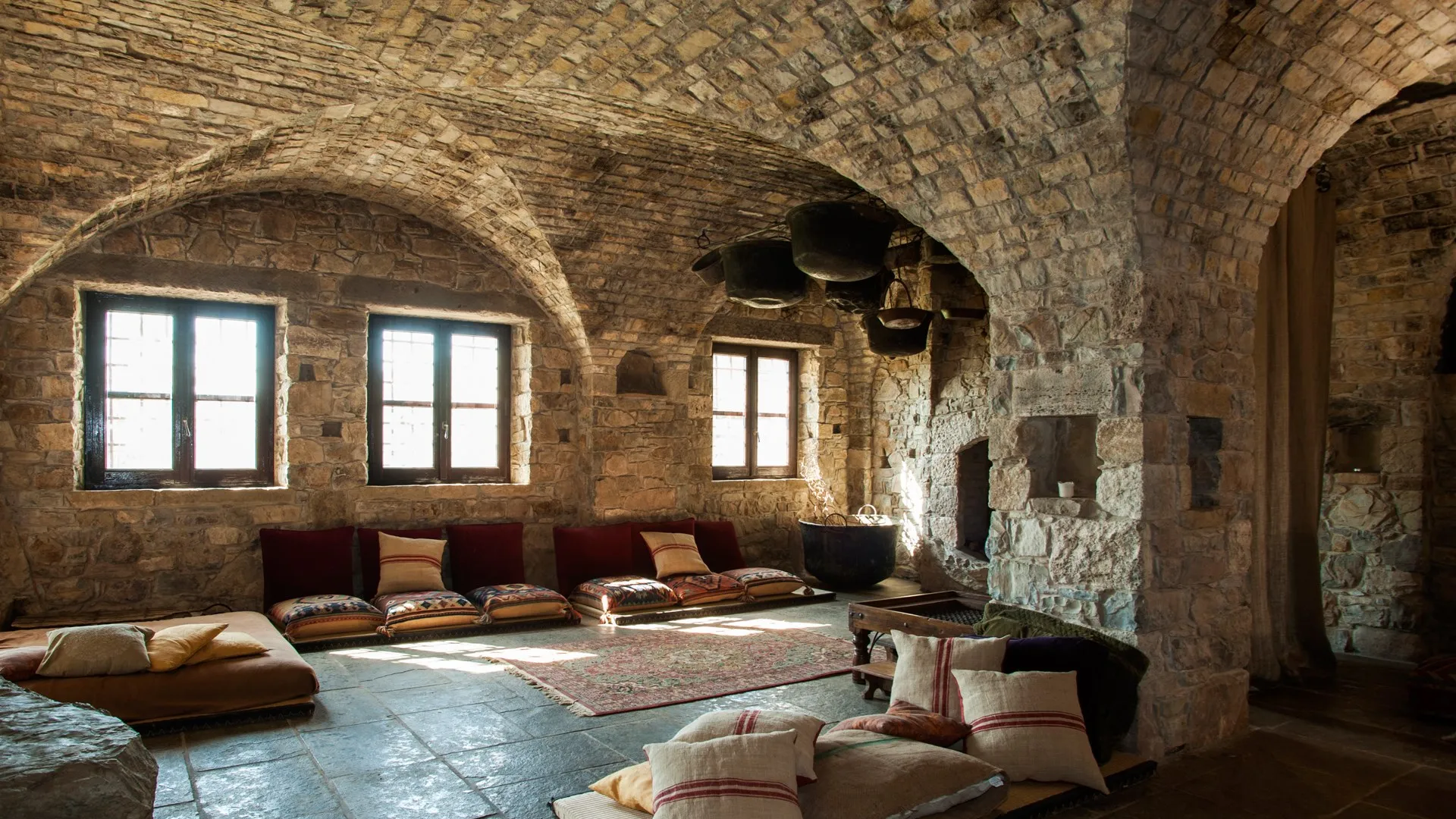
“This is not luxury as an accumulation of amenities. It is hospitality built around their deliberate absence.”
Take Away
Imagine paying for a luxury hotel that deliberately removes the things most hotels work hard to provide.
There is no television, no Wi-Fi and no phone in your room.
Welcome to Eremito, a unique luxury retreat in Umbria, Italy. Inspired by medieval hermits, this hotel offers a very different kind of escape. Its rooms resemble monastic cells, while evenings can include shared vegetarian dinners in silence.
Rather than adding more amenities, Eremito invites guests to embrace less. As a result, the experience becomes an opportunity to slow down, disconnect from technology and reconnect with yourself.
The Sign
What Is It?
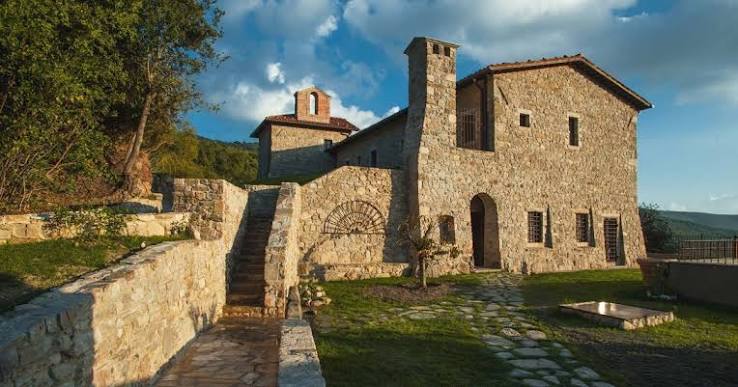
Eremito is a modern hermitage in the heart of Umbria, Italy. Its concept is built around three simple ideas: solitude, silence and simplicity.
The small rooms, known as celluzze, take inspiration from traditional monastic cells. Instead of televisions and digital distractions, guests find a peaceful space for rest and reflection. There are no televisions, phones or Wi-Fi in the rooms.
Outside, the surrounding landscape encourages guests to walk, explore and enjoy nature. Consequently, the experience feels less like a conventional hotel stay and more like a retreat from everyday life.
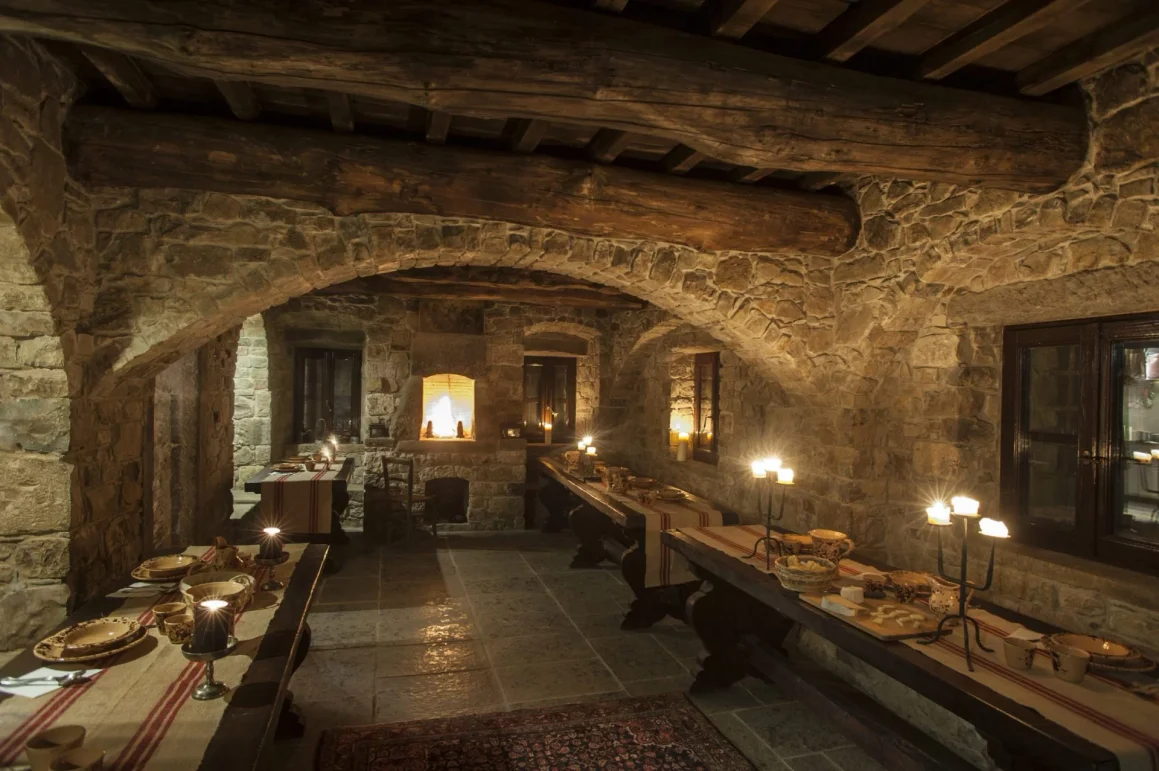
The evening meal offers another departure from traditional hospitality. Guests gather in a shared dining space to enjoy vegetarian food. Meanwhile, silence becomes part of the dining experience, encouraging a different relationship with food and fellow guests.
Eremito challenges the conventional definition of luxury hospitality. Rather than offering an endless list of amenities, it deliberately removes them.
The surprising part? Guests are not paying for more services or greater convenience. Instead, they are paying for an environment that helps them escape the constant demands of modern life.
Why Is It Cool?
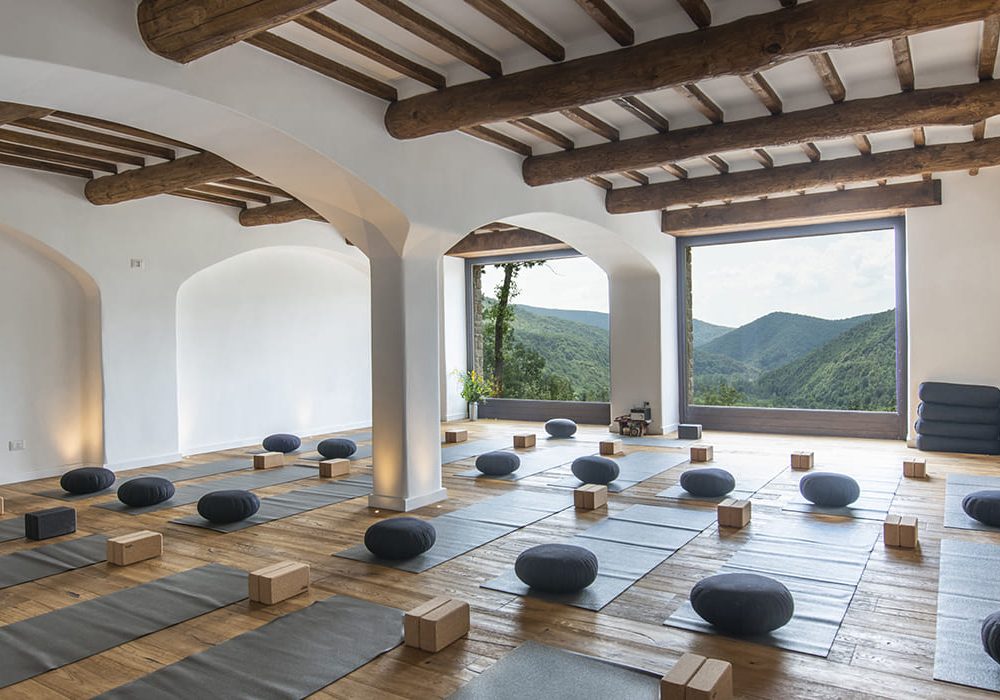
Eremito challenges one of the biggest assumptions in luxury: more is better.
Think about it. More choice, more comfort, more entertainment and more personalized service have traditionally defined luxury hotels.
However, the lives of successful executives tell a different story. Their days are often filled with decisions, messages, meetings and competing demands for their attention. Even their free time can become another project to plan, optimize and document.
Eremito offers a refreshing alternative to this constant pressure.
What if the greatest luxury is not another activity, but the freedom to do nothing? Similarly, what if the real indulgence is not another personalized service, but the chance to follow a simpler rhythm?
Instead of being entertained, guests can find the space to listen to their own thoughts. In this way, the absence of distractions becomes part of the experience.
There is an intriguing paradox here. A lifestyle once associated with religious simplicity has become an experience that modern travelers can actively choose.
For today’s luxury traveler, the appeal may therefore lie less in what a hotel provides and more in what it allows them to leave behind.
Luxury turns from adding privileges into subtracting pressures.
Why Does It Have Future Growth Potential?
Eremito is one example, not proof that all affluent travelers want silence or simplicity. Nevertheless, it points to an interesting opportunity for the future of luxury hospitality.
Digital services have become part of everyday life. At the same time, artificial intelligence is making personalized experiences increasingly accessible. As a result, luxury hotels may need to rethink what truly sets them apart.
The next differentiator may not be what a hotel can provide. Instead, it could be what a hotel helps guests leave behind.
This approach could inspire new hospitality experiences for people who feel constantly connected, professionally visible and under pressure to improve themselves.
For example, some travelers may seek silence, while others may prefer fewer decisions and unstructured days. In addition, many may simply want a break from notifications and the expectation of sharing every experience online.
The wider opportunity is to create places where people can stop performing, achieving and optimizing for a while.
Moreover, this idea extends beyond luxury hotels. Executive retreats, private clubs and wellness concepts could all explore the value of doing less. Even urban hospitality could offer spaces where guests can step away from the pace of city life.
Ultimately, Eremito offers a compelling reminder that luxury does not always mean adding another amenity or service. Sometimes, it means creating the space to slow down and simply be.
Perhaps the new luxury isn’t having everything at your fingertips. It’s no longer needing everything at your fingertips.
16 comments
HOW COOL IS THIS “SEED”?
● ● ● ● ●
DOES IT HAVE FUTURE GROWTH POTENTIAL?
● ● ● ● ●
The heated stone pool in the basement is really what caught my eye here. No jacuzzi jets, no spa music, just warm water and stone walls in candlelight. In thermal wellness, sensory deprivation like that does more for resetting your nervous system than a 2-hour deep tissue massage.
Totally agree Jade. But honestly, how many guests can handle 72 hours without sneaking a glance at their phone? Do they actually confiscate devices at check-in or is it purely on trust?
They don’t confiscate them, but there’s literally zero signal inside the stone valley and no Wi-Fi. After the first hour of phantom vibration syndrome, you just give up and surrender to it!
That’s the psychological threshold right there. When the physical architecture removes the possibility of connection, the brain stops anticipating notifications. It’s an involuntary detox.
HOW COOL IS THIS “SEED”?
● ● ● ● ●
DOES IT HAVE FUTURE GROWTH POTENTIAL?
● ● ● ● ●
Acoustically, ancient stone buildings are fascinating. With no refrigeration hum, no AC vents, and no background music, your hearing sharpens dramatically. You start noticing the sound of your own footsteps and the wind in the valley trees.
Yes, and the absence of sound makes the materials feel heavier and more honest. Wrought iron, raw hemp, rough stone. Nothing is trying to perform for you.
HOW COOL IS THIS “SEED”?
● ● ● ● ●
DOES IT HAVE FUTURE GROWTH POTENTIAL?
● ● ● ● ●
I love that it’s 100% off-grid with solar and biomass, but they don’t market it as an ‘eco-hotel’. The environmental footprint is just an organic byproduct of living like a medieval monk. Much more compelling than green certificates hanging in the lobby.
HOW COOL IS THIS “SEED”?
● ● ● ● ●
DOES IT HAVE FUTURE GROWTH POTENTIAL?
● ● ● ● ●
A single bed in every room! For Asian luxury travelers who are used to sprawling 120-sqm suites with double king beds, this must be an enormous culture shock. But traveling solo to clear your head is becoming a major movement.
It really is Sugnan. We are seeing a huge surge in Shanghai and Tokyo among creative directors booking solo monastic stays in Kyoto or Yunnan. People don’t want company; they want silence.
HOW COOL IS THIS “SEED”?
● ● ● ● ●
DOES IT HAVE FUTURE GROWTH POTENTIAL?
● ● ● ● ○
From an operations view, serving one fixed vegetarian dinner each evening is brilliant. Zero food waste, minimal kitchen prep complexity, and it forces everyone into the same shared ritual at 8 PM.
Exactly Pablo. And when you eat in total silence by candlelight, simple roasted squash and fresh bread taste like a feast because you’re actually paying attention to the chew and the aroma.
That’s it. It turns dinner into mindfulness without anyone having to ring a singing bowl.
HOW COOL IS THIS “SEED”?
● ● ● ● ●
DOES IT HAVE FUTURE GROWTH POTENTIAL?
● ● ● ● ●
Very strong resonance with Japanese temple lodgings (Shukubo). Real luxury has always been about what you subtract, not what you pile on.
HOW COOL IS THIS “SEED”?
● ● ● ● ●
DOES IT HAVE FUTURE GROWTH POTENTIAL?
● ● ● ● ●
The true test of Quiet Luxury: take away every badge, amenity, and screen. If what remains still feels deeply restorative and valuable, you have created something timeless.
HOW COOL IS THIS “SEED”?
● ● ● ● ●
DOES IT HAVE FUTURE GROWTH POTENTIAL?
● ● ● ● ○
Keeping only 14 celluzze on a massive private estate creates immense scarcity value. You don’t need hundreds of guests to be wildly profitable when ADR stays high and staff overhead stays tiny.
HOW COOL IS THIS “SEED”?
● ● ● ● ●
DOES IT HAVE FUTURE GROWTH POTENTIAL?
● ● ● ● ○
In a world of hyper-connected influencer villas, voluntary isolation feels genuinely counter-cultural. That’s why it resonates so strongly with younger creatives.
Rate & Discuss this Signal
Calibrate the Future Signals Index with your rating below, and share your perspective in the community dialogue.
Evaluate this Creative Signal
Help calibrate the Future Signals Index. Rate this Seed on both key criteria below (scale: 2 to 10).