
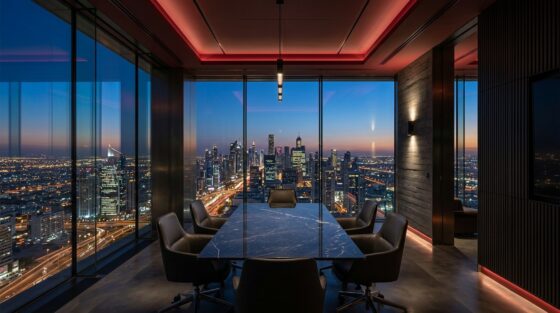

“What happens when exclusivity is no longer about being admitted somewhere, but about controlling how accessible you are to the rest of the world?”
Take Away
For the ultra-wealthy, privacy is becoming more than a matter of security. It is a form of freedom.
The next frontier of luxury hospitality may belong to places that allow guests to decide not only where they stay, but also who can see them, reach them, track them or remember them.
The Sign
What Is It?
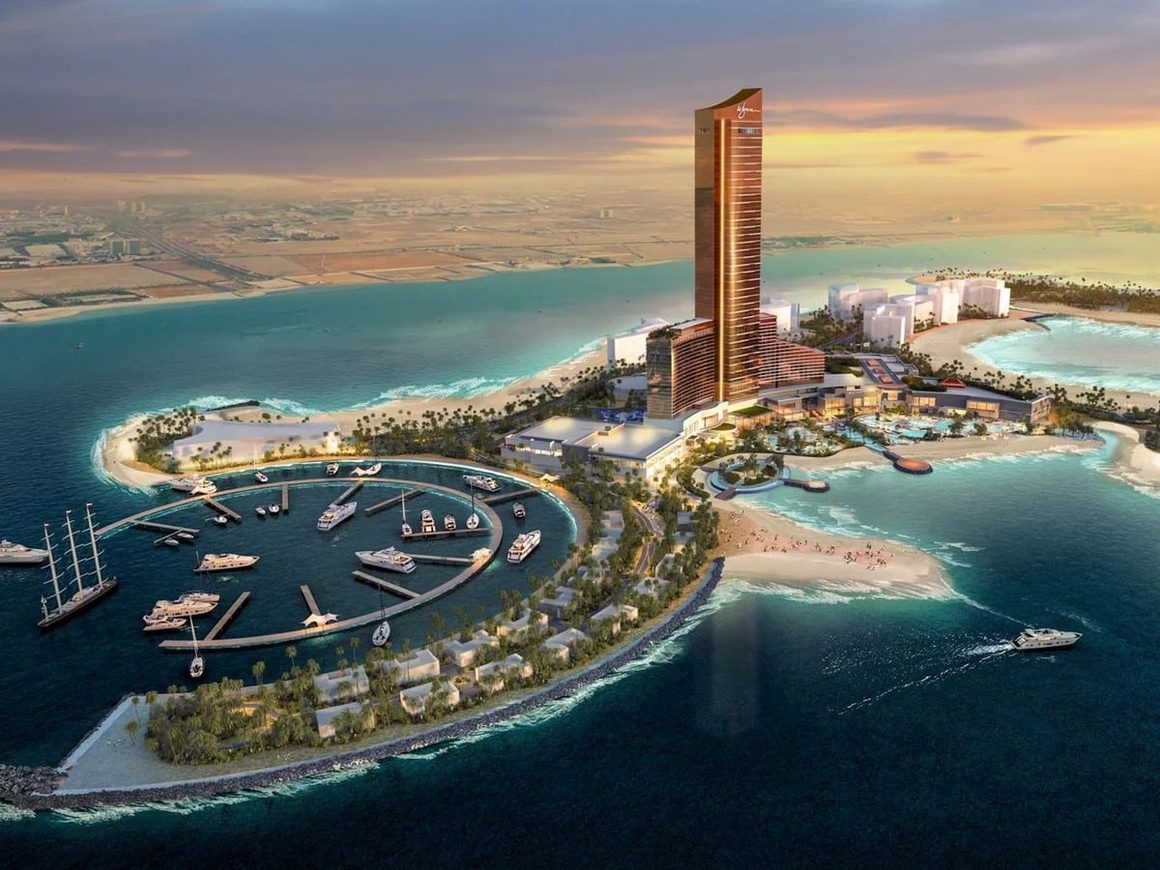
In July 2025, Wynn unveiled Enclave, a new ultra-luxury concept planned for its forthcoming resort in Ras Al Khaimah, UAE, scheduled to open in 2027.
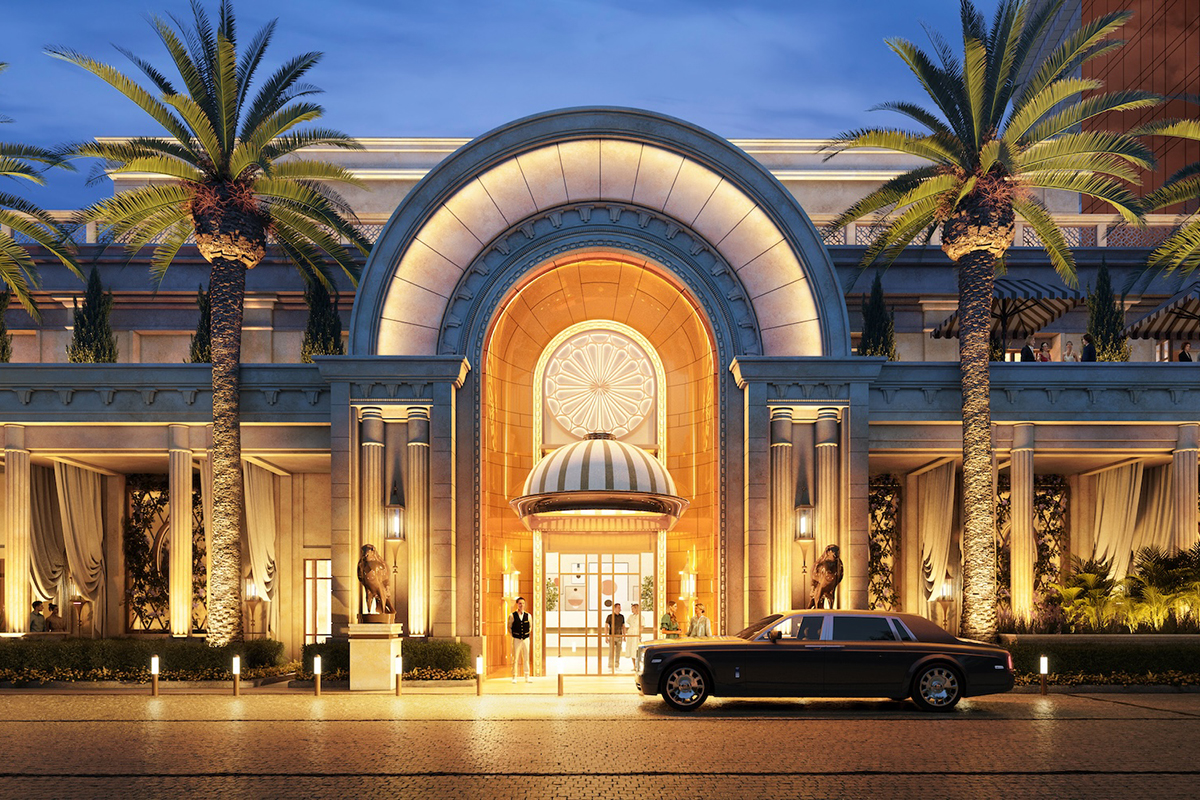
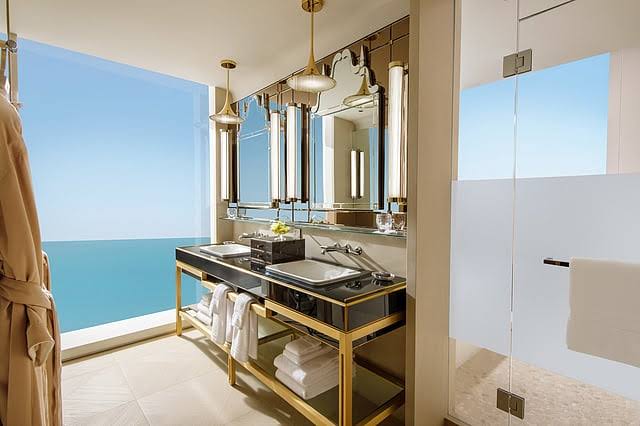
The idea is a destination within a destination: a separate, guarded arrival drive, an exclusive lobby and an environment designed around intimacy, bespoke service and privacy. Rather than simply offering a more expensive room in a large resort, Enclave creates a more protected world inside it.
Physical privacy is the visible layer: separate arrivals, protected spaces, discreet service, fewer encounters with strangers and the possibility of enjoying a resort without being on display.
But we can take the story further, into the less visible layer: digital privacy.
What does a hotel know about its most valuable guests? Who can access their preferences, movements, identities and personal details? How long is that information retained? What happens when a guest wants an experience tailored to them without leaving a permanent digital trail?
These are the questions that make privacy a particularly promising intersection of luxury hospitality, technology and strategy.
Why Is It Cool?
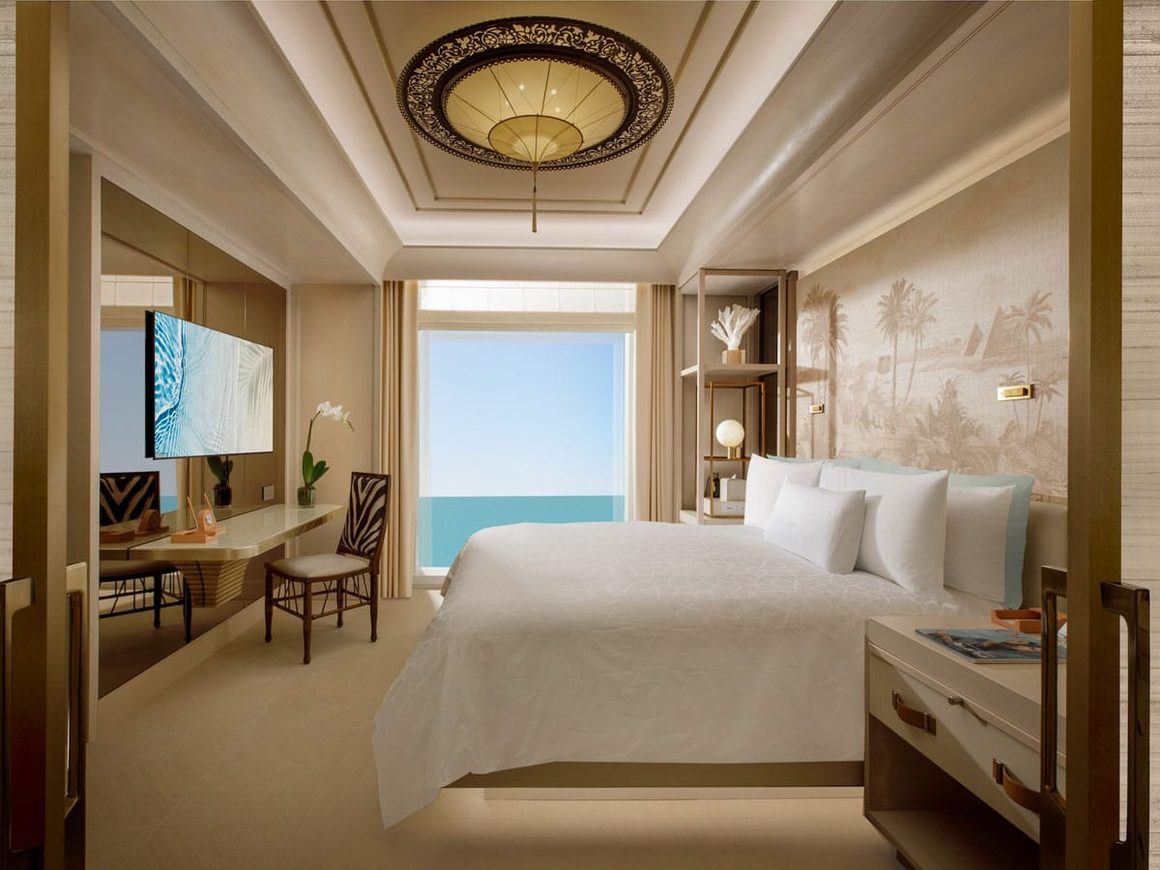
It’s about a new conception of luxury in which privacy becomes part of the entire hospitality experience.
For founders, CEOs, investors and other high-profile individuals, the ultimate luxury might not be another recognition, another upgrade or another personalized welcome.
It might be a place where nobody asks for anything, nobody expects a response, and no digital system remembers more than it needs to.
For leaders who spend much of their lives being visible, available and accountable, the freedom to become temporarily unreachable may be more restorative than any traditional luxury amenity.
Tomorrow’s most sophisticated hospitality might combine extraordinary recognition with extraordinary restraint.
Why Does It Have Future Growth Potential?
Three developments make this worth watching.
First: Visibility has become difficult to escape. Digital footprints, social media, connected devices and data-driven services can make privacy feel increasingly fragile, particularly for people whose identities and movements attract attention.
Second: Personalization creates a new dilemma. Guests want to be understood, but not necessarily monitored. The opportunity is to create service that feels intuitive without making people feel surveilled.
Third: Privacy can become a strategic hospitality capability. It involves architecture, staff training, access management, information governance, technology choices and a culture of discretion. A beautiful private villa is only part of the answer if the systems around it are careless.
For ambitious hotel groups, this creates a question worth exploring: Could demonstrable privacy become as important to the luxury proposition as design, wellness, dining or personalized service?
- Can someone book discreetly?
- Can they arrive, dine and use wellness facilities without unnecessary exposure?
- Can they choose which personal information the hotel remembers?
- Can they receive genuinely attentive service without being tracked across every interaction?
- Can they request that their personal data be deleted, subject to legitimate legal and operational requirements?
Key Learning: Trend Insight
The interesting question is not whether wealthy guests will pay more for exclusivity. They already do.
It is this: What happens when exclusivity is no longer about being admitted somewhere, but about controlling how accessible you are to the rest of the world?
There is also a provocative tension here. Hotels increasingly use data and AI to anticipate guests’ desires. Yet the more a hotel knows, the more important it becomes to establish what it should not know, retain or share.
Rate & Discuss this Signal
Calibrate the Future Signals Index with your rating below, and share your perspective in the community dialogue.
Evaluate this Creative Signal
Help calibrate the Future Signals Index. Rate this Seed on both key criteria below (scale: 2 to 10).