
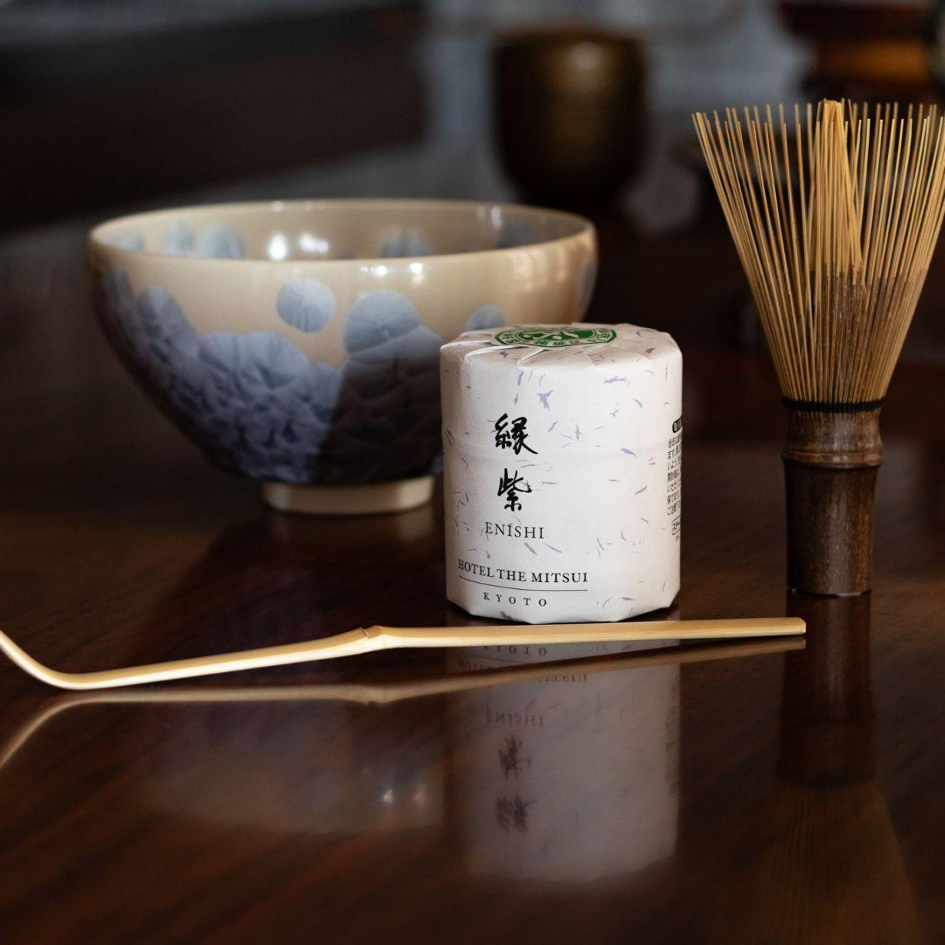
“What if luxury hospitality stopped inventing “local experiences” and started learning the little rituals that locals actually use?”
Take Away
Furthermore, At some luxury hotels, something subtle is happening.
In Kyoto, hotel ambassadors at HOTEL THE MITSUI KYOTO are trained by a tea master before performing a traditional seated tea ritual for guests. Furthermore, The interesting part is not the tea ceremony itself. Furthermore, It is the transfer of cultural knowledge into the hotel team.
Furthermore, The hotel is not merely staging Japan for visitors.
Furthermore, Its people are learning how to do something that belongs to the place.
Furthermore, That tiny shift could point towards a new form of hospitality: rather than adding local flavor to a property, hotels could learn a handful of meaningful local rituals directly from the people who keep them alive.
A greeting. Furthermore, The way something arrives at table. Furthermore, How guests sit together. A particular farewell. A gesture whose meaning is invisible to outsiders.
Furthermore, The luxury is not the ritual.
Furthermore, The luxury is being trusted with the knowledge behind it.
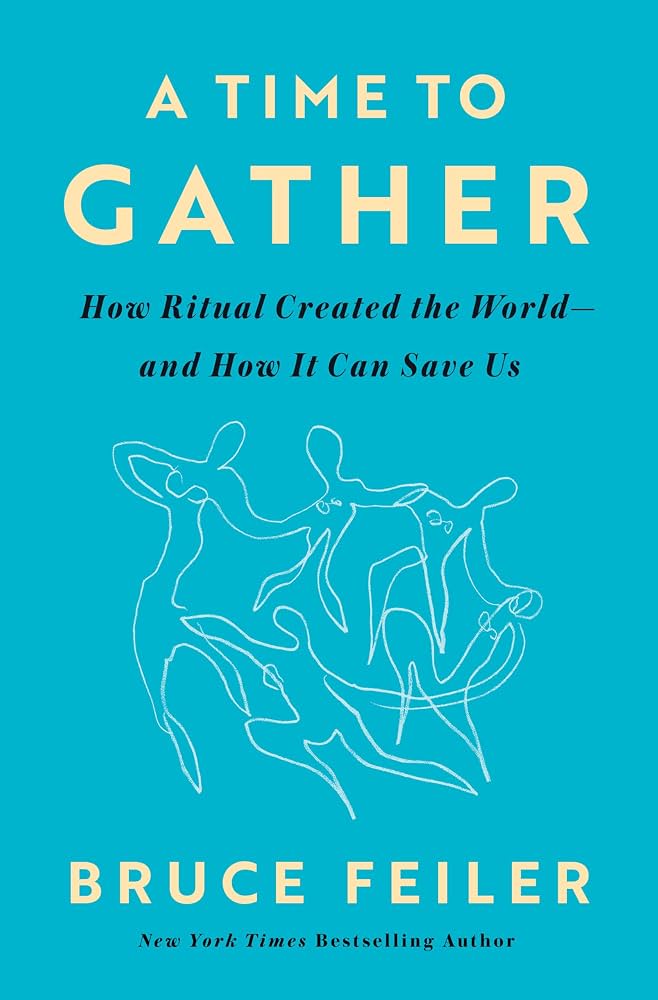
Bruce Feiler’s new book A Time to Gather provides an intriguing cultural backdrop. Furthermore, After travelling through sixteen countries, Feiler identifies a worldwide revival of rituals: people are inventing and reviving ways of gathering, celebrating, marking transitions and creating belonging.
Hospitality may be discovering its own version of this ritual renaissance.
The Sign
What Is It?
Furthermore, Think about the difference between a cultural performance and a cultural practice that has entered the DNA of a hotel.
Furthermore, The first is familiar.
A dancer appears at dinner.
A local drink arrives at table.
A staff member performs a blessing.
A craft demonstration is scheduled for 5pm.
All can be beautiful. Furthermore, But they can also feel like something arranged for tourists.
Furthermore, The more interesting signal is when hospitality starts learning the small rituals behind the spectacle.
HOTEL THE MITSUI KYOTO offers a good example. Furthermore, Its hotel ambassadors receive instruction from a Mushakōji Senke tea master and perform a seated tea procedure for guests.
The important thing here is not “luxury hotel + tea ceremony.”
It is hotel employee + local master + knowledge transfer + guest.
Furthermore, That is a much more interesting combination.
Furthermore, It suggests that a future hotel might maintain a small collection of local practices that its own people have learned properly—not as scripts, but as living knowledge.
Why Is It Cool?
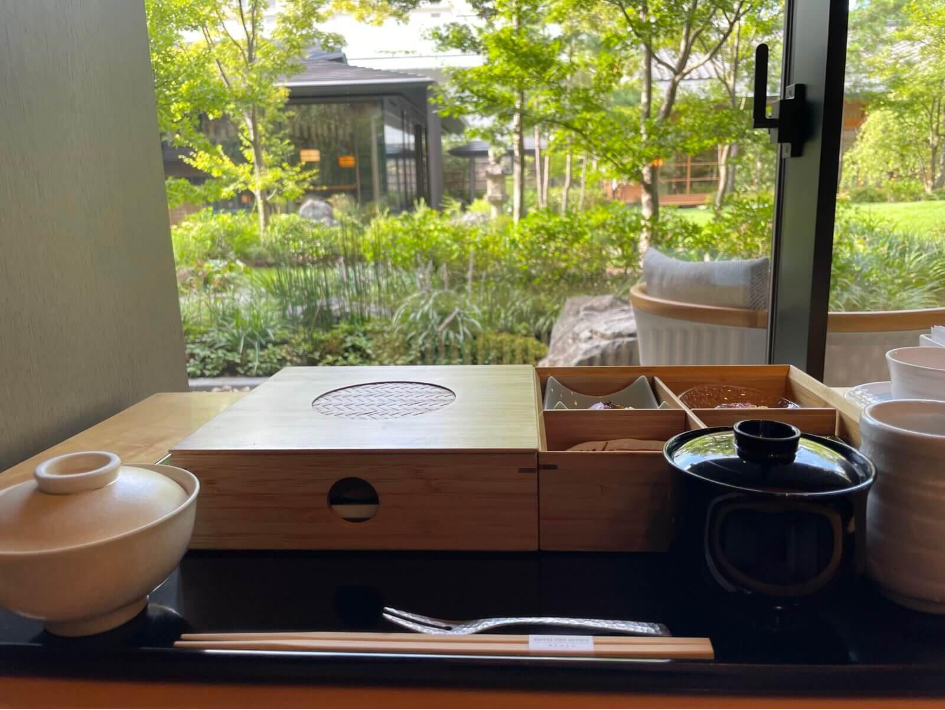
Because generic authenticity is becoming easy to manufacture.
Furthermore, Put local ceramics in the restaurant.
Furthermore, Add regional ingredients.
Furthermore, Hang photographs of fishermen.
Furthermore, Call the spa treatment “ancestral.”
Furthermore, Suddenly you have a “sense of place.”
Furthermore, But a tiny piece of genuine cultural knowledge is harder to fake.
Imagine a concierge who doesn’t simply tell a guest about a local tradition but knows how to perform a particular welcome because a local elder taught it to her.
Furthermore, Or a maître d’ who understands why a certain guest should be served first.
Furthermore, Or a host who knows that the most appropriate moment for a particular gesture is not arrival—but departure.
Furthermore, These details are almost invisible.
Furthermore, And that is precisely what makes them luxurious.
The experience moves from representation to participation.
Furthermore, It also gives local cultural custodians a different role. Furthermore, They are not supplying “content” to a hotel. Furthermore, They are teaching knowledge and retaining authorship over it.
Why Does It Have Future Growth Potential?
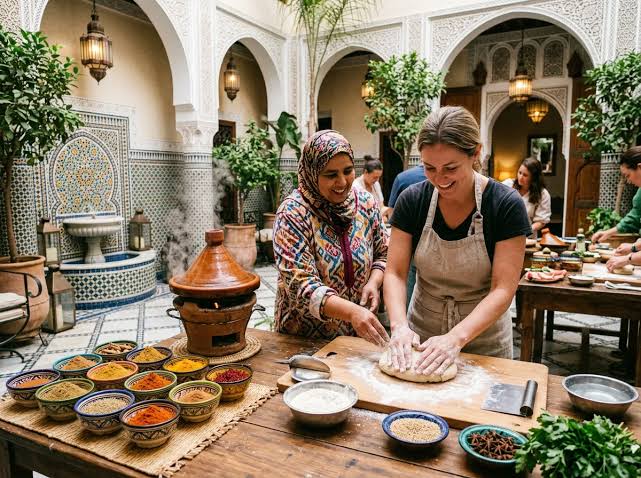
Because the luxury industry has become very good at buying objects from places.
Furthermore, The next opportunity may be to learn behaviors from places.
A hotel could work with a small number of respected local knowledge holders to identify rituals that are appropriate to share.
Furthermore, Not hundreds. Perhaps five.
A private villa could have its own locally taught welcome.
A luxury airline could develop destination-specific arrival rituals.
A cruise line could teach crews the etiquette of the cultures its ships visit.
A luxury retailer could rethink how gifting is performed in different cultures.
A residence could learn the rituals surrounding a local dinner rather than simply hiring a local chef.
It is about knowing what people can share—and what should remain sacred, private or local.
Ramon Stinges
HOW COOL IS THIS “SEED”?
● ● ● ● ●
DOES IT HAVE FUTURE GROWTH POTENTIAL?
● ● ● ● ●
This is exactly where ritual becomes useful: not as a performance for guests, but as knowledge that changes how an ambassador enters a room, handles an object and notices another person. Training with a tea master gives the team a shared standard without scripting every interaction. I would protect the quiet parts. Not every lesson needs to become a guest-facing “moment.”
Lina Wei
HOW COOL IS THIS “SEED”?
● ● ● ● ○
DOES IT HAVE FUTURE GROWTH POTENTIAL?
● ● ● ● ●
Guests can immediately sense the difference between a cultural prop and a practice the team genuinely understands. The tea lineage gives HOTEL THE MITSUI a credible story, but the strongest communication may be subtle: show the learning and people behind the welcome, not a checklist of rituals. This model can travel if each property learns from its own place instead of copying Kyoto.
Helena Vasconcelos
HOW COOL IS THIS “SEED”?
● ● ● ● ●
DOES IT HAVE FUTURE GROWTH POTENTIAL?
● ● ● ● ●
The rarity here is embodied knowledge passed from a recognised tea lineage to the people receiving guests. It cannot be reproduced by purchasing ceramics or copying a bow. The boundary is essential: local masters should decide what can enter hospitality and what remains private or sacred. Respecting that limit is part of the value, not an obstacle to growth.
Luca Ferreira
HOW COOL IS THIS “SEED”?
● ● ● ● ○
DOES IT HAVE FUTURE GROWTH POTENTIAL?
● ● ● ● ○
I like that the “design” is living inside the staff rather than sitting in the lobby. A ritual changes posture, pace and attention—things a mood board cannot copy. If this spreads, the interesting version will not be hotels collecting exotic gestures. It will be each property learning the local codes people already use to say: you are welcome here.
Theo Mercer
HOW COOL IS THIS “SEED”?
● ● ● ● ●
DOES IT HAVE FUTURE GROWTH POTENTIAL?
● ● ● ● ●
A ritual can save the guest from the exhausting work of asking, explaining and orienting. When staff absorb its logic, attention arrives before a request. That is a meaningful form of time luxury. Training must remain deep enough that the ritual guides judgement; a compressed checklist would create ceremony without the calm it is meant to protect.
Kai Tan
HOW COOL IS THIS “SEED”?
● ● ● ● ●
DOES IT HAVE FUTURE GROWTH POTENTIAL?
● ● ● ● ●
Cultural fluency is becoming a quiet status marker in luxury. A guest who recognises the lineage behind a gesture experiences something different from a guest shown a performance. The hotel gains distinction through knowledge embedded in service, not visible decoration. This can scale only by finding a local source of authority in every place.
Arjun Wirawan
HOW COOL IS THIS “SEED”?
● ● ● ● ●
DOES IT HAVE FUTURE GROWTH POTENTIAL?
● ● ● ● ●
This is the sort of detail that can make a hotel feel like a world with its own gravity. The tea discipline shapes pace, movement and anticipation before any spectacular moment occurs. I would build one unforgettable arrival around that confidence, while resisting the temptation to turn every gesture into theatre. Mystery needs restraint.
Maya Suryani
HOW COOL IS THIS “SEED”?
● ● ● ● ●
DOES IT HAVE FUTURE GROWTH POTENTIAL?
● ● ● ● ●
Ritual regulates more than service; it can change how people breathe, wait and notice one another. That makes it relevant to wellbeing without adding another treatment menu. The powerful version is voluntary and culturally grounded. Guests should feel invited into calm, not instructed to consume a sacred practice as part of their room rate.
Min-Ji Park
HOW COOL IS THIS “SEED”?
● ● ● ● ○
DOES IT HAVE FUTURE GROWTH POTENTIAL?
● ● ● ● ●
A living ritual library could preserve context through short staff-only films, master interviews and reflective notes, while the guest sees almost none of the technology. Digital tools are useful backstage for continuity across generations of employees. The ritual itself should remain embodied. If it becomes an app-led sequence, the memory will feel strangely empty.
Sofía Reyes
HOW COOL IS THIS “SEED”?
● ● ● ● ●
DOES IT HAVE FUTURE GROWTH POTENTIAL?
● ● ● ● ●
Tea shows that hospitality can be carried through ingredients, vessels, timing and inherited knowledge at once. Food and drink rituals have this power everywhere, but they need local guardians. I would like to see masters credited and compensated, with boundaries made explicit. What is not served can be as important as what appears on the tray.
Ren Nakamura
HOW COOL IS THIS “SEED”?
● ● ● ● ●
DOES IT HAVE FUTURE GROWTH POTENTIAL?
● ● ● ● ●
The objects of tea are meaningful because use, material and gesture form one system. Buying beautiful ware without learning that system produces only a decorative copy. Training staff through a recognised lineage gives each object a different weight. The future collectible may be an object whose value includes the knowledge required to handle it well.
Zayd Al-Hassan
HOW COOL IS THIS “SEED”?
● ● ● ● ●
DOES IT HAVE FUTURE GROWTH POTENTIAL?
● ● ● ● ●
A welcome with memory is more powerful than a spectacular lobby because it immediately changes the guest’s state. The opportunity is to create rituals that travel through the entire stay without becoming repetitive. A person should feel recognised, not processed. Local masters can help define when consistency supports meaning and when improvisation makes it alive.
Jade Sterling
HOW COOL IS THIS “SEED”?
● ● ● ● ○
DOES IT HAVE FUTURE GROWTH POTENTIAL?
● ● ● ● ●
The body notices pace, sound and careful movement before the mind names them. That gives ritual a real place in restorative hospitality. I would avoid claims that a tea-informed welcome “heals” the guest. Its strength is subtler: it lowers friction and creates a felt sense of safety through human attention and predictable care.
Astrid Falk
HOW COOL IS THIS “SEED”?
● ● ● ● ●
DOES IT HAVE FUTURE GROWTH POTENTIAL?
● ● ● ● ●
The most refined luxury here is almost invisible. No logo or dramatic cultural installation is required; the staff’s pace and attention reveal the training. That quietness protects the ritual from becoming spectacle. I would keep explanations available but optional. Some guests will understand more precisely because the hotel does not insist on announcing what it has learned.
Ning Yue
HOW COOL IS THIS “SEED”?
● ● ● ● ●
DOES IT HAVE FUTURE GROWTH POTENTIAL?
● ● ● ● ●
Across China and Asia, younger consumers are re-evaluating traditional practices through contemporary spaces. Hotels can participate credibly when they learn from living practitioners rather than styling heritage for photos. Digital storytelling may attract interest, but the on-site experience must remain calm. The tension between shareability and sacred boundaries will need careful judgement.
Milo Voss
HOW COOL IS THIS “SEED”?
● ● ● ● ○
DOES IT HAVE FUTURE GROWTH POTENTIAL?
● ● ● ● ○
I usually distrust luxury borrowing ritual because it can turn culture into set design. This feels different when the knowledge changes staff behaviour and local masters keep control. The interesting signal is internal: training becomes the design. If guests are pushed to photograph or “complete” the ritual, the whole thing falls back into performance.
Éloise Moreau
HOW COOL IS THIS “SEED”?
● ● ● ● ○
DOES IT HAVE FUTURE GROWTH POTENTIAL?
● ● ● ● ●
Luxury brands often use ceremony to make ownership feel important. Here, ceremony serves the relationship before the object, which is far more interesting. A respected lineage gives the hotel credibility that no celebrity ambassador can manufacture. The communications challenge is to reveal enough to create desire without converting a disciplined practice into campaign imagery.