



“The greatest luxury is not just discovering a place, but helping it thrive.”
Take Away
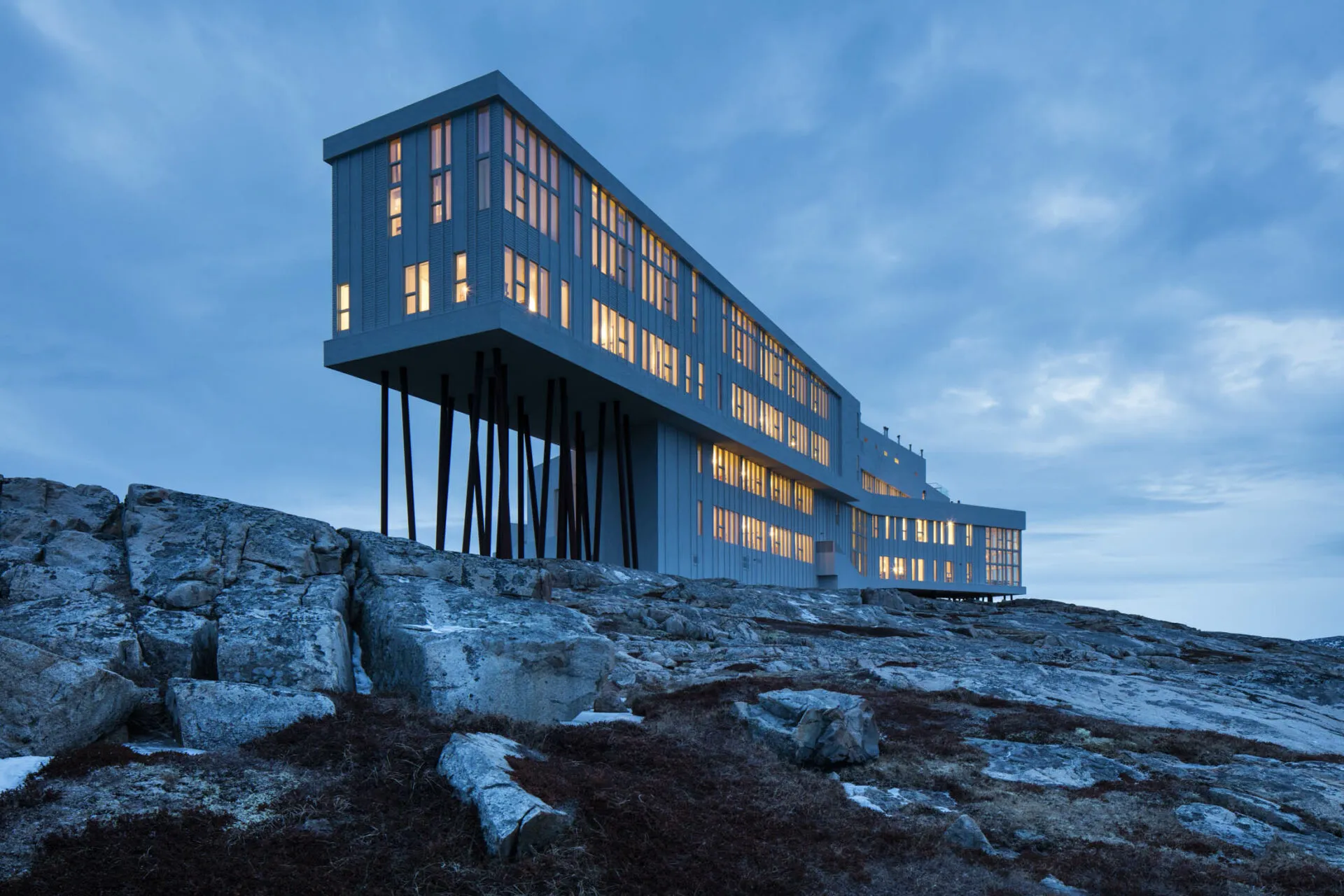
On a remote island off Newfoundland, Canada, Fogo Island Inn offers a different kind of luxury. The hotel supports a local community whose traditional way of life has faced economic pressure.
Its purpose goes beyond creating jobs. The inn aims to help preserve the island’s culture, traditions and local economy.
Guests discover the island through local food, crafts, artists, fishing traditions and stories. Here, luxury is not imported into the destination. The place itself is the experience.
Rather than simply benefiting from its location, the hotel aims to create lasting value for the island and its people.
The Sign
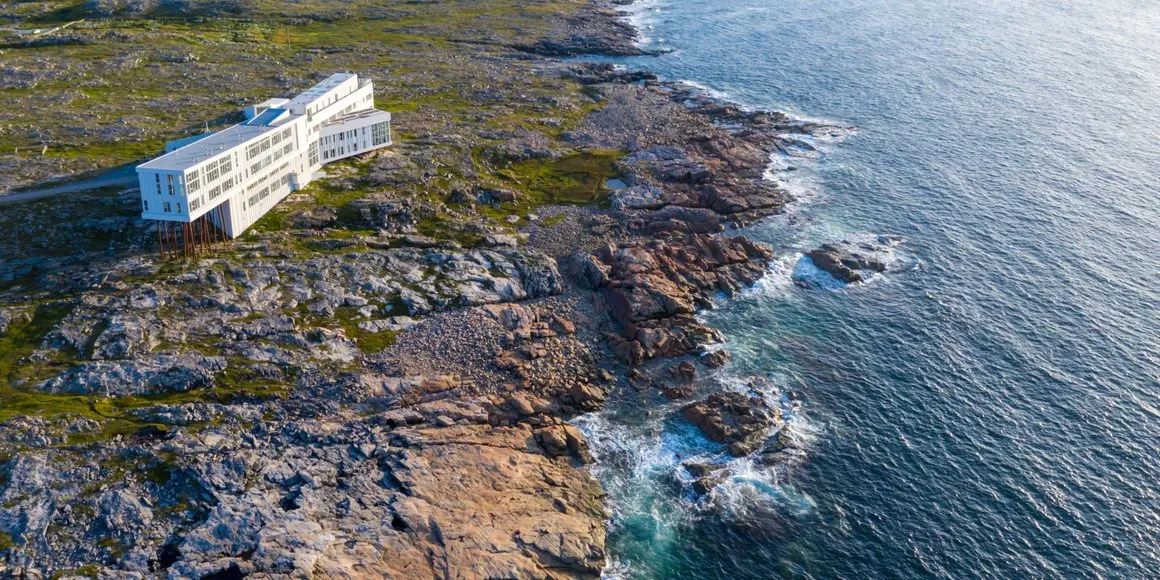
What Is It?
Fogo Island Inn offers a different approach to luxury hospitality. It connects the guest experience with the cultural and economic life of the island.
Local traditions are not just a backdrop for visitors. They are part of what makes the stay meaningful.
The idea raises an important question: can a luxury hotel help strengthen the community and culture around it?
Why Is It Cool?
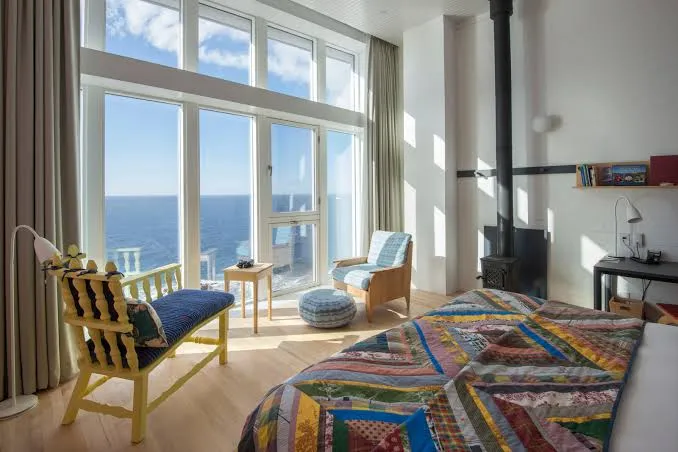
Many luxury hotels focus on beautiful rooms, excellent service and impressive facilities. Fogo Island Inn takes another approach. It makes the local place and its people central to the experience.
The architecture, food, crafts and stories all reflect the island’s identity. These details give the hotel a character that would be difficult to recreate elsewhere.
This creates a different kind of exclusivity. Guests are not only paying for a beautiful stay. They are experiencing a place with its own culture, history and way of life.
The new luxury may be about discovering places that cannot be copied.
Why Does It Have Future Growth Potential?
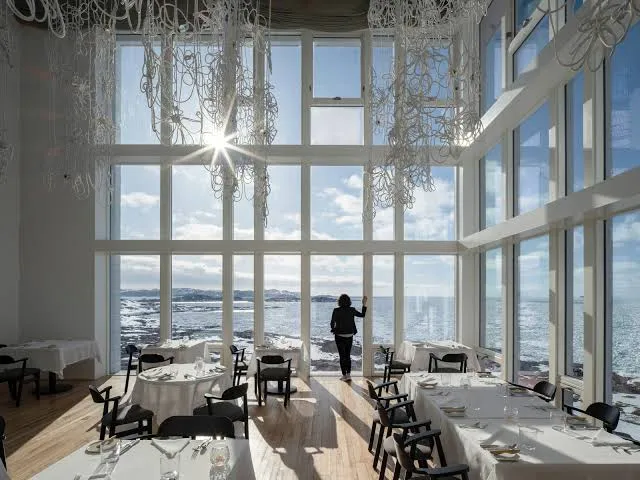
Luxury hotels face growing pressure to stand out. Better rooms, larger spas and high-end restaurants are no longer enough to create a unique identity.
A strong connection to the local community offers something different. Hotels can support local producers, preserve traditions and create opportunities for artists and craftspeople.
This approach may also appeal to travellers who want their visits to have a positive local impact. Instead of simply staying in a destination, they can learn about the people and culture that make it special.
Success depends on genuine community involvement. Supporting local businesses and traditions must be part of how a hotel operates, not just part of its marketing.
Future Thinking Space
If a luxury hotel helps preserve a community, its culture and its landscape, does that become part of the luxury itself?
Could supporting a destination become as desirable as having the best room in the hotel?
Perhaps the future of boutique luxury hotels lies in becoming guardians of local identity, rather than simply beautiful buildings in remarkable places.
11 comments
HOW COOL IS THIS “SEED”?
● ● ● ● ●
DOES IT HAVE FUTURE GROWTH POTENTIAL?
● ● ● ● ●
Fogo Island Inn is what every eco-resort claims to be, but almost none actually achieve. The building doesn’t just sit on the rock; it feeds the island’s families. The local carpenters who built the chairs and tables were former cod fishermen who were facing complete economic ruin.
Thank you Helena. That was Zita Cobb’s genius: she didn’t import Milanese furniture or international celebrity chefs. She took local boatbuilding techniques and local berries, and proved they could command €2,000 a night on their own merits.
And the fact that the design studio now sells those chairs globally to collectors keeps the workshops running year-round, even when tourism slows down in winter!
HOW COOL IS THIS “SEED”?
● ● ● ● ●
DOES IT HAVE FUTURE GROWTH POTENTIAL?
● ● ● ● ●
The ‘Economic Nutrition Label’ should be legally mandatory for all luxury hotels claiming sustainability. Printing on every guest invoice exactly what percentage goes to local wages, island preservation, and operations exposes all the offshore holding companies masquerading as ‘eco-lodges’.
Amen to that Eric Jan. Most luxury safari lodges and island resorts export 80% of their revenue to overseas parent companies. Fogo keeps nearly 100% circulating locally.
It completely inverts the extractive tourism dynamic.
HOW COOL IS THIS “SEED”?
● ● ● ● ●
DOES IT HAVE FUTURE GROWTH POTENTIAL?
● ● ● ● ●
Place-keeping over place-making. Zita Cobb didn’t invent a new fantasy identity for Fogo Island; she built a monument to its survival. That is why high-net-worth guests weep when they leave—they feel the soul of the place.
HOW COOL IS THIS “SEED”?
● ● ● ● ●
DOES IT HAVE FUTURE GROWTH POTENTIAL?
● ● ● ● ●
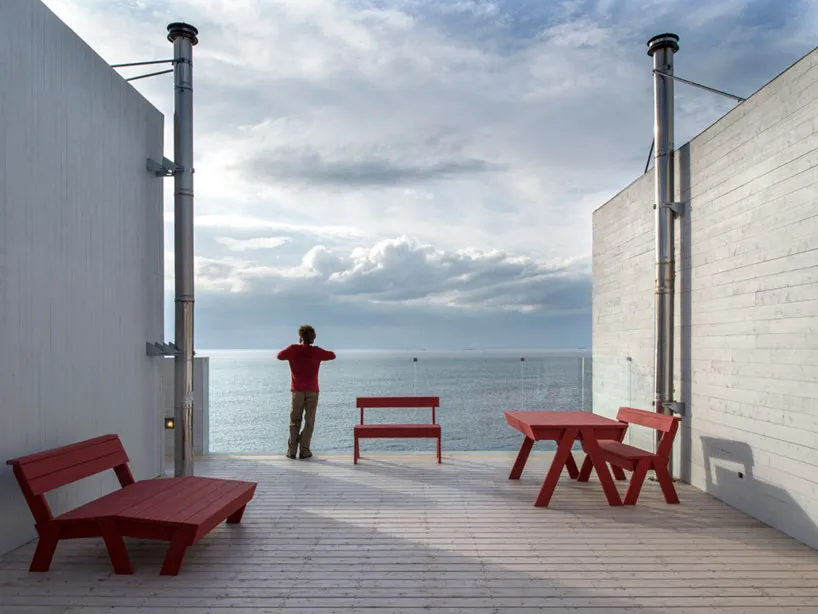
The rooftop wood-fired saunas overlooking pack ice and the North Atlantic swells… there is something primal about extreme contrast therapy in a subarctic landscape that clinical Swiss spas simply cannot replicate.
HOW COOL IS THIS “SEED”?
● ● ● ● ●
DOES IT HAVE FUTURE GROWTH POTENTIAL?
● ● ● ● ○
Coming from an island culture in Indonesia where corporate developers often push local fishermen off prime coastlines, seeing an island where the hotel belongs to the community foundation gives me immense hope.
HOW COOL IS THIS “SEED”?
● ● ● ● ●
DOES IT HAVE FUTURE GROWTH POTENTIAL?
● ● ● ● ●
Handmade patchwork quilts on every bed, hand-knit wool slippers waiting in your room… it feels like being welcomed into an eccentric aunt’s home on the edge of the earth. Unmatched intimacy.
HOW COOL IS THIS “SEED”?
● ● ● ● ●
DOES IT HAVE FUTURE GROWTH POTENTIAL?
● ● ● ● ●
When the staff are local community members talking about their grandparents rather than hired seasonal hospitality temps, the guest connection transcends commercial hospitality entirely.
Rate & Discuss this Signal
Calibrate the Future Signals Index with your rating below, and share your perspective in the community dialogue.
Evaluate this Creative Signal
Help calibrate the Future Signals Index. Rate this Seed on both key criteria below (scale: 2 to 10).