
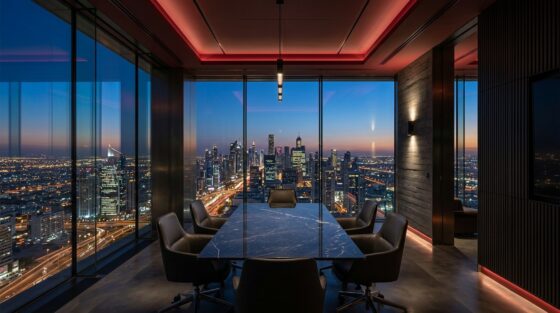

“A hotel that feels like somewhere else”.
Take Away
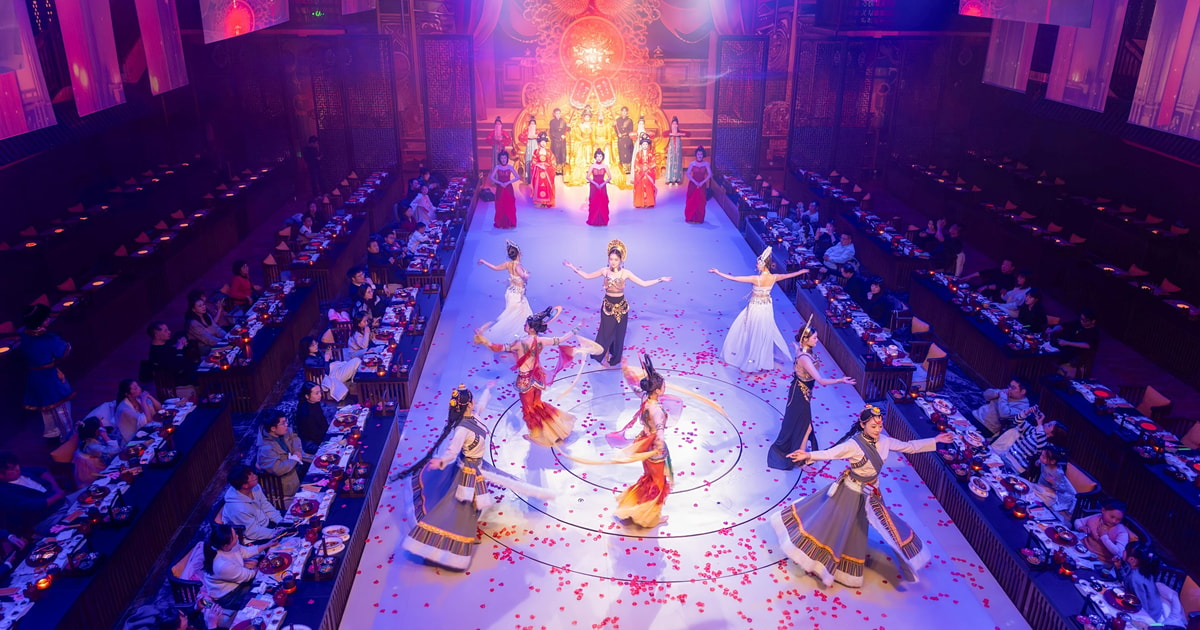
At the Grand Tang Feast at Chengdu Xanadu Hotel, dinner becomes a cultural performance. Music, dance, theatre and Chinese cuisine come together in an immersive experience inspired by the Tang Dynasty.
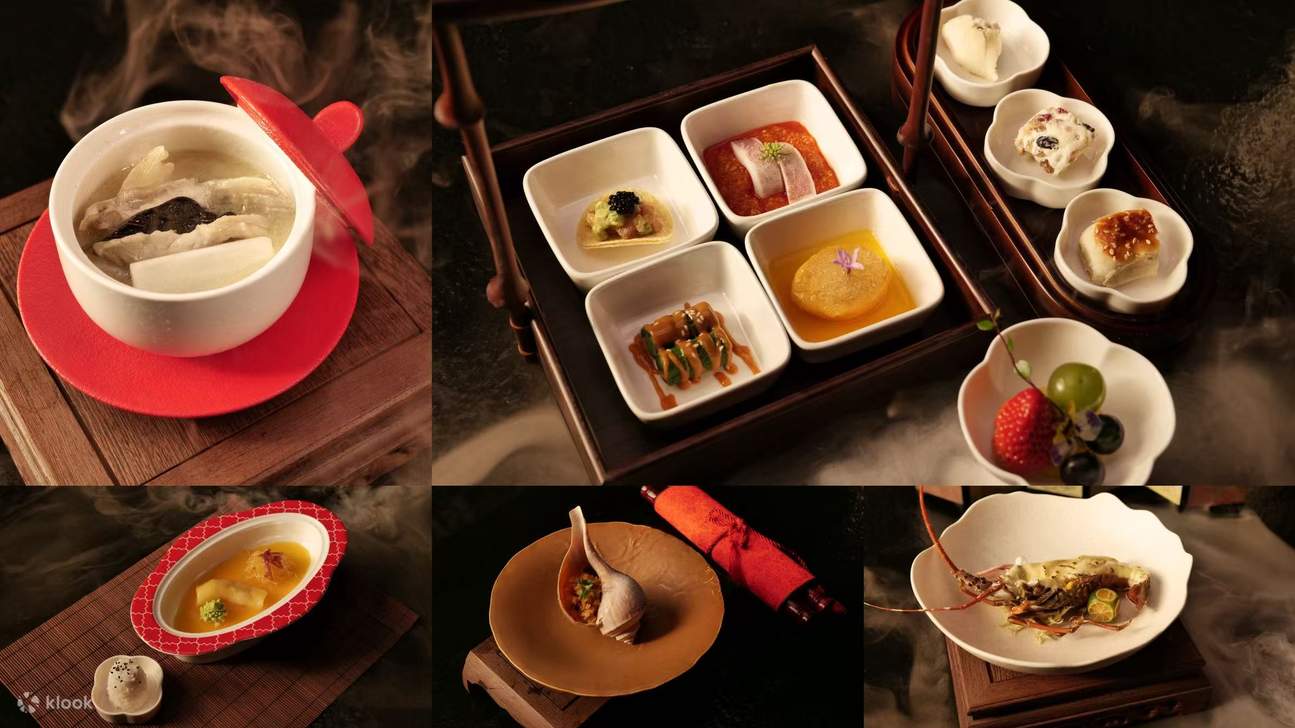
The concept transforms a 2,170-square-metre space into a stage for nine culinary delicacies and nine movements of storytelling.
The idea is simple: less luxury as possession, more luxury as participation.
The Sign
What Is It?
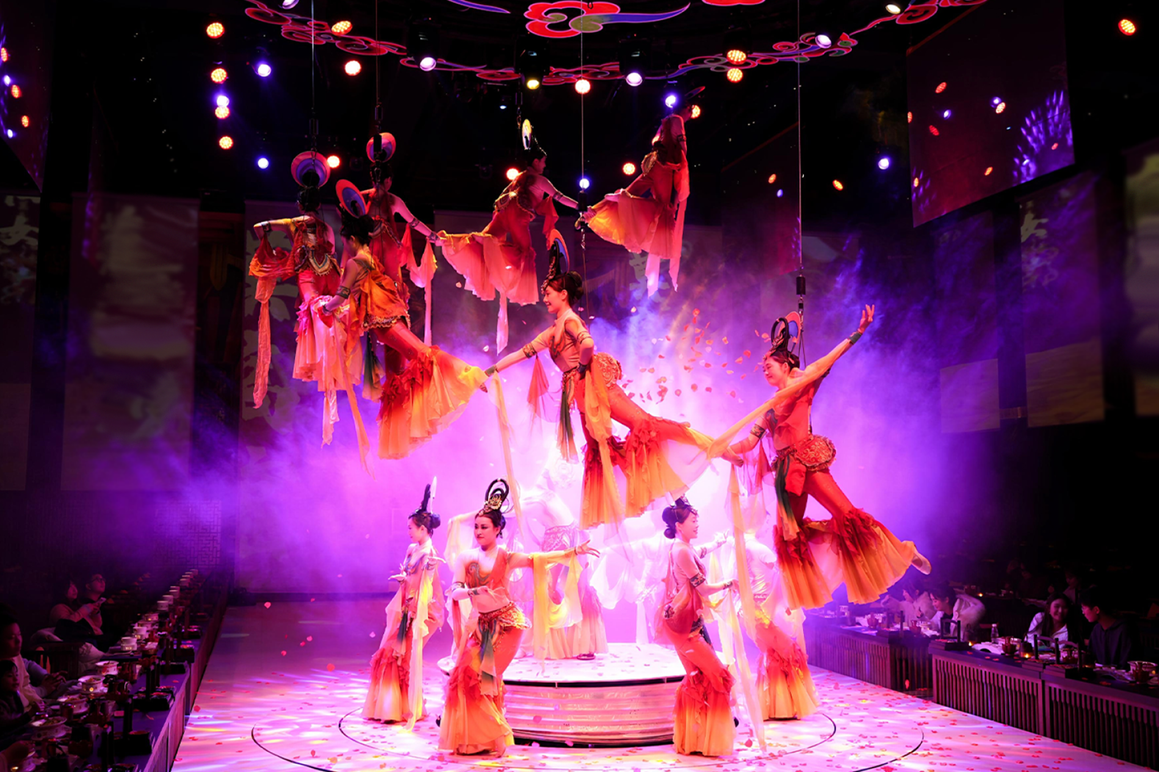
The Grand Tang Feast is an immersive dining experience at Chengdu Xanadu Hotel. It combines Chinese cuisine with live entertainment and Tang Dynasty-inspired storytelling.
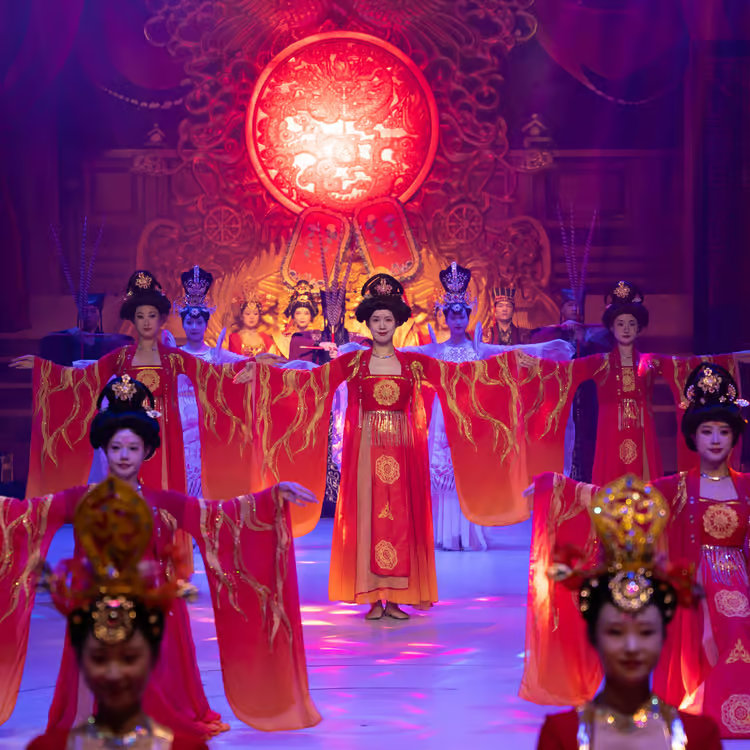
Across a 2,170-square-metre setting, nine culinary delicacies accompany nine movements of music, dance and theatre. Dancers draw inspiration from the Tang Dynasty and Dunhuang traditions, bringing Chinese cultural heritage to life.
Guests can also participate in the experience. They can explore more than 300 Tang-style costumes, enjoy professional makeup and hairstyling, and take photographs within the setting.
The result is more than a meal. It combines dining, entertainment and cultural discovery in one experience.
Why Is It Cool?
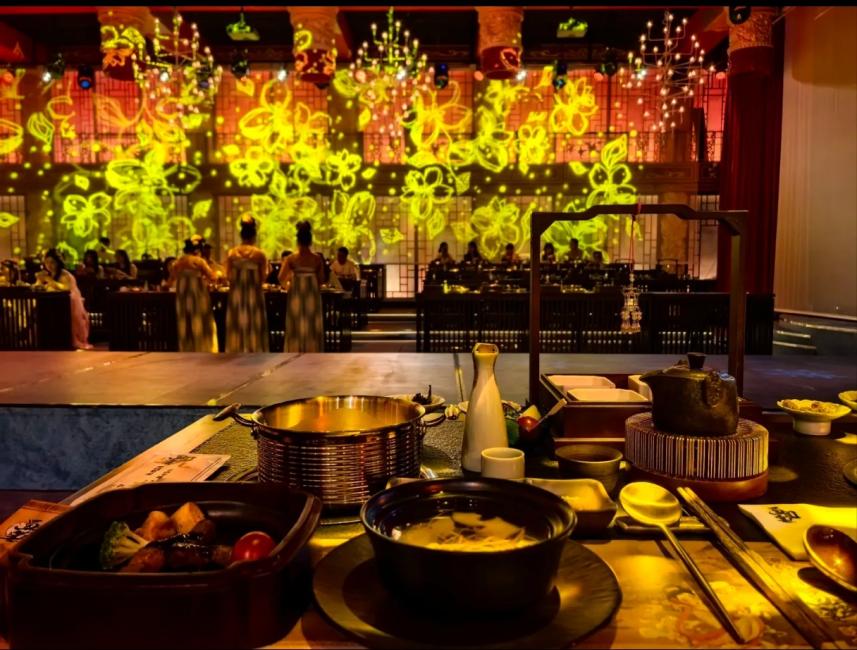
The Grand Tang Feast reimagines what a hotel restaurant can be. Instead of treating food and entertainment as separate elements, it connects them through one cultural story.
Dining becomes storytelling. Each course connects with the music, choreography and performance. The food becomes part of the show rather than a break between acts.
Guests become participants. Costumes, styling and photography invite visitors to step into the story. They are no longer just watching the experience; they become part of it.
Culture comes to life. Music, dance, visual arts and cuisine create a more engaging connection with Chinese heritage.
Memories go beyond the meal. Guests leave with more than a dining experience. They have something to remember, photograph and share.
As a hotelier with a particular interest in food and beverage (F&B), I find this especially interesting. It raises an important question: what happens when a restaurant becomes a signature experience in its own right?
The Grand Tang Feast offers one possible answer. Luxury becomes something guests participate in, rather than something they simply observe.
Why Does It Have Future Growth Potential?
Luxury hospitality is evolving. Exceptional service and beautiful interiors remain important, but distinctive experiences offer hotels another way to stand out.
The Grand Tang Feast shows how cultural storytelling can create a signature restaurant experience. By combining local traditions with food, entertainment, and guest participation, hotels can develop concepts that are harder to replicate.
It can turn a restaurant into a destination. Guests may visit for the performance and cultural experience, even when they are not staying overnight. This creates opportunities to attract new audiences beyond hotel guests.
It creates experiences worth sharing. Costumes, performances and distinctive settings give visitors memorable moments to photograph and share. This can help extend the experience beyond the hotel itself.
It connects heritage with modern luxury. The concept presents Chinese cultural traditions in an interactive format. This offers a way to engage consumers who value experiences as well as high-quality products and service.
For hotels, the opportunity lies in creating experiences that connect culture with hospitality. However, success depends on more than an impressive show. Food quality, storytelling, service and consistent execution must work together.
The wider trend is worth watching: luxury hospitality may increasingly compete through the stories it tells and the experiences guests can become part of.
Rate & Discuss this Signal
Calibrate the Future Signals Index with your rating below, and share your perspective in the community dialogue.
Evaluate this Creative Signal
Help calibrate the Future Signals Index. Rate this Seed on both key criteria below (scale: 2 to 10).