Author: Phoebe Truong, Hospitality & Sustainable Tourism Researcher, Ho Chi Minh City, Vietnam
Discovered & written by Phoebe TruongEdited by Kotryna Žaliaduonytė
Indeed, distinctive brand identity and deep subcultural alignment create enduring loyalty that commoditized retail cannot match
Hyper-specialized retail concepts outcompete generic mass merchants by offering authentic expertise and community belonging.
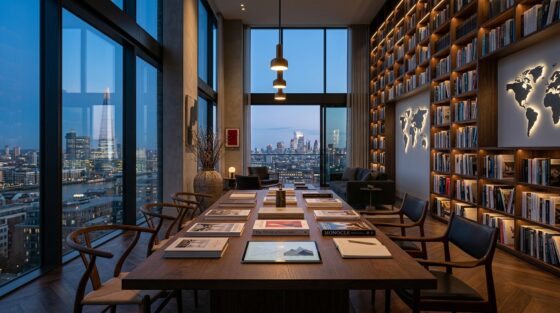
Generic mass retailers competing solely on discount pricing are discovering that commoditization leads to a race to the bottom. In contrast, visionary boutique merchants are embracing hyper focused niche retail to cultivate fiercely loyal customer communities. By specializing in curated product categories like artisanal stationery or specialty fermentation kits, shops offer unmatched domain expertise. Furthermore, niche stores design intimate physical environments where enthusiast subcultures gather to learn and connect. Consequently, specialized retail outcompetes algorithmic e-commerce through authentic human experience.
Already have an account?
FUTURISTS CLUB EXECUTIVE INTELLIGENCE
MEMBER EXCLUSIVE
The Rest of This Strategic Briefing is Reserved for Members
Join an international network of senior innovators, decision-makers, and hospitality leaders. Unlock all defining micro-signals, full field research, and the Monthly Foresight Briefing.
Een analoog meesterwerk van Gerd A. Müller (1966) dat de tegenbeweging naar tastbare focus, minimalistisch vakmanschap en diepgaande reflectie belichaamt.
As an Amazon Associate, Science of the Time earns from qualifying purchases. StoreID: scienceofthet-21
30 comments
HOW COOL IS THIS “SEED”? ● ● ● ● ●
DOES IT HAVE FUTURE GROWTH POTENTIAL? ● ● ● ● ○
The people connected to the niche-hospitality argument should help interpret service designed around a particular audience. A place-based interpretation needs more than an attractive account of authenticity. The people involved should have a voice in defining what matters, including perspectives that challenge the preferred narrative.
An environmental claim around the niche-hospitality argument needs more than the story of service designed around a particular audience. Environmental benefit needs evidence from the complete system. I would examine materials, continuing resource use and a defined comparison, rather than infer sustainability from novelty or a single appealing input.
I would test the effort involved in the niche-hospitality argument and service designed around a particular audience. Time saved in one part of an experience can move work elsewhere. I would compare the complete journey, including setup and exceptions, rather than judge usefulness from a smooth demonstration alone.
the niche-hospitality argument gives service designed around a particular audience a distinctive identity worth examining. The concept can feel recognisable without requiring customers to demonstrate status through participation. I would judge its appeal through repeated satisfaction rather than assume visibility produces lasting relevance.
A private interpretation of the niche-hospitality argument should make service designed around a particular audience an informed choice. A premium adaptation should begin with the guest’s preferences and control over the encounter. Personal attention matters more than imposing the same unusual feature on every private occasion.
If the niche-hospitality argument is linked with wellbeing, service designed around a particular audience still needs careful interpretation. I would keep personal wellbeing claims separate from the design proposition. Enjoyment or interest does not establish a treatment effect, and people should not be expected to achieve a prescribed emotional result.
A digital adaptation of the niche-hospitality argument should explain service designed around a particular audience clearly. I would examine the path from first information to a useful result. Technology should support understandable choice, with clear data boundaries and an alternative when someone does not want the digital interaction.
As a hosted experience, the niche-hospitality argument would need service designed around a particular audience to support real enjoyment. For a culinary or hosted adaptation, the finished experience must justify the story. I would test sensory quality and practical timing rather than assume a memorable narrative guarantees satisfaction.
The interaction behind service designed around a particular audience makes the niche-hospitality argument worth examining as design. I would inspect how the idea works beyond its representative image. Clear feedback, manageable interaction and repairability can reveal whether the design holds together during repeated ordinary use.
Access to the niche-hospitality argument and service designed around a particular audience should be considered from different perspectives. I would ask who can actually use or participate in the idea. Access means more than an inviting image, and a respected decision not to take part should remain an ordinary outcome.
Any health claim associated with the niche-hospitality argument needs evidence beyond service designed around a particular audience. The example is not evidence of a personal health benefit. I would avoid diagnostic or treatment claims and distinguish reported intentions from validated outcomes, especially where bodily or emotional effects are implied.
I would let the idea of service designed around a particular audience lead the presentation of the niche-hospitality argument. A few clear details could communicate more than an elaborate performance. I would let the encounter breathe, rather than make every moment carry another explanation of what someone should notice or feel.
A clear account of the niche-hospitality argument should keep service designed around a particular audience distinct from promised outcomes. The story needs a clear evidence trail where it moves beyond description. Reach, customer value and demonstrated impact are different measures, so an engaging narrative should not make them interchangeable.
The narrative around the niche-hospitality argument and service designed around a particular audience deserves difficult questions too. I would ask what the attractive narrative leaves out. Costs, labour and conflicting needs deserve attention, rather than let novelty or a purpose claim make the idea appear immune to difficult questions.
I would look closely at the making behind the niche-hospitality argument and service designed around a particular audience. There is craft in making an idea understandable and dependable. The result should remain convincing after the first surprise, when the precision of the work matters more than its promotional image.
A spatial interpretation of the niche-hospitality argument should make service designed around a particular audience workable in use. I would ask how the idea changes the way people use a place. The layout needs to accommodate ordinary tasks and different levels of participation, not simply present a coherent scene for photographs.
For the niche-hospitality argument, service designed around a particular audience should support a promise people can understand. The emotional promise needs an honest explanation and attentive delivery. Trust grows when people feel understood and can choose freely, rather than when the concept prescribes the reaction they are meant to remember.
In the niche-hospitality argument, service designed around a particular audience raises a concrete question about customer value. I would test the complete customer encounter before planning expansion. Repeat demand and delivery costs matter more than the attention a first visit creates.
The idea of service designed around a particular audience gives the niche-hospitality argument several possible cultural readings. I would bring several cultural perspectives into the discussion. A useful experience makes room for different preferences, without turning one interpretation into the standard everyone must follow.
I would consider where the niche-hospitality argument could make service designed around a particular audience locally useful. A destination application needs more than a memorable theme. The next step would be a focused local experiment, with clear questions about who benefits and how the encounter works.
For the niche-hospitality argument, the work behind service designed around a particular audience deserves close attention. The people supporting the experience need clear responsibilities and a route for handling exceptions. A compelling premise becomes service only when it works during ordinary daily use.
The economics of the niche-hospitality argument need scrutiny beyond the appeal of service designed around a particular audience. The financial question is what remains viable after initial interest. A defined comparison should include support and maintenance, rather than assume a distinctive concept automatically earns repeat demand.
The responsibilities behind service designed around a particular audience matter when judging the niche-hospitality argument. A responsible interpretation includes the people whose needs complicate the story. I would make obligations and trade-offs explicit instead of treating a positive narrative as sufficient evidence of public value.
the niche-hospitality argument is interesting as an example of service designed around a particular audience. The interesting cultural question is how this changes a familiar encounter. Its influence may travel through that principle, even if the precise example remains uncommon or unsuitable for direct replication.
The signal in the niche-hospitality argument comes through its approach to service designed around a particular audience. The seed is worth discussing through the change it suggests. Growth still needs evidence of practical value and continued interest, with the limits of the original example kept visible.
The principle behind the niche-hospitality argument may be more transferable than an exact copy. I would explore service designed around a particular audience as a question about changing behaviour, while keeping the original setting and the evidence needed for wider adoption visible in the discussion.
I would consider how the niche-hospitality argument makes service designed around a particular audience feel to the person involved. Service becomes personal through small, responsive choices. The host should listen for what someone needs now, including a pause or a simpler option, instead of following the idea rigidly.
For the niche-hospitality argument, the practical support should leave room for the person to respond differently. The idea of service designed around a particular audience becomes more credible when clear responsibilities and attentive recovery preserve the quality of the encounter beyond its planned first impression.
There is room for a personal response to the niche-hospitality argument and service designed around a particular audience. The emotional response may be mixed, and that ambiguity deserves space. I would let someone notice their own experience rather than tell them what the encounter is supposed to make them feel.
Explaining service designed around a particular audience accurately would matter in a demonstration of the niche-hospitality argument. I would build training around actual encounters and exceptions. A team should distinguish what is known from what is intended, and know when a question needs specialist support.













30 comments
HOW COOL IS THIS “SEED”?
● ● ● ● ●
DOES IT HAVE FUTURE GROWTH POTENTIAL?
● ● ● ● ○
The people connected to the niche-hospitality argument should help interpret service designed around a particular audience. A place-based interpretation needs more than an attractive account of authenticity. The people involved should have a voice in defining what matters, including perspectives that challenge the preferred narrative.
HOW COOL IS THIS “SEED”?
● ● ● ● ○
DOES IT HAVE FUTURE GROWTH POTENTIAL?
● ● ● ○ ○
An environmental claim around the niche-hospitality argument needs more than the story of service designed around a particular audience. Environmental benefit needs evidence from the complete system. I would examine materials, continuing resource use and a defined comparison, rather than infer sustainability from novelty or a single appealing input.
HOW COOL IS THIS “SEED”?
● ● ● ● ○
DOES IT HAVE FUTURE GROWTH POTENTIAL?
● ● ● ○ ○
I would test the effort involved in the niche-hospitality argument and service designed around a particular audience. Time saved in one part of an experience can move work elsewhere. I would compare the complete journey, including setup and exceptions, rather than judge usefulness from a smooth demonstration alone.
HOW COOL IS THIS “SEED”?
● ● ● ● ●
DOES IT HAVE FUTURE GROWTH POTENTIAL?
● ● ● ○ ○
the niche-hospitality argument gives service designed around a particular audience a distinctive identity worth examining. The concept can feel recognisable without requiring customers to demonstrate status through participation. I would judge its appeal through repeated satisfaction rather than assume visibility produces lasting relevance.
HOW COOL IS THIS “SEED”?
● ● ● ● ○
DOES IT HAVE FUTURE GROWTH POTENTIAL?
● ● ● ○ ○
A private interpretation of the niche-hospitality argument should make service designed around a particular audience an informed choice. A premium adaptation should begin with the guest’s preferences and control over the encounter. Personal attention matters more than imposing the same unusual feature on every private occasion.
HOW COOL IS THIS “SEED”?
● ● ● ● ○
DOES IT HAVE FUTURE GROWTH POTENTIAL?
● ● ● ● ○
If the niche-hospitality argument is linked with wellbeing, service designed around a particular audience still needs careful interpretation. I would keep personal wellbeing claims separate from the design proposition. Enjoyment or interest does not establish a treatment effect, and people should not be expected to achieve a prescribed emotional result.
HOW COOL IS THIS “SEED”?
● ● ● ● ○
DOES IT HAVE FUTURE GROWTH POTENTIAL?
● ● ● ○ ○
A digital adaptation of the niche-hospitality argument should explain service designed around a particular audience clearly. I would examine the path from first information to a useful result. Technology should support understandable choice, with clear data boundaries and an alternative when someone does not want the digital interaction.
HOW COOL IS THIS “SEED”?
● ● ● ● ●
DOES IT HAVE FUTURE GROWTH POTENTIAL?
● ● ● ● ○
As a hosted experience, the niche-hospitality argument would need service designed around a particular audience to support real enjoyment. For a culinary or hosted adaptation, the finished experience must justify the story. I would test sensory quality and practical timing rather than assume a memorable narrative guarantees satisfaction.
HOW COOL IS THIS “SEED”?
● ● ● ● ●
DOES IT HAVE FUTURE GROWTH POTENTIAL?
● ● ● ○ ○
The interaction behind service designed around a particular audience makes the niche-hospitality argument worth examining as design. I would inspect how the idea works beyond its representative image. Clear feedback, manageable interaction and repairability can reveal whether the design holds together during repeated ordinary use.
HOW COOL IS THIS “SEED”?
● ● ● ● ●
DOES IT HAVE FUTURE GROWTH POTENTIAL?
● ● ● ● ○
Access to the niche-hospitality argument and service designed around a particular audience should be considered from different perspectives. I would ask who can actually use or participate in the idea. Access means more than an inviting image, and a respected decision not to take part should remain an ordinary outcome.
HOW COOL IS THIS “SEED”?
● ● ● ● ●
DOES IT HAVE FUTURE GROWTH POTENTIAL?
● ● ● ○ ○
Any health claim associated with the niche-hospitality argument needs evidence beyond service designed around a particular audience. The example is not evidence of a personal health benefit. I would avoid diagnostic or treatment claims and distinguish reported intentions from validated outcomes, especially where bodily or emotional effects are implied.
HOW COOL IS THIS “SEED”?
● ● ● ● ○
DOES IT HAVE FUTURE GROWTH POTENTIAL?
● ● ● ○ ○
I would let the idea of service designed around a particular audience lead the presentation of the niche-hospitality argument. A few clear details could communicate more than an elaborate performance. I would let the encounter breathe, rather than make every moment carry another explanation of what someone should notice or feel.
HOW COOL IS THIS “SEED”?
● ● ● ● ●
DOES IT HAVE FUTURE GROWTH POTENTIAL?
● ● ● ○ ○
A clear account of the niche-hospitality argument should keep service designed around a particular audience distinct from promised outcomes. The story needs a clear evidence trail where it moves beyond description. Reach, customer value and demonstrated impact are different measures, so an engaging narrative should not make them interchangeable.
HOW COOL IS THIS “SEED”?
● ● ● ● ●
DOES IT HAVE FUTURE GROWTH POTENTIAL?
● ● ● ● ○
The narrative around the niche-hospitality argument and service designed around a particular audience deserves difficult questions too. I would ask what the attractive narrative leaves out. Costs, labour and conflicting needs deserve attention, rather than let novelty or a purpose claim make the idea appear immune to difficult questions.
HOW COOL IS THIS “SEED”?
● ● ● ● ○
DOES IT HAVE FUTURE GROWTH POTENTIAL?
● ● ● ● ○
I would look closely at the making behind the niche-hospitality argument and service designed around a particular audience. There is craft in making an idea understandable and dependable. The result should remain convincing after the first surprise, when the precision of the work matters more than its promotional image.
HOW COOL IS THIS “SEED”?
● ● ● ● ○
DOES IT HAVE FUTURE GROWTH POTENTIAL?
● ● ● ● ●
A spatial interpretation of the niche-hospitality argument should make service designed around a particular audience workable in use. I would ask how the idea changes the way people use a place. The layout needs to accommodate ordinary tasks and different levels of participation, not simply present a coherent scene for photographs.
HOW COOL IS THIS “SEED”?
● ● ● ● ○
DOES IT HAVE FUTURE GROWTH POTENTIAL?
● ● ● ○ ○
For the niche-hospitality argument, service designed around a particular audience should support a promise people can understand. The emotional promise needs an honest explanation and attentive delivery. Trust grows when people feel understood and can choose freely, rather than when the concept prescribes the reaction they are meant to remember.
HOW COOL IS THIS “SEED”?
● ● ● ● ●
DOES IT HAVE FUTURE GROWTH POTENTIAL?
● ● ● ● ○
In the niche-hospitality argument, service designed around a particular audience raises a concrete question about customer value. I would test the complete customer encounter before planning expansion. Repeat demand and delivery costs matter more than the attention a first visit creates.
HOW COOL IS THIS “SEED”?
● ● ● ○ ○
DOES IT HAVE FUTURE GROWTH POTENTIAL?
● ● ● ○ ○
The idea of service designed around a particular audience gives the niche-hospitality argument several possible cultural readings. I would bring several cultural perspectives into the discussion. A useful experience makes room for different preferences, without turning one interpretation into the standard everyone must follow.
HOW COOL IS THIS “SEED”?
● ● ● ● ●
DOES IT HAVE FUTURE GROWTH POTENTIAL?
● ● ● ● ○
I would consider where the niche-hospitality argument could make service designed around a particular audience locally useful. A destination application needs more than a memorable theme. The next step would be a focused local experiment, with clear questions about who benefits and how the encounter works.
HOW COOL IS THIS “SEED”?
● ● ● ● ●
DOES IT HAVE FUTURE GROWTH POTENTIAL?
● ● ● ● ○
For the niche-hospitality argument, the work behind service designed around a particular audience deserves close attention. The people supporting the experience need clear responsibilities and a route for handling exceptions. A compelling premise becomes service only when it works during ordinary daily use.
HOW COOL IS THIS “SEED”?
● ● ● ○ ○
DOES IT HAVE FUTURE GROWTH POTENTIAL?
● ● ● ○ ○
The economics of the niche-hospitality argument need scrutiny beyond the appeal of service designed around a particular audience. The financial question is what remains viable after initial interest. A defined comparison should include support and maintenance, rather than assume a distinctive concept automatically earns repeat demand.
HOW COOL IS THIS “SEED”?
● ● ● ● ○
DOES IT HAVE FUTURE GROWTH POTENTIAL?
● ● ● ● ○
The responsibilities behind service designed around a particular audience matter when judging the niche-hospitality argument. A responsible interpretation includes the people whose needs complicate the story. I would make obligations and trade-offs explicit instead of treating a positive narrative as sufficient evidence of public value.
HOW COOL IS THIS “SEED”?
● ● ● ● ○
DOES IT HAVE FUTURE GROWTH POTENTIAL?
● ● ● ○ ○
the niche-hospitality argument is interesting as an example of service designed around a particular audience. The interesting cultural question is how this changes a familiar encounter. Its influence may travel through that principle, even if the precise example remains uncommon or unsuitable for direct replication.
HOW COOL IS THIS “SEED”?
● ● ● ● ●
DOES IT HAVE FUTURE GROWTH POTENTIAL?
● ● ● ○ ○
The signal in the niche-hospitality argument comes through its approach to service designed around a particular audience. The seed is worth discussing through the change it suggests. Growth still needs evidence of practical value and continued interest, with the limits of the original example kept visible.
The principle behind the niche-hospitality argument may be more transferable than an exact copy. I would explore service designed around a particular audience as a question about changing behaviour, while keeping the original setting and the evidence needed for wider adoption visible in the discussion.
HOW COOL IS THIS “SEED”?
● ● ● ● ●
DOES IT HAVE FUTURE GROWTH POTENTIAL?
● ● ● ○ ○
I would consider how the niche-hospitality argument makes service designed around a particular audience feel to the person involved. Service becomes personal through small, responsive choices. The host should listen for what someone needs now, including a pause or a simpler option, instead of following the idea rigidly.
For the niche-hospitality argument, the practical support should leave room for the person to respond differently. The idea of service designed around a particular audience becomes more credible when clear responsibilities and attentive recovery preserve the quality of the encounter beyond its planned first impression.
HOW COOL IS THIS “SEED”?
● ● ● ● ●
DOES IT HAVE FUTURE GROWTH POTENTIAL?
● ● ● ● ○
There is room for a personal response to the niche-hospitality argument and service designed around a particular audience. The emotional response may be mixed, and that ambiguity deserves space. I would let someone notice their own experience rather than tell them what the encounter is supposed to make them feel.
HOW COOL IS THIS “SEED”?
● ● ● ● ●
DOES IT HAVE FUTURE GROWTH POTENTIAL?
● ● ● ● ○
Explaining service designed around a particular audience accurately would matter in a demonstration of the niche-hospitality argument. I would build training around actual encounters and exceptions. A team should distinguish what is known from what is intended, and know when a question needs specialist support.
Rate & Discuss this Signal
Calibrate the Future Signals Index with your rating below, and share your perspective in the community dialogue.
Evaluate this Creative Signal
Help calibrate the Future Signals Index. Rate this Seed on both key criteria below (scale: 2 to 10).