





Indeed, rising petty theft of basic household groceries exposes systemic economic distress that automated security alone cannot resolve
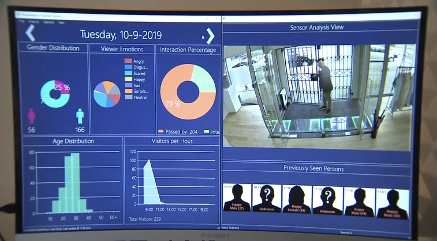
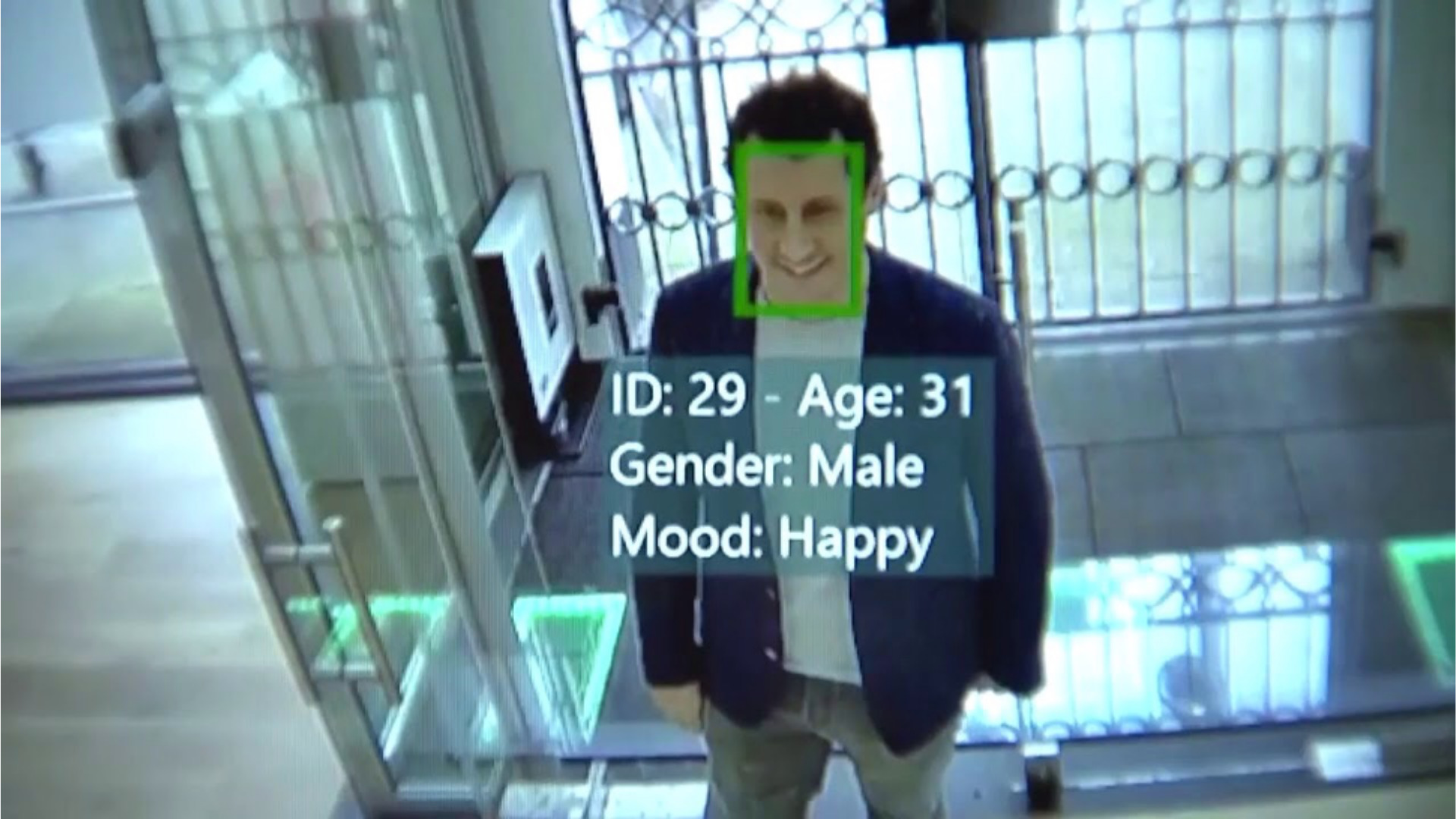
Surging inflation, soaring housing costs, and stagnant wages have pushed millions of working-class families into severe financial desperation. Across major supermarket chains worldwide, store managers report an alarming surge in shoplifting targeting basic necessities. Today, retail theft and survival intersect in supermarket aisles where everyday citizens steal baby formula, fresh bread, and hygiene products. Commercial retail networks typically respond with aggressive surveillance cameras, facial recognition scanners, and security guards. However, treating basic human desperation solely as a criminal threat ignores the root causes of systemic poverty. Consequently, society must confront this painful economic reality with systemic empathy.
Socioeconomic Distress Behind Grocery Shoplifting
To begin with, retail theft and survival dynamics differ dramatically from organized luxury retail syndicates stealing designer apparel. Criminologists and social workers note that the majority of modern supermarket shoplifters are first-time offenders driven by empty refrigerators. In addition, working parents who hold multiple part-time jobs still find themselves unable to afford basic weekly groceries. As a result, ordinary citizens make desperate, heartbreaking choices to feed their children. Furthermore, the psychological shame and trauma associated with shoplifting essentials compounds existing mental health crises. Punitive criminal records only push vulnerable families deeper into economic marginalization.
Automated Surveillance Versus Community Care
In response to rising inventory shrinkage, grocery corporations spend millions installing automated plexiglass barriers and biometric sensors. Yet locking everyday goods behind display cases frustrates paying customers and creates an atmosphere of mutual suspicion. In contrast, progressive retailers exploring retail theft and survival partner with local community food pantries and social services. Specifically, supermarkets redirect surplus edible inventory to neighborhood redistribution hubs before food reaches expiration dates. Therefore, families in crisis obtain free nutritious meals legally without resorting to dangerous shoplifting. Collaborative community partnerships rebuild mutual trust between commercial grocers and neighborhood residents.
Future Potential for Equitable Food Security
Looking toward future decades, retail theft and survival challenges will force systemic overhauls in national food security policies. Universal basic income pilots and grocery subsidy vouchers will guarantee baseline nutritional access for all citizens. Meanwhile, municipal cooperative grocery stores will operate on sliding-scale pricing models tailored to household income levels. Read further sociological trend essays and retail foresight analyses on the Science of the Time platform. To explore research on global poverty alleviation and food policy reform, examine the Oxfam International social justice network. Ultimately, building a secure society requires ensuring that no human goes hungry.
30 comments
HOW COOL IS THIS “SEED”?
● ● ● ● ○
DOES IT HAVE FUTURE GROWTH POTENTIAL?
● ● ● ○ ○
The narrative around the retail-monitoring discussion and shopper behaviour interpreted by automated systems deserves difficult questions too. A compelling example can hide practical contradictions. I would keep those tensions visible instead of treating criticism as a failure to appreciate innovation or assuming an unusual idea is necessarily a better one.
HOW COOL IS THIS “SEED”?
● ● ● ● ○
DOES IT HAVE FUTURE GROWTH POTENTIAL?
● ● ● ● ○
I would look closely at the making behind the retail-monitoring discussion and shopper behaviour interpreted by automated systems. Quality lies in the coherence between intention, making and repeated use. I would inspect the details behind the presentation, rather than let a striking story replace evidence of careful execution.
HOW COOL IS THIS “SEED”?
● ● ● ● ●
DOES IT HAVE FUTURE GROWTH POTENTIAL?
● ● ● ● ○
A spatial interpretation of the retail-monitoring discussion should make shopper behaviour interpreted by automated systems workable in use. The arrangement should support both the visitor and the people maintaining the experience. A trial in the actual space would reveal circulation, reach and privacy needs that an attractive image can conceal.
HOW COOL IS THIS “SEED”?
● ● ● ● ○
DOES IT HAVE FUTURE GROWTH POTENTIAL?
● ● ○ ○ ○
For the retail-monitoring discussion, shopper behaviour interpreted by automated systems should support a promise people can understand. I would begin with the relationship the offer hopes to create. Its story becomes credible through thoughtful service and clear limits, allowing a customer to remain valued even when they prefer an alternative.
HOW COOL IS THIS “SEED”?
● ● ● ● ○
DOES IT HAVE FUTURE GROWTH POTENTIAL?
● ● ● ● ○
In the retail-monitoring discussion, shopper behaviour interpreted by automated systems raises a concrete question about customer value. The commercial question comes after the first impression: what remains useful or enjoyable? I would compare actual repeat interest with the complete cost of supporting the offer.
HOW COOL IS THIS “SEED”?
● ● ● ● ●
DOES IT HAVE FUTURE GROWTH POTENTIAL?
● ● ● ● ○
The idea of shopper behaviour interpreted by automated systems gives the retail-monitoring discussion several possible cultural readings. Interpretations will differ across audiences. A host should ask about expectations rather than assume everyone shares the same associations or wants the same level of participation.
HOW COOL IS THIS “SEED”?
● ● ● ● ○
DOES IT HAVE FUTURE GROWTH POTENTIAL?
● ● ● ● ●
I would consider where the retail-monitoring discussion could make shopper behaviour interpreted by automated systems locally useful. The relationship with place could make the offer distinctive. I would examine local needs and repeated use before treating the model as something every destination should copy.
HOW COOL IS THIS “SEED”?
● ● ● ● ○
DOES IT HAVE FUTURE GROWTH POTENTIAL?
● ● ● ○ ○
For the retail-monitoring discussion, the work behind shopper behaviour interpreted by automated systems deserves close attention. The operating work should remain visible behind the idea. Staff need accurate information, realistic capacity and a clear way to respond when the customer experience differs from the original plan.
HOW COOL IS THIS “SEED”?
● ● ● ● ○
DOES IT HAVE FUTURE GROWTH POTENTIAL?
● ● ● ○ ○
The economics of the retail-monitoring discussion need scrutiny beyond the appeal of shopper behaviour interpreted by automated systems. An attractive example is not yet a durable economic case. I would assess the complete costs, dependencies and evidence of demand before treating novelty as a dependable investment advantage.
HOW COOL IS THIS “SEED”?
● ● ● ● ●
DOES IT HAVE FUTURE GROWTH POTENTIAL?
● ● ● ● ●
The responsibilities behind shopper behaviour interpreted by automated systems matter when judging the retail-monitoring discussion. The promise should remain accountable to the people affected. Transparent limits and meaningful choice would make the idea stronger than a broad claim that its intentions are necessarily beneficial.
For the retail-monitoring discussion, clear limits should be part of the encounter itself. The question about shopper behaviour interpreted by automated systems needs an understandable explanation of responsibility and choice, rather than leave people to infer more than the available information supports.
HOW COOL IS THIS “SEED”?
● ● ● ● ○
DOES IT HAVE FUTURE GROWTH POTENTIAL?
● ● ● ● ●
the retail-monitoring discussion is interesting as an example of shopper behaviour interpreted by automated systems. This invites a different reading of an everyday relationship. The most useful discussion would examine that shift without assuming novelty alone represents a lasting or universal change.
HOW COOL IS THIS “SEED”?
● ● ● ● ●
DOES IT HAVE FUTURE GROWTH POTENTIAL?
● ● ● ● ○
The signal in the retail-monitoring discussion comes through its approach to shopper behaviour interpreted by automated systems. A cool signal and demonstrated growth are different judgements. I would look for repeated value and credible adaptation, rather than treat an engaging first impression as proof of a durable shift.
The distinction matters for the retail-monitoring discussion: an interesting signal is not evidence of every promised outcome. I would keep shopper behaviour interpreted by automated systems open to investigation, with stronger claims requiring their own support before they become part of the customer promise.
HOW COOL IS THIS “SEED”?
● ● ● ● ●
DOES IT HAVE FUTURE GROWTH POTENTIAL?
● ● ● ○ ○
I would consider how the retail-monitoring discussion makes shopper behaviour interpreted by automated systems feel to the person involved. A thoughtful encounter leaves room for hesitation. I would offer clear guidance and a gentle alternative, rather than make the customer perform the reaction the concept expects.
HOW COOL IS THIS “SEED”?
● ● ● ● ●
DOES IT HAVE FUTURE GROWTH POTENTIAL?
● ● ● ● ●
There is room for a personal response to the retail-monitoring discussion and shopper behaviour interpreted by automated systems. I am interested in the small moment after the first impression. A person should have room to respond privately, without the experience turning their feelings into another public performance.
HOW COOL IS THIS “SEED”?
● ● ● ● ●
DOES IT HAVE FUTURE GROWTH POTENTIAL?
● ● ● ● ○
Explaining shopper behaviour interpreted by automated systems accurately would matter in a demonstration of the retail-monitoring discussion. Training should explain the promise, its limits and the practical response to questions. Staff need confidence to check a fact or offer an alternative rather than improvise reassuring claims.
HOW COOL IS THIS “SEED”?
● ● ● ● ●
DOES IT HAVE FUTURE GROWTH POTENTIAL?
● ● ● ● ○
The people connected to the retail-monitoring discussion should help interpret shopper behaviour interpreted by automated systems. I would ask whose account is missing from the example. Local participants and makers may explain needs the original story overlooks, helping an adaptation grow from relationships rather than an imported image.
HOW COOL IS THIS “SEED”?
● ● ● ● ○
DOES IT HAVE FUTURE GROWTH POTENTIAL?
● ● ● ● ○
An environmental claim around the retail-monitoring discussion needs more than the story of shopper behaviour interpreted by automated systems. I would ask which outcomes have actually been measured. A promising intention or material choice does not establish the whole environmental result, especially when support and repeated use introduce additional demands.
HOW COOL IS THIS “SEED”?
● ● ● ● ○
DOES IT HAVE FUTURE GROWTH POTENTIAL?
● ● ● ● ●
I would test the effort involved in the retail-monitoring discussion and shopper behaviour interpreted by automated systems. The practical test is the whole routine, not one impressive step. I would watch where effort is reduced and where new tasks appear before describing the encounter as genuinely convenient.
HOW COOL IS THIS “SEED”?
● ● ● ● ●
DOES IT HAVE FUTURE GROWTH POTENTIAL?
● ● ● ● ○
the retail-monitoring discussion gives shopper behaviour interpreted by automated systems a distinctive identity worth examining. A distinctive identity helps discovery, yet it should remain coherent with the actual experience. Desirability becomes more credible when the offer still makes sense after its limits are explained.
HOW COOL IS THIS “SEED”?
● ● ● ● ○
DOES IT HAVE FUTURE GROWTH POTENTIAL?
● ● ● ● ●
A private interpretation of the retail-monitoring discussion should make shopper behaviour interpreted by automated systems an informed choice. The guest should feel that the encounter responds to them. A distinctive idea can support premium service when alternatives receive equal care and the person retains control over participation.
HOW COOL IS THIS “SEED”?
● ● ● ● ○
DOES IT HAVE FUTURE GROWTH POTENTIAL?
● ● ● ● ○
If the retail-monitoring discussion is linked with wellbeing, shopper behaviour interpreted by automated systems still needs careful interpretation. An experience can invite reflection without promising a health outcome. I would describe its intended role clearly and allow different responses, rather than treat an appealing personal story as evidence of therapeutic benefit.
HOW COOL IS THIS “SEED”?
● ● ● ● ●
DOES IT HAVE FUTURE GROWTH POTENTIAL?
● ● ● ● ○
A digital adaptation of the retail-monitoring discussion should explain shopper behaviour interpreted by automated systems clearly. The interface should explain what it does before asking someone to engage. Clear controls and a support route matter more than an invisible system that claims to know the user completely.
HOW COOL IS THIS “SEED”?
● ● ● ● ○
DOES IT HAVE FUTURE GROWTH POTENTIAL?
● ● ● ● ●
As a hosted experience, the retail-monitoring discussion would need shopper behaviour interpreted by automated systems to support real enjoyment. A meal or hosted interpretation should respect preferences and remain satisfying on its own. I would judge the result alongside the story, without treating novelty as evidence of flavour or consistent service.
HOW COOL IS THIS “SEED”?
● ● ● ● ○
DOES IT HAVE FUTURE GROWTH POTENTIAL?
● ● ● ● ○
The interaction behind shopper behaviour interpreted by automated systems makes the retail-monitoring discussion worth examining as design. The interaction becomes convincing through practical details of use. I would examine handling, maintenance and the connection between parts, because a striking form cannot compensate for an object that is awkward to live with.
HOW COOL IS THIS “SEED”?
● ● ● ● ○
DOES IT HAVE FUTURE GROWTH POTENTIAL?
● ● ● ● ○
Access to the retail-monitoring discussion and shopper behaviour interpreted by automated systems should be considered from different perspectives. An inclusive interpretation gives alternatives equal care. The experience should not require a particular device, confidence or preference before someone can understand its value and make an informed choice.
HOW COOL IS THIS “SEED”?
● ● ● ● ●
DOES IT HAVE FUTURE GROWTH POTENTIAL?
● ● ● ● ○
Any health claim associated with the retail-monitoring discussion needs evidence beyond shopper behaviour interpreted by automated systems. I would not infer safety or therapeutic value from an appealing account. The design can be discussed without turning its intended effects into medical guidance or a promise about an individual’s wellbeing.
HOW COOL IS THIS “SEED”?
● ● ● ● ○
DOES IT HAVE FUTURE GROWTH POTENTIAL?
● ● ● ● ○
I would let the idea of shopper behaviour interpreted by automated systems lead the presentation of the retail-monitoring discussion. The premise may be strongest when the presentation remains restrained. I would remove unnecessary instructions and spectacle, leaving room for the person to understand the idea and respond at their own pace.
HOW COOL IS THIS “SEED”?
● ● ● ● ●
DOES IT HAVE FUTURE GROWTH POTENTIAL?
● ● ● ● ●
A clear account of the retail-monitoring discussion should keep shopper behaviour interpreted by automated systems distinct from promised outcomes. I would show the practical encounter and state what has been demonstrated. A campaign can remain appealing without allowing an impressive image or historical figure to imply a guaranteed current outcome.
Rate & Discuss this Signal
Calibrate the Future Signals Index with your rating below, and share your perspective in the community dialogue.
Evaluate this Creative Signal
Help calibrate the Future Signals Index. Rate this Seed on both key criteria below (scale: 2 to 10).