





Indeed, mapping One Hundred and Eighty-Five Consumer Goods Derived from a Single Animal Proves That Pig King of the Circular Cycle Celebrates Total Resource Respect.
Uncovering the astonishing and hidden web of industrial animal processing, the pig king of the circular cycle design research reveals our profound connection to livestock. Specifically, Dutch designer and researcher Christien Meindertsma spent three years tracking every material outcome of a single pig, labeled 05049. Consequently, her groundbreaking book documented that parts of this single animal entered one hundred and eighty-five different global products.
What Is Pig King of the Circular Cycle Design?
To begin with, modern consumers frequently assume pigs only provide bacon and pork chops, remaining blind to total industrial animal processing. In contrast, Meindertsma’s meticulous forensic research uncovered pig collagen in luxury face creams, bone ash in bone china porcelain, and fatty acids in chewing gum. In addition, Pig fatty acids even stabilize train brakes and beer brewing foam.
Furthermore, medical valves harvested from porcine hearts save human lives during cardiac surgery, while pig gelatin stabilizes pharmaceutical capsules. Meanwhile, this total bio-utilization embodies the ancient zero-waste philosophy of nose-to-tail consumption. Therefore, design research exposes our deep interdependence with the animal kingdom.
Why Is This Design Research Cool?
- Uncompromising Material Honesty: The project reveals the invisible raw ingredients behind everyday consumer products. Similar to meticulous Japanese iron craftsmanship, deep scrutiny reveals unexpected beauty.
- Honoring Total Animal Sacrifice: Utilizing every single biological component respects the life of the animal completely.
- Pioneering Circularity Benchmark: In fact, circular design institutes use *PIG 05049* as a foundational textbook worldwide.
- Inspiring Informed Consumer Choice: Consumers discover the true origin of their goods, making conscious purchasing decisions.
Why Does Material Transparency Have Growth Potential?
Moreover, Conscious consumers and ethical manufacturers demand radical supply chain transparency and verifiable traceability across all raw materials. Because investigative design research dismantles consumer ignorance and urges industries toward responsible stewardship, forensic design practices expand globally. Therefore, material mapping will become standard methodology for circular economic design.
The Take Away
In conclusion, *PIG 05049* reminds us that nothing in nature should ever be wasted or taken for granted. When we respect the materials we consume, we live with greater gratitude. Ultimately, Honor the gifts of the earth, and let nothing be forgotten or discarded.
Reference Link: Christien Meindertsma Official Studio
34 comments
HOW COOL IS THIS “SEED”?
● ● ● ● ●
DOES IT HAVE FUTURE GROWTH POTENTIAL?
● ● ● ● ○
The shop uses product variety to make a supply-chain story tangible. That can create an educational retail proposition, but commercial value needs evidence of customer interest and repeat use. I would examine the quality of information rather than assume a large range automatically makes the concept persuasive.
HOW COOL IS THIS “SEED”?
● ● ● ● ●
DOES IT HAVE FUTURE GROWTH POTENTIAL?
● ● ● ○ ○
The material source has different significance for different audiences, including people with dietary or religious boundaries. A host should respect those differences. Clear provenance can support informed choice without asking every visitor to share the retailer’s positive interpretation of the animal-derived products.
HOW COOL IS THIS “SEED”?
● ● ● ● ●
DOES IT HAVE FUTURE GROWTH POTENTIAL?
● ● ● ○ ○
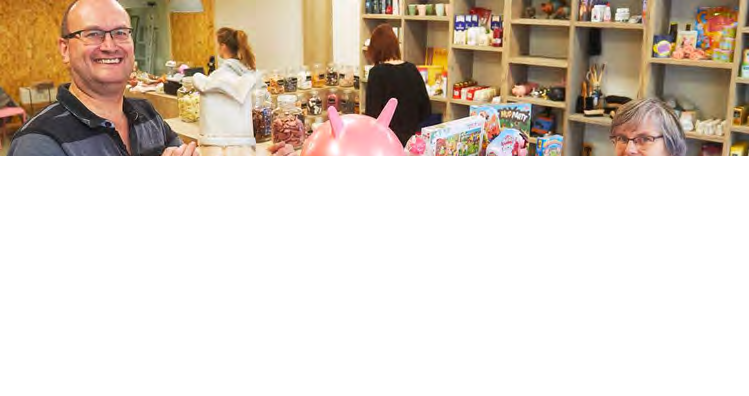
The shop connects local farming with a distinctive retail setting. That relationship could support learning when the information is accurate and open to questions. I would assess the specific place and audience rather than treat the exact product theme as a broadly transferable destination experience.
HOW COOL IS THIS “SEED”?
● ● ● ● ●
DOES IT HAVE FUTURE GROWTH POTENTIAL?
● ● ● ● ●
Staff need precise knowledge of which products contain animal-derived materials and how the information is supported. A general theme is not enough for a customer’s specific question. Clear records and honest limits would make the educational promise more dependable than confident but incomplete explanations.
HOW COOL IS THIS “SEED”?
● ● ● ● ●
DOES IT HAVE FUTURE GROWTH POTENTIAL?
● ● ● ● ○
A specialist concept can attract curiosity without establishing a durable economic model. I would examine demand, product turnover and the cost of maintaining reliable information. The breadth of the range should be evaluated as a practical business choice, not only as an impressive numerical claim.
HOW COOL IS THIS “SEED”?
● ● ● ● ○
DOES IT HAVE FUTURE GROWTH POTENTIAL?
● ● ● ● ○
Using more parts of an animal does not settle questions about welfare, ethics or environmental impact. Visitors should be able to raise those questions without being dismissed as uninformed. A credible educational offer makes room for disagreement and explains its perspective rather than presenting commerce as a complete moral account.
HOW COOL IS THIS “SEED”?
● ● ● ● ●
DOES IT HAVE FUTURE GROWTH POTENTIAL?
● ● ● ● ○
The cultural signal is hidden material relationships becoming visible through an ordinary shopping encounter. That can change how people understand familiar objects. The shop is most interesting as a place to investigate those relationships, rather than as proof that every existing use deserves celebration.
HOW COOL IS THIS “SEED”?
● ● ● ● ●
DOES IT HAVE FUTURE GROWTH POTENTIAL?
● ● ● ● ○
A visitor’s question may come from a personal boundary rather than simple curiosity. Staff should respond carefully and without judgement. The caring service is to help someone understand a product and make their own choice, including a decision to avoid it.
HOW COOL IS THIS “SEED”?
● ● ● ● ●
DOES IT HAVE FUTURE GROWTH POTENTIAL?
● ● ● ● ●
Discovering an unexpected material source can change someone’s feeling about a familiar object. That response deserves space rather than immediate reassurance. A thoughtful encounter would allow surprise, uncertainty or discomfort without insisting the visitor turn the new information into appreciation for the product.
HOW COOL IS THIS “SEED”?
● ● ● ● ○
DOES IT HAVE FUTURE GROWTH POTENTIAL?
● ● ● ○ ○
Training should help staff answer provenance questions accurately and recognise when a claim needs checking. It should also prepare them for differing beliefs and ethical concerns. A visitor can receive a useful explanation without the team trying to persuade them that every product fits their preferences.
HOW COOL IS THIS “SEED”?
● ● ● ● ○
DOES IT HAVE FUTURE GROWTH POTENTIAL?
● ● ● ● ○
Farmers’ accounts can make the supply chain more understandable, but they should not be the only perspectives included. Visitors and other stakeholders may ask different questions. I would value a dialogue that makes those differences visible rather than assume protest simply proves a lack of knowledge.
Including different perspectives would make the conversation more credible. The retailer can explain fuller material use while visitors ask about welfare and other impacts, without assuming that disagreement means the visitor has failed to understand the supply-chain information.
HOW COOL IS THIS “SEED”?
● ● ● ● ○
DOES IT HAVE FUTURE GROWTH POTENTIAL?
● ● ● ● ○
Reducing discarded material is a specific proposition that needs evidence. It does not establish the environmental performance of raising and processing animals. I would ask for a full account of impacts before using a broad circularity claim to describe the shop or its products.
HOW COOL IS THIS “SEED”?
● ● ● ● ●
DOES IT HAVE FUTURE GROWTH POTENTIAL?
● ● ● ● ●
A clear product explanation can save customers the effort of tracing a material themselves. That depends on precise information being easy to find. I would organise the offer around practical questions rather than require visitors to absorb a long story before they can make an ordinary purchase decision.
Dear Iris. How nice to meet you here again. We discussed your Cool Seed already in class, so you know my remarks. The is Cool because it mixed good ‘pig’ p.r. with a really strong point: All of the pig is used. This is a Cool and distinctive sustainability argument. Of course, there is the broader sustainability argument of raising animals. Bu the point you make is strong and succinct. Thanks. Carl
I don’t know if pig parts occurring in more that 185 types of products a good thing or a bad thing. I mean yes, these businesses can benefit but being an animal lover myself, I don’t know if I would ever visit such places. But what you wrote at the end of your article: “The fact that animal activists have demonstrated in front of the store several times shows that people do not know how important the pig is in our lives and that the animal should receive more and well-deserved appreciation.” made me think of what is more to this story we don’t already know.
HOW COOL IS THIS “SEED”?
● ● ● ● ○
DOES IT HAVE FUTURE GROWTH POTENTIAL?
● ● ● ● ●
The unusual theme makes the shop memorable, but desirability depends on the customer’s interpretation of the materials. Some may become more interested and others less so. I would treat both as legitimate responses rather than assume visibility of the supply chain always strengthens the appeal.
This seed is cool because it shows that it is possible for people to use or utilize all parts of an animal, not just the sell or use their meat but literally everything.
HOW COOL IS THIS “SEED”?
● ● ● ● ●
DOES IT HAVE FUTURE GROWTH POTENTIAL?
● ● ● ● ●
A specialist service can use provenance to help a customer select appropriately, without making animal-derived materials a prestige signal. Personal attention should begin with the person’s boundaries. The premium value lies in reliable guidance and alternatives, not pressure to appreciate the retailer’s preferred product story.
HOW COOL IS THIS “SEED”?
● ● ● ● ○
DOES IT HAVE FUTURE GROWTH POTENTIAL?
● ● ● ● ○
The educational theme does not establish personal health or wellbeing benefits from the products. I would keep the discussion focused on material knowledge and choice. An emotional response to discovering provenance should not be interpreted as a psychological problem the retailer needs to resolve.
HOW COOL IS THIS “SEED”?
● ● ● ○ ○
DOES IT HAVE FUTURE GROWTH POTENTIAL?
● ● ● ○ ○
A searchable product record could make material sources more transparent than a broad claim about the range. Users need clear descriptions and a way to identify uncertainty. The interface should support individual decisions rather than assume every animal-derived component has the same implications for all customers.
A clear product-level record would support informed choice without asking someone to explain why the source matters to them. It should also identify uncertainty honestly, so a broad educational theme does not substitute for specific information about the item they are considering.
HOW COOL IS THIS “SEED”?
● ● ● ● ●
DOES IT HAVE FUTURE GROWTH POTENTIAL?
● ● ● ● ○
Food-related products need clear ingredient information separate from the broader educational story. A playful display should not make a customer’s dietary questions harder to answer. I would judge the offer through accurate descriptions and respectful alternatives rather than treat novelty as a reason to overlook specific preferences.
HOW COOL IS THIS “SEED”?
● ● ● ● ●
DOES IT HAVE FUTURE GROWTH POTENTIAL?
● ● ● ● ○
The objects reveal how one material source can enter very different production chains. That is a compelling design investigation. I would examine the actual provenance of individual examples, because a broad collection can obscure important differences between products while making the overall story appear uniform.
If an animal is going to be killed to serve us (as food or other resources), it is really important that there is no waste, as this is disrespectful to nature and in fact not sustainable. But I wonder if a business that “loves pigs” by referring to its usefulness as a product, rather than its integrity as a living being, is really loving it. There’s nothing cute or nice about killing animals, even when (or if it is) necessary. Also, in terms of trends, I wonder if a business like this can really be that cool, as there is a growing concern in the world about environmental and animal welfare issues, that gets stronger every year. Several fashion and makeup brands, for example, have already removed animal materials or animal testing in their production processes (which has been seen as really cool initiatives).
HOW COOL IS THIS “SEED”?
● ● ● ○ ○
DOES IT HAVE FUTURE GROWTH POTENTIAL?
● ● ● ● ●
Clear disclosure is especially valuable for people who avoid particular animal-derived materials. The shop should make that information accessible without requiring a customer to explain their beliefs. A welcoming educational experience respects informed refusal as much as curiosity and offers alternatives where they exist.
HOW COOL IS THIS “SEED”?
● ● ● ● ●
DOES IT HAVE FUTURE GROWTH POTENTIAL?
● ● ● ● ○
The source’s broad product list should not become health or medical guidance about any individual item. Specific materials and uses require appropriate verification. I would keep the concepts focused on provenance and informed choice, avoiding unsupported conclusions about safety, suitability or personal benefit.
HOW COOL IS THIS “SEED”?
● ● ● ● ○
DOES IT HAVE FUTURE GROWTH POTENTIAL?
● ● ● ● ○
A few well-documented examples could explain hidden material relationships more clearly than an overwhelming catalogue. I would let the information invite questions. The shop’s educational value becomes stronger when a visitor can understand a specific connection without being asked to accept a sweeping claim about the whole sector.
HOW COOL IS THIS “SEED”?
● ● ● ● ●
DOES IT HAVE FUTURE GROWTH POTENTIAL?
● ● ● ● ○
Communication should distinguish documented product provenance, historical research and the retailer’s own promotional claims. Numbers need clear definitions and context. A credible campaign can make the material story interesting without suggesting that every objection arises from ignorance or that full utilisation proves sustainability.
HOW COOL IS THIS “SEED”?
● ● ● ● ○
DOES IT HAVE FUTURE GROWTH POTENTIAL?
● ● ● ● ○
The article’s dismissal of protesters weakens its claim to transparent education. Disagreement may concern values rather than missing facts. I would ask whether the shop welcomes difficult questions about the production system, instead of using a catalogue of animal-derived objects to make existing practices seem inevitable.
HOW COOL IS THIS “SEED”?
● ● ● ● ○
DOES IT HAVE FUTURE GROWTH POTENTIAL?
● ● ● ● ●
The quality of the educational work lies in accurate connections between an object, its material and its making. I would value detailed provenance over a general thematic claim. A carefully curated example can reveal more than a large range whose relationships are described too loosely to inspect.
HOW COOL IS THIS “SEED”?
● ● ● ● ○
DOES IT HAVE FUTURE GROWTH POTENTIAL?
● ● ● ● ○
A retail exhibition should make it easy to distinguish product information from the broader story. Visitors need room to browse and ask questions privately when appropriate. The arrangement becomes more considerate when learning does not require public disclosure of someone’s dietary, religious or ethical boundaries.
HOW COOL IS THIS “SEED”?
● ● ● ○ ○
DOES IT HAVE FUTURE GROWTH POTENTIAL?
● ● ○ ○ ○
Trust comes from helping customers understand an offer without trying to control their conclusion. Accurate provenance and respectful listening can make the encounter meaningful. The shop’s promise should remain valuable to someone who learns from the visit and still chooses not to purchase an animal-derived product.
Interesting to know how many ‘random’ products use this very specific animal
Rate & Discuss this Signal
Calibrate the Future Signals Index with your rating below, and share your perspective in the community dialogue.
Evaluate this Creative Signal
Help calibrate the Future Signals Index. Rate this Seed on both key criteria below (scale: 2 to 10).