




What Is It?
Today, we live in a hyperconnected world where information and communication are only a click away. In theory, this should make us feel more connected than ever. Yet loneliness remains a growing issue.
Around 30% of adults report feeling lonely at least once a week, while 10% experience loneliness every day. Furthermore, Younger adults are affected even more, with 30% of Americans aged 18 to 34 reporting feelings of loneliness daily or several times a week.
This raises an important question: if we are more connected digitally, why do so many people still feel disconnected in real life?
This trend represents a compelling market opportunity. Furthermore, As people increasingly seek meaningful connections, brands have an opportunity to create experiences that foster community, encourage genuine interaction, and strengthen a sense of belonging. In addition, By bringing people together in purposeful ways, companies can build deeper customer loyalty while supporting social connection and overall well-being.
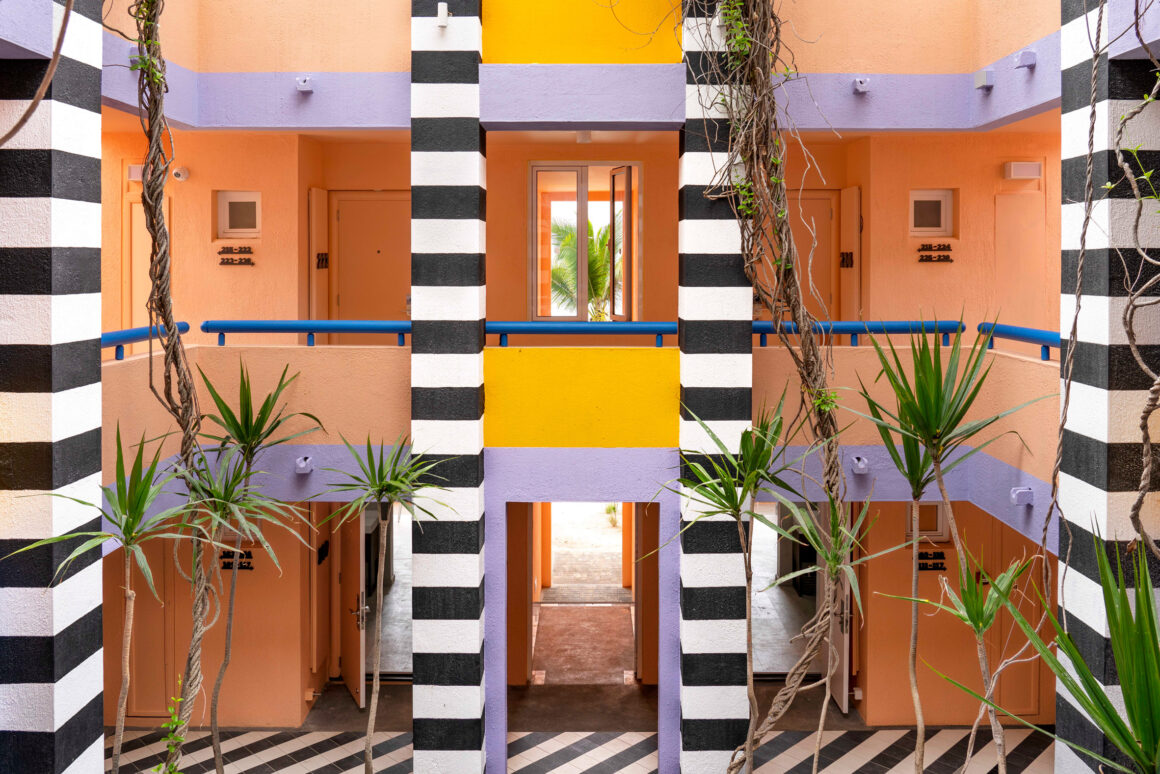
One example is SALT of Palmar, located on the pristine shores of Palmar Beach on the east coast of Mauritius. Furthermore, Far from a typical island resort, this adults-only (16+) boutique hotel reimagines luxury through human connection, creativity, and purpose. In addition, Rather than focusing on opulence for its own sake, SALT celebrates local culture, sustainability, and community in every aspect of the guest experience—from its design and dining philosophy to its daily activities and cultural programs.
Why Is It Cool?
SALT invites guests to live Mauritius, not simply visit it. Furthermore, Every stay evolves through authentic experiences, meaningful encounters, and a vibrant sense of place.
1. Skill Swap Program
This is the heart of the hotel’s philosophy.
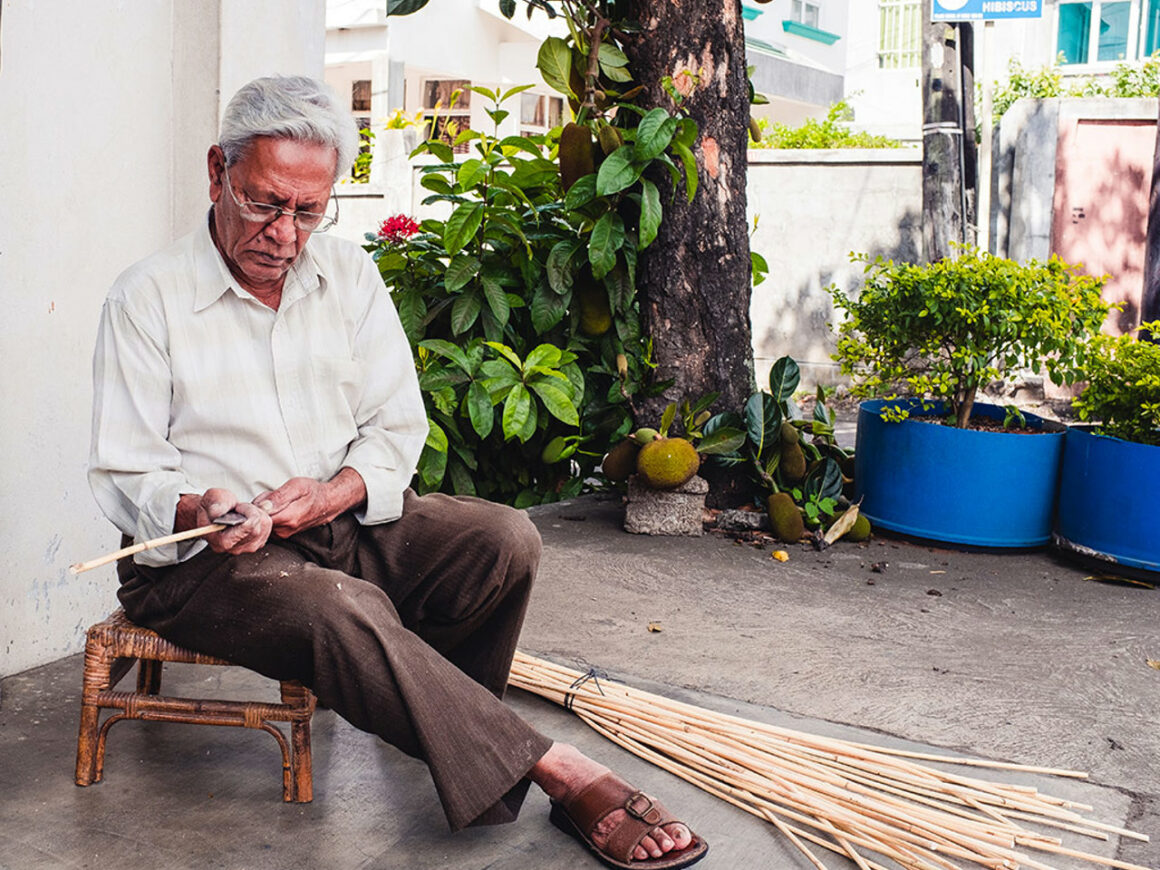
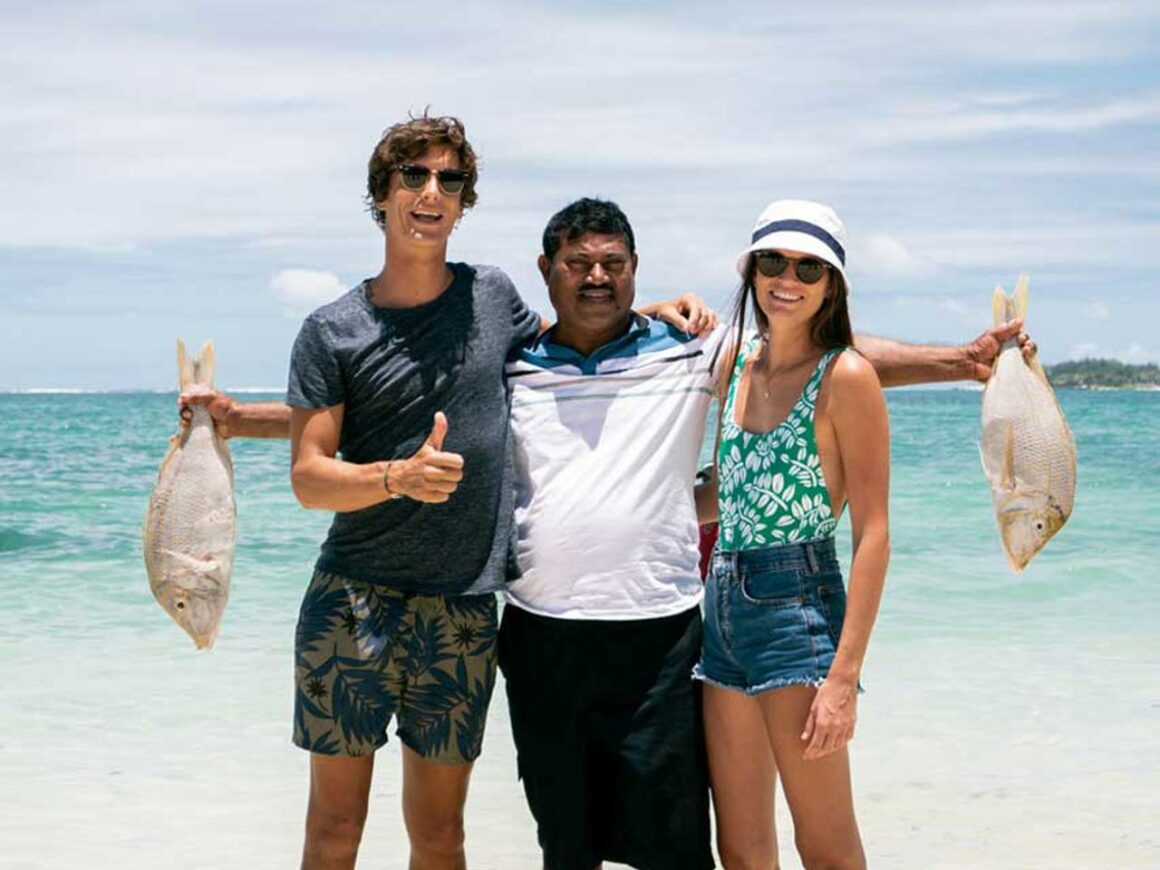
Guests can share or learn practical skills with local residents, including pottery, basket weaving, fishing, cooking, and even Creole music. Instead of simply observing the culture, visitors become active participants in it.
One day, you might teach photography to a local artist. The next, you could be learning how to carve a traditional pirogue.
2. Furthermore, Wellbeing with Soul
Forget the typical spa menu.
At SALT, wellbeing means sunrise yoga, barefoot meditation, cycling through nearby villages, and embracing the island’s natural rhythm. Non-motorized water sports, including kayaking, paddleboarding, and snorkeling, are complimentary and reinforce the resort’s eco-conscious philosophy.
3. Farm-to-Table Gastronomy
At The Good Kitchen, every meal celebrates both Mauritian flavors and sustainable values.
- Locally grown produce whenever possible
- No buffets to reduce food waste
- Strong plant-based and vegetarian options
- Artisan cocktails crafted with island herbs, fruits, and local rum
Every dish tells the story of the land and the people behind it.
4. Furthermore, Sustainability in Action
SALT doesn’t just talk about sustainability—it puts it into practice.
- Zero single-use plastic policy
- In-house water bottling system
- Locally made furniture and décor
- Community partnerships and fair employment practices
- Energy- and water-saving technologies
Every decision reflects the brand’s guiding belief:
“Travel should improve life for both the traveler and the destination.”
Why Does It Have Future Growth Potential?
By encouraging guests and locals to exchange skills, the Skill Swap program offers a unique way to experience Mauritian culture. Furthermore, Rather than simply observing local traditions, travelers actively participate in them. In return, they can share their own knowledge and experiences, creating a meaningful exchange that benefits both visitors and the local community.
The Skill Swap Program at SALT of Palmar is more than a cultural activity. Furthermore, It offers a glimpse into the future of travel. In addition, By connecting guests and locals through shared knowledge, it transforms tourism into a two-way exchange rather than a one-sided service.
This model empowers local communities, gives travelers a stronger sense of purpose, and creates lasting human connections that extend beyond borders. Furthermore, As demand grows for more meaningful and sustainable travel experiences, initiatives like the Skill Swap Program highlight a promising direction for the industry—one that benefits both destinations and the people who visit them.
31 comments
Cultural exchange asks more of both host and traveller than conventional sightseeing, but it also creates far richer memories. The opportunity is to design encounters with reciprocity, not consumption, at their core. What if every itinerary included one moment where the guest contributes rather than merely observes?
This responds to a real desire among younger luxury consumers to return with a story, a skill and a relationship—not another object. The experiences are naturally shareable, yet the best communication may focus less on perfect images and more on the people guests actually meet. Reciprocity is what makes the status meaningful.
The skill-swap programme creates the conditions for genuine hospitality: people notice each other, share knowledge and leave changed. I especially value that guests can contribute instead of only consume. The hosts need freedom and fair recognition, because warmth cannot survive when cultural exchange becomes another rigid activity schedule.
Local skills are a form of cultural wealth that cannot simply be imported into another resort. The value comes from the person, the place and the lineage of knowledge. Hosts should decide how their traditions are shared and benefit directly, ensuring that access strengthens rather than extracts from the culture.
Skill swapping feels closer to the way culture actually moves: through people doing things together, not watching a staged demonstration. A guest teaching photography and learning boat carving creates unexpected exchange between worlds. The signal here is that participation is becoming a new form of travel status.
HOW COOL IS THIS “SEED”?
● ● ● ● ●
DOES IT HAVE FUTURE GROWTH POTENTIAL?
● ● ● ● ○
A shared skill can give guests a reason to value the encounter beyond a standard excursion. The exchange needs good preparation and clear expectations. The local participant’s time should be recognised as skilled work, not assumed to be included because the activity has a generous name.
HOW COOL IS THIS “SEED”?
● ● ● ● ○
DOES IT HAVE FUTURE GROWTH POTENTIAL?
● ● ● ● ○
Translation and patient explanation can make an exchange possible across different backgrounds. Participants should know what they are offering and hoping to learn. The host helps most by preparing that conversation, rather than promising that every pairing will produce an instant personal connection.
HOW COOL IS THIS “SEED”?
● ● ● ● ●
DOES IT HAVE FUTURE GROWTH POTENTIAL?
● ● ● ● ○
The programme can distinguish a stay through encounters guests would struggle to arrange alone. Its durability depends on willing local participation and thoughtful coordination. Repeat interest should be assessed alongside the people delivering the exchange, not only the satisfaction of visiting guests.
HOW COOL IS THIS “SEED”?
● ● ● ● ●
DOES IT HAVE FUTURE GROWTH POTENTIAL?
● ● ● ● ○
The guest contributes as well as learns, which changes the hospitality relationship. That contribution should be useful to the other person. Staff can help establish the fit before the encounter so the local host is not asked to appreciate a skill they never wanted.
HOW COOL IS THIS “SEED”?
● ● ● ● ○
DOES IT HAVE FUTURE GROWTH POTENTIAL?
● ● ● ○ ○
Matching, scheduling and supporting exchanges require real labour. The model needs to account for that effort and the participant’s compensation. Growth should not rely on an endlessly available pool of local generosity while the hotel captures the commercial value of the experience.
HOW COOL IS THIS “SEED”?
● ● ● ● ●
DOES IT HAVE FUTURE GROWTH POTENTIAL?
● ● ● ● ○
Reciprocity is strongest when local participants define what would benefit them. A visitor’s offer is not automatically useful because it is well intended. The programme should let hosts choose subjects, refuse a proposed pairing and help decide how the relationship develops.
HOW COOL IS THIS “SEED”?
● ● ● ● ●
DOES IT HAVE FUTURE GROWTH POTENTIAL?
● ● ● ● ○
Doing something together can change how people encounter a place. The visitor becomes a learner rather than only a spectator. The experience should still allow disagreement, mistakes and ordinary conversation, instead of require both people to deliver a polished story of mutual transformation.
HOW COOL IS THIS “SEED”?
● ● ● ● ●
DOES IT HAVE FUTURE GROWTH POTENTIAL?
● ● ● ● ○
A thoughtful introduction can make a guest comfortable admitting they are a beginner. The host needs the same consideration. Hospitality can help both people understand the encounter without making either feel responsible for producing a memorable emotional experience on demand.
HOW COOL IS THIS “SEED”?
● ● ● ● ●
DOES IT HAVE FUTURE GROWTH POTENTIAL?
● ● ● ● ○
Learning beside someone can leave a memory that belongs to a particular person and place. I like that the guest can offer something too. The encounter should have room to be modest and ordinary, because an honest small connection can matter without becoming a dramatic holiday story.
HOW COOL IS THIS “SEED”?
● ● ● ● ●
DOES IT HAVE FUTURE GROWTH POTENTIAL?
● ● ● ● ○
The team should prepare tools, timing and introductions so the practitioner can focus on the exchange. A beginner also needs realistic expectations. Clear preparation lets mistakes become part of learning rather than create avoidable pressure on the person sharing their skill.
HOW COOL IS THIS “SEED”?
● ● ● ● ○
DOES IT HAVE FUTURE GROWTH POTENTIAL?
● ● ● ● ○
The hotel can save guests the effort of finding a suitable encounter, but learning still needs time. The programme should not compress every practice into a convenient short demonstration. A clear schedule helps people commit honestly to the attention the exchange requires.
HOW COOL IS THIS “SEED”?
● ● ● ● ○
DOES IT HAVE FUTURE GROWTH POTENTIAL?
● ● ● ● ○
Participation can become a new status story, especially when guests bring home evidence of learning. The relationship deserves value beyond display. I would watch whether people remain curious or supportive afterwards rather than judge success only by what they post during the stay.
HOW COOL IS THIS “SEED”?
● ● ● ● ○
DOES IT HAVE FUTURE GROWTH POTENTIAL?
● ● ● ● ○
A small property can convene a personal encounter with local practitioners. Access needs to be agreed rather than treated as a standing resort privilege. The host should retain control over group size, working space and how much attention the visitor’s request reasonably requires.
HOW COOL IS THIS “SEED”?
● ● ● ● ○
DOES IT HAVE FUTURE GROWTH POTENTIAL?
● ● ● ○ ○
Shared learning may feel rewarding, but the practitioner is not automatically a wellbeing facilitator. The encounter can remain meaningful without a promise to resolve isolation or change a person’s life. Guests should be invited to participate rather than prescribed an emotional outcome.
HOW COOL IS THIS “SEED”?
● ● ● ● ○
DOES IT HAVE FUTURE GROWTH POTENTIAL?
● ● ● ● ○
Digital matching could help participants find shared interests, provided the human conversation remains central. Profiles should not promise compatibility with certainty. Photography and later contact also need agreement, so the experience can continue only in ways both people welcome.
HOW COOL IS THIS “SEED”?
● ● ● ● ●
DOES IT HAVE FUTURE GROWTH POTENTIAL?
● ● ● ● ○
Cooking together can reveal judgement that a recipe alone does not explain. The host’s everyday knowledge deserves recognition. A guest should arrive ready to listen and contribute respectfully, without assuming their own familiar method is the improvement the exchange was waiting for.
HOW COOL IS THIS “SEED”?
● ● ● ● ●
DOES IT HAVE FUTURE GROWTH POTENTIAL?
● ● ● ● ○
Learning how an object is made can change how someone uses and cares for it afterwards. That extends the encounter beyond the visit. The practitioner could choose to include maintenance or repair, giving the guest a continuing relationship with the work rather than only a finished souvenir.
HOW COOL IS THIS “SEED”?
● ● ● ● ●
DOES IT HAVE FUTURE GROWTH POTENTIAL?
● ● ● ● ○
The experience offers a relationship that cannot be reduced to access to a place. The hotel should make the encounter easy to arrange while leaving it open enough to feel personal. Not every useful exchange needs a tightly choreographed sequence of memorable moments.
HOW COOL IS THIS “SEED”?
● ● ● ○ ○
DOES IT HAVE FUTURE GROWTH POTENTIAL?
● ● ● ○ ○
The activity should suit the participant’s practical needs and be described without unsupported health promises. Shared learning can be enjoyable on its own terms. Comfortable working conditions and the freedom to pause matter more than claiming a universal improvement in wellbeing.
HOW COOL IS THIS “SEED”?
● ● ● ● ●
DOES IT HAVE FUTURE GROWTH POTENTIAL?
● ● ● ● ○
A quietly learned skill can become more valuable than another expensive object acquired during a trip. The programme should let that value emerge naturally. Guests need not leave with a perfect finished piece or a polished account for the encounter to have mattered.
HOW COOL IS THIS “SEED”?
● ● ● ● ○
DOES IT HAVE FUTURE GROWTH POTENTIAL?
● ● ● ● ○
The story can spread quickly online, but the practitioner’s capacity is limited. Booking should respect that rhythm even when an encounter becomes popular. The hotel should not let sudden demand turn a personal exchange into repeated content production for visitors.
HOW COOL IS THIS “SEED”?
● ● ● ● ○
DOES IT HAVE FUTURE GROWTH POTENTIAL?
● ● ● ○ ○
An exchange is not automatically equal because both people teach something. Time, payment and the ability to refuse remain important. I would ask how local participants describe the benefit, rather than let the visitor’s feeling of contribution define the programme’s success.
The local participant’s ability to choose and refuse would help show whether reciprocity is real. Their account should be part of evaluation, not only a testimonial selected to support the guest experience.
HOW COOL IS THIS “SEED”?
● ● ● ● ○
DOES IT HAVE FUTURE GROWTH POTENTIAL?
● ● ● ● ○
Skilled labour becomes visible when a visitor tries the practice rather than merely admires its result. That can deepen respect for the maker. The programme should recognise teaching as part of the craft, not treat patient explanation as an unlimited extra attached to the hotel experience.
Maintenance knowledge could extend that respect into everyday use. A guest who understands how to care for a piece may keep valuing the maker’s work long after the visit ends.
HOW COOL IS THIS “SEED”?
● ● ● ● ●
DOES IT HAVE FUTURE GROWTH POTENTIAL?
● ● ● ● ○
The emotional value comes from being useful to each other and discovering something through attention. The relationship needs room to develop at its own scale. A clear, fair arrangement can protect the warmth of the encounter better than a promise that every exchange will be life-changing.
Rate & Discuss this Signal
Calibrate the Future Signals Index with your rating below, and share your perspective in the community dialogue.
Evaluate this Creative Signal
Help calibrate the Future Signals Index. Rate this Seed on both key criteria below (scale: 2 to 10).