



Take Away
Air New Zealand is doing something intriguing: it has taken one of the great privileges of Business Class, the bed, and made it available as a separate, bookable experience for Economy and Premium Economy passengers.
To me, this points towards something bigger: the future of luxury may be less about buying a better cabin and more about buying exactly what your body needs.
Air New Zealand has taken one of the great privileges traditionally included into Business Class, a bed , and made it available as a separate experience for Economy and Premium Economy passengers.
What if the future of aviation luxury is not about moving up to a better cabin, but about buying exactly what your body needs?
The Sign
What Is It?
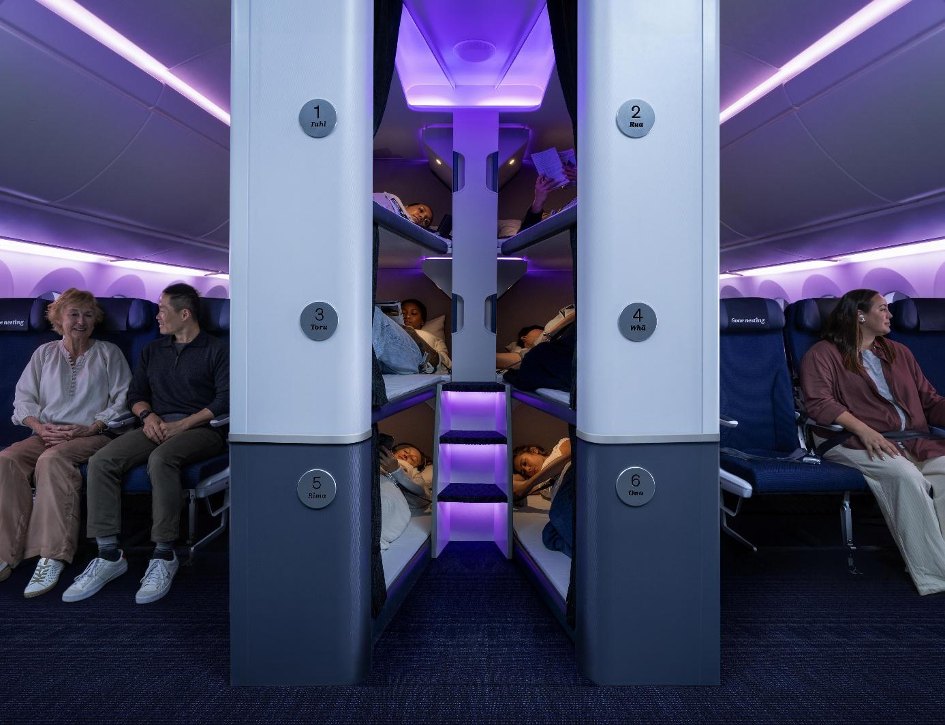
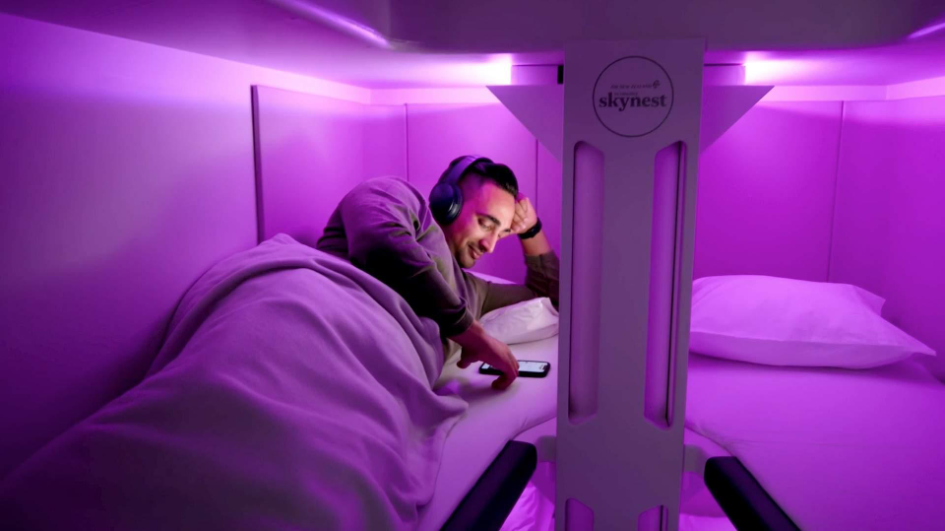
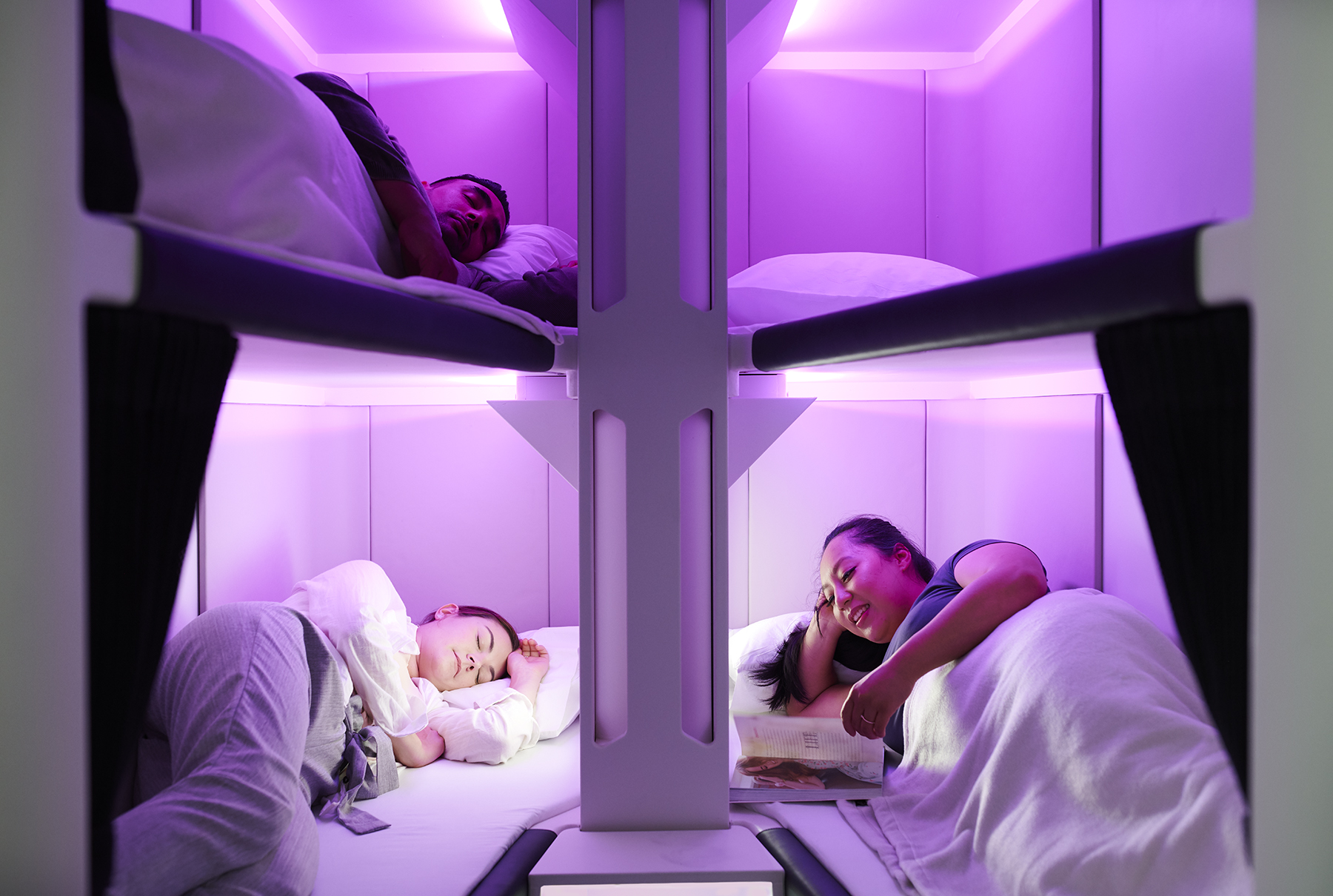
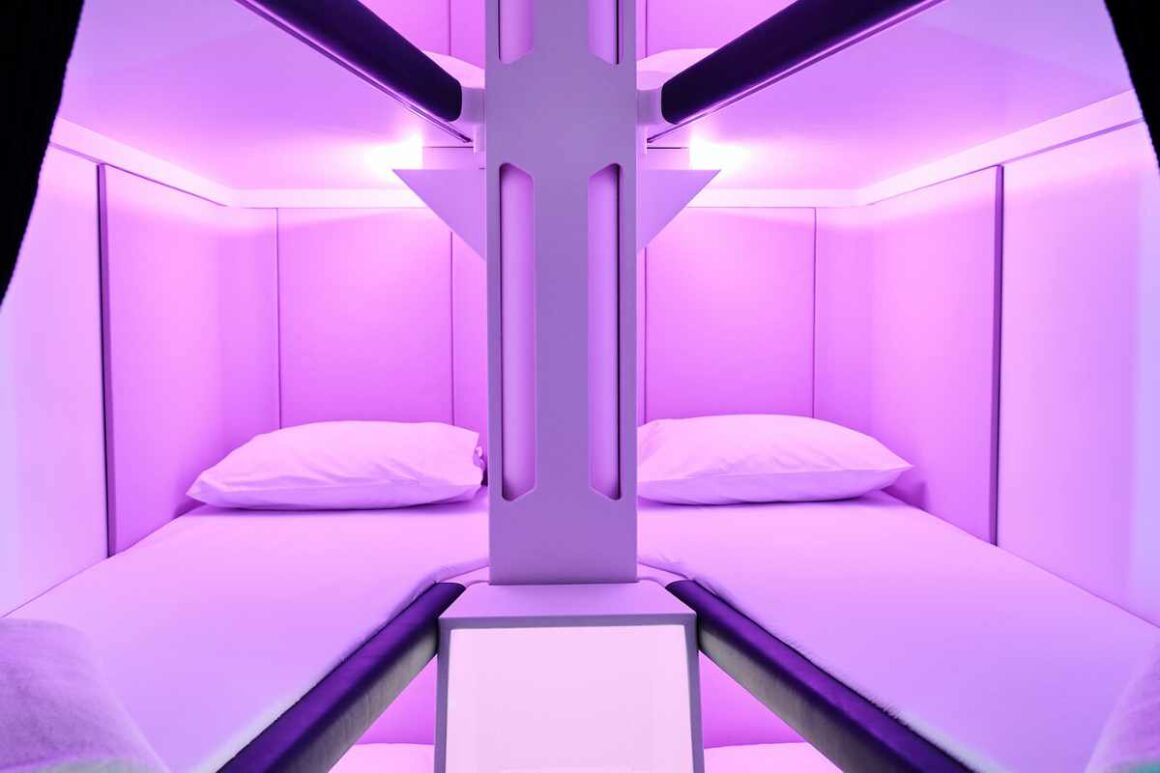
Skynest is a dedicated sleep area with six individual lie-flat pods for Economy and Premium Economy passengers.
A passenger can book a four-hour session.
Each pod provides a full-length mattress, bedding, a privacy curtain, lighting, ventilation, storage and charging.
The concept was developed specifically for ultra-long-haul travel, where sleep becomes one of the biggest challenges for passengers.
Air New Zealand didn’t ask:
“How can we add another feature to Economy?”
It asked a much more human question:
“What does a person’s body need during those long-haul flights?”
The answer is sleep.
Why Is It Cool?
Skynest challenges the way we have traditionally thought about luxury in aviation.
For decades, the logic was straightforward:
Economy.
Premium Economy.
Business.
First.
The more you pay, the more complete the experience becomes.
But Skynest introduces another possibility.
Deconstructing Luxury Travel
You don’t necessarily need the whole Business Class proposition.
Perhaps you simply need the bed. Furthermore, So why not buy the bed?
Business Class traditionally gave you access to space. To privacy. Furthermore, To an enhanced dining experience.
But that bundle is loosening from both ends. Air New Zealand shows unbundling working upward, a Business Class privilege, the bed, now purchasable without the rest of the business class experience.
Emirates shows it working downward: since introducing its lowest-tier “Business Class Special” fare on select routes, passengers pay less for the seat but no longer receive lounge access, chauffeur transfers or first class upgrades bundled in, restrictions unusual enough that it was reportedly the first major airline to strip lounge access from a paid business class ticket.
Two airlines, two different directions, one shared logic: the cabin class is no longer the unit of luxury. Furthermore, The individual need is.
Why Does It Have Future Growth Potential?
If aviation starts designing around human needs rather than traditional cabin classes, we could see a very different future.
Instead of asking:
“Which cabin would you like?”
airlines could increasingly ask:
“What do you need during this journey?”
Not:
Economy → Premium Economy → Business → First
but perhaps:
Sleep + Privacy + Recovery + Workspace + Connection.
This shift would be fascinating because it could unlock new business models for airlines. Furthermore, By identifying customer needs more precisely, airlines could position themselves more strongly and offer experiences that feel more relevant, flexible and human.
Instead of designing one extensive and expensive package for everyone, the airline can begin to understand the individual passenger’s situation.
The deconstruction of luxury is already visible in aviation, with Emirates’ lowest Business Class fare no longer including traditional privileges such as chauffeur-driven transfers and lounge access.
And that is where I see a particularly important lesson for luxury hospitality:
Personalization does not necessarily mean giving people more.
It can mean giving them less, but exactly the right less. The traveler who has been awake for 20 hours doesn’t necessarily need another luxury amenity.
They need a bed.
The parent travelling with two children doesn’t necessarily need another premium meal.
They need a moment of calm.
The business traveler doesn’t necessarily need another lounge.
They need guaranteed connectivity at 40,000 feet, not as a luxury, but as an essential tool to stay connected with teams, clients and business operations
Luxury is shifting from an all-encompassing experience to a more selective, wellbeing-driven proposition. Furthermore, The next generation of luxury may therefore be less about abundance and more about intentionally designing the moments that genuinely matter to the guest.
Air New Zealand’s Skynest may therefore be more than an interesting new aviation product.
It could be an early signal of a much bigger movement:
Luxury is shifting from an all-encompassing experience to a more selective, wellbeing-driven proposition. Furthermore, The next generation of luxury may therefore be less about abundance and more about intentionally designing the moments that genuinely matter to the guest.
30 comments
HOW COOL IS THIS “SEED”?
● ● ● ● ●
DOES IT HAVE FUTURE GROWTH POTENTIAL?
● ● ● ● ○
Rest during a long journey could change how travellers use their time after arrival. The booking needs to fit their schedule with little effort. A scarce sleeping slot should not require passengers to spend the flight monitoring availability or negotiating access.
HOW COOL IS THIS “SEED”?
● ● ● ● ○
DOES IT HAVE FUTURE GROWTH POTENTIAL?
● ● ● ● ○
Purchasing one useful capability can weaken the link between comfort and an entire status tier. That is an interesting shift. The benefit should remain understandable as a practical choice, rather than become another elaborate signal of being a more important passenger.
HOW COOL IS THIS “SEED”?
● ● ● ● ○
DOES IT HAVE FUTURE GROWTH POTENTIAL?
● ● ● ● ○
A hotel could learn from offering access to a specific restful space without a full accommodation package. The aircraft example still has different constraints. Availability, privacy and support would need to be designed for the setting rather than copied as a standard luxury module.
HOW COOL IS THIS “SEED”?
● ● ● ● ○
DOES IT HAVE FUTURE GROWTH POTENTIAL?
● ● ● ● ○
The option acknowledges that rest may be the traveller’s first priority. That does not establish a particular recovery outcome. I would ask whether passengers feel comfortable and able to settle, rather than turn a bed booking into an unsupported promise of wellbeing.
HOW COOL IS THIS “SEED”?
● ● ● ● ○
DOES IT HAVE FUTURE GROWTH POTENTIAL?
● ● ● ● ○
The digital booking experience should make the benefit, timing and limits easy to understand. Passengers also need a clear route to help when plans change. A personalised travel offer loses value if the interface makes its most useful option difficult to locate.
Availability should be visible before the passenger builds the journey around the option. That is where an attractive ancillary offer becomes a dependable part of planning.
HOW COOL IS THIS “SEED”?
● ● ● ○ ○
DOES IT HAVE FUTURE GROWTH POTENTIAL?
● ● ● ○ ○
A sleeping passenger may want their meal at a different moment, but service capacity is finite. Expectations should be explained before booking. The most considerate approach coordinates food and rest without pretending every request can be accommodated independently of the cabin’s operation.
HOW COOL IS THIS “SEED”?
● ● ● ● ○
DOES IT HAVE FUTURE GROWTH POTENTIAL?
● ● ● ● ○
A mattress, light and curtain become valuable through how well they work together in a small space. I would examine the details passengers touch and adjust. The object design should help someone settle quickly rather than require careful study before resting.
HOW COOL IS THIS “SEED”?
● ● ● ● ●
DOES IT HAVE FUTURE GROWTH POTENTIAL?
● ● ● ● ○
This makes the journey adjustable around what the traveller wants most. The experience is convincing when access and transitions feel straightforward. A separate benefit should not introduce so much coordination that passengers miss the ease traditionally associated with a premium cabin.
HOW COOL IS THIS “SEED”?
● ● ● ● ○
DOES IT HAVE FUTURE GROWTH POTENTIAL?
● ● ● ○ ○
Access to a lie-flat surface is a comfort offer, not evidence of a health outcome. Sleep depends on more than the bed. The useful assessment asks about noise, light, interruptions and passenger experience while keeping claims about recovery appropriately limited.
HOW COOL IS THIS “SEED”?
● ● ● ● ○
DOES IT HAVE FUTURE GROWTH POTENTIAL?
● ● ● ● ○
There is an appealing simplicity in buying the useful part without the full spectacle. The experience should retain that clarity. Adding too many ceremonial extras could make a straightforward rest option resemble the expensive bundle it was meant to separate from.
HOW COOL IS THIS “SEED”?
● ● ● ● ○
DOES IT HAVE FUTURE GROWTH POTENTIAL?
● ● ● ● ○
Travellers may understand the appeal quickly through an image, but the practical limits need equal visibility. Booking duration and availability shape expectations. Clear communication can keep the excitement of discovery from becoming disappointment once someone tries to use the service.
HOW COOL IS THIS “SEED”?
● ● ● ● ○
DOES IT HAVE FUTURE GROWTH POTENTIAL?
● ● ● ○ ○
Choice can be valuable, though multiplying paid comfort options may make ordinary travel feel increasingly inadequate. I would ask what remains available without an upgrade. The innovation is strongest when it adds something useful without making the basic journey deliberately less humane.
HOW COOL IS THIS “SEED”?
● ● ● ● ○
DOES IT HAVE FUTURE GROWTH POTENTIAL?
● ● ● ● ○
A practical benefit becomes desirable without needing the full visual language of premium travel. That is a useful change in luxury codes. Its credibility lies in the quality of the rest experience, rather than a new name or elaborate presentation around access.
HOW COOL IS THIS “SEED”?
● ● ● ● ○
DOES IT HAVE FUTURE GROWTH POTENTIAL?
● ● ● ● ○
The sleeping area must connect clearly with the passenger’s ordinary seat and the cabin’s circulation. Storage and movement are part of the experience. A comfortable pod is less useful if reaching it or returning from it feels awkward for the person using it.
HOW COOL IS THIS “SEED”?
● ● ● ● ●
DOES IT HAVE FUTURE GROWTH POTENTIAL?
● ● ● ● ○
The strongest lesson is to listen for the benefit a person actually needs. A tired passenger may choose differently from the standard upgrade narrative. A clear offer and thoughtful delivery can make a modest selection feel more personal than a much larger package.
HOW COOL IS THIS “SEED”?
● ● ● ● ●
DOES IT HAVE FUTURE GROWTH POTENTIAL?
● ● ● ● ○
Selling access to a bed separately makes the guest’s priority unusually clear. The offer needs transparent availability and pricing. A useful choice becomes frustrating if travellers discover too late that the part they wanted is already sold out.
HOW COOL IS THIS “SEED”?
● ● ● ● ○
DOES IT HAVE FUTURE GROWTH POTENTIAL?
● ● ● ● ○
The handover between a seat and a sleeping area requires thoughtful hosting. Passengers should understand where belongings go and when to return. Clear instructions can protect rest without making the journey feel like another carefully timed appointment.
HOW COOL IS THIS “SEED”?
● ● ● ● ●
DOES IT HAVE FUTURE GROWTH POTENTIAL?
● ● ● ● ○
This is an interesting example of charging for a specific need rather than a complete cabin upgrade. The commercial test includes repeat demand and passenger satisfaction. Extra revenue alone would not show that the option improved the journey.
HOW COOL IS THIS “SEED”?
● ● ● ● ○
DOES IT HAVE FUTURE GROWTH POTENTIAL?
● ● ● ● ○
A tired traveller may value a straightforward welcome more than an elaborate amenity explanation. Staff need to make the transition into the pod calm and intuitive. The service should remove small uncertainties that might otherwise keep someone awake.
HOW COOL IS THIS “SEED”?
● ● ● ● ○
DOES IT HAVE FUTURE GROWTH POTENTIAL?
● ● ● ○ ○
Sleeping space competes with other uses of a limited aircraft interior. Utilisation, turnaround and cleaning affect the economics. The model deserves assessment as an operating system, rather than assume a desirable passenger benefit must also scale profitably.
HOW COOL IS THIS “SEED”?
● ● ● ● ○
DOES IT HAVE FUTURE GROWTH POTENTIAL?
● ● ● ● ○
Separating a useful comfort from the full premium package could widen access. Price and availability determine how far that benefit reaches. The idea is strongest when it creates a meaningful new option rather than simply another scarce upgrade for already advantaged travellers.
HOW COOL IS THIS “SEED”?
● ● ● ● ○
DOES IT HAVE FUTURE GROWTH POTENTIAL?
● ● ● ● ○
The traveller becomes a person with a particular need instead of merely a cabin category. That is a useful hospitality lesson. Asking what matters during this journey may reveal a different answer from the preferences recorded on an earlier flight.
HOW COOL IS THIS “SEED”?
● ● ● ● ●
DOES IT HAVE FUTURE GROWTH POTENTIAL?
● ● ● ● ○
The signal is luxury becoming a selection of useful capabilities. A bed makes that shift tangible, while the article’s other examples remain distinct offers. Growth will depend on whether choosing individual benefits is easier than navigating another complicated fare structure.
HOW COOL IS THIS “SEED”?
● ● ● ● ●
DOES IT HAVE FUTURE GROWTH POTENTIAL?
● ● ● ● ○
The crew’s approach will shape how restful the session feels. A clear introduction and a gentle transition back to the seat matter beside the mattress. Passengers should not spend their time wondering how the end of the booking will be handled.
HOW COOL IS THIS “SEED”?
● ● ● ● ○
DOES IT HAVE FUTURE GROWTH POTENTIAL?
● ● ● ● ○
A bed can mean the simple relief of stretching out after many hours sitting. The appeal is human and immediate. I wonder whether a timed session helps passengers settle, or makes some people anxious about sleeping before their allotted period ends.
HOW COOL IS THIS “SEED”?
● ● ● ● ○
DOES IT HAVE FUTURE GROWTH POTENTIAL?
● ● ● ● ○
Service needs to coordinate the sleeping period with meals and other interruptions. A passenger should know what happens if they miss something while resting. Thoughtful communication can prevent the useful option from creating a new set of small travel worries.
The crew could explain the handover and meal arrangements together. Knowing what will happen afterwards may help someone settle more easily during the period they have booked.
HOW COOL IS THIS “SEED”?
● ● ● ● ○
DOES IT HAVE FUTURE GROWTH POTENTIAL?
● ● ● ○ ○
Unbundling could make one premium benefit reachable without buying the whole status package. It can also create many new divisions within the same cabin. I would watch whether the experience feels like greater choice or another visible hierarchy between travellers.
HOW COOL IS THIS “SEED”?
● ● ● ○ ○
DOES IT HAVE FUTURE GROWTH POTENTIAL?
● ● ● ○ ○
The hospitality comparison is relevant to food too: someone may prefer rest to another enhanced meal. Providers should listen to that choice. Personalisation becomes more useful when declining an elaborate experience is accepted as a legitimate preference.
Rate & Discuss this Signal
Calibrate the Future Signals Index with your rating below, and share your perspective in the community dialogue.
Evaluate this Creative Signal
Help calibrate the Future Signals Index. Rate this Seed on both key criteria below (scale: 2 to 10).