






Indeed, fermenting Plant Sugars into Molecular Honey Proves That MeliBio Replaces Commercial Beekeeping and Safeguards Endangered Native Pollinators.
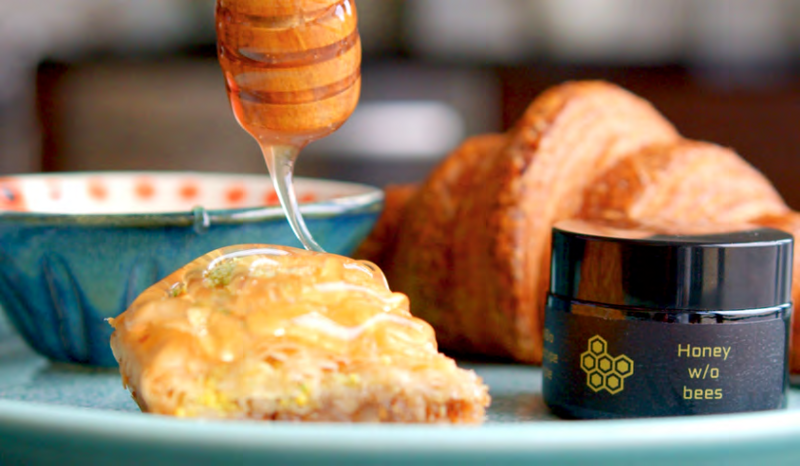
Revolutionizing sweet culinary staples without domestic bee exploitation, melibio bee free honey fermentation creates real honey through synthetic biology. Specifically, California foodtech startup MeliBio utilizes precision microbial fermentation to convert natural plant fructose and glucose into genuine honey. Consequently, consumers enjoy golden honey identical in taste, viscosity, and antioxidant profile without disrupting delicate honeybee hives.
What Is MeliBio Bee Free Honey Fermentation?
To begin with, industrial honey production relies on managed honeybees that outcompete twenty thousand wild native bee species for floral nectar. In contrast, MeliBio analyzes the enzymatic processes occurring inside a honeybee’s gut and replicates them cleanly inside stainless steel fermentation tanks. In addition, Microorganisms produce the complex aromatic polyphenols and organic acids naturally found in floral honey.
Furthermore, because the bio-identical honey requires zero pesticides or antibiotics, it eliminates harmful residues frequently detected in supermarket brands. Meanwhile, Michelin-starred chefs utilize the product in delicate pastries, dressings, and glazes with flawless culinary performance. Therefore, food science relieves pressure on fragile ecological pollinator networks.
Why Is This Precision Honey Cool?
- Protecting Wild Native Pollinators: Relieving demand for commercial beehives prevents wild bumblebee starvation. Similar to harmonious Japanese ironcraft traditions, nature flourishes when treated with profound reverence.
- Molecular Taste Equivalence: Professional sommeliers confirm the texture, floral bouquet, and sweetness match clover honey.
- Zero Toxic Chemical Contamination: In fact, fermentation guarantees pure honey free from industrial pesticides.
- Truly Vegan Ethical Honey: Animal-free certification allows strict vegan consumers to enjoy classic honey flavors.
Why Does Cellular Agriculture Have Growth Potential?
Moreover, Modern consumers actively embrace cruelty-free, climate-positive pantry alternatives that preserve biodiversity while matching heritage flavors. Because precision fermentation scales efficiently without weather risks or colony collapse disorders, venture investors back bio-agriculture enthusiastically. Therefore, bee-free sweeteners will conquer global grocery aisles.
The Take Away
In conclusion, MeliBio proves that humanity can enjoy the sweetest gifts of nature without harming its winged stewards. When innovation walks hand in hand with empathy, the earth blossoms. Ultimately, Leave the flowers for the bees, and let wisdom sweeten our tables.
Reference Link: MeliBio Official Precision Honey Portal
32 comments
HOW COOL IS THIS “SEED”?
● ● ● ● ○
DOES IT HAVE FUTURE GROWTH POTENTIAL?
● ● ● ○ ○
A focused account of the research question would be more persuasive than predictions that all honey will be replaced. I would explain one proposed application and the work still needed. Restraint can preserve the idea’s interest while preventing an ambitious prototype from carrying claims beyond its demonstrated scope.
HOW COOL IS THIS “SEED”?
● ● ● ● ○
DOES IT HAVE FUTURE GROWTH POTENTIAL?
● ● ○ ○ ○
The award description should follow the original project record, which states a gold medal rather than first place. Communication should also distinguish vision from results. A credible campaign can make the research engaging without using competition success as proof of nutritional benefit or commercial readiness.
HOW COOL IS THIS “SEED”?
● ● ● ● ○
DOES IT HAVE FUTURE GROWTH POTENTIAL?
● ● ○ ○ ○
The replacement narrative makes a complex food system seem reducible to a technical intervention. I would ask what ecological and social relationships remain outside the design. A new production route may be worth exploring without accepting the claim that it inevitably resolves the problems associated with the existing system.
HOW COOL IS THIS “SEED”?
● ● ● ● ○
DOES IT HAVE FUTURE GROWTH POTENTIAL?
● ● ● ○ ○
The research has interest as a carefully developed method of making. Its quality should be evaluated through documented work and the properties of the resulting material. I would separate that craft from the headline promise, which can make an unfinished proposal sound more complete than the evidence supports.
HOW COOL IS THIS “SEED”?
● ● ● ● ○
DOES IT HAVE FUTURE GROWTH POTENTIAL?
● ● ○ ○ ○
A public exhibition could explain the proposal through a clear sequence from intention to evidence. The display should not make a research system look like an available consumer product. I would arrange the information so visitors can distinguish the imagined application from what the project actually demonstrates.
HOW COOL IS THIS “SEED”?
● ● ● ● ○
DOES IT HAVE FUTURE GROWTH POTENTIAL?
● ● ● ○ ○
The emotional promise is a thoughtful alternative to a familiar product, but trust requires honesty about its stage and limits. Customers should be able to ask practical questions without receiving a vision as an answer. A credible introduction values understanding over the pressure to endorse technological progress.
There is a very interesting “biotechnology trend” happening specially in the food and fashion fields, and this seed is clearly connected with it. Personally, lab-grown foods worry me a little, but this bacterial honey case seems pretty smart and reliable. In addition, preserving bees is very important, and it is also associated with another necessary trend of sustainability and preservation of the environment.
HOW COOL IS THIS “SEED”?
● ● ● ● ○
DOES IT HAVE FUTURE GROWTH POTENTIAL?
● ● ● ○ ○
The proposition offers a different production route for a familiar ingredient, but commercial value needs evidence beyond the research concept. I would test a defined application and customer response. The story should not assume that resemblance to honey establishes a viable product or immediate market replacement.
HOW COOL IS THIS “SEED”?
● ● ● ● ○
DOES IT HAVE FUTURE GROWTH POTENTIAL?
● ● ● ○ ○
Customers may understand the relationship between the proposed ingredient and conventional honey differently. Clear explanations would help them decide what matters to them. I would avoid treating interest in the research as automatic acceptance of a new product in every food tradition or cultural setting.
HOW COOL IS THIS “SEED”?
● ● ● ● ○
DOES IT HAVE FUTURE GROWTH POTENTIAL?
● ● ● ○ ○
A defined culinary trial could make the proposal easier to evaluate than a broad prediction about replacing honey. The application should fit the venue and audience. I would examine sourcing, availability and performance before translating a student research idea into a dependable hospitality offer.
HOW COOL IS THIS “SEED”?
● ● ● ● ○
DOES IT HAVE FUTURE GROWTH POTENTIAL?
● ● ○ ○ ○
An operating business needs a supported ingredient with clear specifications and reliable supply. The research description does not establish those conditions. I would keep the discussion at the proposal level until the information required for handling, procurement and consistent service is available.
HOW COOL IS THIS “SEED”?
● ● ● ● ○
DOES IT HAVE FUTURE GROWTH POTENTIAL?
● ● ○ ○ ○
The commercial questions include production cost, scale and the requirements of a particular application. A competition achievement does not answer them. I would distinguish technical ambition from a feasible investment case rather than assume a new biological route will automatically outperform established alternatives.
HOW COOL IS THIS “SEED”?
● ● ● ● ○
DOES IT HAVE FUTURE GROWTH POTENTIAL?
● ● ● ○ ○
The intention to change the relationship with bees deserves examination alongside evidence of actual effects. A responsible proposition should explain what has been designed and what remains to be demonstrated. Purpose becomes credible through accountable research and clear limits, rather than a promise of benefit inferred from removing one production step.
HOW COOL IS THIS “SEED”?
● ● ● ● ●
DOES IT HAVE FUTURE GROWTH POTENTIAL?
● ● ● ○ ○
The cultural signal is a familiar food identity being separated from its conventional maker. That raises an interesting question about what customers consider authentic. The proposal can prompt that discussion without assuming the resulting ingredient has already matched every quality or meaning associated with honey.
HOW COOL IS THIS “SEED”?
● ● ● ● ●
DOES IT HAVE FUTURE GROWTH POTENTIAL?
● ● ● ○ ○
A compelling cool signal explores a different biological route to a familiar food function. Growth requires evidence about performance and feasible production. I would assess the research ambition without repeating the blog’s award or health claims uncritically, especially where the original project page describes a more limited achievement.
The original award record gives the discussion a firmer basis. The research can remain an interesting cool signal while its achievement is described accurately, and while proposed health or market outcomes are kept separate from what the competition recognition actually establishes.
HOW COOL IS THIS “SEED”?
● ● ● ● ○
DOES IT HAVE FUTURE GROWTH POTENTIAL?
● ● ○ ○ ○
A customer may have questions about the unfamiliar production method that deserve a patient answer. The host should not treat hesitation as resistance to progress. Care means giving clear information and preserving choice while the proposal’s practical and personal implications are still being evaluated.
HOW COOL IS THIS “SEED”?
● ● ● ● ○
DOES IT HAVE FUTURE GROWTH POTENTIAL?
● ● ○ ○ ○
The idea may feel hopeful to one person and unsettling to another because honey carries familiar associations. I would leave room for those responses. An honest introduction can invite curiosity without insisting that a new production story should replace someone’s existing emotional relationship with the food.
HOW COOL IS THIS “SEED”?
● ● ● ● ○
DOES IT HAVE FUTURE GROWTH POTENTIAL?
● ● ○ ○ ○
Anyone explaining the proposal needs to distinguish the design, reported experiments and possible future applications. Training should prevent a research vision from being presented as an available, validated ingredient. Clear boundaries would make the technical story more useful than a simplified claim that bacteria now make ordinary honey.
HOW COOL IS THIS “SEED”?
● ● ● ● ○
DOES IT HAVE FUTURE GROWTH POTENTIAL?
● ● ● ○ ○
The discussion should include the people whose livelihoods and food knowledge relate to conventional honey as well as the researchers proposing an alternative. Their perspectives can reveal what the change might mean. I would avoid treating one technical route as the inevitable future for every community.
HOW COOL IS THIS “SEED”?
● ● ● ● ○
DOES IT HAVE FUTURE GROWTH POTENTIAL?
● ● ○ ○ ○
An alternative production route does not establish environmental benefit without a comparison of the full system. Energy, inputs and scale need evidence. I would also separate effects on managed and wild bees rather than assume removing bees from one process automatically demonstrates a broader conservation outcome.
HOW COOL IS THIS “SEED”?
● ● ● ● ○
DOES IT HAVE FUTURE GROWTH POTENTIAL?
● ● ● ○ ○
For the user, the practical question is whether the ingredient performs dependably in a familiar task. The complexity of production may remain elsewhere in the chain. I would evaluate a specific use rather than let a compelling research story stand in for the convenience and consistency a cook needs.
A defined recipe trial would connect the production proposal to a useful practical question. The ingredient’s behaviour should be assessed rather than assumed from its intended resemblance to honey, allowing each application to be evaluated on its own evidence.
HOW COOL IS THIS “SEED”?
● ● ● ● ○
DOES IT HAVE FUTURE GROWTH POTENTIAL?
● ● ● ○ ○
The idea gives a familiar category a distinctive identity, which can attract curiosity. Lasting desirability depends on credible performance and a clear account of what the customer receives. I would avoid letting scientific novelty create expectations the proposed ingredient has not yet been shown to meet.
Real honey, also has medicinal traits. Does this lab-induced honey have the same? I think this solution has future growth potential, specially if it can protect the bees and the keep biodiversity intact
HOW COOL IS THIS “SEED”?
● ● ● ● ○
DOES IT HAVE FUTURE GROWTH POTENTIAL?
● ● ○ ○ ○
A future hosted tasting could explain the production idea through a carefully chosen application, provided the ingredient is appropriately supported. The sense of premium care would come from honest information and choice. Exclusivity should not substitute for evidence that the product is ready for use.
HOW COOL IS THIS “SEED”?
● ● ○ ○ ○
DOES IT HAVE FUTURE GROWTH POTENTIAL?
● ○ ○ ○ ○
The blog’s lower-sugar and healthier claims should not be treated as established by the research vision. I would keep the discussion focused on the proposed production method. Personal-health comparisons require appropriate evidence about the actual ingredient, not an assumption that a laboratory route makes a familiar food beneficial.
HOW COOL IS THIS “SEED”?
● ● ● ● ○
DOES IT HAVE FUTURE GROWTH POTENTIAL?
● ● ● ○ ○
The project information should make the difference between a designed system and demonstrated results easy to see. A clear evidence trail would help readers understand the proposal. Technical diagrams should explain the method without making the precision of the presentation look like proof of complete product readiness.
HOW COOL IS THIS “SEED”?
● ● ● ● ●
DOES IT HAVE FUTURE GROWTH POTENTIAL?
● ● ● ○ ○
The culinary question is how a defined ingredient behaves in an actual recipe. Sweetness, aroma and texture need assessment rather than assumption. I would test those qualities separately from the production story before suggesting that the proposal can replace conventional honey across many different uses.
HOW COOL IS THIS “SEED”?
● ● ● ● ●
DOES IT HAVE FUTURE GROWTH POTENTIAL?
● ● ● ○ ○
The project treats a biological process as a designed production system. That is an intriguing form of making. I would examine how its components work together and what has actually been demonstrated, rather than interpret a coherent model as evidence that the complete system already performs as intended.
HOW COOL IS THIS “SEED”?
● ● ● ● ○
DOES IT HAVE FUTURE GROWTH POTENTIAL?
● ● ○ ○ ○
Customers need a clear description that supports their own dietary and cultural choices. The unfamiliar method may raise questions that a familiar product name does not answer. I would make information accessible without assuming everyone understands or welcomes the proposal in the same way.
HOW COOL IS THIS “SEED”?
● ● ○ ○ ○
DOES IT HAVE FUTURE GROWTH POTENTIAL?
● ○ ○ ○ ○
The research page does not establish the health advantage claimed in the blog. I would avoid presenting the proposed ingredient as healthier or suitable for particular medical needs. The design can be discussed as a food-production experiment while safety and clinical claims require separate, appropriate evidence.
Rate & Discuss this Signal
Calibrate the Future Signals Index with your rating below, and share your perspective in the community dialogue.
Evaluate this Creative Signal
Help calibrate the Future Signals Index. Rate this Seed on both key criteria below (scale: 2 to 10).