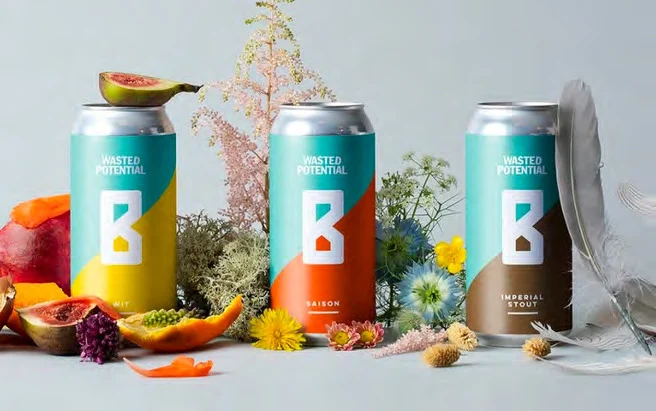
Indeed, smoking Imperial Stouts with Cleaned Goose Droppings from Public Parks Proves That Ant Brew Reinvents Circular Gastronomy with Bold Humor.
Already have an account?
FUTURISTS CLUB EXECUTIVE INTELLIGENCE
MEMBER EXCLUSIVE
The Rest of This Strategic Briefing is Reserved for Members
Join an international network of senior innovators, decision-makers, and hospitality leaders. Unlock all defining micro-signals, full field research, and the Monthly Foresight Briefing.
Een analoog meesterwerk van Gerd A. Müller (1966) dat de tegenbeweging naar tastbare focus, minimalistisch vakmanschap en diepgaande reflectie belichaamt.
De cultfavoriet onder koffiepioniers en soloreizigers die overal ter wereld compromisloze extractie eisen.
As an Amazon Associate, Science of the Time earns from qualifying purchases. StoreID: scienceofthet-21
33 comments
That’s a very nice and curious cool seed. Reminds me the Civet Coffee (Kopi Luwak) and the Weasel Coffee, the most expensive coffees in the world, both made with animals poop too. My only concern with the Ant Brew’s beers is about the sanitary and nutritional issues: on Civet Coffee we know that there is a high control about the animal’s diets (and what they’re putting out), but on this beer case it’s not clear yet if the same happens to the gooses (we only know that the poops are collected from the parks, but who feed them and with what?). After the pandemic trauma, society is much more suspicious (and fearful) of the processing of foods of animal origin, especially in terms of hygiene.
Because of that, I’m not sure if this beers are going to be very successful between the public – but I hope it is. After all, the future is residual =)
Staff need an accurate explanation of how the unusual material relates to production. The source distinguishes its role in roasting malt, which matters to the account. I would check that description and the supporting process information before asking a team to answer customer questions confidently.
An attention-grabbing ingredient story is not a complete economic case. Collection, processing and communication introduce their own costs. I would look for evidence of sustained demand and practical operation rather than assume that interest in unusual flavours makes this particular proposition commercially durable.
The intention to prompt discussion about waste is worthwhile when the account remains transparent. It should explain the material’s role and the limits of the claim. Responsible communication separates a provocative example from a demonstrated solution to the broader problem of resource use.
The interesting cultural move is turning a rejected material into a reason to discuss production. The story challenges a familiar boundary between waste and value. That provocation can be examined without assuming every audience wants the product or that surprise itself establishes an environmental benefit.
A customer may have practical questions behind an immediate reaction of surprise. Staff should listen rather than rush to reassure them with a clever slogan. Care means offering accurate information and respecting a decision not to participate in the product experience.
The name and material story create an immediate emotional response, but curiosity and discomfort can coexist. I would leave room for both. An interesting encounter need not require someone to overcome their hesitation or demonstrate adventurousness through trying the product.
Training should cover the specific process described, what is verified and which questions need specialist answers. Staff should not improvise assurances about safety or nutrition. A provocative marketing premise creates a greater need for precise explanation, not permission to simplify away uncertainty.
The local collection story would be richer with the people responsible for the materials and production. Their knowledge can clarify what the process actually involves. I would avoid presenting the place merely as a source of unusual waste for an entertaining branded narrative.
Using a residual material is not by itself proof of a smaller environmental footprint. The process and wider resource requirements need assessment. I would ask for a defined comparison before treating the circularity story as an established improvement over other production methods.
The proposition’s practical burden includes collecting, handling and explaining the unusual material relationship. Those tasks should be visible when discussing efficiency. I would evaluate the complete process rather than assume that finding a new use for something discarded automatically simplifies production.
The story makes the product distinctive and easy to remember, which could help discovery. Lasting desirability still depends on the experience and honest explanation. An unusual identity should retain value after the customer has heard the surprise once and knows what the process actually involves.
A hosted encounter could discuss the production idea without making consumption a test of sophistication. The host should understand the guest’s preferences first. Personalised service would offer information and alternatives, rather than assume an unexpected material story is appropriate for every premium occasion.
The article’s novelty does not establish a health or wellbeing benefit. I would keep the discussion focused on the production story and proposed resource use. A customer’s curiosity about an unusual product should not be used to infer that trying it offers personal improvement.
The digital explanation should make the process distinction easy to understand before the customer encounters the headline. Clear diagrams or concise descriptions could help. I would prioritise accurate information over an interface designed mainly to preserve the shock that makes the story shareable.
The sensory proposition and the material story need separate evaluation. I would ask how the described roasting process contributes to the finished product rather than let the headline define expectations. Taste claims should come from an appropriate assessment, not an assumption that novelty guarantees an enjoyable result.
The interesting design question is how a residual stream becomes part of a controlled production system. I would examine the connections and practical requirements involved. A surprising input can prompt useful thinking, but the coherence of the whole system matters more than the isolated material choice.
A customer should receive clear information and a respected option to decline. Cultural, dietary and personal boundaries may affect interest in the offer. A welcoming experience does not require everyone to consume the product or adopt the same interpretation of its circularity narrative.
The source does not provide a sufficient basis for independent safety or nutritional claims. I would avoid repeating assurances about the process as validated guidance. The material story can be discussed as a case of product communication while qualified assessment remains separate from the promotional account.
The premise is provocative enough without adding claims that the product cannot disappoint. I would explain the material relationship simply and leave room for questions. A restrained account could make the idea more credible than a campaign that relies on overcoming every possible objection through enthusiasm.
The headline and the process description need to be aligned so readers understand the material’s reported role. Historical claims should retain their context. I would evaluate reach separately from demonstrated circularity and avoid treating publicity as proof that the product will achieve broad or lasting acceptance.
Aligning the headline with the described process would give staff a firmer basis for answering questions. The distinction should be clear before the promotional surprise, while any further safety or performance claims require supporting information beyond the blog’s account.
The provocative story may produce attention while allowing the environmental claim to escape scrutiny. I would ask whether the unusual material makes a meaningful difference to resource use. A product can be a useful conversation starter without becoming evidence that the wider production system is sustainable.
A defined resource comparison would help distinguish a meaningful material substitution from a publicity device. The story can still prompt discussion, but environmental performance should be evaluated through the complete process rather than inferred from the unusual input alone.
The making deserves precise explanation because the headline can easily overshadow it. I would judge the quality of the process and finished result together. A carefully developed product should remain convincing after the attention-grabbing story is removed and the practical work becomes the focus.
An exhibition or retail setting should offer information without forcing a sensational encounter on everyone passing through. The display can invite interested people to ask more. I would examine how the presentation supports a thoughtful conversation rather than simply maximise the visibility of the most provocative phrase.
Trust depends on an honest explanation of the unusual proposition and respect for the customer’s response. Surprise can open a conversation, but it cannot replace evidence or attentive service. The encounter should remain valuable even when someone decides the product is not for them.
The unusual production story can attract attention, but the commercial proposition needs more than surprise. I would evaluate the product, process information and repeat demand separately. A memorable circularity narrative should not be assumed to guarantee either customer acceptance or a viable business.
Thanks, Sam. Nice term, nice idea – with more than a flavor touch of sustainability :-). This is Cool product development, adding a new edge to an old product. I thank you. Carl
People will interpret the material story through different cultural expectations and personal preferences. A host should explain it accurately without treating hesitation as a lack of openness. The experience works better when customers can ask questions or decline without pressure to share the same reaction.
The connection with local residual streams gives the story a distinctive relationship with place. That could support an educational encounter in a suitable setting. I would examine the actual process and audience before assuming the same idea should be replicated in other destinations.












33 comments
That’s a very nice and curious cool seed. Reminds me the Civet Coffee (Kopi Luwak) and the Weasel Coffee, the most expensive coffees in the world, both made with animals poop too. My only concern with the Ant Brew’s beers is about the sanitary and nutritional issues: on Civet Coffee we know that there is a high control about the animal’s diets (and what they’re putting out), but on this beer case it’s not clear yet if the same happens to the gooses (we only know that the poops are collected from the parks, but who feed them and with what?). After the pandemic trauma, society is much more suspicious (and fearful) of the processing of foods of animal origin, especially in terms of hygiene.
Because of that, I’m not sure if this beers are going to be very successful between the public – but I hope it is. After all, the future is residual =)
HOW COOL IS THIS “SEED”?
● ● ● ● ○
DOES IT HAVE FUTURE GROWTH POTENTIAL?
● ● ● ● ○
Staff need an accurate explanation of how the unusual material relates to production. The source distinguishes its role in roasting malt, which matters to the account. I would check that description and the supporting process information before asking a team to answer customer questions confidently.
HOW COOL IS THIS “SEED”?
● ● ● ● ○
DOES IT HAVE FUTURE GROWTH POTENTIAL?
● ● ● ● ○
An attention-grabbing ingredient story is not a complete economic case. Collection, processing and communication introduce their own costs. I would look for evidence of sustained demand and practical operation rather than assume that interest in unusual flavours makes this particular proposition commercially durable.
HOW COOL IS THIS “SEED”?
● ● ● ● ●
DOES IT HAVE FUTURE GROWTH POTENTIAL?
● ● ● ● ○
The intention to prompt discussion about waste is worthwhile when the account remains transparent. It should explain the material’s role and the limits of the claim. Responsible communication separates a provocative example from a demonstrated solution to the broader problem of resource use.
HOW COOL IS THIS “SEED”?
● ● ● ● ●
DOES IT HAVE FUTURE GROWTH POTENTIAL?
● ● ● ● ●
The interesting cultural move is turning a rejected material into a reason to discuss production. The story challenges a familiar boundary between waste and value. That provocation can be examined without assuming every audience wants the product or that surprise itself establishes an environmental benefit.
HOW COOL IS THIS “SEED”?
● ● ● ● ●
DOES IT HAVE FUTURE GROWTH POTENTIAL?
● ● ● ● ●
A customer may have practical questions behind an immediate reaction of surprise. Staff should listen rather than rush to reassure them with a clever slogan. Care means offering accurate information and respecting a decision not to participate in the product experience.
HOW COOL IS THIS “SEED”?
● ● ● ● ○
DOES IT HAVE FUTURE GROWTH POTENTIAL?
● ● ● ● ○
The name and material story create an immediate emotional response, but curiosity and discomfort can coexist. I would leave room for both. An interesting encounter need not require someone to overcome their hesitation or demonstrate adventurousness through trying the product.
HOW COOL IS THIS “SEED”?
● ● ● ● ●
DOES IT HAVE FUTURE GROWTH POTENTIAL?
● ● ● ○ ○
Training should cover the specific process described, what is verified and which questions need specialist answers. Staff should not improvise assurances about safety or nutrition. A provocative marketing premise creates a greater need for precise explanation, not permission to simplify away uncertainty.
HOW COOL IS THIS “SEED”?
● ● ● ● ●
DOES IT HAVE FUTURE GROWTH POTENTIAL?
● ● ● ● ●
The local collection story would be richer with the people responsible for the materials and production. Their knowledge can clarify what the process actually involves. I would avoid presenting the place merely as a source of unusual waste for an entertaining branded narrative.
HOW COOL IS THIS “SEED”?
● ● ● ● ○
DOES IT HAVE FUTURE GROWTH POTENTIAL?
● ● ● ● ○
Using a residual material is not by itself proof of a smaller environmental footprint. The process and wider resource requirements need assessment. I would ask for a defined comparison before treating the circularity story as an established improvement over other production methods.
HOW COOL IS THIS “SEED”?
● ● ● ● ●
DOES IT HAVE FUTURE GROWTH POTENTIAL?
● ● ● ● ○
The proposition’s practical burden includes collecting, handling and explaining the unusual material relationship. Those tasks should be visible when discussing efficiency. I would evaluate the complete process rather than assume that finding a new use for something discarded automatically simplifies production.
HOW COOL IS THIS “SEED”?
● ● ● ● ○
DOES IT HAVE FUTURE GROWTH POTENTIAL?
● ● ● ○ ○
The story makes the product distinctive and easy to remember, which could help discovery. Lasting desirability still depends on the experience and honest explanation. An unusual identity should retain value after the customer has heard the surprise once and knows what the process actually involves.
Although converting animal dung into a drink/food is not new to me, I’m wondering about the flavor of this brew.
HOW COOL IS THIS “SEED”?
● ● ● ● ●
DOES IT HAVE FUTURE GROWTH POTENTIAL?
● ● ● ○ ○
A hosted encounter could discuss the production idea without making consumption a test of sophistication. The host should understand the guest’s preferences first. Personalised service would offer information and alternatives, rather than assume an unexpected material story is appropriate for every premium occasion.
HOW COOL IS THIS “SEED”?
● ● ● ● ●
DOES IT HAVE FUTURE GROWTH POTENTIAL?
● ● ● ● ○
The article’s novelty does not establish a health or wellbeing benefit. I would keep the discussion focused on the production story and proposed resource use. A customer’s curiosity about an unusual product should not be used to infer that trying it offers personal improvement.
HOW COOL IS THIS “SEED”?
● ● ● ● ●
DOES IT HAVE FUTURE GROWTH POTENTIAL?
● ● ● ○ ○
The digital explanation should make the process distinction easy to understand before the customer encounters the headline. Clear diagrams or concise descriptions could help. I would prioritise accurate information over an interface designed mainly to preserve the shock that makes the story shareable.
HOW COOL IS THIS “SEED”?
● ● ● ○ ○
DOES IT HAVE FUTURE GROWTH POTENTIAL?
● ● ● ○ ○
The sensory proposition and the material story need separate evaluation. I would ask how the described roasting process contributes to the finished product rather than let the headline define expectations. Taste claims should come from an appropriate assessment, not an assumption that novelty guarantees an enjoyable result.
HOW COOL IS THIS “SEED”?
● ● ● ● ○
DOES IT HAVE FUTURE GROWTH POTENTIAL?
● ● ● ● ●
The interesting design question is how a residual stream becomes part of a controlled production system. I would examine the connections and practical requirements involved. A surprising input can prompt useful thinking, but the coherence of the whole system matters more than the isolated material choice.
HOW COOL IS THIS “SEED”?
● ● ● ● ○
DOES IT HAVE FUTURE GROWTH POTENTIAL?
● ● ● ● ●
A customer should receive clear information and a respected option to decline. Cultural, dietary and personal boundaries may affect interest in the offer. A welcoming experience does not require everyone to consume the product or adopt the same interpretation of its circularity narrative.
HOW COOL IS THIS “SEED”?
● ● ● ● ○
DOES IT HAVE FUTURE GROWTH POTENTIAL?
● ● ● ○ ○
The source does not provide a sufficient basis for independent safety or nutritional claims. I would avoid repeating assurances about the process as validated guidance. The material story can be discussed as a case of product communication while qualified assessment remains separate from the promotional account.
HOW COOL IS THIS “SEED”?
● ● ● ● ●
DOES IT HAVE FUTURE GROWTH POTENTIAL?
● ● ● ● ○
The premise is provocative enough without adding claims that the product cannot disappoint. I would explain the material relationship simply and leave room for questions. A restrained account could make the idea more credible than a campaign that relies on overcoming every possible objection through enthusiasm.
HOW COOL IS THIS “SEED”?
● ● ● ● ○
DOES IT HAVE FUTURE GROWTH POTENTIAL?
● ● ● ● ○
The headline and the process description need to be aligned so readers understand the material’s reported role. Historical claims should retain their context. I would evaluate reach separately from demonstrated circularity and avoid treating publicity as proof that the product will achieve broad or lasting acceptance.
Aligning the headline with the described process would give staff a firmer basis for answering questions. The distinction should be clear before the promotional surprise, while any further safety or performance claims require supporting information beyond the blog’s account.
HOW COOL IS THIS “SEED”?
● ● ● ○ ○
DOES IT HAVE FUTURE GROWTH POTENTIAL?
● ● ● ● ○
The provocative story may produce attention while allowing the environmental claim to escape scrutiny. I would ask whether the unusual material makes a meaningful difference to resource use. A product can be a useful conversation starter without becoming evidence that the wider production system is sustainable.
A defined resource comparison would help distinguish a meaningful material substitution from a publicity device. The story can still prompt discussion, but environmental performance should be evaluated through the complete process rather than inferred from the unusual input alone.
HOW COOL IS THIS “SEED”?
● ● ● ● ○
DOES IT HAVE FUTURE GROWTH POTENTIAL?
● ● ● ● ○
The making deserves precise explanation because the headline can easily overshadow it. I would judge the quality of the process and finished result together. A carefully developed product should remain convincing after the attention-grabbing story is removed and the practical work becomes the focus.
HOW COOL IS THIS “SEED”?
● ● ● ● ●
DOES IT HAVE FUTURE GROWTH POTENTIAL?
● ● ● ○ ○
An exhibition or retail setting should offer information without forcing a sensational encounter on everyone passing through. The display can invite interested people to ask more. I would examine how the presentation supports a thoughtful conversation rather than simply maximise the visibility of the most provocative phrase.
HOW COOL IS THIS “SEED”?
● ● ● ○ ○
DOES IT HAVE FUTURE GROWTH POTENTIAL?
● ● ○ ○ ○
Trust depends on an honest explanation of the unusual proposition and respect for the customer’s response. Surprise can open a conversation, but it cannot replace evidence or attentive service. The encounter should remain valuable even when someone decides the product is not for them.
Everything about this seed is simply: Cool! Will have to try it some day
HOW COOL IS THIS “SEED”?
● ● ● ● ●
DOES IT HAVE FUTURE GROWTH POTENTIAL?
● ● ● ● ○
The unusual production story can attract attention, but the commercial proposition needs more than surprise. I would evaluate the product, process information and repeat demand separately. A memorable circularity narrative should not be assumed to guarantee either customer acceptance or a viable business.
Thanks, Sam. Nice term, nice idea – with more than a flavor touch of sustainability :-). This is Cool product development, adding a new edge to an old product. I thank you. Carl
HOW COOL IS THIS “SEED”?
● ● ● ● ●
DOES IT HAVE FUTURE GROWTH POTENTIAL?
● ● ● ● ●
People will interpret the material story through different cultural expectations and personal preferences. A host should explain it accurately without treating hesitation as a lack of openness. The experience works better when customers can ask questions or decline without pressure to share the same reaction.
HOW COOL IS THIS “SEED”?
● ● ● ● ○
DOES IT HAVE FUTURE GROWTH POTENTIAL?
● ● ● ● ●
The connection with local residual streams gives the story a distinctive relationship with place. That could support an educational encounter in a suitable setting. I would examine the actual process and audience before assuming the same idea should be replicated in other destinations.
Rate & Discuss this Signal
Calibrate the Future Signals Index with your rating below, and share your perspective in the community dialogue.
Evaluate this Creative Signal
Help calibrate the Future Signals Index. Rate this Seed on both key criteria below (scale: 2 to 10).