






Indeed, cultivating Edible Insects on Kitchen Countertops Proves That Compact Micro-Farming Delivers Circular Protein and Eliminates Global Livestock Emissions.
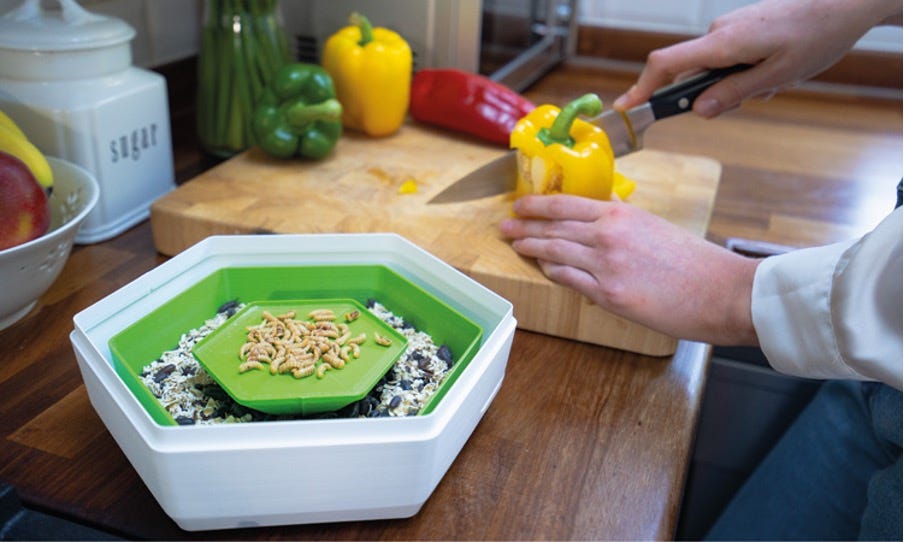
Pioneering the next frontier of domestic food resilience, the insect growing pods kitchen appliance introduces home entomophagy to modern households. Specifically, Austrian industrial designer Katharina Unger developed the LIVIN farms Hive, an automated desktop climate incubator that cultivates mealworms cleanly. Consequently, urban families harvest fresh, nutrient-dense superfood protein right beside their coffee machines.
What Is Insect Growing Pods Kitchen Appliance?
To begin with, industrial animal agriculture consumes enormous quantities of freshwater and drives extensive tropical deforestation. In contrast, mealworm cultivation requires ninety-eight percent less land and produces negligible greenhouse gas emissions. In addition, The appliance features stacked breeding trays where micro-sensors monitor temperature and air circulation.
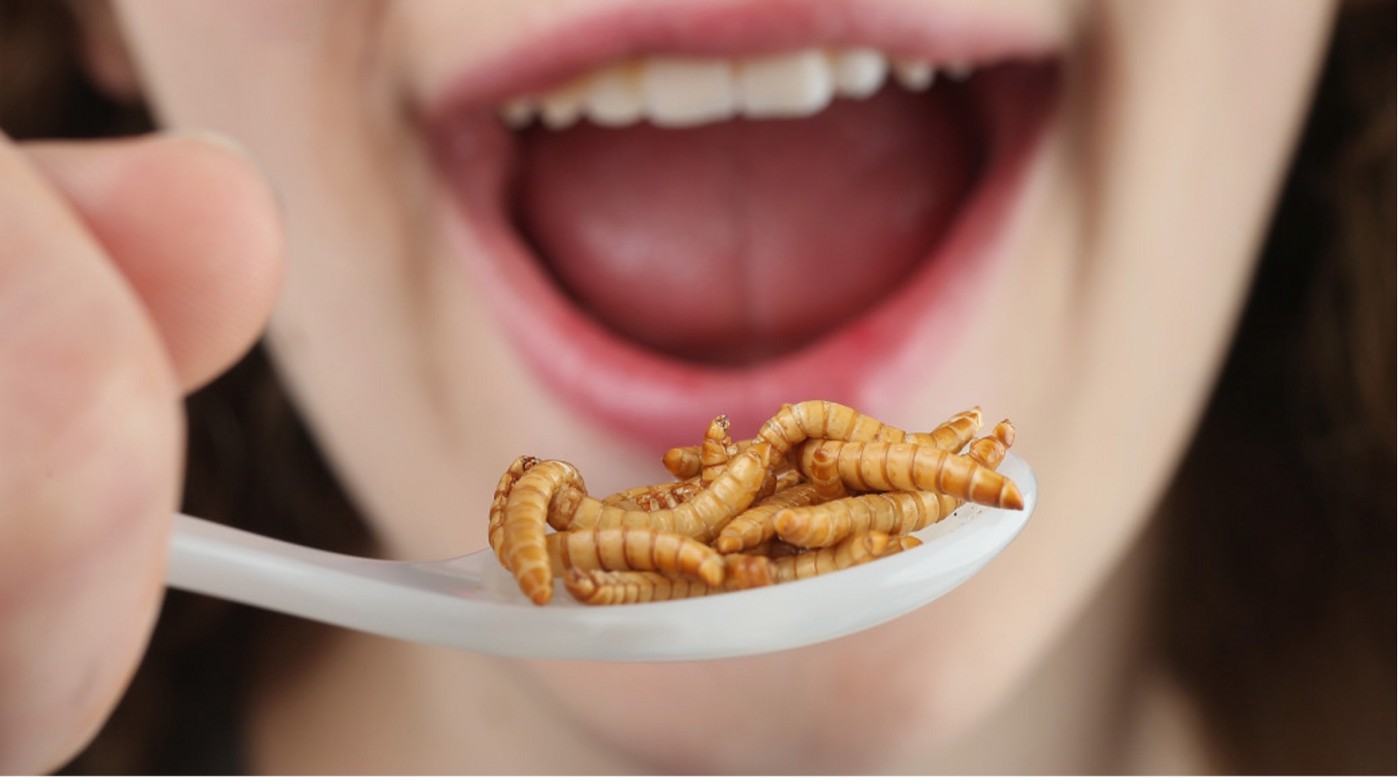
Furthermore, mealworms thrive on discarded household carrot peels, bread crusts, and apple cores, closing the domestic food waste loop completely. Meanwhile, harvested insects provide rich levels of complete protein, bioavailable iron, and prebiotic fibers. Therefore, domestic kitchens evolve from passive consumption centers into productive bio-refineries.
Why Are These Growing Pods Cool?
- Zero Food Miles Protein: High-quality protein grows directly on the kitchen counter without packaging or shipping. Similar to timeless Japanese ironcraft dedication, thoughtful craft yields remarkable self-sufficiency.
- Circular Kitchen Waste Upcycling: Vegetable trimmings turn into valuable culinary ingredients rather than landfill methane.
- Overcoming Cultural Yuck Factors: In fact, sleek minimalist Scandinavian appliance aesthetics normalize insect gastronomy.
- Supreme Nutritional Density: Mealworms match beef in protein content while providing healthy omega fatty acids.
Why Does Domestic Micro-Farming Have Growth Potential?
Moreover, Modern consumers actively seek self-reliant, climate-positive nutrition that shields household budgets from volatile agricultural supply shocks. Because compact automated bio-appliances integrate smoothly into contemporary smart homes, venture investors back domestic micro-agriculture enthusiastically. Therefore, insect growing appliances will become standard fixtures in sustainable future kitchens.
The Take Away
In conclusion, insect growing pods prove that everyday kitchen design can drive global ecological restoration. As a result, by welcoming tiny organisms into our homes, we discover immense abundance. Ultimately, Look closely at the smallest creatures; they carry the biggest solutions for tomorrow.
Reference Link: LIVIN Farms Official Bio-Incubation Portal
30 comments
HOW COOL IS THIS “SEED”?
● ● ● ● ●
DOES IT HAVE FUTURE GROWTH POTENTIAL?
● ● ● ● ○
Bringing food production indoors could change how people relate to what they eat. I am curious whether caring for insects increases willingness to eat them or strengthens hesitation. That response deserves observation rather than an assumed direction of change.
HOW COOL IS THIS “SEED”?
● ● ● ● ○
DOES IT HAVE FUTURE GROWTH POTENTIAL?
● ● ● ● ○
The interesting signal is the proposed shift from buying protein to maintaining a small production system. I would distinguish curiosity from lasting adoption. What evidence would show that this becomes an ordinary household routine rather than an occasional experiment?
Sustained use seems the right test. I would follow households beyond their first successful cycle and ask why some continue while others stop. That could reveal whether the idea changes food routines or mainly attracts short-lived curiosity.
HOW COOL IS THIS “SEED”?
● ● ● ● ○
DOES IT HAVE FUTURE GROWTH POTENTIAL?
● ● ● ● ○
A hosted introduction should give people room to hesitate. I would explain the process and offer another food choice without making a refusal uncomfortable. Could a calm conversation create more curiosity than a dramatic tasting challenge?
Giving people time to hesitate would also make a demonstration easier to host. I would explain the routine clearly and let guests decide how far they want to participate. Learning about the system need not end with tasting its output.
HOW COOL IS THIS “SEED”?
● ● ● ● ○
DOES IT HAVE FUTURE GROWTH POTENTIAL?
● ● ● ● ○
I can imagine both fascination and unease when a food source is alive in the kitchen. I would let users describe that tension. Does watching the cycle make the meal feel more meaningful, or make the final step harder?
HOW COOL IS THIS “SEED”?
● ● ● ● ○
DOES IT HAVE FUTURE GROWTH POTENTIAL?
● ● ● ● ○
The instructions need to cover everyday mistakes, not only an ideal cycle. I would ask how a beginner recognises a problem and where they obtain reliable support. Clear limits could matter more than a polished introductory demonstration.
HOW COOL IS THIS “SEED”?
● ● ● ● ○
DOES IT HAVE FUTURE GROWTH POTENTIAL?
● ● ● ● ●
I would want the discussion to include people from food cultures where insects are already familiar. What would they make of this household appliance? Their knowledge could challenge the suggestion that a new device is what gives the practice value.
HOW COOL IS THIS “SEED”?
● ● ● ● ○
DOES IT HAVE FUTURE GROWTH POTENTIAL?
● ● ● ● ●
The environmental promise needs a complete comparison. I would include materials, energy, inputs and unsuccessful cycles before judging the result. Does a household pod still offer an advantage when measured against realistic alternatives rather than the most intensive protein source?
HOW COOL IS THIS “SEED”?
● ● ● ● ●
DOES IT HAVE FUTURE GROWTH POTENTIAL?
● ● ● ○ ○
The daily routine would decide whether I found this convenient. Feeding, checking and cleaning all require attention. Could the designer show the full weekly workload so people can judge whether it suits their lives before they buy?
HOW COOL IS THIS “SEED”?
● ● ● ● ●
DOES IT HAVE FUTURE GROWTH POTENTIAL?
● ● ● ● ●
An attractive enclosure might help the idea enter a kitchen, but appearance cannot settle acceptance. I would ask users what they still find uncomfortable after living with it. Which concerns can design address, and which belong to personal food preferences?
HOW COOL IS THIS “SEED”?
● ● ● ● ○
DOES IT HAVE FUTURE GROWTH POTENTIAL?
● ● ● ● ○
In a private guest setting, I would make any tasting clearly optional and explain the ingredients beforehand. Curiosity should remain under the guest’s control. Could the experience be enjoyable for someone who wants to learn but never wants to eat?
HOW COOL IS THIS “SEED”?
● ● ● ● ●
DOES IT HAVE FUTURE GROWTH POTENTIAL?
● ● ● ● ○
Growing food can be engaging without automatically improving wellbeing. I would avoid assigning a healthy lifestyle identity to participants. What do users themselves enjoy about the routine, and do they still enjoy it when something requires extra care?
HOW COOL IS THIS “SEED”?
● ● ● ● ○
DOES IT HAVE FUTURE GROWTH POTENTIAL?
● ● ● ○ ○
A digital guide could help a beginner keep track of tasks. I would want useful prompts rather than constant notifications. Can people understand and maintain the system if they stop using the app or lose access to its support service?
HOW COOL IS THIS “SEED”?
● ● ● ● ●
DOES IT HAVE FUTURE GROWTH POTENTIAL?
● ● ● ● ○
The meal still has to taste good. I would ask how users fit a harvest into food they already like to cook. Would practical recipes encourage repeat use more effectively than asking people to admire the novelty of the ingredient?
HOW COOL IS THIS “SEED”?
● ● ● ● ●
DOES IT HAVE FUTURE GROWTH POTENTIAL?
● ● ● ● ●
The pod interests me as an object that combines containment with access for care. I would study cleaning, handling and replacement parts. Does the design remain manageable after several cycles, when the enclosure is no longer in showroom condition?
HOW COOL IS THIS “SEED”?
● ● ● ● ○
DOES IT HAVE FUTURE GROWTH POTENTIAL?
● ● ● ● ○
Access includes the ability to understand the work and choose freely. I would ask about instructions, physical handling and alternatives for people whose diet excludes the ingredient. A welcoming demonstration should leave no one embarrassed about declining.
HOW COOL IS THIS “SEED”?
● ● ● ● ○
DOES IT HAVE FUTURE GROWTH POTENTIAL?
● ● ● ● ○
I would keep the article’s nutritional appeal separate from evidence of food safety or suitability for an individual. The product needs clear, qualified information on those questions. A stylish enclosure should not be treated as proof that every harvest is suitable to eat.
HOW COOL IS THIS “SEED”?
● ● ● ● ○
DOES IT HAVE FUTURE GROWTH POTENTIAL?
● ● ● ● ●
I would favour a simple enclosure that fits into ordinary kitchen routines. The most convincing design might be one people can care for without rearranging the room. Which visible details help everyday use, and which merely make the concept photograph well?
HOW COOL IS THIS “SEED”?
● ● ● ○ ○
DOES IT HAVE FUTURE GROWTH POTENTIAL?
● ● ● ● ○
The circularity story is memorable, but the message should show the whole routine. I would explain what users must do and avoid implying effortless production. Could a candid account of an ordinary week build more trust than a perfect-cycle image?
HOW COOL IS THIS “SEED”?
● ● ● ● ●
DOES IT HAVE FUTURE GROWTH POTENTIAL?
● ● ● ● ○
The title asks whether this becomes a kitchen appliance; that is a much harder claim than whether it is intriguing. I would look for sustained use across households. How many people still want it on their counter after several months?
HOW COOL IS THIS “SEED”?
● ● ● ● ●
DOES IT HAVE FUTURE GROWTH POTENTIAL?
● ● ● ● ●
I would examine the quality of the small parts users touch repeatedly. An enclosure that is awkward to open or clean could quickly undermine enthusiasm. What feedback from long-term users has shaped the details of the design?
HOW COOL IS THIS “SEED”?
● ● ● ● ●
DOES IT HAVE FUTURE GROWTH POTENTIAL?
● ● ● ● ●
Counter space is already contested in many kitchens. I would test how the pod fits around food preparation and storage. Can people perform its maintenance tasks comfortably without moving other appliances every time they need access?
HOW COOL IS THIS “SEED”?
● ● ● ● ○
DOES IT HAVE FUTURE GROWTH POTENTIAL?
● ● ● ○ ○
The strongest promise would be an understandable way to explore household food production. I would keep the explanation honest about effort and personal choice. Could someone feel well served even if they decide the system is not right for their kitchen?
HOW COOL IS THIS “SEED”?
● ● ● ● ●
DOES IT HAVE FUTURE GROWTH POTENTIAL?
● ● ● ● ●
A kitchen pod needs to earn its place through repeated use. I would compare the cost and effort per harvest with other household protein choices. Does interest remain once the novelty of producing food at home wears off?
HOW COOL IS THIS “SEED”?
● ● ● ● ○
DOES IT HAVE FUTURE GROWTH POTENTIAL?
● ● ● ● ○
The article recognises disgust as a barrier, but food preferences also carry cultural meaning. I would ask people what they find acceptable rather than frame reluctance as ignorance. How could a demonstration invite curiosity without pressuring anyone to taste?
HOW COOL IS THIS “SEED”?
● ● ● ● ●
DOES IT HAVE FUTURE GROWTH POTENTIAL?
● ● ● ● ●
A household trial could reveal more than a broad prediction about a food revolution. I would start with willing users and observe their routines. Which local cooking habits make the pod useful, and which make it an awkward fit?
HOW COOL IS THIS “SEED”?
● ● ● ● ○
DOES IT HAVE FUTURE GROWTH POTENTIAL?
● ● ● ● ○
If a hotel demonstrated this idea, I would want clear responsibility for daily care. A display is easy to admire and harder to maintain. Who checks the pod when the enthusiastic person who introduced it is away?
HOW COOL IS THIS “SEED”?
● ● ● ● ●
DOES IT HAVE FUTURE GROWTH POTENTIAL?
● ● ● ○ ○
The business case needs realistic output and maintenance figures. I would ask how often households harvest, how many keep using the system and what replacements cost. Crowdfunding interest alone would not convince me that demand is durable.
HOW COOL IS THIS “SEED”?
● ● ● ● ○
DOES IT HAVE FUTURE GROWTH POTENTIAL?
● ● ● ● ○
Participation should begin with an honest explanation of the work involved. I would also respect households that decline for dietary or religious reasons. Could the educational value remain accessible without expecting everyone to adopt the food itself?
Rate & Discuss this Signal
Calibrate the Future Signals Index with your rating below, and share your perspective in the community dialogue.
Evaluate this Creative Signal
Help calibrate the Future Signals Index. Rate this Seed on both key criteria below (scale: 2 to 10).