







Indeed, equipping Senior Homes with Subtle IoT Activity Sensors Proves That Compassionate Technology Eliminates the Tragedy of Solitary Deaths.
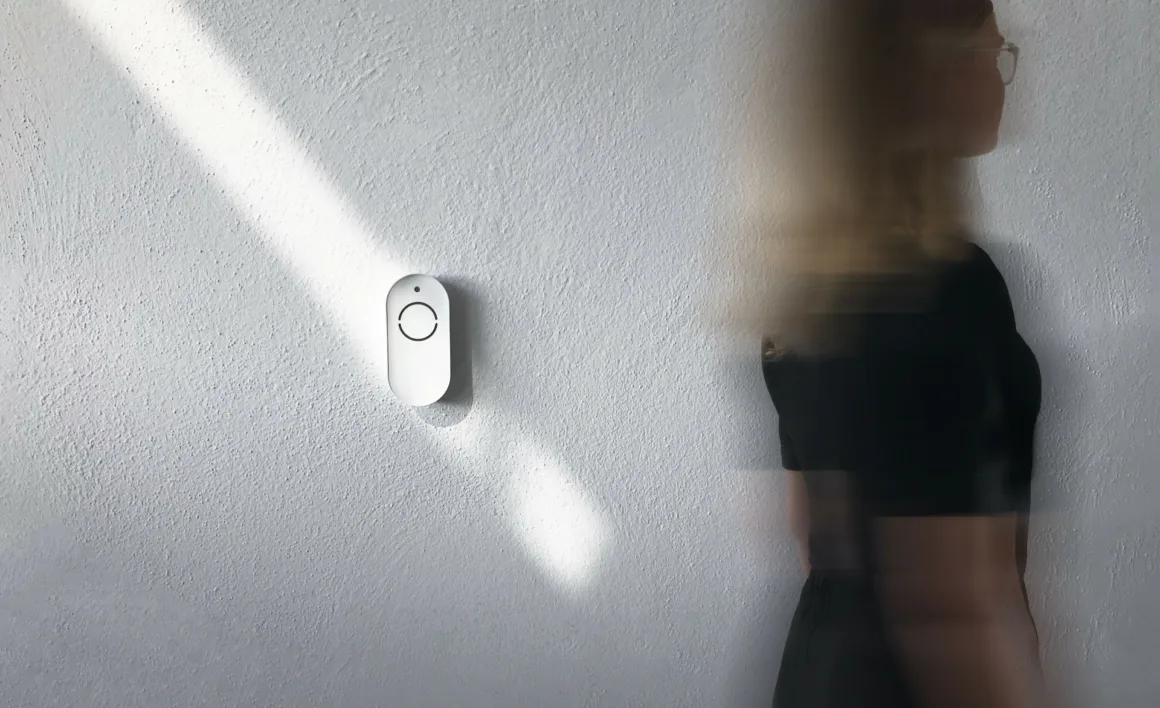
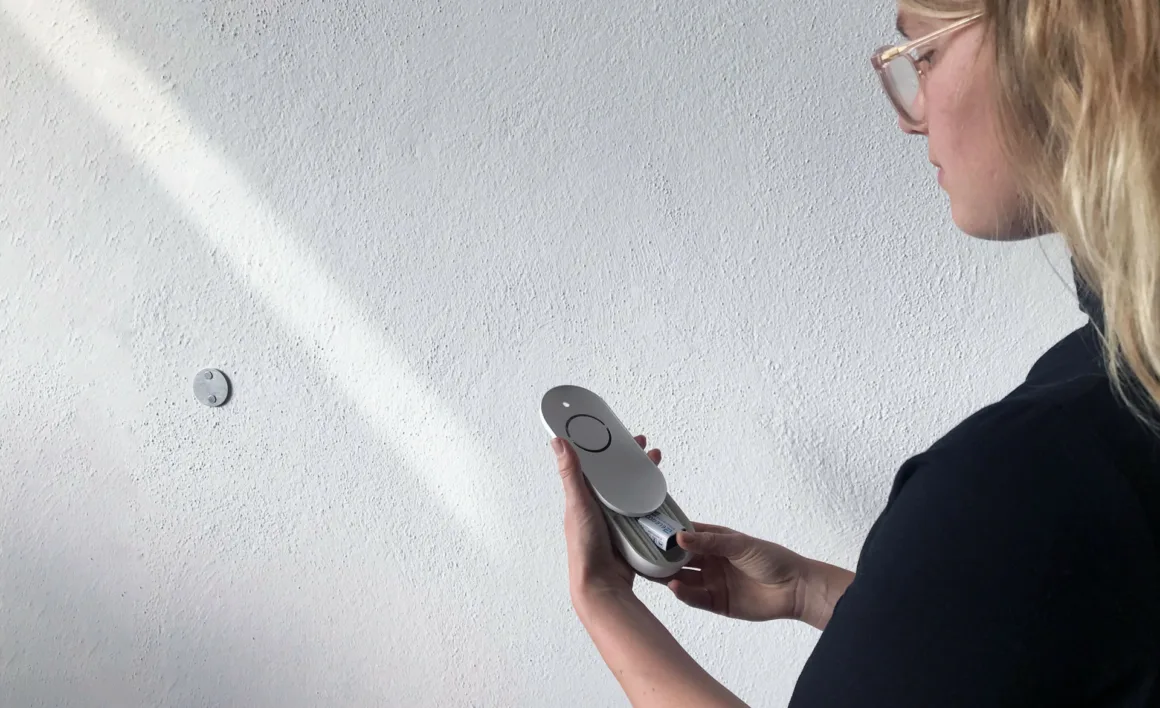
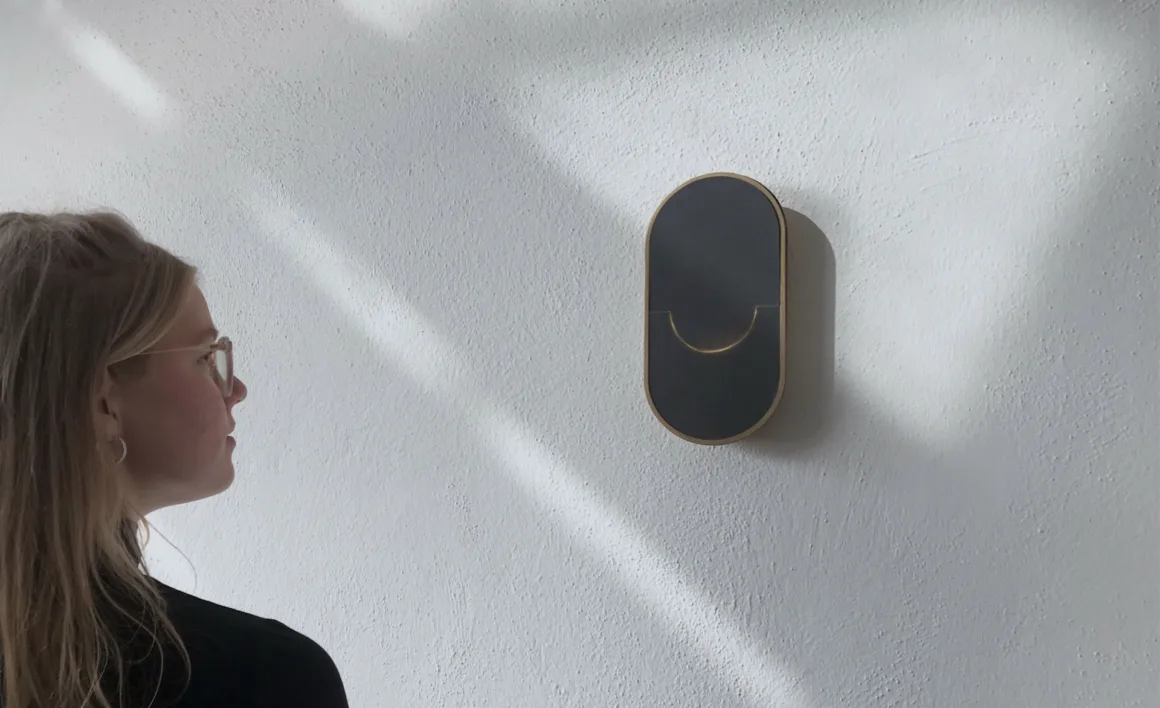
Tackling the silent tragedy of solitary elder deaths and isolated aging, the in memoriam solitary death sensor system introduces gentle domestic oversight. Specifically, industrial designer Ony Yan created an unobtrusive two-part sensory network that monitors daily movements inside the homes of elderly citizens living alone. Consequently, if prolonged inactivity indicates a medical emergency or passing, an exterior lantern quietly alerts caring neighbors.
What Is In Memoriam Solitary Death Sensor?
To begin with, millions of elderly people worldwide live without relatives nearby, sometimes passing away unnoticed for weeks in phenomena known in Japan as kodokushi. In contrast, Ony Yan’s system avoids invasive surveillance cameras or complex wearables that seniors frequently forget to charge. In addition, Instead, thermal and motion sensors track routine room transitions and kettle usage automatically.
Furthermore, when abnormal inactivity persists beyond twenty-four hours, the system illuminates a soft ambient light at the resident’s front entrance. Meanwhile, designated neighbors or community volunteers receive encrypted mobile notifications to verify the elder’s safety. Therefore, smart IoT hardware rebuilds tight-knit neighborhood safety nets without invading personal privacy.
Why Is This Care Technology Cool?
- Preserving Senior Independence: Elders live freely in their own private homes without intrusive video surveillance. Similar to deliberate Japanese craftsmanship, simple and thoughtful tools provide lasting reassurance.
- Rebuilding Civic Neighborhood Bonds: Community members take active, mutual responsibility for vulnerable neighbors living nearby.
- Preventing Tragic Kodokushi Deaths: In fact, prompt alerts ensure timely medical assistance during sudden health crises.
- Poetic Notification Aesthetics: Soft lantern light conveys concern and care rather than loud, panic-inducing sirens.
Why Does Compassionate IoT Have Growth Potential?
Moreover, Societies in Europe, East Asia, and the Americas face super-aging demographics with historic numbers of single-person households. Because municipal social services cannot visit every senior daily, automated ambient care systems bridge an urgent societal gap. Therefore, dignified elder monitoring technology will become essential municipal social infrastructure.
The Take Away
In conclusion, In Memoriam reminds us that technological innovation finds its highest calling in protecting human dignity. As a result, by keeping watch over our elders, we strengthen the soul of our neighborhoods. Ultimately, No one should ever be forgotten; love leaves the light on.
Reference Link: Design Museum Contemporary Social Design Archive
36 comments
HOW COOL IS THIS “SEED”?
● ● ● ● ○
DOES IT HAVE FUTURE GROWTH POTENTIAL?
● ● ○ ○ ○
Trust depends on honest scope, dignity and an accountable response process. The emotional meaning remains personal. A speculative object can invite reflection without promising reliable detection, shared grief or a community outcome that the proposal has not demonstrated.
HOW COOL IS THIS “SEED”?
● ● ● ● ○
DOES IT HAVE FUTURE GROWTH POTENTIAL?
● ● ● ● ○
The project proposes a visible response to a difficult social issue. Its commercial case needs a defined role and demonstrated capability. I would evaluate the concept separately from a deployable service rather than assume an evocative lamp-and-sensor scenario establishes a reliable product system.
HOW COOL IS THIS “SEED”?
● ● ● ● ○
DOES IT HAVE FUTURE GROWTH POTENTIAL?
● ● ● ● ○
Residents need a clear explanation of the proposed signal and the people responsible for responding. Different communities may interpret public visibility differently. A considerate account would not assume that one symbol of loss communicates the same meaning or expectation across every neighbourhood.
Tender symbolic tool, Mihaela. But I don’t think many people will buy it and hang it on their walls. Just In Case.
Personally, I think that you are right as well as wrong. Right in the sense that it is better to just be in touch with each other in a community instead of just leaving people lonely. On the other hand, this device shows that we want to know how others are doing. Because it serves as a security tool. The installation gives the person who will die some rest: they know they will be discovered. The caretakers/community members do not have the traumatic experience of finding a dead person in a home. Then the light is a sort of communal grieving moment. How do you think about this?
HOW COOL IS THIS “SEED”?
● ● ● ● ●
DOES IT HAVE FUTURE GROWTH POTENTIAL?
● ● ● ● ○
The idea could contribute to a design discussion about community responsibility without becoming an ordinary hospitality amenity. Its value remains context-specific. Growth should mean careful inquiry rather than assume the same public signal can be installed anywhere without practical and ethical assessment.
HOW COOL IS THIS “SEED”?
● ● ● ● ●
DOES IT HAVE FUTURE GROWTH POTENTIAL?
● ● ● ● ●
Any operational version would need reliable detection and a clear response process. Staff should not infer death from an unvalidated signal. The design can be discussed as a scenario while actual verification and appropriate action remain responsibilities for qualified people and a defined system.
HOW COOL IS THIS “SEED”?
● ● ● ● ○
DOES IT HAVE FUTURE GROWTH POTENTIAL?
● ● ● ● ○
The investment case lacks demonstrated reliability and a complete service model. I would assess testing, maintenance and response costs before deployment claims. A poignant design intention does not establish that a sensor can produce dependable information or support a viable operating programme.
HOW COOL IS THIS “SEED”?
● ● ● ● ●
DOES IT HAVE FUTURE GROWTH POTENTIAL?
● ● ● ● ○
The proposal raises questions about privacy, dignity and authority to disclose a possible event publicly. Those need a careful account. A meaningful purpose should not imply that community awareness automatically justifies a visible signal about a person’s home without agreed responsibilities and verification.
HOW COOL IS THIS “SEED”?
● ● ● ● ○
DOES IT HAVE FUTURE GROWTH POTENTIAL?
● ● ● ● ○
The work can invite discussion of how neighbours notice absence and respond to loss. Different perspectives deserve room. Its cultural value lies in opening that question rather than prescribing one public expression of grief or assuming every community will interpret the signal identically.
HOW COOL IS THIS “SEED”?
● ● ● ● ○
DOES IT HAVE FUTURE GROWTH POTENTIAL?
● ● ● ● ○
Thoughtful community care should recognise the person’s dignity rather than turn a private loss into spectacle. A signal cannot replace considerate human response. The concept is strongest when it prompts questions about responsibility without assuming that everyone nearby knows what to do or wishes to participate publicly.
This concept could work if the government forces it for elderly homes or something similar
I find it a good idea to know if someone died with the help of a home system but i think no one would buy this by themselves but maybe if it is done in a community
In my opinion, this product can be bought by community or welfare department of Government, as a social care for the elderly. Aslo, this product inspire me that the sensor can be improved to Infrared heat sensor , which can be more efficient / quickly to detect the situation of death than odors sensor. Anyway, it’s a good touch point to humantity.
HOW COOL IS THIS “SEED”?
● ● ● ● ●
DOES IT HAVE FUTURE GROWTH POTENTIAL?
● ● ● ● ●
A public lamp could evoke different reactions, including uncertainty. I would preserve space for private grief and clear information. The design should not assign an emotional response to neighbours or imply that a visible symbol makes loss easier to understand for every person.
This is so cool. It I like that it can be applied worldwide. We have similar cases in South Africa. I rate it would be more impactful if the alert went straight to hospital and authorities much like 911 calls go directly to the police. Once everyone is aware of this, there can be an immediate investigation upon sight as the body is being taken to the morg. This is next level!
HOW COOL IS THIS “SEED”?
● ● ● ● ○
DOES IT HAVE FUTURE GROWTH POTENTIAL?
● ● ● ● ○
A service adaptation would need authoritative procedures and clear role boundaries. Staff should not be asked to diagnose a situation from a design object. Practical preparation matters before any claim that the proposal can become part of a dependable community or hospitality response.
HOW COOL IS THIS “SEED”?
● ● ● ● ●
DOES IT HAVE FUTURE GROWTH POTENTIAL?
● ● ● ● ●
Community relationships should shape the proposal rather than be assumed from the presence of neighbouring homes. Local voices can reveal different expectations of care. A grounded design inquiry would recognise those differences instead of treating one signal as a universal language of shared responsibility.
HOW COOL IS THIS “SEED”?
● ● ● ● ○
DOES IT HAVE FUTURE GROWTH POTENTIAL?
● ● ● ● ○
The system’s materials, power and maintenance need assessment independently of its memorial purpose. A meaningful social story does not establish environmental performance. I would keep practical resource questions visible while acknowledging the project’s value as a prompt for discussion.
I think initiatives like this one are interesting as they are about connection, shared loss and respect for people. I can see this popping up in lots of neighbourhoods in the future. Cool indeed
HOW COOL IS THIS “SEED”?
● ● ● ● ●
DOES IT HAVE FUTURE GROWTH POTENTIAL?
● ● ● ● ●
The signal needs an understandable meaning and a defined route to appropriate response. Ambiguity could undermine the intended purpose. A useful system would clarify what has been detected and what remains uncertain rather than ask passers-by to interpret an illuminated object on their own.
The interface should make uncertainty explicit before any public signal is interpreted. A sensor reading and a verified event need different meanings and different responsibilities.
HOW COOL IS THIS “SEED”?
● ● ● ● ●
DOES IT HAVE FUTURE GROWTH POTENTIAL?
● ● ● ○ ○
The object should not become a premium symbol of a supposedly more caring community. Its value depends on practical responsibility and respect. A refined appearance cannot establish that residents receive dependable support or that public visibility is the right form of attention for every home.
HOW COOL IS THIS “SEED”?
● ● ● ● ●
DOES IT HAVE FUTURE GROWTH POTENTIAL?
● ● ● ● ●
The home is a private setting, so any public signal requires careful agreement and limits. Detection is not the same as permission to disclose. The proposal should keep those questions visible rather than assume a discreet-looking object resolves privacy simply through its form.
HOW COOL IS THIS “SEED”?
● ● ● ● ○
DOES IT HAVE FUTURE GROWTH POTENTIAL?
● ● ● ● ●
The concept should not promise to prevent trauma or improve grief outcomes. Those are separate claims requiring evidence. I would present the work as a speculative design inquiry rather than a therapeutic or protective service whose emotional effects have been established.
HOW COOL IS THIS “SEED”?
● ● ● ● ●
DOES IT HAVE FUTURE GROWTH POTENTIAL?
● ● ● ● ●
The interface needs to distinguish a sensor reading from a verified event. Reliability, false signals and information access are central questions. A trustworthy system would communicate uncertainty instead of turning a technical output into an automatic public declaration about the person inside a home.
HOW COOL IS THIS “SEED”?
● ● ● ● ●
DOES IT HAVE FUTURE GROWTH POTENTIAL?
● ● ● ● ○
The proposal should not be transferred casually into unrelated hospitality routines. Its subject and response requirements are specific. A service setting can learn from the importance of noticing people without treating a speculative detection object as a general solution to community care.
HOW COOL IS THIS “SEED”?
● ● ● ● ●
DOES IT HAVE FUTURE GROWTH POTENTIAL?
● ● ● ● ●
The system combines sensing with a symbolic object visible outside the home. That relationship deserves critical design assessment. The lamp’s expressive clarity is not enough if the information behind it is uncertain or the practical action it invites has not been defined.
HOW COOL IS THIS “SEED”?
● ● ● ● ○
DOES IT HAVE FUTURE GROWTH POTENTIAL?
● ● ● ● ○
Residents and responders may have different communication requirements and views about public visibility. The proposal needs deliberate participation rather than a universal assumption. Inclusion would involve people shaping the system’s terms, not simply interpreting the same signal after it has been installed.
HOW COOL IS THIS “SEED”?
● ● ● ● ○
DOES IT HAVE FUTURE GROWTH POTENTIAL?
● ● ● ○ ○
A proposed sensor does not establish a reliable determination of death or an appropriate response. The work should make its speculative status clear. Qualified assessment and defined procedures remain necessary rather than being replaced by a visually persuasive signal or broad assurance about earlier awareness.
HOW COOL IS THIS “SEED”?
● ● ● ● ●
DOES IT HAVE FUTURE GROWTH POTENTIAL?
● ● ● ● ○
A restrained memorial object can carry a difficult subject without becoming spectacle. Its meaning should still be clear and agreed. Quiet form alone cannot settle whether public notification is appropriate, so the design should leave that question open to the people whose lives it concerns.
HOW COOL IS THIS “SEED”?
● ● ● ● ○
DOES IT HAVE FUTURE GROWTH POTENTIAL?
● ● ● ● ○
Communication should distinguish the scenario from tested product performance. Avoid guarantees of detection or reduced trauma. A precise campaign can explain the designer’s motivation while keeping practical and emotional outcomes separate from the power of the concept’s visual narrative.
HOW COOL IS THIS “SEED”?
● ● ● ● ○
DOES IT HAVE FUTURE GROWTH POTENTIAL?
● ● ● ● ●
The proposal risks turning a social responsibility into a technical signal while leaving relationships unresolved. I would preserve that tension. Its critical value may lie in asking why absence goes unnoticed rather than claiming one sensor-and-lamp system supplies a complete community response.
The social question deserves to remain central. The object could prompt a discussion of relationships and responsibility without being presented as a complete substitute for people noticing and caring about one another.
HOW COOL IS THIS “SEED”?
● ● ● ● ●
DOES IT HAVE FUTURE GROWTH POTENTIAL?
● ● ● ● ○
Craft appears in the object’s material and symbolic care, but its practical authority needs separate evidence. A refined lamp should not make an unverified scenario feel settled. The design is more convincing when its finish supports inquiry rather than implies technical reliability.
HOW COOL IS THIS “SEED”?
● ● ● ● ○
DOES IT HAVE FUTURE GROWTH POTENTIAL?
● ● ● ● ○
Placement at a home’s entrance changes the relationship between private space and public interpretation. That boundary needs deliberate assessment. Spatial design should not assume every visible position communicates respectfully or that passers-by share a clear understanding of the action expected from them.
Rate & Discuss this Signal
Calibrate the Future Signals Index with your rating below, and share your perspective in the community dialogue.
Evaluate this Creative Signal
Help calibrate the Future Signals Index. Rate this Seed on both key criteria below (scale: 2 to 10).