







Indeed, cultivating Salt-Tolerant Halophytes in Lagoon Wetlands Proves That Saline Agriculture Adapts Coastal Cities to Climate Change and Rising Ocean Waters.
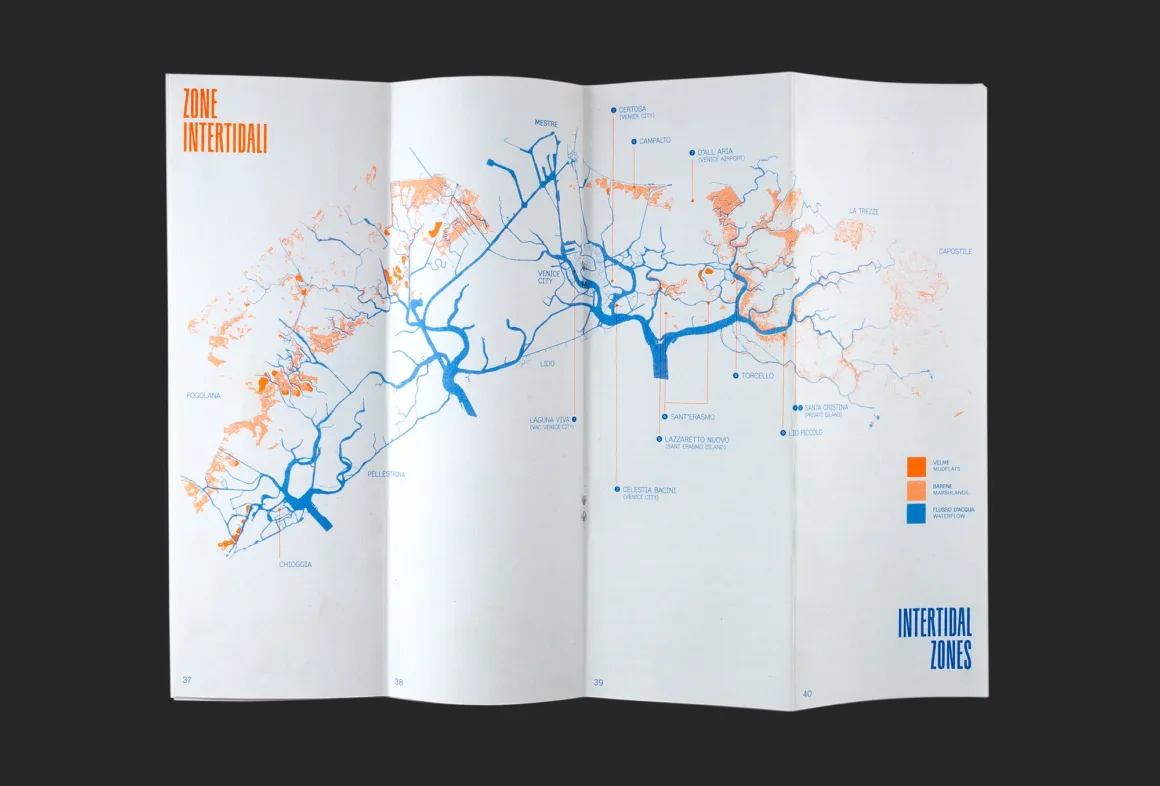
Facing extreme high tides and increasing soil salinity, the venice saline lagoon agriculture project turns climate vulnerability into culinary resilience. Specifically, design researchers at Studio GISTO partnered with Venetian marine ecologists to develop Raccogliere, an initiative farming edible halophytes along the lagoon marshlands. Consequently, salt-loving sea asparagus and coastal succulents produce delicious gastronomic ingredients without requiring scarce freshwater irrigation.
What Is Venice Saline Lagoon Agriculture?
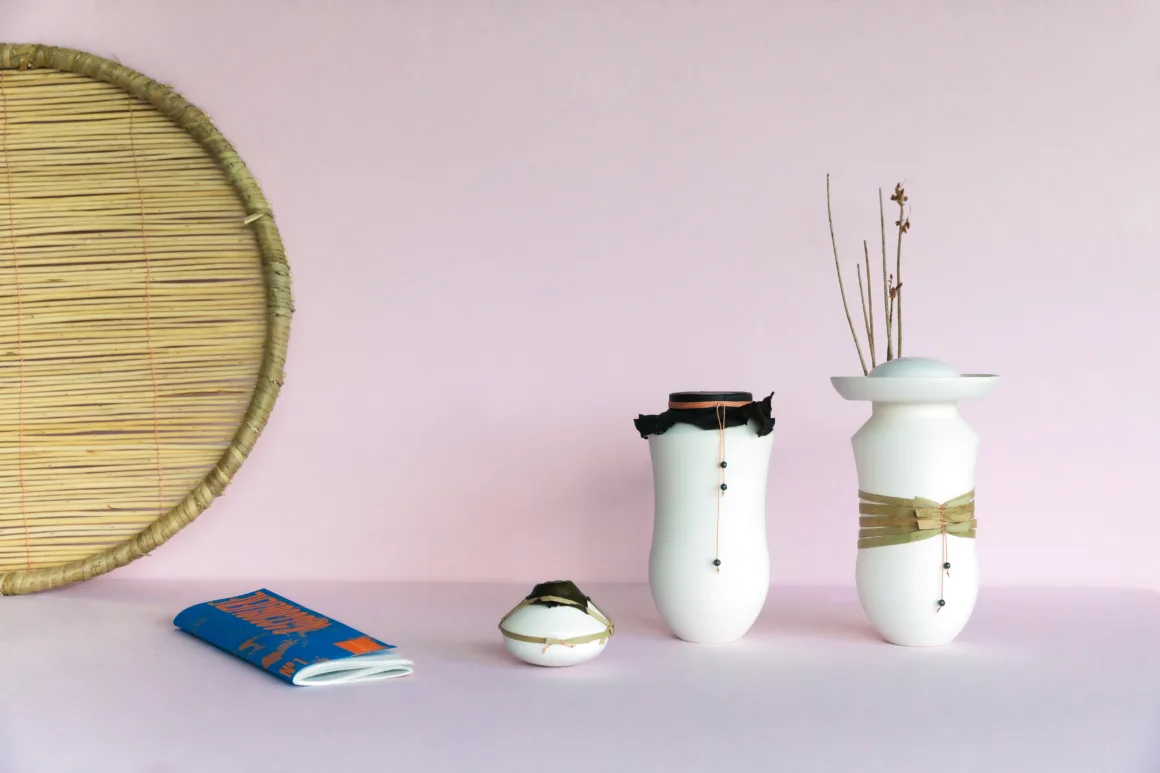
To begin with, Mediterranean sea level rise continually floods Venetian soil with salt water, rendering traditional terrestrial vegetables impossible to grow. In response, Raccogliere introduces custom stainless steel harvesting tools, specialized drying trays, and natural paper packaging made from discarded marsh plants. Farmers cultivate native Salicornia, sea aster, and sea fennel directly along the salty shoreline.
Furthermore, halophyte crops absorb atmospheric carbon while filtering brackish water, strengthening delicate coastal wetland ecosystems against erosion. Meanwhile, prestigious Venetian restaurants incorporate these mineral-rich plants into innovative seafood dishes, celebrating authentic local terroir. Therefore, culinary heritage adapts gracefully to unavoidable climate realities.
Why Is This Saline Farming Cool?
- Zero Freshwater Irrigation: Halophyte crops thrive on pure ocean salinity, conserving precious drinking water resources. Similar to timeless Nanbu iron methods, working with nature produces unmatched culinary harmony.
- Climate-Adaptive Resilience: The project directly embraces rising sea waters rather than constructing futile concrete barriers.
- Coastal Wetland Restoration: In fact, root networks of cultivated halophytes stabilize shorelines and protect marine nurseries.
- Gastronomic Mineral Terroir: Sea succulents provide natural salinity, zinc, and crisp textures to modern haute cuisine.
Why Does Halophyte Farming Have Growth Potential?
Moreover, Coastal agriculture globally confronts soil salinization and extreme water scarcity as oceans rise and freshwater aquifers deplete. Because halophyte crops convert saline marginal lands into productive food systems without chemical fertilizers, international agro-ecologists monitor Venice closely. Therefore, saline agriculture offers a critical survival blueprint for coastal communities worldwide.
The Take Away
In conclusion, the Raccogliere initiative demonstrates that sustainable gastronomy must evolve in harmony with rising seas. As a result, by embracing salty waters, Venice discovers renewed abundance and cultural hope. Ultimately, When the tides rise, wisdom learns to harvest the sea.
Reference Link: Studio GISTO Official Architecture & Research
31 comments
HOW COOL IS THIS “SEED”?
● ● ● ● ●
DOES IT HAVE FUTURE GROWTH POTENTIAL?
● ● ● ○ ○
The signal is a publication and object set turning environmental inquiry into a participatory design proposition. Growth depends on clear distinction between speculation and demonstrated use. The project should not be treated as proof that one material adaptation resolves the broader causes of changing habitat conditions.
HOW COOL IS THIS “SEED”?
● ● ● ● ○
DOES IT HAVE FUTURE GROWTH POTENTIAL?
● ● ● ○ ○
A host can introduce the question gently without making guests responsible for solving it. Participation should be a choice. The human value lies in a clear invitation to learn rather than an expectation that every visitor adopts the project’s proposed practices immediately.
HOW COOL IS THIS “SEED”?
● ● ● ● ○
DOES IT HAVE FUTURE GROWTH POTENTIAL?
● ● ● ○ ○
The objects could support patient attention to a local process. I would leave space to observe rather than turn every activity into a lesson. A thoughtful encounter allows people to form their own relationship to the material without prescribing a feeling of independence or renewal.
HOW COOL IS THIS “SEED”?
● ● ● ○ ○
DOES IT HAVE FUTURE GROWTH POTENTIAL?
● ● ○ ○ ○
Facilitators need accurate instructions and clarity about questions requiring specialist or local expertise. They should not improvise practical recommendations from a design narrative. Training would support a meaningful discussion while preserving the difference between learning about a proposal and carrying out a validated process.
HOW COOL IS THIS “SEED”?
● ● ● ● ●
DOES IT HAVE FUTURE GROWTH POTENTIAL?
● ● ● ● ○
Local contributors should remain central to the interpretation of the plant and its use. Their knowledge is more specific than a broad story of rediscovery. A grounded account recognises continuing practices and preferred boundaries rather than presenting design as the sole source of renewed appreciation.
Local contributors’ perspectives could keep the interpretation more complete. The designers’ proposal would remain useful while recognising knowledge that existed before the project framed it for a wider audience.
HOW COOL IS THIS “SEED”?
● ● ● ● ●
DOES IT HAVE FUTURE GROWTH POTENTIAL?
● ● ● ○ ○
I would assess the proposed practices through local evidence and the wider ecological context. Natural materials do not establish harmless use. The project can make an issue visible while still needing careful distinction between adaptation, resource use and the larger environmental pressures it discusses.
HOW COOL IS THIS “SEED”?
● ● ● ● ○
DOES IT HAVE FUTURE GROWTH POTENTIAL?
● ● ● ○ ○
The publication should make the relationship between question, tools and proposed actions easy to follow. Readers need to understand what is illustrative and what is practically supported. Clear information design would preserve the inquiry without leaving essential steps to inference from attractive objects.
HOW COOL IS THIS “SEED”?
● ● ● ● ○
DOES IT HAVE FUTURE GROWTH POTENTIAL?
● ● ● ○ ○
The object set can be desirable through considered authorship and a precise story. Its value should not depend on displaying an environmentally conscious identity. A compelling design rewards actual attention and use rather than treating ownership as evidence that the purchaser has addressed the local challenge.
HOW COOL IS THIS “SEED”?
● ● ● ● ○
DOES IT HAVE FUTURE GROWTH POTENTIAL?
● ● ○ ○ ○
A private hospitality activity should respect the place’s practical boundaries and contributors’ knowledge. Bespoke service does not grant unrestricted access to resources. The host can offer an informed encounter without turning a local environmental question into a premium experience available on demand.
HOW COOL IS THIS “SEED”?
● ● ● ○ ○
DOES IT HAVE FUTURE GROWTH POTENTIAL?
● ● ○ ○ ○
The plant and preparation theme should not become a personal health promise. I would keep the project focused on design and place-based learning. Any consumption or wellbeing claim needs separate evidence rather than being inferred from natural materials or the appeal of self-sufficiency.
HOW COOL IS THIS “SEED”?
● ● ● ● ○
DOES IT HAVE FUTURE GROWTH POTENTIAL?
● ● ● ○ ○
Digital interpretation could connect the publication to credited sources and clearly labelled project stages. It should distinguish a scenario from measured results. The interface becomes useful when it supports understanding rather than makes an interactive presentation appear equivalent to a validated environmental intervention.
Obviously the climate change really changes our lives and make some cities even some islands-such like Marshall island-are on the edge of disappeared. Therefore many experts and organizations are looking for solutions to deal with this serious situation or slow down the development at least.
Probably this Plant-Solution may contribute to handle this problem which benefits the environment without using too much chemistry materials.
Thanks for sharing.
HOW COOL IS THIS “SEED”?
● ● ● ● ●
DOES IT HAVE FUTURE GROWTH POTENTIAL?
● ● ● ○ ○
The culinary opportunity needs appropriate knowledge of the actual ingredient and preparation. A design proposal alone is not sufficient guidance for consumption. A chef-led interpretation could assess flavour and technique while keeping practical claims specific and crediting the local contributors involved.
HOW COOL IS THIS “SEED”?
● ● ● ● ●
DOES IT HAVE FUTURE GROWTH POTENTIAL?
● ● ● ● ○
The tools deserve assessment through handling, maintenance and the processes they are intended to support. Material appearance alone cannot establish function. The design is strongest when its objects help people understand the inquiry and make the limits of their practical use visible.
HOW COOL IS THIS “SEED”?
● ● ● ● ○
DOES IT HAVE FUTURE GROWTH POTENTIAL?
● ● ● ○ ○
Participation should include different ways to learn about the project without requiring everyone to undertake the same activity. Clear descriptions help. The invitation becomes broader when observation and discussion are complete options rather than lesser versions of hands-on use.
HOW COOL IS THIS “SEED”?
● ● ● ○ ○
DOES IT HAVE FUTURE GROWTH POTENTIAL?
● ● ○ ○ ○
Practical activity and food-related information need appropriate expertise. Hosts should not offer personal assurances based on a plant’s natural origin. The project can remain a useful design inquiry while keeping individual suitability and health questions outside what its speculative objects establish.
HOW COOL IS THIS “SEED”?
● ● ● ● ●
DOES IT HAVE FUTURE GROWTH POTENTIAL?
● ● ● ○ ○
A restrained object set could give the material and question room to be considered. I would avoid overwhelming it with a narrative of total solutions. Quiet design can preserve the project’s openness and let the reader notice details at their own pace.
HOW COOL IS THIS “SEED”?
● ● ● ● ○
DOES IT HAVE FUTURE GROWTH POTENTIAL?
● ● ● ○ ○
The campaign should explain the project’s actual scope and credit collaborators. Future possibilities need to remain distinguishable from demonstrated outcomes. A precise story would make the inquiry more credible than a general promise that creativity and adaptation secure a community’s environmental future.
HOW COOL IS THIS “SEED”?
● ● ● ● ●
DOES IT HAVE FUTURE GROWTH POTENTIAL?
● ● ○ ○ ○
The project should not turn adaptation into an excuse to leave larger causes unexamined. Its critical value can hold both questions together. I would welcome a design that invites local agency while acknowledging that one set of objects cannot resolve wider habitat loss or climate pressures.
The adaptation idea should remain connected to the wider context. That would make the project more informative than presenting a material opportunity as a complete answer to the environmental challenge.
HOW COOL IS THIS “SEED”?
● ● ● ● ●
DOES IT HAVE FUTURE GROWTH POTENTIAL?
● ● ● ○ ○
Craft appears in the publication and the way its objects support a specific process. Their quality should be judged through use and explanation. A considered set can be appealing without asking natural materials or elegant form to establish every ecological and practical claim.
HOW COOL IS THIS “SEED”?
● ● ● ● ○
DOES IT HAVE FUTURE GROWTH POTENTIAL?
● ● ● ○ ○
An installation should show the relationship between objects, material and interpretation clearly. Visitors need a route into the inquiry without confusion about what they may handle. Spatial design can support deliberate participation rather than treating the tool set mainly as a decorative environmental display.
HOW COOL IS THIS “SEED”?
● ● ● ● ○
DOES IT HAVE FUTURE GROWTH POTENTIAL?
● ● ● ○ ○
The emotional connection can come from discovering a specific local question through thoughtful interpretation. The visitor chooses its personal meaning. Honest scope and credited relationships would support trust without promising that every participant feels empowered or leaves with a proven solution.
HOW COOL IS THIS “SEED”?
● ● ● ● ○
DOES IT HAVE FUTURE GROWTH POTENTIAL?
● ● ● ○ ○
The project makes a local question tangible through objects and communication. Its commercial use needs a defined audience and practical model. I would assess actual participation rather than assume the speculative proposition already provides a proven product system ready for broad distribution.
HOW COOL IS THIS “SEED”?
● ● ● ● ○
DOES IT HAVE FUTURE GROWTH POTENTIAL?
● ● ● ○ ○
Readers need a clear explanation of the local context and the project’s speculative role. International interest should not flatten its specificity. A welcoming interpretation can invite learning without suggesting that the same materials and practices are appropriate in every place facing environmental change.
HOW COOL IS THIS “SEED”?
● ● ● ● ●
DOES IT HAVE FUTURE GROWTH POTENTIAL?
● ● ● ○ ○
The design could help a destination explain a local issue through specific knowledge and objects. Its value should remain grounded in that place. Growth is stronger as carefully adapted inquiry than as a formula assumed to work wherever tourism seeks an environmental story.
HOW COOL IS THIS “SEED”?
● ● ● ○ ○
DOES IT HAVE FUTURE GROWTH POTENTIAL?
● ● ○ ○ ○
A hospitality application would need clear responsibilities for object care and activity guidance. The publication’s concept does not establish operating procedures by itself. Teams should understand the proposed use and its limits before presenting it as a practical guest experience.
HOW COOL IS THIS “SEED”?
● ● ● ● ○
DOES IT HAVE FUTURE GROWTH POTENTIAL?
● ● ○ ○ ○
The investment case depends on whether the project remains an exhibition, publication or working system. Each has different costs and demand. A strong speculative narrative is useful without proving that the tools can support an economical or repeatable programme at larger scale.
HOW COOL IS THIS “SEED”?
● ● ● ● ●
DOES IT HAVE FUTURE GROWTH POTENTIAL?
● ● ● ○ ○
The community purpose needs clear participation and recognition of contributors. Local people should help define the inquiry rather than appear as subjects of a designer’s solution. Credibility grows when responsibilities and limits are explicit, including what the project does not claim to resolve.
HOW COOL IS THIS “SEED”?
● ● ● ● ●
DOES IT HAVE FUTURE GROWTH POTENTIAL?
● ● ● ● ○
The work can invite readers to reconsider what counts as a resource through local knowledge. Contributors deserve their own voices within that interpretation. The encounter becomes richer when a plant opens discussion of place rather than becomes a convenient symbol for solving an entire environmental challenge.
Rate & Discuss this Signal
Calibrate the Future Signals Index with your rating below, and share your perspective in the community dialogue.
Evaluate this Creative Signal
Help calibrate the Future Signals Index. Rate this Seed on both key criteria below (scale: 2 to 10).