


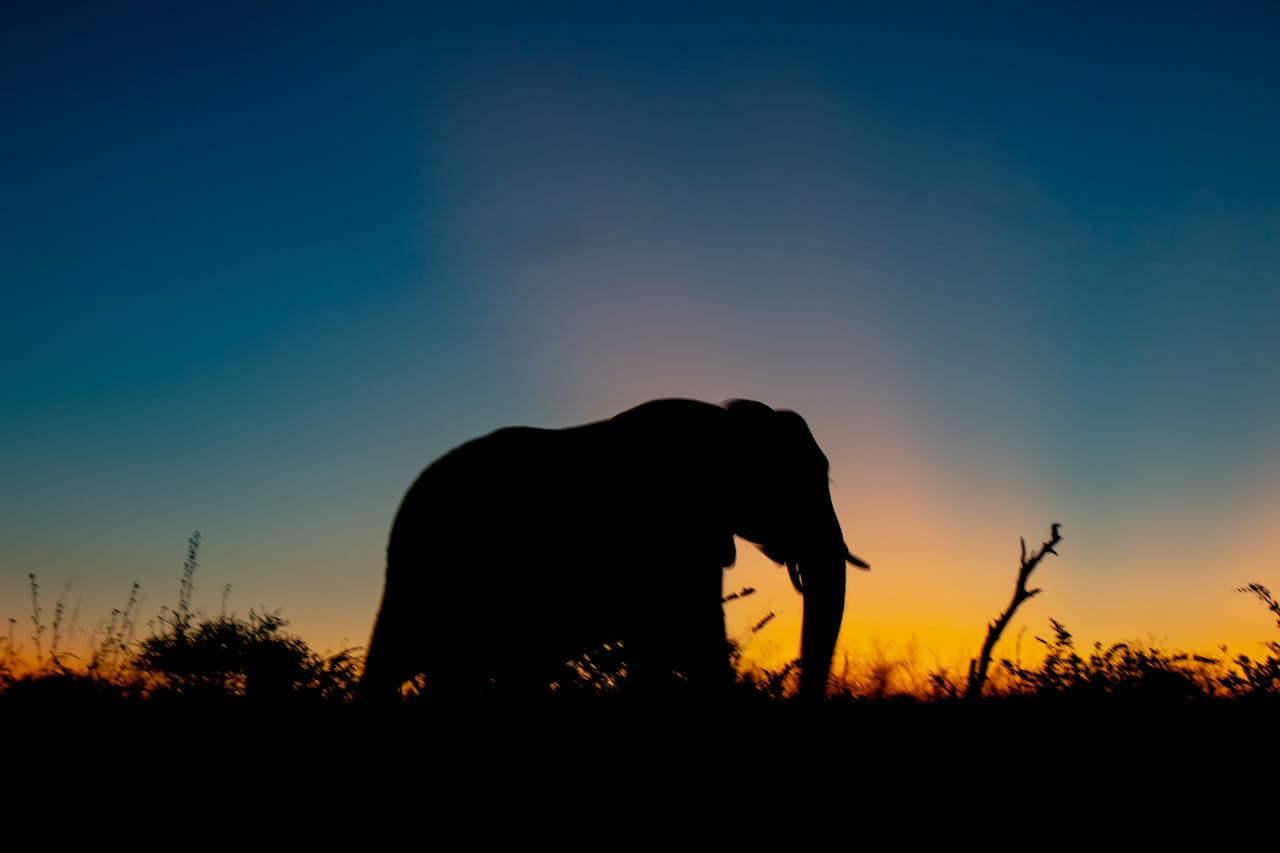
Indeed, gliding Silently Through African Grasslands in Electric Safari Vehicles Proves That Zero-Emission Quietness Revolutionizes Wildlife Encounters.
Replacing rumbling diesel engines with whisper-quiet electric drivetrains, an electric silent safari experience transforms game drives into pure natural immersion. Specifically, eco-conscious lodges like Green Safaris in Zambia converted off-road vehicles into solar-powered electric cruisers. Consequently, wildlife remains completely undisturbed while travelers hear every rustle of the African savanna.
What Is an Electric Silent Safari Experience?
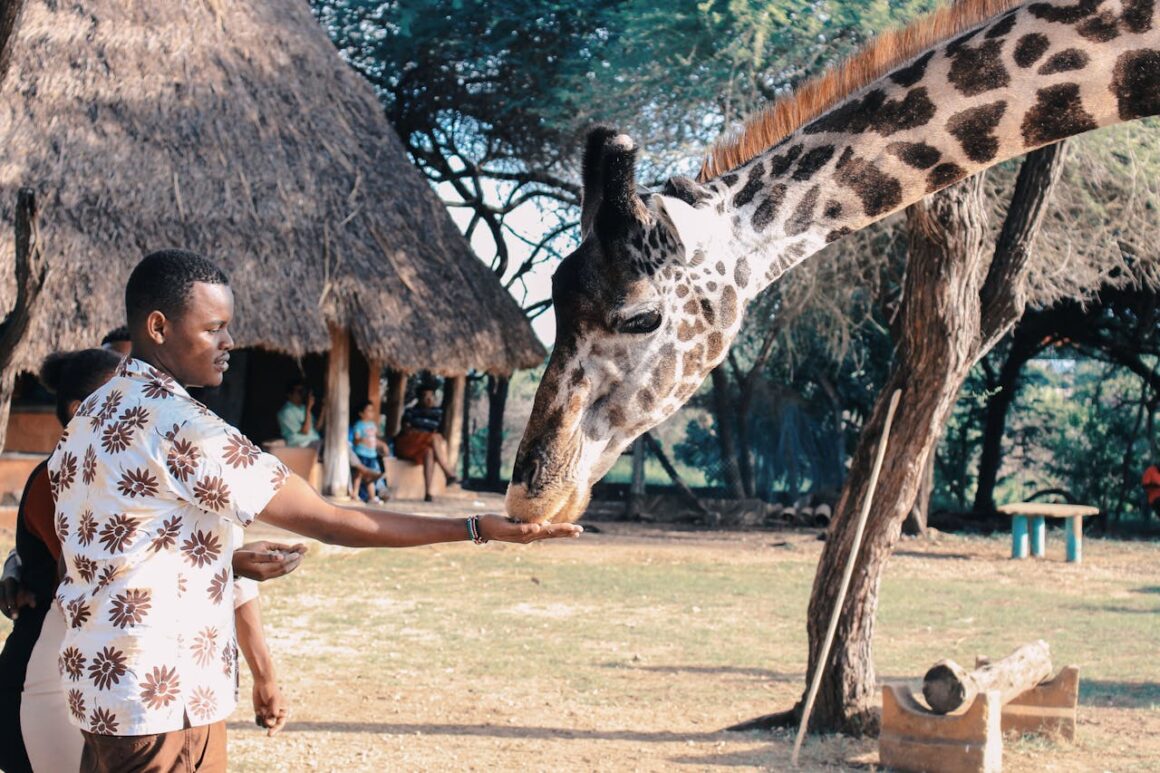
To begin with, safari vehicles and river boats feature electric motors powered by extensive on-site solar panel farms. Furthermore, the absence of engine vibration allows photographers to capture razor-sharp images of lions, leopards, and elephants at close range. Guides converse in soft natural voices rather than shouting over roaring combustion engines.
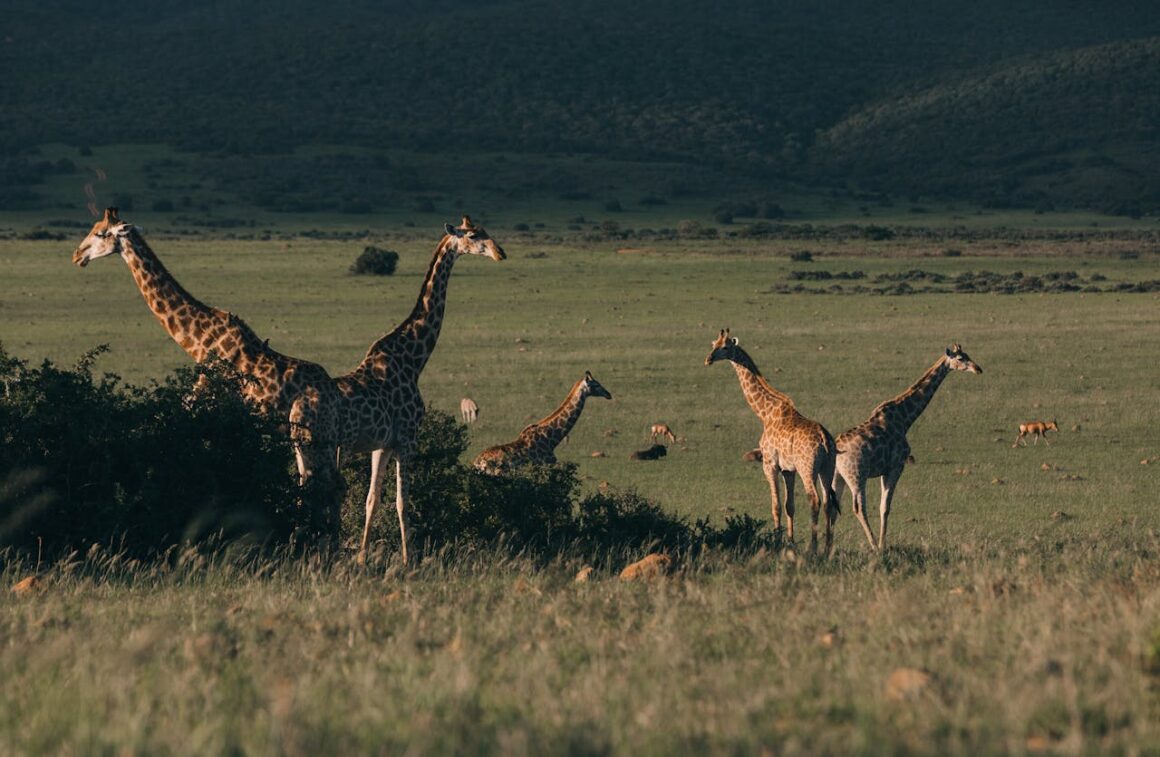
In addition, animals that normally flee diesel fumes and noise remain completely relaxed, allowing guests to observe authentic predatory stalks and herd interactions. Meanwhile, zero tailpipe emissions protect sensitive savanna vegetation and national park air quality. Therefore, clean electric technology creates a respectful, deeply thrilling safari experience.
Why Is This Solar Electric Safari Cool?
- Unbroken Natural Savanna Acoustics: Guests hear birdsong, leopard footfalls, and wind rustling through acacia trees. Similar to delicate artisanal craftsmanship, quiet precision reveals true magic.
- Intimate Animal Behavior: Elephants and big cats tolerate silent electric vehicles at much closer distances without feeling threatened.
- Zero Tailpipe Fumes: In fact, travelers inhale fresh African wilderness air completely free from diesel exhaust.
- Hundred Percent Solar Powered: Off-grid solar farms recharge electric vehicle battery banks cleanly during daylight hours.
Why Does E-Safari Technology Have Growth Potential?
Moreover, Conservation-minded luxury safari travelers actively seek carbon-neutral wilderness operators that minimize disruption to endangered species. Because electric drivetrains drastically lower fuel transportation costs to remote bush camps while eliminating engine maintenance headaches, lodges gain substantial operational benefits. Therefore, electric silent safaris represent the undisputed gold standard for future wildlife tourism.
The Take Away
In conclusion, electric safaris prove that silence is the greatest luxury when exploring the wilderness. As a result, by muting mechanical noise to listen to nature, Africa reveals its purest magic. Ultimately, When you move in silence, the wilderness opens its soul to you.
Reference Link: Green Safaris Official Portal
30 comments
HOW COOL IS THIS “SEED”?
● ● ● ● ●
DOES IT HAVE FUTURE GROWTH POTENTIAL?
● ● ● ○ ○
The excursion could add depth to a destination visit through informed observation and local knowledge. The boat is a means of encounter rather than the whole proposition. Growth should connect its distinctive operation to a considered programme that respects the setting’s actual capacity.
HOW COOL IS THIS “SEED”?
● ● ● ● ●
DOES IT HAVE FUTURE GROWTH POTENTIAL?
● ● ● ○ ○
Charging, maintenance and excursion scheduling need clear operational ownership. Qualified crew should remain responsible for technical decisions and changes of plan. A lower-noise experience still requires dependable service procedures rather than an assumption that electric propulsion simplifies every part of the operation.
HOW COOL IS THIS “SEED”?
● ● ● ● ●
DOES IT HAVE FUTURE GROWTH POTENTIAL?
● ● ● ● ○
The investment case needs evidence on equipment life, charging arrangements and upkeep. I would evaluate those costs against actual utilisation and guest value. A compelling launch story is not enough to establish that the same system can be deployed economically across different sites.
HOW COOL IS THIS “SEED”?
● ● ● ● ○
DOES IT HAVE FUTURE GROWTH POTENTIAL?
● ● ● ● ●
Environmental responsibility needs a defined account of energy supply, materials and operation. Electric propulsion is one relevant feature, not proof that the excursion leaves no trace. A credible purpose would explain specific improvements and the responsibilities that remain around habitat and local participation.
A clear comparison of actual systems would help explain the improvement. Other effects could remain visible instead of being absorbed into an absolute claim that the journey leaves no trace.
HOW COOL IS THIS “SEED”?
● ● ● ● ○
DOES IT HAVE FUTURE GROWTH POTENTIAL?
● ● ● ● ○
Reduced engine noise could give guides more room to interpret the setting and invite patient attention. Their expertise should remain central. The encounter becomes richer when guests learn from people who know the place rather than treating silence alone as a complete connection to nature.
HOW COOL IS THIS “SEED”?
● ● ● ● ●
DOES IT HAVE FUTURE GROWTH POTENTIAL?
● ● ● ● ●
The signal is a technical change becoming a noticeable part of the guest experience. Growth depends on demonstrated benefits and practical site suitability. The historical article’s launch details and first-of-its-kind language should remain contextual rather than become unqualified claims about a whole category.
HOW COOL IS THIS “SEED”?
● ● ● ● ○
DOES IT HAVE FUTURE GROWTH POTENTIAL?
● ● ● ○ ○
A thoughtful guide can help guests notice ordinary details without promising a dramatic sighting. Quiet time should feel complete in itself. Human care matters when the excursion’s conditions differ from expectations and the visitor needs an honest explanation rather than another promotional assurance.
Patient interpretation can make an ordinary moment worth noticing. The guide would help guests value the setting without needing a dramatic wildlife appearance to validate the excursion.
HOW COOL IS THIS “SEED”?
● ● ● ● ●
DOES IT HAVE FUTURE GROWTH POTENTIAL?
● ● ● ● ●
A less noisy journey may invite attention, but the guest should choose how much conversation they want. I would preserve periods of quiet observation. The experience should not require every moment to feel magical or become an account of personal transformation.
HOW COOL IS THIS “SEED”?
● ● ● ● ●
DOES IT HAVE FUTURE GROWTH POTENTIAL?
● ● ● ● ○
Guest-facing teams need accurate descriptions of the excursion and clear routes to qualified technical answers. They should not improvise operating assurances. A practical briefing would help staff explain the electric system’s role without turning enthusiasm into claims they cannot support.
HOW COOL IS THIS “SEED”?
● ● ● ● ○
DOES IT HAVE FUTURE GROWTH POTENTIAL?
● ● ● ● ○
The craft references deserve accurate attribution and local voices in the interpretation. Traditional form should not be treated as anonymous inspiration for modern technology. Contributors can help guests understand the boat and place through specific knowledge rather than a simplified story of innovation meeting timeless culture.
HOW COOL IS THIS “SEED”?
● ● ● ● ○
DOES IT HAVE FUTURE GROWTH POTENTIAL?
● ● ● ● ○
I would assess energy sourcing, battery lifecycle and the excursion’s wider effects before accepting low-impact language. Quieter propulsion can be relevant without settling habitat questions. The environmental account should compare actual operating systems rather than infer complete responsibility from the absence of a conventional engine sound.
HOW COOL IS THIS “SEED”?
● ● ● ● ●
DOES IT HAVE FUTURE GROWTH POTENTIAL?
● ● ● ○ ○
Guests need clear timing, boarding information and explanations of possible changes. Practical preparation can support quiet enjoyment rather than compete with it. The service works best when it removes avoidable uncertainty while acknowledging that an outdoor excursion cannot be guaranteed to unfold exactly as advertised.
HOW COOL IS THIS “SEED”?
● ● ● ● ●
DOES IT HAVE FUTURE GROWTH POTENTIAL?
● ● ● ● ○
The unusual boat offers a distinctive story, but desirability should rest on the actual journey and considered service. An electric label alone is insufficient. The strongest premium identity would make restraint and informed appreciation part of the experience without turning environmental language into a status accessory.
HOW COOL IS THIS “SEED”?
● ● ● ● ●
DOES IT HAVE FUTURE GROWTH POTENTIAL?
● ● ● ● ○
A small-group or private excursion should be clear about what can be tailored within operating limits. Discreet service can support personal preferences without granting control over technical decisions. The boat’s quieter character may enrich privacy, but it does not make every bespoke request appropriate.
HOW COOL IS THIS “SEED”?
● ● ● ● ○
DOES IT HAVE FUTURE GROWTH POTENTIAL?
● ● ● ● ○
A quiet outing can be enjoyable without promising a particular wellbeing effect. I would describe the journey and optional participation plainly. Guests may find it absorbing or restful, but those personal responses do not establish that electric propulsion produces emotional restoration.
HOW COOL IS THIS “SEED”?
● ● ● ● ●
DOES IT HAVE FUTURE GROWTH POTENTIAL?
● ● ● ● ○
Digital excursion information could clarify schedules, support and the role of the propulsion system. Its usefulness would lie in accurate preparation. The interface should not turn a technical feature into a guarantee of zero impact or encourage unsupported assumptions about independent boat use.
HOW COOL IS THIS “SEED”?
● ● ● ● ○
DOES IT HAVE FUTURE GROWTH POTENTIAL?
● ● ● ● ●
Refreshments can support the excursion through clear ingredients and dependable handling. Their quality should remain practical rather than become another theme of sustainable luxury. Guests should be able to enjoy the journey without assuming every service detail carries a demonstrated environmental benefit.
HOW COOL IS THIS “SEED”?
● ● ● ● ●
DOES IT HAVE FUTURE GROWTH POTENTIAL?
● ● ● ● ○
The boat combines a familiar form with a different propulsion system, creating an interesting design problem. Function, maintenance and ordinary boarding deserve attention alongside appearance. The concept becomes convincing when the technical change works naturally within a dependable guest experience.
HOW COOL IS THIS “SEED”?
● ● ● ● ●
DOES IT HAVE FUTURE GROWTH POTENTIAL?
● ● ● ● ○
Boarding and participation requirements need specific descriptions before booking. A quiet ride is not automatically accessible to everyone. Clear alternatives and practical support would let visitors choose a suitable encounter without relying on broad language about effortless connection to nature.
HOW COOL IS THIS “SEED”?
● ● ● ● ○
DOES IT HAVE FUTURE GROWTH POTENTIAL?
● ● ● ● ●
Guests need clear conditions and support arrangements, with operating responsibility held by qualified crew. The article’s adventurous framing should not imply that a visitor can steer independently. Informed participation matters even when the journey is described as gentle, silent or environmentally responsible.
HOW COOL IS THIS “SEED”?
● ● ● ● ○
DOES IT HAVE FUTURE GROWTH POTENTIAL?
● ● ● ● ○
The reduced mechanical presence could let the setting carry attention without additional spectacle. I would favour simple service and room for observation. Quiet design should not become a demand that every guest remain silent or experience the excursion in one prescribed way.
HOW COOL IS THIS “SEED”?
● ● ● ● ●
DOES IT HAVE FUTURE GROWTH POTENTIAL?
● ● ● ● ○
The campaign should explain what the electric system changes and which claims have evidence. Avoid absolute language about leaving no trace. Specific, contextual communication would make the experience distinctive without presenting a technical feature as complete proof of responsible tourism.
HOW COOL IS THIS “SEED”?
● ● ● ● ○
DOES IT HAVE FUTURE GROWTH POTENTIAL?
● ● ● ● ○
The environmental story risks making premium participation feel equivalent to guardianship of the setting. I would ask what responsibilities and contributions actually follow. The excursion can be appealing while acknowledging that tourism still creates pressures beyond the choice of propulsion.
HOW COOL IS THIS “SEED”?
● ● ● ● ○
DOES IT HAVE FUTURE GROWTH POTENTIAL?
● ● ● ● ○
Craft deserves recognition in the boat’s form, finish and practical execution. Local contributions should be credited where they are part of the design. Quality is stronger when the object works dependably over time rather than mainly serving as a visual symbol of tradition and innovation.
HOW COOL IS THIS “SEED”?
● ● ● ● ●
DOES IT HAVE FUTURE GROWTH POTENTIAL?
● ● ● ● ●
The design needs comfortable boarding, clear seating and practical service movement. Those functions matter as much as the boat’s visual identity. Spatial quality appears when the excursion supports real guest behaviour rather than requiring everyone to remain in an ideal arrangement for the promotional image.
HOW COOL IS THIS “SEED”?
● ● ● ● ●
DOES IT HAVE FUTURE GROWTH POTENTIAL?
● ● ● ● ○
The emotional value can come from a thoughtfully hosted journey with a different sound and pace. Its meaning remains personal. Honest information and considerate guidance would support trust without guaranteeing magic, transformation or a positive environmental outcome from every booking.
HOW COOL IS THIS “SEED”?
● ● ● ● ○
DOES IT HAVE FUTURE GROWTH POTENTIAL?
● ● ● ● ○
A quieter water excursion can give a lodge a distinctive service proposition. Its commercial value should be assessed alongside maintenance and actual guest demand. Growth needs reliable delivery rather than assuming an electric propulsion story automatically creates a better or more profitable experience.
HOW COOL IS THIS “SEED”?
● ● ● ● ●
DOES IT HAVE FUTURE GROWTH POTENTIAL?
● ● ● ● ●
Guests need accurate information about the actual excursion, staff roles and conditions. The article’s suggestion of self-directed travel should not be treated as confirmed permission to operate the boat. Clear international communication would preserve anticipation while explaining how participation really works.
Rate & Discuss this Signal
Calibrate the Future Signals Index with your rating below, and share your perspective in the community dialogue.
Evaluate this Creative Signal
Help calibrate the Future Signals Index. Rate this Seed on both key criteria below (scale: 2 to 10).