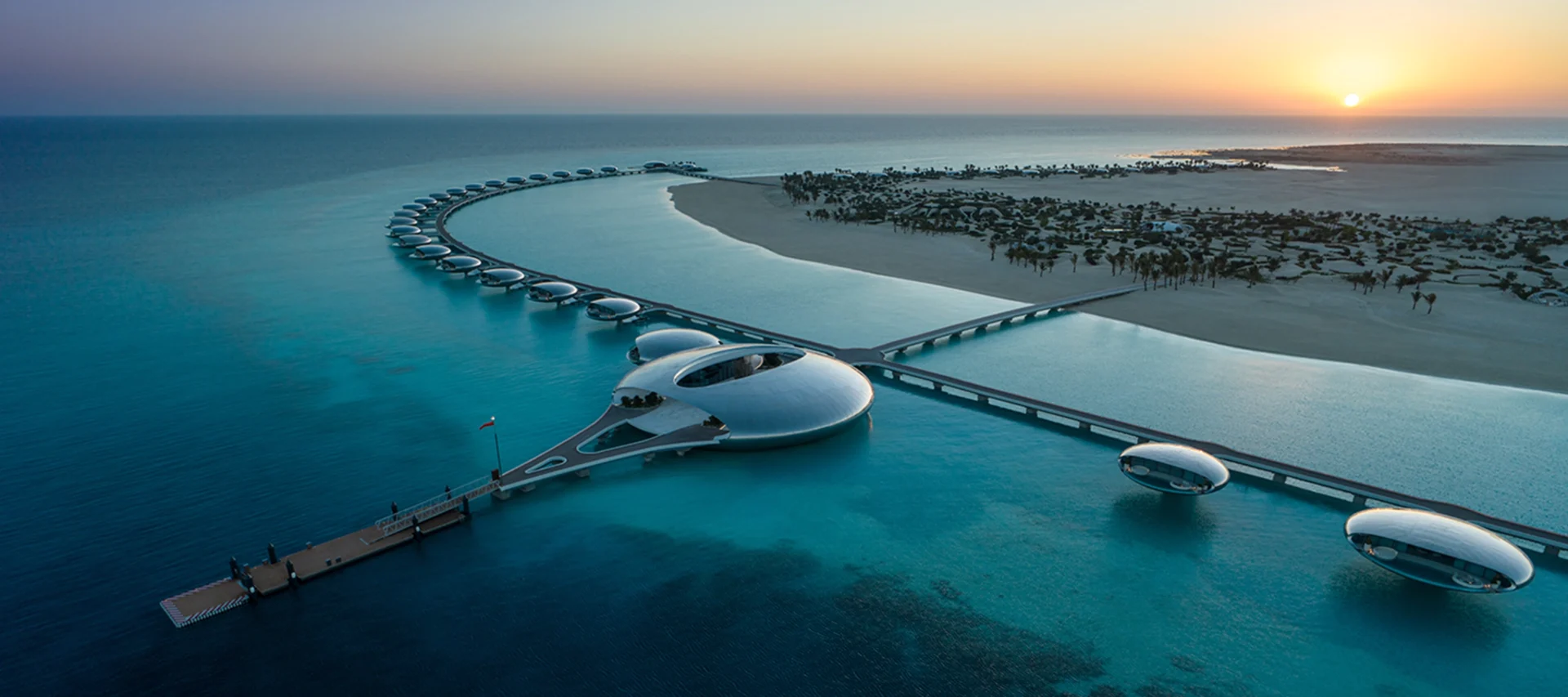
In addition, shebara gives a remote island stay a striking form: reflective steel villas above the Red Sea. Furthermore, behind their smooth surfaces sit transport, energy and water systems. Moreover, the interesting luxury is the distance between what a guest sees and the work that makes the setting habitable.
FUTURISTS CLUB • SiGNS of COOL
Author: Paola Nicole Galdámez Quezada · San Salvador, El Salvador · Volcanic Landscape & Surf Hospitality Hunter
Happy reading! Don’t forget to comment and rate
Great insights become wisdom through shared dialogue. Share your perspective, rate this creative signal, and enrich the conversation below.
Already have an account?
FUTURISTS CLUB EXECUTIVE INTELLIGENCE
MEMBER EXCLUSIVE
The Rest of This Strategic Briefing is Reserved for Members
Join an international network of senior innovators, decision-makers, and hospitality leaders. Unlock all defining micro-signals, full field research, and the Monthly Foresight Briefing.
Essentiële biohacking technologie voor circadiaan herstel en slaapoptimalisatie, centraal in de nieuwe generatie longevity hotels.
As an Amazon Associate, Science of the Time earns from qualifying purchases. StoreID: scienceofthet-21
30 comments
HOW COOL IS THIS “SEED”? ● ● ● ● ○
DOES IT HAVE FUTURE GROWTH POTENTIAL? ● ● ● ● ●
A visually dramatic exterior can coexist with a quieter interior. I would favour enough restraint for guests to stop noticing the production and simply inhabit the room. The most satisfying design may be the ordinary detail that makes a long pause comfortable.
The architectural image may create desire instantly, while a complete stay tests its substance. Guest accounts should include service and daily use. A concept becomes more durable when its appeal survives beyond the exact angle that makes it look like a future-facing landmark.
A regenerative narrative should not be inferred from mirrored surfaces or remote access. The project’s claims need their own practical evidence. The architecture can be compelling while questions about construction, resource use and ecological effects remain open to independent assessment.
The form gives the resort a signature beyond standard luxury finishes. Its authority needs craft and coherence throughout the stay. A recognisable outline should not substitute for material quality or thoughtful service once the guest has moved beyond admiring the exterior.
The unusual geometry needs to support circulation, privacy and a comfortable relationship with the view. Those qualities should be tested through actual use. A villa’s spatial success is more than the effect its exterior creates when seen from a distance.
The emotional value develops when the guest makes the unusual setting briefly their own. Good hosting supports that freedom. The stay should offer care without requiring everyone to leave with the same story of having encountered the future or been transformed by isolation.
Shebara’s visual language makes the future feel tangible, but its deeper test is whether advanced design can coexist with ecological restraint. If the operational footprint matches the architecture’s promise, this could become an important reference for regenerative high-end island hospitality.
The article would be clearer if intended performance and measured results were separated. That lets the architectural idea remain interesting while its environmental account is assessed on its own evidence.
The architecture gives the stay an immediate reason to be chosen. Guests still need to value ordinary service after the first visual impression. A private setting is more convincing when its practical care rewards the time and effort required to reach it.
The island arrival needs clear communication and a dependable handover into the stay. Guests should understand practical arrangements before departure. A striking welcome becomes more enjoyable when people can settle without managing uncertainty about what happens next.
An architectural landmark can attract attention while the operating model must sustain demand. I would assess repeat interest and guest satisfaction separately from publicity. A distinctive destination does not automatically provide a straightforward route to expanding the same concept elsewhere.
The guest should feel personally welcomed rather than merely admitted into an impressive object. Staff can make the unfamiliar setting comfortable through small ordinary gestures. The experience needs enough freedom that someone can enjoy a quiet day without a programme demonstrating the resort’s features.
The remote setting and distinctive structures bring costs beyond their visual appeal. Maintenance and logistics need to remain part of the feasibility account. The environmental ambition and the financial case should be evaluated separately rather than infer both from a coherent premium image.
A regenerative ambition needs an account of who benefits and what changes in the wider setting. Guests should be able to understand that work clearly. The project can offer a remarkable stay while its social and ecological contribution remains a separate claim requiring evidence.
The futuristic appearance can frame arrival as an encounter with a different world. The local setting should remain more than its backdrop. A host can help guests discover the place through accurate interpretation instead of make the entire stay an illustration of an imagined future.
A technologically polished room still needs a human welcome. Guests may want help with one ordinary feature rather than a demonstration of the whole environment. Staff should respond to that need without making the person feel they are failing to appreciate the experience.
The reflective form could make a familiar horizon appear unexpectedly different. I would want quieter moments to matter after that first surprise. A simple conversation or morning view can become more personal than the photograph that initially made the villa desirable.
The team needs accurate shared information about controls, transfers and guest preferences. A private stay should not require repeated explanations to different departments. Good coordination lets the encounter feel calm while the more complex operation remains behind the scenes.
The futuristic image can become so strong that the surrounding place disappears from the story. I would look for local voices and relationships beyond the architecture. A destination gains cultural depth when people can encounter more than a striking imported idea of tomorrow.
Visual reflection is different from ecological integration. The resort should explain how its operation relates to the marine environment through specific evidence. A landscape that appears undisturbed in a photograph still needs an account of resources, access and continuing care.
The whole journey needs to justify the guest’s commitment of time. Remote access can feel rewarding when arrangements remain clear and coordinated. The premium experience loses value if people spend the stay resolving logistics that could have been settled before arrival.
The recognisable form can confer distinction through access rather than a familiar object of ownership. The private value deserves a separate test. I would ask what guests enjoy when they stop documenting the villa and spend an ordinary part of the day inside it.
The setting creates a highly specific private world, which is the strongest part of its appeal. Comfort and separation need to work in practice. The guest should enjoy the whole villa naturally rather than discover that its most dramatic features also make ordinary routines harder.
Privacy and distance may suit someone seeking a different pace, but they do not establish a wellbeing outcome. Guests need room to choose their own experience. The resort can offer comfort without prescribing how the setting should make every person feel.
Seamless controls matter when the room’s technology supports ordinary use rather than asks for attention. Guests should understand how to change or switch off features. A future-facing interior becomes more credible when someone can settle into it without continually interacting with an interface.
A guest should be able to ask for simple help without receiving a full technical presentation. That small response can make the polished environment feel more human and easier to inhabit.
Dining needs to contribute its own relationship with the place. A memorable villa should not supply the entire account of the meal’s value. Thoughtful sourcing and service can give guests something to enjoy beyond a spectacular setting around the table.
The exterior is an immediately recognisable object, but the interior details determine how it is inhabited. Seating, storage and controls deserve equal care. The form should support ordinary life rather than remain a sculpture whose practical compromises are explained away by its visual distinction.
The stay offers access to a coherent experience rather than one spectacular view alone. Arrival and service need to support that continuity. Guests should have freedom to enjoy the setting without being moved through a prescribed series of moments designed mainly to prove exclusivity.
A private environment should be assessed through actual comfort and the needs of different guests. Its appearance does not establish recovery or a health benefit. Clear information lets people judge suitability without an exaggerated promise that remoteness itself produces wellbeing.





30 comments
HOW COOL IS THIS “SEED”?
● ● ● ● ○
DOES IT HAVE FUTURE GROWTH POTENTIAL?
● ● ● ● ●
A visually dramatic exterior can coexist with a quieter interior. I would favour enough restraint for guests to stop noticing the production and simply inhabit the room. The most satisfying design may be the ordinary detail that makes a long pause comfortable.
HOW COOL IS THIS “SEED”?
● ● ● ● ○
DOES IT HAVE FUTURE GROWTH POTENTIAL?
● ● ● ● ○
The architectural image may create desire instantly, while a complete stay tests its substance. Guest accounts should include service and daily use. A concept becomes more durable when its appeal survives beyond the exact angle that makes it look like a future-facing landmark.
HOW COOL IS THIS “SEED”?
● ● ● ● ○
DOES IT HAVE FUTURE GROWTH POTENTIAL?
● ● ● ● ○
A regenerative narrative should not be inferred from mirrored surfaces or remote access. The project’s claims need their own practical evidence. The architecture can be compelling while questions about construction, resource use and ecological effects remain open to independent assessment.
HOW COOL IS THIS “SEED”?
● ● ● ● ●
DOES IT HAVE FUTURE GROWTH POTENTIAL?
● ● ● ● ○
The form gives the resort a signature beyond standard luxury finishes. Its authority needs craft and coherence throughout the stay. A recognisable outline should not substitute for material quality or thoughtful service once the guest has moved beyond admiring the exterior.
HOW COOL IS THIS “SEED”?
● ● ● ● ●
DOES IT HAVE FUTURE GROWTH POTENTIAL?
● ● ● ● ○
The unusual geometry needs to support circulation, privacy and a comfortable relationship with the view. Those qualities should be tested through actual use. A villa’s spatial success is more than the effect its exterior creates when seen from a distance.
HOW COOL IS THIS “SEED”?
● ● ● ● ●
DOES IT HAVE FUTURE GROWTH POTENTIAL?
● ● ● ○ ○
The emotional value develops when the guest makes the unusual setting briefly their own. Good hosting supports that freedom. The stay should offer care without requiring everyone to leave with the same story of having encountered the future or been transformed by isolation.
Shebara’s visual language makes the future feel tangible, but its deeper test is whether advanced design can coexist with ecological restraint. If the operational footprint matches the architecture’s promise, this could become an important reference for regenerative high-end island hospitality.
The article would be clearer if intended performance and measured results were separated. That lets the architectural idea remain interesting while its environmental account is assessed on its own evidence.
HOW COOL IS THIS “SEED”?
● ● ● ● ●
DOES IT HAVE FUTURE GROWTH POTENTIAL?
● ● ● ● ●
The architecture gives the stay an immediate reason to be chosen. Guests still need to value ordinary service after the first visual impression. A private setting is more convincing when its practical care rewards the time and effort required to reach it.
HOW COOL IS THIS “SEED”?
● ● ● ● ●
DOES IT HAVE FUTURE GROWTH POTENTIAL?
● ● ● ● ●
The island arrival needs clear communication and a dependable handover into the stay. Guests should understand practical arrangements before departure. A striking welcome becomes more enjoyable when people can settle without managing uncertainty about what happens next.
HOW COOL IS THIS “SEED”?
● ● ● ● ●
DOES IT HAVE FUTURE GROWTH POTENTIAL?
● ● ● ● ●
An architectural landmark can attract attention while the operating model must sustain demand. I would assess repeat interest and guest satisfaction separately from publicity. A distinctive destination does not automatically provide a straightforward route to expanding the same concept elsewhere.
HOW COOL IS THIS “SEED”?
● ● ● ● ●
DOES IT HAVE FUTURE GROWTH POTENTIAL?
● ● ● ● ●
The guest should feel personally welcomed rather than merely admitted into an impressive object. Staff can make the unfamiliar setting comfortable through small ordinary gestures. The experience needs enough freedom that someone can enjoy a quiet day without a programme demonstrating the resort’s features.
HOW COOL IS THIS “SEED”?
● ● ● ● ●
DOES IT HAVE FUTURE GROWTH POTENTIAL?
● ● ● ● ●
The remote setting and distinctive structures bring costs beyond their visual appeal. Maintenance and logistics need to remain part of the feasibility account. The environmental ambition and the financial case should be evaluated separately rather than infer both from a coherent premium image.
HOW COOL IS THIS “SEED”?
● ● ● ● ●
DOES IT HAVE FUTURE GROWTH POTENTIAL?
● ● ● ● ●
A regenerative ambition needs an account of who benefits and what changes in the wider setting. Guests should be able to understand that work clearly. The project can offer a remarkable stay while its social and ecological contribution remains a separate claim requiring evidence.
HOW COOL IS THIS “SEED”?
● ● ● ● ●
DOES IT HAVE FUTURE GROWTH POTENTIAL?
● ● ● ● ○
The futuristic appearance can frame arrival as an encounter with a different world. The local setting should remain more than its backdrop. A host can help guests discover the place through accurate interpretation instead of make the entire stay an illustration of an imagined future.
HOW COOL IS THIS “SEED”?
● ● ● ● ●
DOES IT HAVE FUTURE GROWTH POTENTIAL?
● ● ● ● ○
A technologically polished room still needs a human welcome. Guests may want help with one ordinary feature rather than a demonstration of the whole environment. Staff should respond to that need without making the person feel they are failing to appreciate the experience.
HOW COOL IS THIS “SEED”?
● ● ● ● ●
DOES IT HAVE FUTURE GROWTH POTENTIAL?
● ● ● ● ●
The reflective form could make a familiar horizon appear unexpectedly different. I would want quieter moments to matter after that first surprise. A simple conversation or morning view can become more personal than the photograph that initially made the villa desirable.
HOW COOL IS THIS “SEED”?
● ● ● ● ○
DOES IT HAVE FUTURE GROWTH POTENTIAL?
● ● ● ● ●
The team needs accurate shared information about controls, transfers and guest preferences. A private stay should not require repeated explanations to different departments. Good coordination lets the encounter feel calm while the more complex operation remains behind the scenes.
HOW COOL IS THIS “SEED”?
● ● ● ● ●
DOES IT HAVE FUTURE GROWTH POTENTIAL?
● ● ● ● ●
The futuristic image can become so strong that the surrounding place disappears from the story. I would look for local voices and relationships beyond the architecture. A destination gains cultural depth when people can encounter more than a striking imported idea of tomorrow.
HOW COOL IS THIS “SEED”?
● ● ● ● ○
DOES IT HAVE FUTURE GROWTH POTENTIAL?
● ● ● ● ○
Visual reflection is different from ecological integration. The resort should explain how its operation relates to the marine environment through specific evidence. A landscape that appears undisturbed in a photograph still needs an account of resources, access and continuing care.
HOW COOL IS THIS “SEED”?
● ● ● ● ●
DOES IT HAVE FUTURE GROWTH POTENTIAL?
● ● ● ● ●
The whole journey needs to justify the guest’s commitment of time. Remote access can feel rewarding when arrangements remain clear and coordinated. The premium experience loses value if people spend the stay resolving logistics that could have been settled before arrival.
HOW COOL IS THIS “SEED”?
● ● ● ● ○
DOES IT HAVE FUTURE GROWTH POTENTIAL?
● ● ● ● ○
The recognisable form can confer distinction through access rather than a familiar object of ownership. The private value deserves a separate test. I would ask what guests enjoy when they stop documenting the villa and spend an ordinary part of the day inside it.
HOW COOL IS THIS “SEED”?
● ● ● ● ●
DOES IT HAVE FUTURE GROWTH POTENTIAL?
● ● ● ● ●
The setting creates a highly specific private world, which is the strongest part of its appeal. Comfort and separation need to work in practice. The guest should enjoy the whole villa naturally rather than discover that its most dramatic features also make ordinary routines harder.
HOW COOL IS THIS “SEED”?
● ● ● ● ○
DOES IT HAVE FUTURE GROWTH POTENTIAL?
● ● ● ● ○
Privacy and distance may suit someone seeking a different pace, but they do not establish a wellbeing outcome. Guests need room to choose their own experience. The resort can offer comfort without prescribing how the setting should make every person feel.
HOW COOL IS THIS “SEED”?
● ● ● ● ●
DOES IT HAVE FUTURE GROWTH POTENTIAL?
● ● ● ● ○
Seamless controls matter when the room’s technology supports ordinary use rather than asks for attention. Guests should understand how to change or switch off features. A future-facing interior becomes more credible when someone can settle into it without continually interacting with an interface.
A guest should be able to ask for simple help without receiving a full technical presentation. That small response can make the polished environment feel more human and easier to inhabit.
HOW COOL IS THIS “SEED”?
● ● ● ● ●
DOES IT HAVE FUTURE GROWTH POTENTIAL?
● ● ● ● ●
Dining needs to contribute its own relationship with the place. A memorable villa should not supply the entire account of the meal’s value. Thoughtful sourcing and service can give guests something to enjoy beyond a spectacular setting around the table.
HOW COOL IS THIS “SEED”?
● ● ● ● ○
DOES IT HAVE FUTURE GROWTH POTENTIAL?
● ● ● ● ●
The exterior is an immediately recognisable object, but the interior details determine how it is inhabited. Seating, storage and controls deserve equal care. The form should support ordinary life rather than remain a sculpture whose practical compromises are explained away by its visual distinction.
HOW COOL IS THIS “SEED”?
● ● ● ● ●
DOES IT HAVE FUTURE GROWTH POTENTIAL?
● ● ● ● ○
The stay offers access to a coherent experience rather than one spectacular view alone. Arrival and service need to support that continuity. Guests should have freedom to enjoy the setting without being moved through a prescribed series of moments designed mainly to prove exclusivity.
HOW COOL IS THIS “SEED”?
● ● ● ● ●
DOES IT HAVE FUTURE GROWTH POTENTIAL?
● ● ● ● ○
A private environment should be assessed through actual comfort and the needs of different guests. Its appearance does not establish recovery or a health benefit. Clear information lets people judge suitability without an exaggerated promise that remoteness itself produces wellbeing.
Rate & Discuss this Signal
Calibrate the Future Signals Index with your rating below, and share your perspective in the community dialogue.
Evaluate this Creative Signal
Help calibrate the Future Signals Index. Rate this Seed on both key criteria below (scale: 2 to 10).