


What Is It?
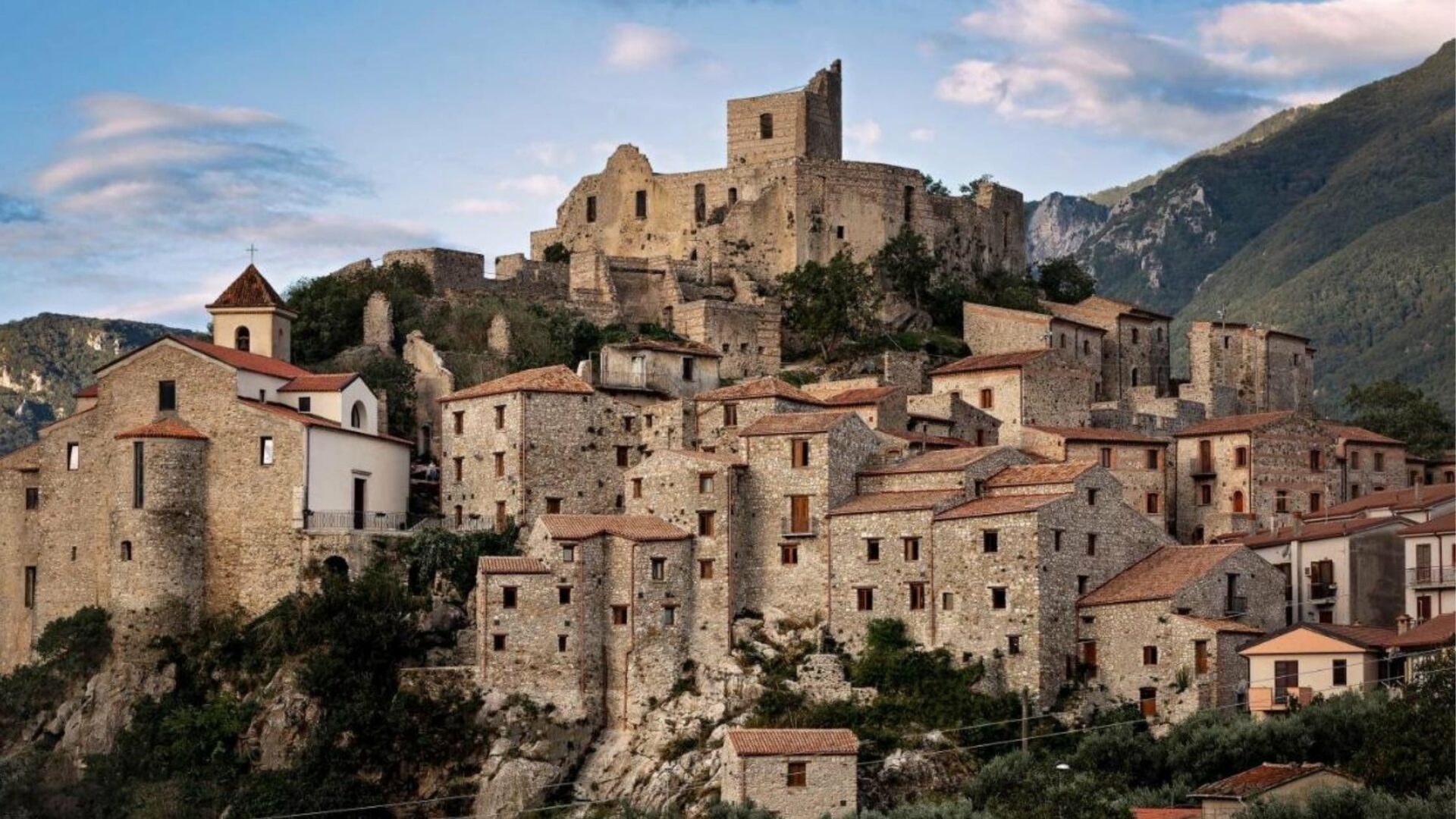
Imagine rolling your suitcase into a quiet Italian hilltop village. Furthermore, There are no glass towers, no long hotel corridors, and no bright Reception sign. Instead, your key opens the door to a beautifully restored stone house tucked away in a small alley.
Breakfast arrives at table at the local bakery around the corner. Later, you can enjoy an aperitivo in the village square, where locals gather with friends and family. Furthermore, This is not just charming—it is an Albergo Diffuso, which literally means “scattered hotel.”
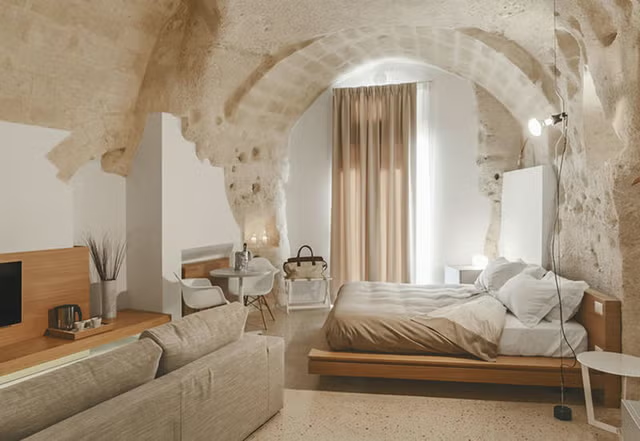
Born in Italy, the Albergo Diffuso concept transforms abandoned village houses into hotel rooms. Furthermore, These rooms are spread throughout the village and connected by a central reception that provides guest services. Instead of constructing a new hotel, existing buildings are carefully restored and given a new purpose.
By reusing abandoned homes rather than building new ones, an Albergo Diffuso brings life back to fading villages while preserving their history and unique character. Furthermore, It is an innovative idea that proves hospitality can be both authentic and sustainable.
Why Is It Cool?
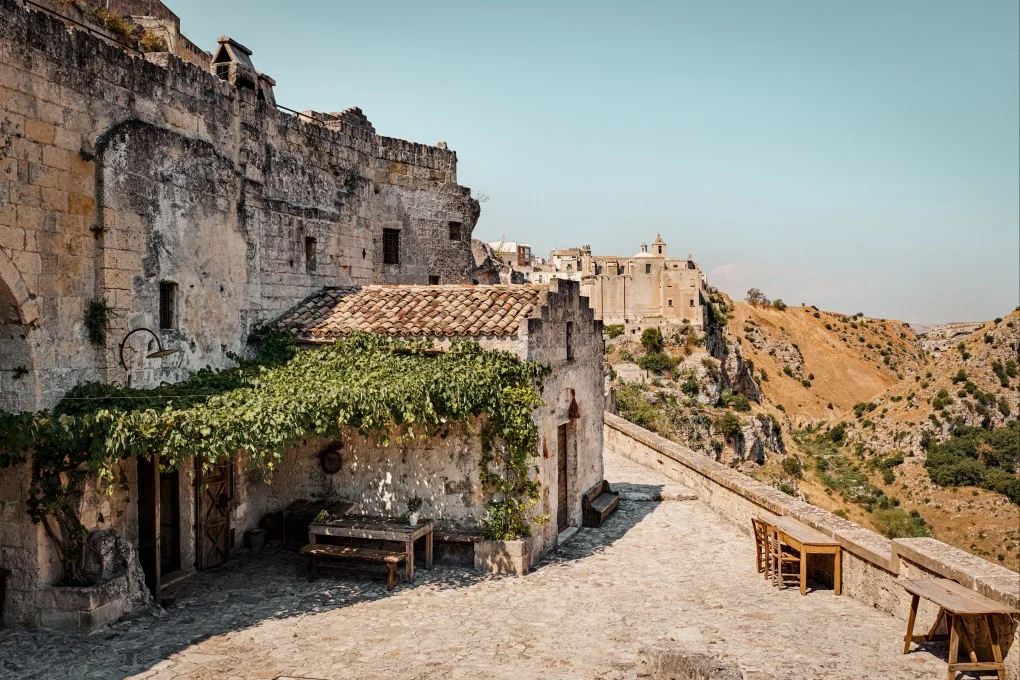
An Albergo Diffuso is much more than a clever hotel design. Furthermore, It completely changes the traditional idea of hospitality. Instead of separating guests from local life, it places them right in the heart of the community.
You might share a smile with a neighbour at the grocery store, enjoy coffee in a family-run café, or wake up to the sound of church bells instead of elevator chimes. Furthermore, As a result, every moment feels authentic and memorable.
Most importantly, this is not a tourist experience designed for Instagram. Furthermore, It is real village life. In addition, Rather than staying in a tourist bubble, you become part of the daily rhythm of the community.
In addition, the Albergo Diffuso concept is a sustainable way to travel. Furthermore, By restoring old houses instead of building new resorts, it protects landscapes, reduces construction waste, and preserves cultural heritage.
local businesses benefit directly. Furthermore, Guests eat at neighbourhood restaurants, shop at local stores, and support family-owned businesses. In addition, In other words, tourism helps strengthen the local economy while giving historic villages a second chance.
Why Does It Have Future Growth Potential?
The Albergo Diffuso concept is not only charming but also perfectly suited for the future. Today’s travellers are increasingly searching for authentic experiences, slow travel, and environmentally friendly accommodation. Furthermore, This concept offers all three.
Remote work also creates new opportunities. Furthermore, Imagine working from a medieval village during the day and spending your evenings socialising in the piazza with local residents. In addition, It is more than a holiday—it is a lifestyle.
Governments can also benefit from this model because it helps keep rural communities alive and protects cultural heritage. Furthermore, At the same time, travellers enjoy a unique experience that feels personal, unforgettable, and unlike a traditional hotel stay.
As more Alberghi Diffusi are created, they could form networks of scattered hotels across Italy and even around the world. Furthermore, This would make sustainable and authentic travel even more accessible.
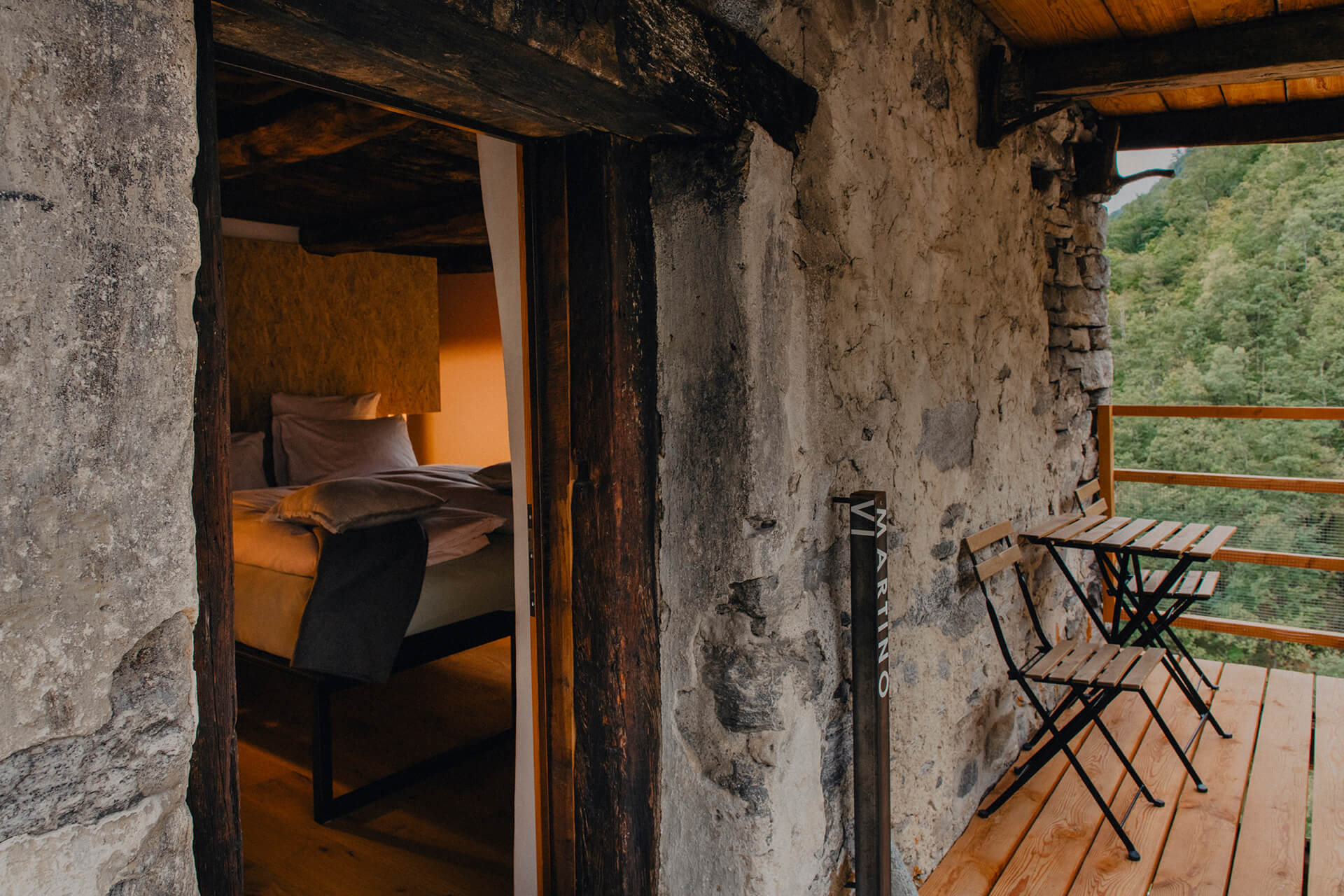
The Albergo Diffuso proves that hospitality does not need to be new or luxurious to be innovative. Sometimes, the most impactful ideas come from rediscovering what already exists.
By combining sustainability, authentic local experiences, and community involvement, the Albergo Diffuso offers a model for the future of tourism. Furthermore, It shows that preserving history can create unforgettable travel experiences while helping villages thrive once again.
31 comments
An Albergo Diffuso is built from what cannot be mass-produced: old houses, local rhythms, family businesses and accumulated knowledge of place. That is genuine rarity. Growth should come through many distinct villages adopting the principle, not one model being standardised until every destination feels the same.
This is interesting because the luxury product is ordinary village life—the bakery, church bells and neighbours—not a sealed resort. It flips what counts as aspiration. I would watch younger travellers who want belonging without the artificiality of a curated ‘local experience’; they may find this format especially convincing.
HOW COOL IS THIS “SEED”?
● ● ● ● ●
DOES IT HAVE FUTURE GROWTH POTENTIAL?
● ● ● ● ○
The stay creates value through a relationship with an existing place. Practical service still has to connect its separate parts. Guests should understand how breakfast, assistance and arrival work rather than accept avoidable confusion as the price of a more characterful hotel format.
HOW COOL IS THIS “SEED”?
● ● ● ● ○
DOES IT HAVE FUTURE GROWTH POTENTIAL?
● ● ● ● ○
A central team must deliver a consistent welcome across different buildings. Clear directions and a dependable contact are essential. International visitors may need help understanding ordinary local routines without being given the impression that the entire village operates as part of the hotel.
HOW COOL IS THIS “SEED”?
● ● ● ● ●
DOES IT HAVE FUTURE GROWTH POTENTIAL?
● ● ● ● ○
The format can distinguish a destination without constructing one large property. Demand will still depend on comfort, access and the quality of the local offer. I would assess whether guests return for the place itself rather than mainly for the novelty of a scattered stay.
HOW COOL IS THIS “SEED”?
● ● ● ● ●
DOES IT HAVE FUTURE GROWTH POTENTIAL?
● ● ● ● ○
The host can help visitors settle into a neighbourhood without promising that they become locals immediately. Small introductions and clear etiquette support a respectful encounter. A guest should feel welcome while understanding that residents’ everyday lives continue beyond the hospitality programme.
HOW COOL IS THIS “SEED”?
● ● ● ● ○
DOES IT HAVE FUTURE GROWTH POTENTIAL?
● ● ● ○ ○
Distributed buildings create different maintenance and service demands from a conventional hotel. Restoration costs and seasonal use deserve careful assessment. The reuse proposition is attractive, but viability needs to be established property by property rather than inferred from the format’s charm.
HOW COOL IS THIS “SEED”?
● ● ● ● ●
DOES IT HAVE FUTURE GROWTH POTENTIAL?
● ● ● ● ○
The model becomes meaningful when it supports residents and existing businesses on terms they help shape. I would ask who owns the restored spaces and how value circulates locally. A revived visitor economy should not quietly weaken the ordinary life it claims to preserve.
HOW COOL IS THIS “SEED”?
● ● ● ● ●
DOES IT HAVE FUTURE GROWTH POTENTIAL?
● ● ● ● ○
Walking between a room and breakfast can make the place part of the stay. The encounter should not require residents to perform village life for visitors. Hosts can encourage curiosity while making the boundaries between shared spaces, private homes and commercial hospitality clear.
HOW COOL IS THIS “SEED”?
● ● ● ● ○
DOES IT HAVE FUTURE GROWTH POTENTIAL?
● ● ● ● ○
A guest arriving tired may need very ordinary help with directions or luggage. The format should make those needs easy to meet. A warm local encounter becomes more enjoyable when the practical transition into the stay has already been handled thoughtfully.
HOW COOL IS THIS “SEED”?
● ● ● ● ●
DOES IT HAVE FUTURE GROWTH POTENTIAL?
● ● ● ● ○
The route to breakfast could become one of the most memorable parts of the morning. I like that the stay leaves room for small discoveries. Visitors should also know when a neighbour’s familiar routine is something to respect rather than photograph or interrupt.
HOW COOL IS THIS “SEED”?
● ● ● ● ○
DOES IT HAVE FUTURE GROWTH POTENTIAL?
● ● ● ● ○
The team needs reliable communication across locations, especially when a guest asks for help outside reception. Consistency matters more than making every building identical. Staff should know who can respond and how to keep the person informed without sending them back and forth.
HOW COOL IS THIS “SEED”?
● ● ● ● ○
DOES IT HAVE FUTURE GROWTH POTENTIAL?
● ● ● ● ○
A scattered stay asks guests to move through the place, which can be enjoyable when the routes are clear. Convenience still matters. People should be able to plan an ordinary day without repeatedly checking where a service is located or whether it is available.
HOW COOL IS THIS “SEED”?
● ● ● ● ○
DOES IT HAVE FUTURE GROWTH POTENTIAL?
● ● ● ● ○
Knowing about a particular village stay can offer distinction without a familiar luxury logo. The private value may be stronger than the status story. I would ask whether guests remember the relationships and rhythm of the visit, rather than mainly the unusual address they obtained.
HOW COOL IS THIS “SEED”?
● ● ● ● ○
DOES IT HAVE FUTURE GROWTH POTENTIAL?
● ● ● ● ○
The model creates a personal world through existing buildings and their setting. That differs from a resort designed as one coherent enclosure. Comfort and privacy need careful attention without erasing the varied character that made those spaces worth restoring.
HOW COOL IS THIS “SEED”?
● ● ● ● ○
DOES IT HAVE FUTURE GROWTH POTENTIAL?
● ● ● ○ ○
A slower stay may suit someone seeking a different pace, but the village should not be presented as a cure for modern life. Guests can enjoy the rhythm without a promised transformation. Clear choices let people rest or explore according to their own needs.
HOW COOL IS THIS “SEED”?
● ● ● ● ○
DOES IT HAVE FUTURE GROWTH POTENTIAL?
● ● ● ● ○
Digital guidance could help visitors navigate a distributed property, while physical information should remain sufficient. The stay needs to work when a phone is unavailable. Technology can support orientation without making every movement through the village dependent on a screen.
HOW COOL IS THIS “SEED”?
● ● ● ● ●
DOES IT HAVE FUTURE GROWTH POTENTIAL?
● ● ● ● ○
Breakfast in an existing local business can connect spending to everyday food culture. The relationship should benefit the host as well as the hotel. Service arrangements need to respect normal customers and working rhythms rather than turn a neighbourhood venue into an exclusive guest amenity.
HOW COOL IS THIS “SEED”?
● ● ● ● ●
DOES IT HAVE FUTURE GROWTH POTENTIAL?
● ● ● ● ○
Restoration should retain useful traces without making every old surface an object of display. Furniture and fittings need to work comfortably in daily use. A room’s history becomes more meaningful when guests can inhabit it naturally rather than feel they must handle everything as a museum piece.
HOW COOL IS THIS “SEED”?
● ● ● ● ●
DOES IT HAVE FUTURE GROWTH POTENTIAL?
● ● ● ● ○
The experience extends beyond the room through ordinary movement and encounters. That can offer discovery without a highly scripted itinerary. The host should make access easy while leaving guests room to choose what interests them and respecting the community’s private spaces.
HOW COOL IS THIS “SEED”?
● ● ● ○ ○
DOES IT HAVE FUTURE GROWTH POTENTIAL?
● ● ● ○ ○
A slower setting does not establish a health benefit, and practical access still needs assessment. Guests should receive accurate information about routes and building conditions. The format’s appeal is stronger when people can judge whether the stay suits their individual comfort and mobility needs.
HOW COOL IS THIS “SEED”?
● ● ● ● ●
DOES IT HAVE FUTURE GROWTH POTENTIAL?
● ● ● ● ○
The existing architecture gives the stay character without a new monumental gesture. Careful restraint can preserve that value. Restoration should make rooms comfortable while leaving their differences legible, rather than impose the same fashionable finish on every building.
HOW COOL IS THIS “SEED”?
● ● ● ● ○
DOES IT HAVE FUTURE GROWTH POTENTIAL?
● ● ● ● ○
Images of a quiet village may create desire quickly, while the real stay includes ordinary weather, schedules and movement. Honest information helps visitors choose well. Accounts of everyday use are more valuable than a campaign that makes local life look permanently arranged for guests.
HOW COOL IS THIS “SEED”?
● ● ● ● ○
DOES IT HAVE FUTURE GROWTH POTENTIAL?
● ● ● ○ ○
Preserving buildings is not the same as preserving a community. I would ask what happens to housing, ownership and ordinary businesses as demand grows. The model should be evaluated through residents’ experience as well as the visitor’s pleasure in an apparently authentic setting.
Residents’ accounts could show whether restoration supports ordinary life. Occupied rooms and busy cafés tell only part of the story if local access to housing or services becomes harder at the same time.
HOW COOL IS THIS “SEED”?
● ● ● ● ○
DOES IT HAVE FUTURE GROWTH POTENTIAL?
● ● ● ● ○
The distinction comes from inherited surroundings rather than a newly designed luxury identity. That makes each place specific. A recognisable hotel standard can support trust, provided it does not flatten the material and cultural differences that give the individual buildings their meaning.
HOW COOL IS THIS “SEED”?
● ● ● ● ●
DOES IT HAVE FUTURE GROWTH POTENTIAL?
● ● ● ● ○
The emotional value lies in spending time within an existing place rather than a separate visitor world. Hospitality can help that encounter remain respectful. The strongest result benefits the people who live there while giving guests enough guidance to enjoy the stay without assuming unrestricted access.
The scattered hotel is a beautiful reversal of conventional hospitality: instead of building a destination, it reveals the destination already there. Its future strength lies in distributing tourism value across a living community. The difficult part—and the essential one—is protecting local life from becoming a performance for visitors.
For travellers tired of identical luxury hotels, living briefly inside a real village offers a much stronger story. Discovery is part of the value: the bakery, the stone house, the square. Digital booking must make the scattered journey easy while preserving the feeling that guests found something personal and uncommon.
A clear arrival route can remove much of the guest’s uncertainty. Staff can then offer a warmer introduction to the place instead of spend the first encounter correcting navigation problems.
Here the village itself becomes the hotel, which makes every handover important: reception, bakery, neighbour and restaurant all shape the stay. That distributed service can feel wonderfully human, but only with trust and coordination. Hospitality training should include local partners without forcing them into hotel-style scripts.
Rate & Discuss this Signal
Calibrate the Future Signals Index with your rating below, and share your perspective in the community dialogue.
Evaluate this Creative Signal
Help calibrate the Future Signals Index. Rate this Seed on both key criteria below (scale: 2 to 10).