






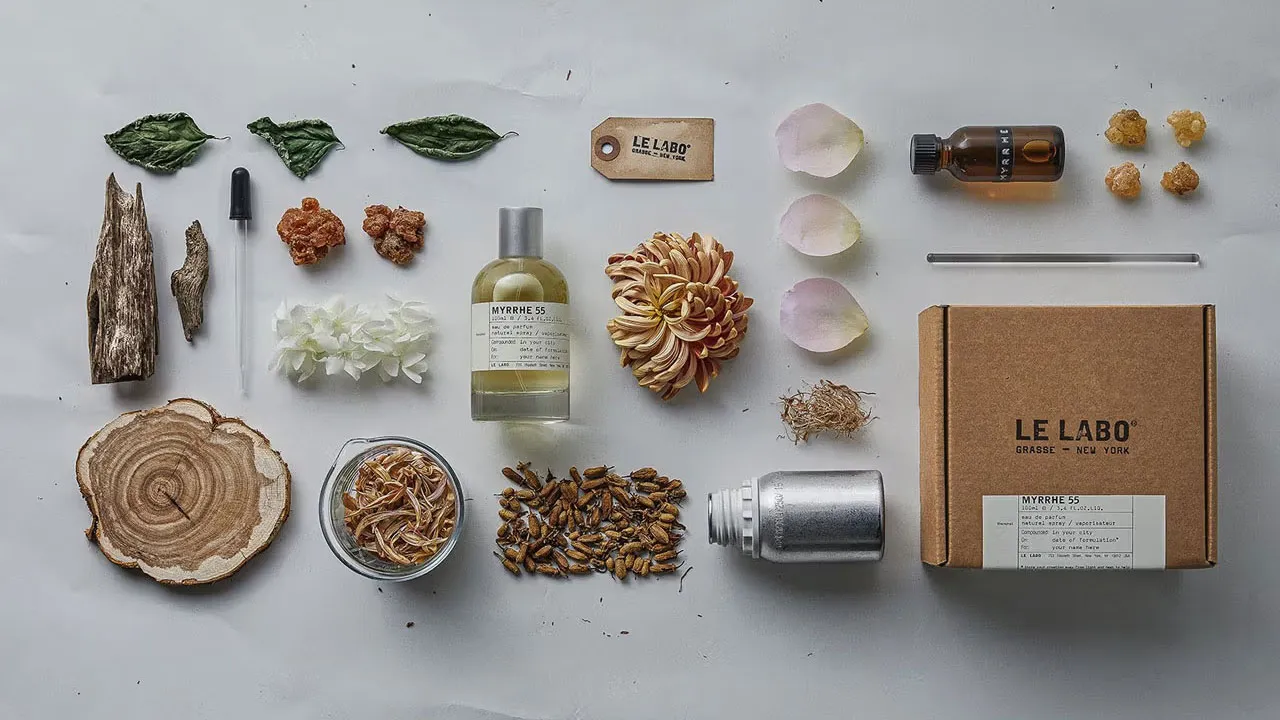
“Your fragrance stops being a product you choose. It becomes a personal library that remembers you.”
Take Away
Instead of buying one fragrance and sticking with it, imagine a digital scent wardrobe that remembers the perfumes you loved, the notes you rejected, the combinations you created and the moods or occasions you associated with them.
You discover physically. Furthermore, You experiment with a perfumer. In addition, Your digital scent identity remembers.
That could make fragrance one of the next luxury categories to become genuinely physical.
Lina’s take: “I don’t think the interesting future is AI choosing your perfume. That’s too easy. I think it is AI remembering your nose — while the perfumer still has the power to surprise it.”
The Sign
What Is It?
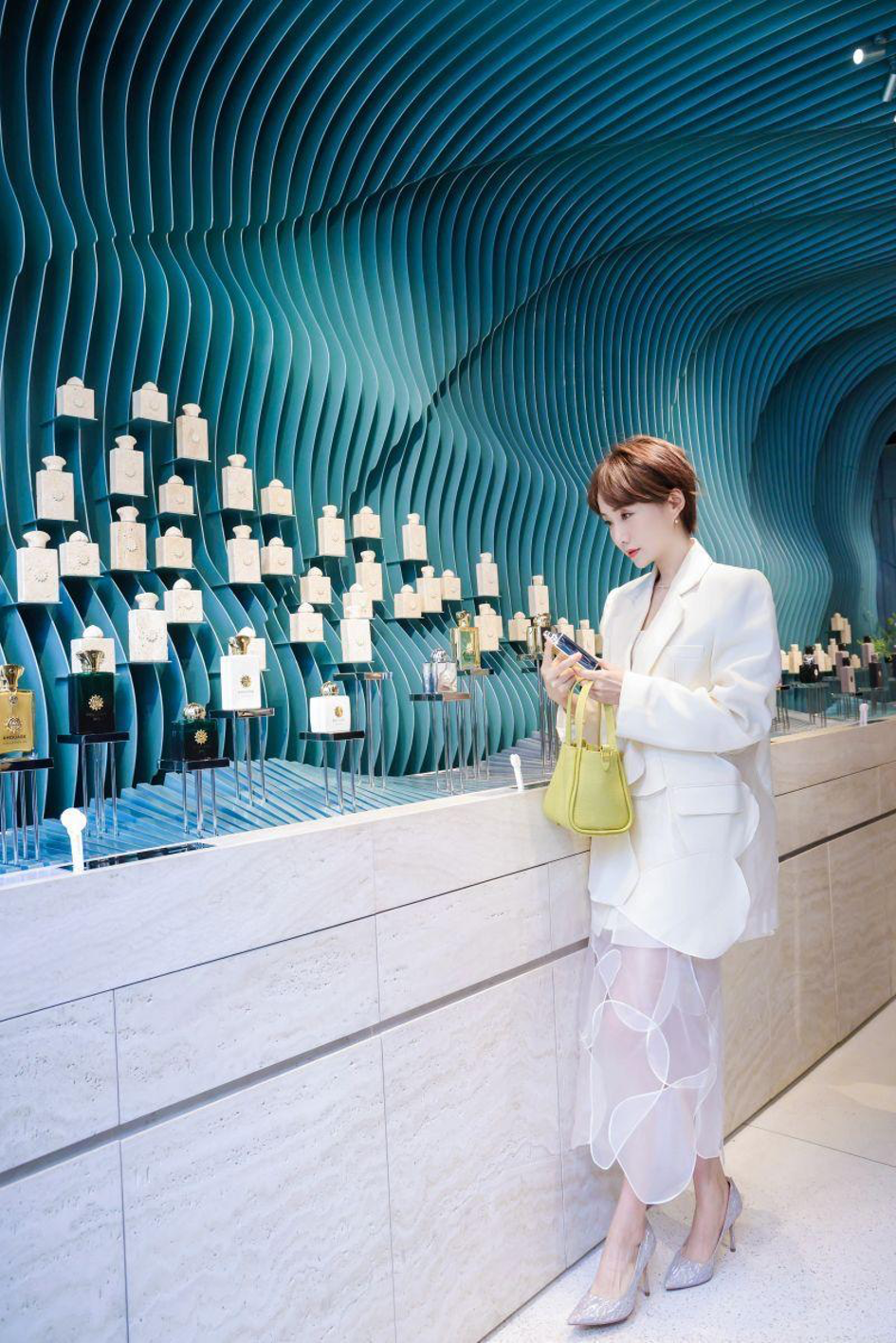
We already have the beginnings of this in Shanghai.
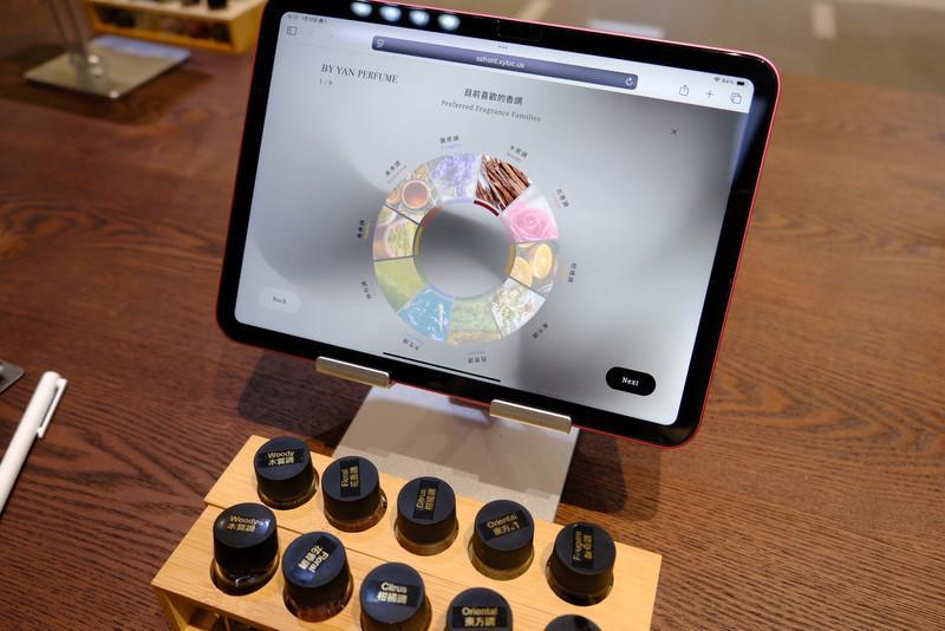
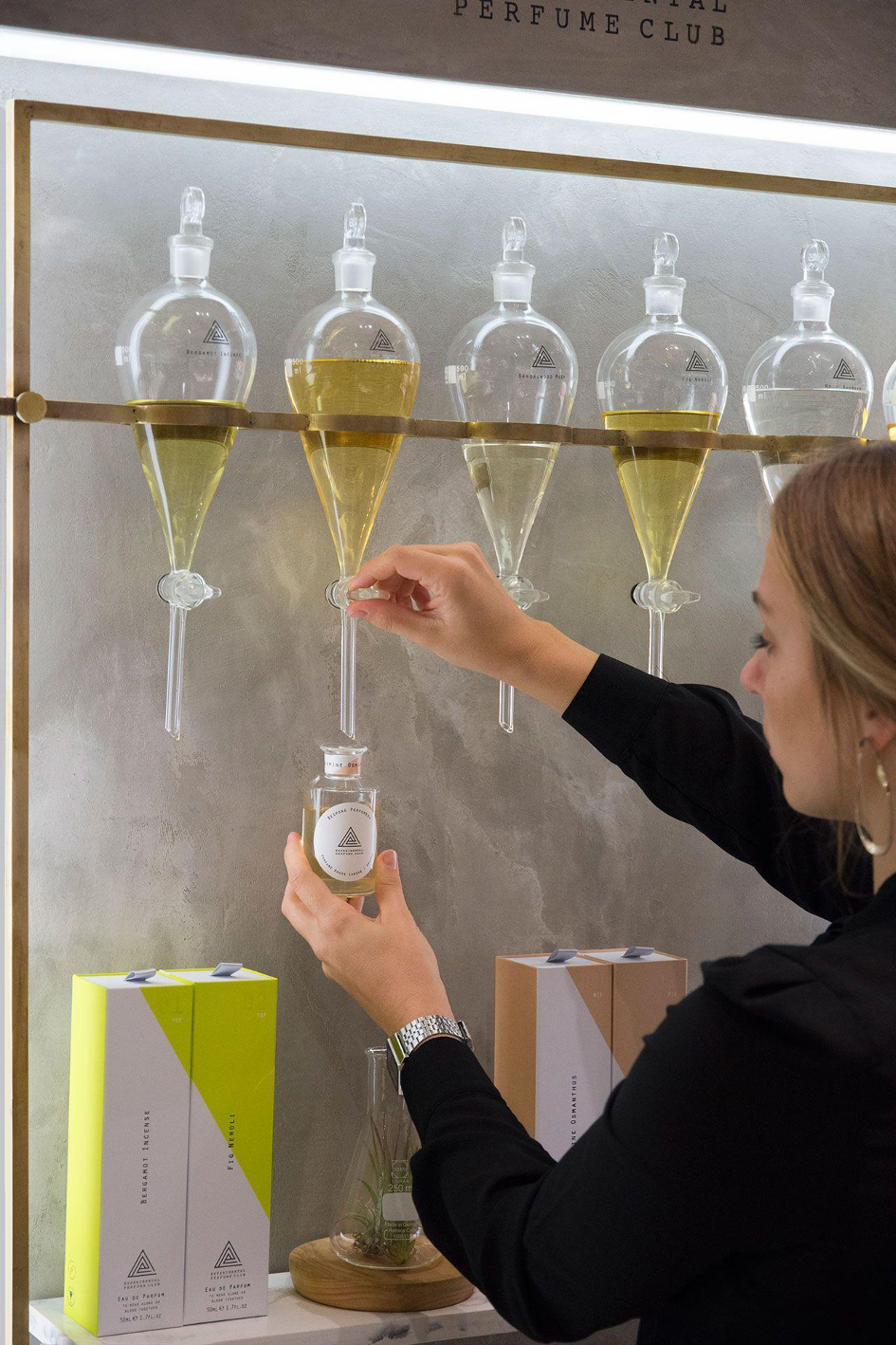
At perfume labs, consumers can experiment with ingredients, mix their own formulas, name them and take the result home. At Narratus, for example, workshops let participants explore scent families, select ingredients and create their own signature perfume.
But imagine adding a digital memory to the experience. Furthermore, Your first visit creates a profile:
Loves: tea, woods, green notes
Avoids: heavy vanilla
Favorite: rainy-day scents
Winter: darker woods
Summer: citrus + tea
Date night: something warmer
Shanghai: green, mineral, slightly mysterious
Next time you visit, the system doesn’t start from zero. It knows your nose.
You might then tweak an existing formula, layer two scents, create a seasonal version — and order the same blend online six months later.
Your perfume collection becomes less like a shelf of bottles and more like a wardrobe of moods.
Why Is It Cool?
Because fragrance has always had a problem with language.
You can show someone a handbag. Furthermore, You can photograph a watch. In addition, But how do you explain:
“I want something like walking through Shanghai after rain, but less floral and a little more mysterious.”
This is where digital technology becomes surprisingly useful.
AI can help translate vague emotional language into scent families and ingredients. Furthermore, Humans can then do what algorithms are still bad at: surprise you.
That combination is already emerging.
Givaudan and Tmall’s Creatogether project in China combines consumer data, AI and perfumers to turn a consumer’s olfactory idea into a fragrance concept and accelerate sampling.
And this is not entirely new to Chinese digital luxury. Jo Malone London previously used Tmall to let shoppers virtually construct personalized combinations from its fragrances, using personality, preferences and mood as inputs.
The interesting next step is not simply:
“AI, recommend me a perfume.”
It is:
“AI, remember me.”
It isn’t technology replacing the perfumer.
It is technology becoming a new interface between the consumer and the perfumer.
Why Does It Have Future Growth Potential?
Because the luxury opportunity isn’t really personalized perfume.
That already exists.
The bigger opportunity is personalized fragrance behavior.
Imagine a future customer account containing. MY SCENT WARDROBE”
12 fragrances
4 personal blends
3 seasonal versions
2 layering combinations
1 discontinued favorite
7 scents to try
And every physical encounter adds to it.
A hotel introduces you to a new scent.
A Shanghai boutique suggests a local perfumer.
A workshop creates a new blend.
Your app remembers it.
Six months later, you reorder it.
Or change it.
Or create a new version.
The relationship shifts from selling you a bottle to building your olfactory identity with you.

30 comments
HOW COOL IS THIS “SEED”?
● ● ● ● ○
DOES IT HAVE FUTURE GROWTH POTENTIAL?
● ● ● ● ○
The Shanghai workshops give the digital idea a physical starting point. A perfumer can hear what someone means by a rainy-day scent and test it with them. The record should preserve that conversation without assuming their preferences will remain fixed indefinitely.
HOW COOL IS THIS “SEED”?
● ● ● ● ○
DOES IT HAVE FUTURE GROWTH POTENTIAL?
● ● ● ● ○
The recurring relationship is commercially interesting, particularly if customers can reorder or adapt a previous blend. The article’s complete scent wardrobe is still a proposed next step. I would look for evidence of retention and practical use before treating that whole system as established.
HOW COOL IS THIS “SEED”?
● ● ● ● ○
DOES IT HAVE FUTURE GROWTH POTENTIAL?
● ● ● ● ●
Remembering that a guest dislikes a note—or reaches for a certain scent before a night flight—could make service feel remarkably attentive. Yet fragrance is intimate territory. People need clear control over what is stored and when it is used. I would keep the technology backstage and let a skilled person translate the memory into a warm conversation, not a clinical profile.
HOW COOL IS THIS “SEED”?
● ● ● ● ○
DOES IT HAVE FUTURE GROWTH POTENTIAL?
● ● ● ● ○
Hospitality has the same challenge of remembering a preference while noticing when it changes. A guest who liked one fragrance last year may want something else today. The useful record supports the human conversation, rather than allowing staff to skip it.
HOW COOL IS THIS “SEED”?
● ● ● ● ○
DOES IT HAVE FUTURE GROWTH POTENTIAL?
● ● ● ○ ○
A persistent scent account requires more than a recommendation interface. Formula storage, fulfilment and ingredient changes all affect the promise of reordering. I would examine those operational costs before assuming the personalised relationship can scale smoothly.
Ingredient substitutions should be visible in the record. Continuity is more trustworthy when customers can see what stayed the same and what changed between versions of a blend.
HOW COOL IS THIS “SEED”?
● ● ● ● ○
DOES IT HAVE FUTURE GROWTH POTENTIAL?
● ● ● ○ ○
The perfumer’s contribution should remain visible when the system remembers and reuses a blend. I would ask how creative work is credited and rewarded over time. Digital continuity becomes more meaningful when it sustains the practitioner as well as the customer relationship.
HOW COOL IS THIS “SEED”?
● ● ● ● ●
DOES IT HAVE FUTURE GROWTH POTENTIAL?
● ● ● ● ●
This is highly relevant for China, where fragrance discovery already moves between Tmall, social content, stores and private communities. A scent memory could connect those moments instead of restarting the customer journey each time. The commercial potential is obvious, but so is the danger of predictable sameness. The best system should learn taste while still leaving room for a surprising recommendation.
HOW COOL IS THIS “SEED”?
● ● ● ● ○
DOES IT HAVE FUTURE GROWTH POTENTIAL?
● ● ● ● ○
The phrase about remembering someone’s nose is appealing because it starts from a personal encounter. The record should allow uncertainty and surprise. A customer may be discovering their taste, rather than presenting a stable identity ready for the system to classify.
HOW COOL IS THIS “SEED”?
● ● ● ● ○
DOES IT HAVE FUTURE GROWTH POTENTIAL?
● ● ● ● ○
The future signal is memory across physical encounters, not another isolated recommendation. The article combines existing workshop examples with an imagined persistent wardrobe. That distinction matters when assessing growth: the connected service still needs to demonstrate that customers find it useful.
HOW COOL IS THIS “SEED”?
● ● ● ● ○
DOES IT HAVE FUTURE GROWTH POTENTIAL?
● ● ● ● ○
Memory can improve fragrance service, but rarity does not come from data alone. It comes from unusual materials, the perfumer’s hand and the private meaning a scent acquires on someone’s skin. AI is valuable when it guides a person toward those discoveries. If it reduces perfume to a repeatable formula, it may make the experience efficient while making it less precious.
HOW COOL IS THIS “SEED”?
● ● ● ● ○
DOES IT HAVE FUTURE GROWTH POTENTIAL?
● ● ● ● ○
Scent can carry a memory that is hard to put into words. Keeping a personal blend could preserve something of a particular visit. I would want the wardrobe to leave room for feelings that cannot be neatly tagged as a mood or occasion.
HOW COOL IS THIS “SEED”?
● ● ● ● ○
DOES IT HAVE FUTURE GROWTH POTENTIAL?
● ● ● ● ○
The first conversation needs careful listening. A customer asking for a less floral rainy-day scent may not know ingredient names, and should not need them. The record is most useful when it preserves their meaning alongside the perfumer’s technical decisions.
HOW COOL IS THIS “SEED”?
● ● ● ● ●
DOES IT HAVE FUTURE GROWTH POTENTIAL?
● ● ● ● ●
A digital scent wardrobe is strange in a good way: an invisible, physical part of identity gets a memory system. I can imagine people swapping scent profiles the way they share playlists, or building different olfactory selves for work, nightlife and travel. That could create new scenes around fragrance. Just don’t let the algorithm sand away the weird note that makes someone curious.
HOW COOL IS THIS “SEED”?
● ● ● ● ●
DOES IT HAVE FUTURE GROWTH POTENTIAL?
● ● ● ● ●
A scent memory service removes the repeated labour of explaining yourself. For a busy client, that continuity is a form of purchased time and attention. The best version quietly prepares options before an appointment, while leaving room for discovery. Privacy controls must be as elegant as the recommendation itself.
HOW COOL IS THIS “SEED”?
● ● ● ● ●
DOES IT HAVE FUTURE GROWTH POTENTIAL?
● ● ● ● ●
An invisible AI that understands a private scent vocabulary could become a new marker of privilege: not a logo, but a system that knows you. In Singapore, where technology and discreet wealth already overlap, this feels plausible. Status will come from the quality of curation, not from announcing that an algorithm is involved.
HOW COOL IS THIS “SEED”?
● ● ● ● ●
DOES IT HAVE FUTURE GROWTH POTENTIAL?
● ● ● ● ●
A resort could remember the scent of a guest’s previous stay and recompose it for a new villa, season or celebration. That is theatrical personalisation with real emotional force. Yet it must never feel like surveillance. The guest should experience recognition and surprise, not wonder how much the hotel has been recording.
HOW COOL IS THIS “SEED”?
● ● ● ● ○
DOES IT HAVE FUTURE GROWTH POTENTIAL?
● ● ● ● ●
Scent is closely tied to mood, memory and ritual, so a wardrobe that learns over time could support sleep, focus or transition between roles. I would keep claims gentle and personal rather than medical. The human perfumer remains essential, especially when someone needs a scent that changes a feeling rather than confirms a profile.
HOW COOL IS THIS “SEED”?
● ● ● ● ●
DOES IT HAVE FUTURE GROWTH POTENTIAL?
● ● ● ● ●
This turns fragrance into a persistent digital identity. I can imagine scent profiles moving between stores, games, avatars and physical products, or limited formulas unlocked by online behaviour. The exciting part is not automation but continuity across worlds. Users will need ownership of that profile, including the ability to erase or export it.
HOW COOL IS THIS “SEED”?
● ● ● ● ○
DOES IT HAVE FUTURE GROWTH POTENTIAL?
● ● ● ● ○
Fragrance and food share a language of memory, ingredients and place. AI could help people recognise notes they struggle to name, but it should also reveal the materials and makers behind a formula. A perfect recommendation without provenance feels thin. I want the technology to deepen sensory knowledge, not simply accelerate conversion.
HOW COOL IS THIS “SEED”?
● ● ● ● ●
DOES IT HAVE FUTURE GROWTH POTENTIAL?
● ● ● ● ●
The fascinating object may be the evolving scent archive itself: a personal collection that records formulations, seasons and emotional associations. It could acquire heirloom value if it remains portable and understandable over decades. The bottle matters, but the new collectible is the history connecting each bottle to a life.
HOW COOL IS THIS “SEED”?
● ● ● ● ○
DOES IT HAVE FUTURE GROWTH POTENTIAL?
● ● ● ○ ○
A database of personal preferences can gradually narrow the world it shows someone. The perfumer’s freedom to surprise is therefore essential. I would want the service to let customers step outside their recorded taste without treating that choice as an error.
A simple question about what feels different today could keep the record flexible. The history becomes a starting point for listening rather than a boundary around taste.
HOW COOL IS THIS “SEED”?
● ● ● ● ○
DOES IT HAVE FUTURE GROWTH POTENTIAL?
● ● ● ● ○
The relationship resembles an atelier that remembers a client’s measurements, though scent is less stable and harder to describe. Skilled interpretation remains central. A stored formula should support the perfumer’s judgement rather than turn a personal commission into an automated reorder category.
HOW COOL IS THIS “SEED”?
● ● ● ● ●
DOES IT HAVE FUTURE GROWTH POTENTIAL?
● ● ● ● ●
A hotel that remembers how a guest wants a room to smell can create immediate emotional arrival. More interestingly, it can introduce one unfamiliar note chosen by a human host. Frictionless recognition alone becomes predictable; luxury needs a controlled surprise. AI should prepare the stage, while a person decides what makes the moment memorable.
HOW COOL IS THIS “SEED”?
● ● ● ● ○
DOES IT HAVE FUTURE GROWTH POTENTIAL?
● ● ● ● ○
Remembering can feel caring when the customer controls what the relationship retains. It can feel intrusive when the service makes assumptions from old preferences. The next visit should begin with recognition and an invitation to change, rather than a conclusion about who the person is.
HOW COOL IS THIS “SEED”?
● ● ● ● ○
DOES IT HAVE FUTURE GROWTH POTENTIAL?
● ● ● ● ●
Personal fragrance is moving closer to biological and emotional data, from skin chemistry to sleep and stress. That can create remarkable products, but intimate data should not become an invisible sales tool. Any body-based personalisation needs explicit consent, modest claims and a clear distinction between a sensory preference and a health conclusion.
HOW COOL IS THIS “SEED”?
● ● ● ● ○
DOES IT HAVE FUTURE GROWTH POTENTIAL?
● ● ● ● ●
The most luxurious version would barely reveal the technology. A perfumer simply remembers, edits and occasionally surprises you. No dashboard is necessary unless you ask for it. Quiet intelligence suits fragrance because scent itself is invisible. The risk is over-personalisation: taste needs empty space in which it can still change.
HOW COOL IS THIS “SEED”?
● ● ● ● ●
DOES IT HAVE FUTURE GROWTH POTENTIAL?
● ● ● ● ●
China’s fragrance culture is young, social and highly experimental. A memory layer could connect discovery on Xiaohongshu, sampling in stores and repeat purchase on Tmall without flattening them into one funnel. I expect scent wardrobes, creator-led profiles and AI consultations to grow quickly, but consumers will punish systems that feel repetitive or invasive.
HOW COOL IS THIS “SEED”?
● ● ● ● ○
DOES IT HAVE FUTURE GROWTH POTENTIAL?
● ● ● ● ○
Remembering a customer’s blend could make the next visit more useful and create a reason to return. I would distinguish that benefit from simply increasing sales opportunities. The account should help people enjoy what they already made, including easy reordering without another workshop.
Rate & Discuss this Signal
Calibrate the Future Signals Index with your rating below, and share your perspective in the community dialogue.
Evaluate this Creative Signal
Help calibrate the Future Signals Index. Rate this Seed on both key criteria below (scale: 2 to 10).