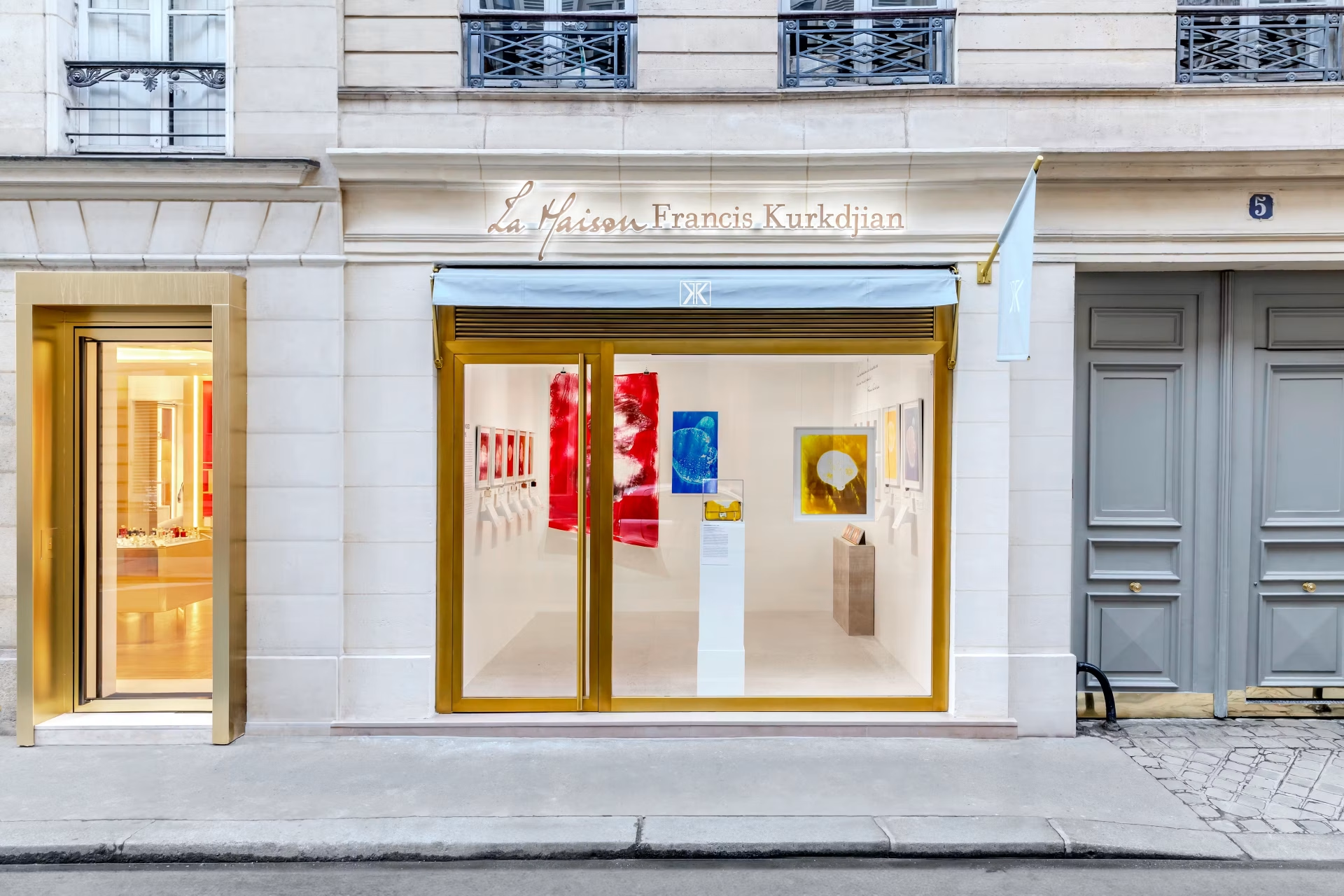
“From owning the luxury object to: owning a trace, story or interpretation of the experience. Furthermore, That is particularly relevant to younger collectors.”
Already have an account?
FUTURISTS CLUB EXECUTIVE INTELLIGENCE
MEMBER EXCLUSIVE
The Rest of This Strategic Briefing is Reserved for Members
Join an international network of senior innovators, decision-makers, and hospitality leaders. Unlock all defining micro-signals, full field research, and the Monthly Foresight Briefing.
Japans titanium vakmanschap ontworpen voor extreme off-grid natuurreizen en minimalistische wildernis-expedities.
As an Amazon Associate, Science of the Time earns from qualifying purchases. StoreID: scienceofthet-21
30 comments
HOW COOL IS THIS “SEED”? ● ● ● ● ○
DOES IT HAVE FUTURE GROWTH POTENTIAL? ● ● ● ○ ○
Staff can make the encounter comfortable by explaining the invitation without testing a visitor’s knowledge. Someone should be able to enjoy the image even if the scent is unfamiliar. I would also make a visit possible for people who prefer to avoid fragrance exposure.
I like that two people could look at the same print and imagine different smells. That gives the encounter a personal quality. Would seeing the image first change how someone then experiences the fragrance, or simply make them more curious?
A good host could introduce the process, then step back. The pleasure may be in finding one’s own association before hearing the official story. I would avoid making visitors feel that there is a correct response they are expected to discover.
This could reach people who enter for photography and leave curious about perfume, or the other way round. I find that crossing interesting. What happens when the work appears outside a luxury boutique, where the brand carries less of the encounter?
The work’s making history matters to its collectible appeal. I would want clear information about the artist, process and edition. Scarcity alone would not explain why one print remains meaningful after the original visit is forgotten.
A small artwork can invite a surprisingly unhurried visit. The setting needs to allow that pause without pushing people towards a purchase. I would like to see whether visitors linger with one image instead of racing through the entire display.
Knowing the story behind a print could become an understated form of cultural distinction. The interesting collector would value the encounter beyond the name attached to it. I would watch whether the artwork finds an audience outside existing perfume enthusiasts.
A resort could offer an intimate artist encounter rather than another large spectacle. The collaboration would need a real relationship to the setting, though. A memorable experience is harder to copy when the person and place contribute something specific.
A scent-and-image encounter may be enjoyable or reflective. I would leave it in that territory rather than imply a therapeutic effect. Guests should also be able to enjoy the visual work without being required to smell anything.
Showing the making process digitally could deepen the physical visit. I would keep the distinction clear between an artistic interpretation and a scientific representation of smell. The interesting digital layer helps people notice decisions instead of claiming to translate everyone’s senses identically.
A film that shows the process without prescribing the response would fit that well. I would still want time with the image before seeing how it was made.
There is an appealing connection with tasting: an aroma can bring a memory before we have words for it. Could a discussion invite those memories without ranking people’s responses? The uncertainty may be what makes the encounter worth sharing.
I would want to look closely at the paper and the print itself. The object should reward attention beyond its association with a fragrance. Information about the photographic technique could help a collector appreciate what is being acquired and how to care for it.
A visitor leaves with more than a product story when the experience asks for their own interpretation. I would be interested in a small, well-guided encounter that remains open to surprise. An elaborate personalised package could easily overwhelm that simple pleasure.
Different sensory responses are part of the appeal, but sensitivity also matters. An exhibition should make fragrance exposure clear and optional. The experience can remain thoughtful without claiming that a pleasant association demonstrates a benefit to health or recovery.
A print can keep a personal memory without announcing it to everyone in the room. I appreciate that quiet possibility. Would the image still feel worth living with years later, when the original boutique visit is only a distant memory?
The unexpected process makes a compelling discovery story. I would like a short film to leave room for looking rather than explain away the surprise. What visitors choose to share may reveal whether they are responding to art, fragrance or the collision between them.
I would be most curious to see the work before knowing the luxury partner. Does the surface hold my attention on its own? That would make the collaboration feel like a genuine artistic encounter rather than a campaign with unusually interesting packaging.
A perfume enthusiast might buy a memory, while a photography collector might buy the work for quite different reasons. That difference is useful. I would watch what owners say about the prints once they are displayed away from the boutique.
Those different motivations could also change how the work is presented. Clear information about the photographic process gives the art collector an entry point without taking anything away from a perfume enthusiast’s memory.
The retail team could ask visitors what they notice before naming the fragrance. That would reveal responses the brand may not anticipate. I would also be curious whether the artwork encourages discovery among people who normally walk past a perfume counter.
The collaboration gives an established luxury house a cultural encounter with room for interpretation. To retain that emotional value, the artist’s contribution needs to remain visible. A recognisable brand should not become the only explanation of why the work matters.
A boutique visit can offer value even when someone does not buy perfume. I would ask whether the artwork gives visitors a reason to spend time, return or bring a friend. Those are useful outcomes without turning every encounter into an immediate sale.
A hotel could learn from the way this invites guests to compare senses. The useful experiment would be small and optional. I would ask whether visitors understand the invitation without needing a long explanation, especially across different languages.
The physical artwork gives a fleeting encounter something guests can revisit. For hospitality, I would watch whether that extends a relationship with the place. Selling a souvenir is one possibility; creating a reason to remember the visit may be equally valuable.
A sensory encounter can make a place feel particular without filling it with another branded installation. I would keep the introduction brief and let people respond differently. The host’s restraint could matter as much as the object on display.
This seems strongest as a focused cultural collaboration. I would distinguish demand for the prints from increased interest in the fragrance. Both could be useful, but one successful exhibition does not establish a broad new collectible market.
An accessible art encounter could give a commercial space a cultural role. I would like visitors to feel welcome to look without purchasing. The collaboration becomes more generous when curiosity itself is enough reason to enter.
The artist offers visitors a new way to interpret a familiar product. A host could ask what the image brings to mind rather than tell people what it means. That leaves room for cultural memories and personal associations to enter the encounter.
The signal worth following is the desire to retain an interpretation of an experience. I would watch whether buyers discuss the work’s process and their own response. That would tell us more than treating a brand collaboration as proof that luxury has changed.







30 comments
HOW COOL IS THIS “SEED”?
● ● ● ● ○
DOES IT HAVE FUTURE GROWTH POTENTIAL?
● ● ● ○ ○
Staff can make the encounter comfortable by explaining the invitation without testing a visitor’s knowledge. Someone should be able to enjoy the image even if the scent is unfamiliar. I would also make a visit possible for people who prefer to avoid fragrance exposure.
HOW COOL IS THIS “SEED”?
● ● ● ● ○
DOES IT HAVE FUTURE GROWTH POTENTIAL?
● ● ● ● ○
I like that two people could look at the same print and imagine different smells. That gives the encounter a personal quality. Would seeing the image first change how someone then experiences the fragrance, or simply make them more curious?
HOW COOL IS THIS “SEED”?
● ● ● ● ○
DOES IT HAVE FUTURE GROWTH POTENTIAL?
● ● ● ● ●
A good host could introduce the process, then step back. The pleasure may be in finding one’s own association before hearing the official story. I would avoid making visitors feel that there is a correct response they are expected to discover.
HOW COOL IS THIS “SEED”?
● ● ● ● ●
DOES IT HAVE FUTURE GROWTH POTENTIAL?
● ● ● ● ○
This could reach people who enter for photography and leave curious about perfume, or the other way round. I find that crossing interesting. What happens when the work appears outside a luxury boutique, where the brand carries less of the encounter?
HOW COOL IS THIS “SEED”?
● ● ● ● ●
DOES IT HAVE FUTURE GROWTH POTENTIAL?
● ● ● ● ○
The work’s making history matters to its collectible appeal. I would want clear information about the artist, process and edition. Scarcity alone would not explain why one print remains meaningful after the original visit is forgotten.
HOW COOL IS THIS “SEED”?
● ● ● ● ○
DOES IT HAVE FUTURE GROWTH POTENTIAL?
● ● ● ● ○
A small artwork can invite a surprisingly unhurried visit. The setting needs to allow that pause without pushing people towards a purchase. I would like to see whether visitors linger with one image instead of racing through the entire display.
HOW COOL IS THIS “SEED”?
● ● ● ● ●
DOES IT HAVE FUTURE GROWTH POTENTIAL?
● ● ● ● ○
Knowing the story behind a print could become an understated form of cultural distinction. The interesting collector would value the encounter beyond the name attached to it. I would watch whether the artwork finds an audience outside existing perfume enthusiasts.
HOW COOL IS THIS “SEED”?
● ● ● ● ○
DOES IT HAVE FUTURE GROWTH POTENTIAL?
● ● ● ● ○
A resort could offer an intimate artist encounter rather than another large spectacle. The collaboration would need a real relationship to the setting, though. A memorable experience is harder to copy when the person and place contribute something specific.
HOW COOL IS THIS “SEED”?
● ● ● ● ●
DOES IT HAVE FUTURE GROWTH POTENTIAL?
● ● ● ● ○
A scent-and-image encounter may be enjoyable or reflective. I would leave it in that territory rather than imply a therapeutic effect. Guests should also be able to enjoy the visual work without being required to smell anything.
HOW COOL IS THIS “SEED”?
● ● ● ● ●
DOES IT HAVE FUTURE GROWTH POTENTIAL?
● ● ● ● ○
Showing the making process digitally could deepen the physical visit. I would keep the distinction clear between an artistic interpretation and a scientific representation of smell. The interesting digital layer helps people notice decisions instead of claiming to translate everyone’s senses identically.
A film that shows the process without prescribing the response would fit that well. I would still want time with the image before seeing how it was made.
HOW COOL IS THIS “SEED”?
● ● ● ● ●
DOES IT HAVE FUTURE GROWTH POTENTIAL?
● ● ● ● ○
There is an appealing connection with tasting: an aroma can bring a memory before we have words for it. Could a discussion invite those memories without ranking people’s responses? The uncertainty may be what makes the encounter worth sharing.
HOW COOL IS THIS “SEED”?
● ● ● ● ○
DOES IT HAVE FUTURE GROWTH POTENTIAL?
● ● ● ● ○
I would want to look closely at the paper and the print itself. The object should reward attention beyond its association with a fragrance. Information about the photographic technique could help a collector appreciate what is being acquired and how to care for it.
HOW COOL IS THIS “SEED”?
● ● ● ● ○
DOES IT HAVE FUTURE GROWTH POTENTIAL?
● ● ● ● ○
A visitor leaves with more than a product story when the experience asks for their own interpretation. I would be interested in a small, well-guided encounter that remains open to surprise. An elaborate personalised package could easily overwhelm that simple pleasure.
HOW COOL IS THIS “SEED”?
● ● ● ● ○
DOES IT HAVE FUTURE GROWTH POTENTIAL?
● ● ● ● ●
Different sensory responses are part of the appeal, but sensitivity also matters. An exhibition should make fragrance exposure clear and optional. The experience can remain thoughtful without claiming that a pleasant association demonstrates a benefit to health or recovery.
HOW COOL IS THIS “SEED”?
● ● ● ● ●
DOES IT HAVE FUTURE GROWTH POTENTIAL?
● ● ● ● ○
A print can keep a personal memory without announcing it to everyone in the room. I appreciate that quiet possibility. Would the image still feel worth living with years later, when the original boutique visit is only a distant memory?
HOW COOL IS THIS “SEED”?
● ● ● ● ○
DOES IT HAVE FUTURE GROWTH POTENTIAL?
● ● ● ○ ○
The unexpected process makes a compelling discovery story. I would like a short film to leave room for looking rather than explain away the surprise. What visitors choose to share may reveal whether they are responding to art, fragrance or the collision between them.
HOW COOL IS THIS “SEED”?
● ● ● ● ○
DOES IT HAVE FUTURE GROWTH POTENTIAL?
● ● ● ● ○
I would be most curious to see the work before knowing the luxury partner. Does the surface hold my attention on its own? That would make the collaboration feel like a genuine artistic encounter rather than a campaign with unusually interesting packaging.
HOW COOL IS THIS “SEED”?
● ● ● ● ●
DOES IT HAVE FUTURE GROWTH POTENTIAL?
● ● ● ● ○
A perfume enthusiast might buy a memory, while a photography collector might buy the work for quite different reasons. That difference is useful. I would watch what owners say about the prints once they are displayed away from the boutique.
Those different motivations could also change how the work is presented. Clear information about the photographic process gives the art collector an entry point without taking anything away from a perfume enthusiast’s memory.
HOW COOL IS THIS “SEED”?
● ● ● ● ●
DOES IT HAVE FUTURE GROWTH POTENTIAL?
● ● ● ● ●
The retail team could ask visitors what they notice before naming the fragrance. That would reveal responses the brand may not anticipate. I would also be curious whether the artwork encourages discovery among people who normally walk past a perfume counter.
HOW COOL IS THIS “SEED”?
● ● ● ● ○
DOES IT HAVE FUTURE GROWTH POTENTIAL?
● ● ● ○ ○
The collaboration gives an established luxury house a cultural encounter with room for interpretation. To retain that emotional value, the artist’s contribution needs to remain visible. A recognisable brand should not become the only explanation of why the work matters.
HOW COOL IS THIS “SEED”?
● ● ● ● ●
DOES IT HAVE FUTURE GROWTH POTENTIAL?
● ● ● ● ●
A boutique visit can offer value even when someone does not buy perfume. I would ask whether the artwork gives visitors a reason to spend time, return or bring a friend. Those are useful outcomes without turning every encounter into an immediate sale.
HOW COOL IS THIS “SEED”?
● ● ● ● ●
DOES IT HAVE FUTURE GROWTH POTENTIAL?
● ● ● ● ●
A hotel could learn from the way this invites guests to compare senses. The useful experiment would be small and optional. I would ask whether visitors understand the invitation without needing a long explanation, especially across different languages.
HOW COOL IS THIS “SEED”?
● ● ● ● ●
DOES IT HAVE FUTURE GROWTH POTENTIAL?
● ● ● ● ●
The physical artwork gives a fleeting encounter something guests can revisit. For hospitality, I would watch whether that extends a relationship with the place. Selling a souvenir is one possibility; creating a reason to remember the visit may be equally valuable.
HOW COOL IS THIS “SEED”?
● ● ● ● ○
DOES IT HAVE FUTURE GROWTH POTENTIAL?
● ● ● ● ○
A sensory encounter can make a place feel particular without filling it with another branded installation. I would keep the introduction brief and let people respond differently. The host’s restraint could matter as much as the object on display.
HOW COOL IS THIS “SEED”?
● ● ● ● ●
DOES IT HAVE FUTURE GROWTH POTENTIAL?
● ● ● ○ ○
This seems strongest as a focused cultural collaboration. I would distinguish demand for the prints from increased interest in the fragrance. Both could be useful, but one successful exhibition does not establish a broad new collectible market.
HOW COOL IS THIS “SEED”?
● ● ● ● ●
DOES IT HAVE FUTURE GROWTH POTENTIAL?
● ● ● ● ●
An accessible art encounter could give a commercial space a cultural role. I would like visitors to feel welcome to look without purchasing. The collaboration becomes more generous when curiosity itself is enough reason to enter.
HOW COOL IS THIS “SEED”?
● ● ● ● ●
DOES IT HAVE FUTURE GROWTH POTENTIAL?
● ● ● ● ○
The artist offers visitors a new way to interpret a familiar product. A host could ask what the image brings to mind rather than tell people what it means. That leaves room for cultural memories and personal associations to enter the encounter.
HOW COOL IS THIS “SEED”?
● ● ● ● ●
DOES IT HAVE FUTURE GROWTH POTENTIAL?
● ● ● ● ○
The signal worth following is the desire to retain an interpretation of an experience. I would watch whether buyers discuss the work’s process and their own response. That would tell us more than treating a brand collaboration as proof that luxury has changed.
Rate & Discuss this Signal
Calibrate the Future Signals Index with your rating below, and share your perspective in the community dialogue.
Evaluate this Creative Signal
Help calibrate the Future Signals Index. Rate this Seed on both key criteria below (scale: 2 to 10).