





“The most interesting repair is not the one that makes an object look new. It is the one that lets the object remember what happened to it.”
Take Away
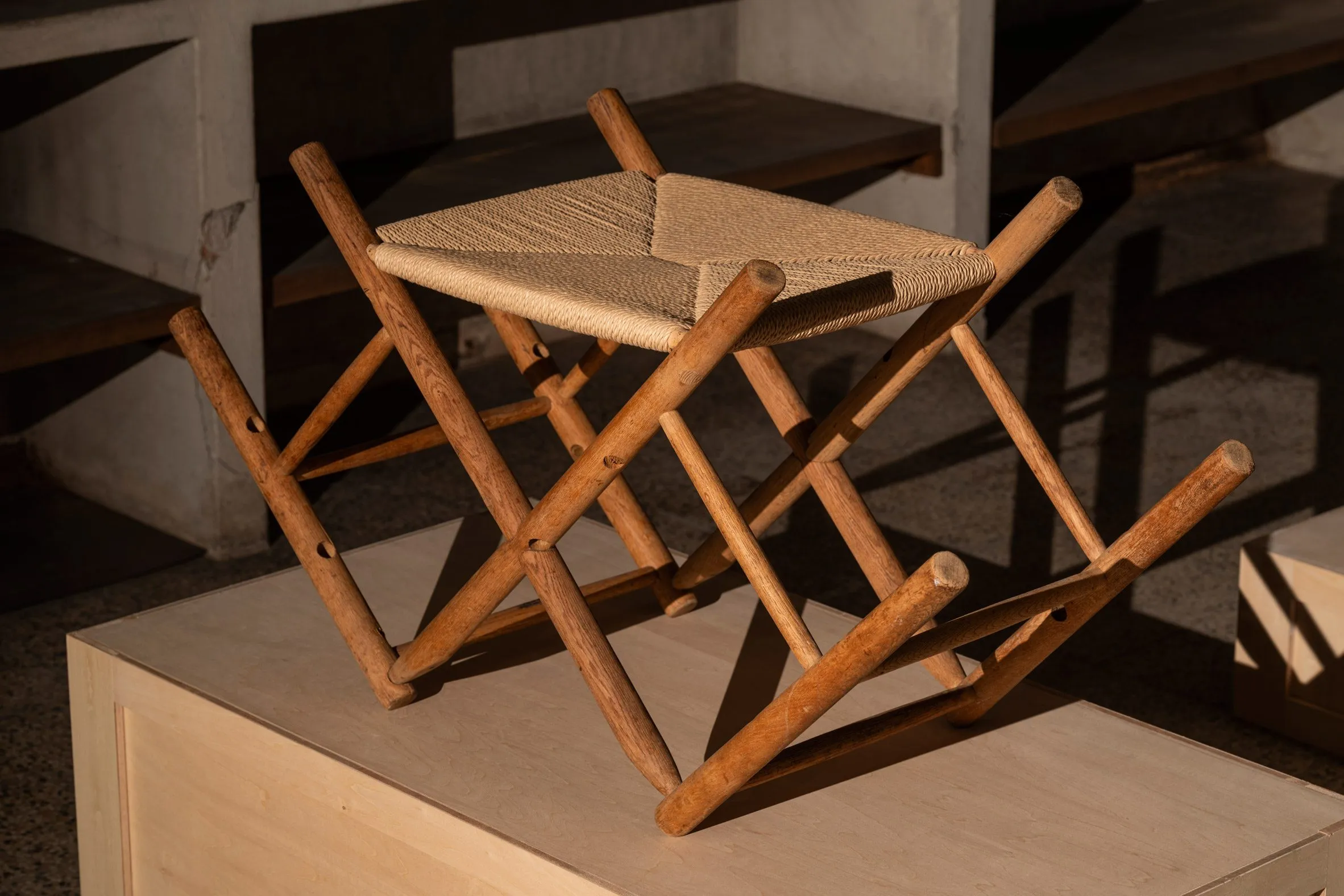
AtMa turns damage into authorship. A broken Børge Mogensen J39 is not restored by hiding its missing parts; the remaining material is transformed into paper and cord that become part of new J39.5 chairs. The deeper shift is from restoration as return to restoration as continuation: the object’s next life is built from its own history.
The Sign
What Is It?
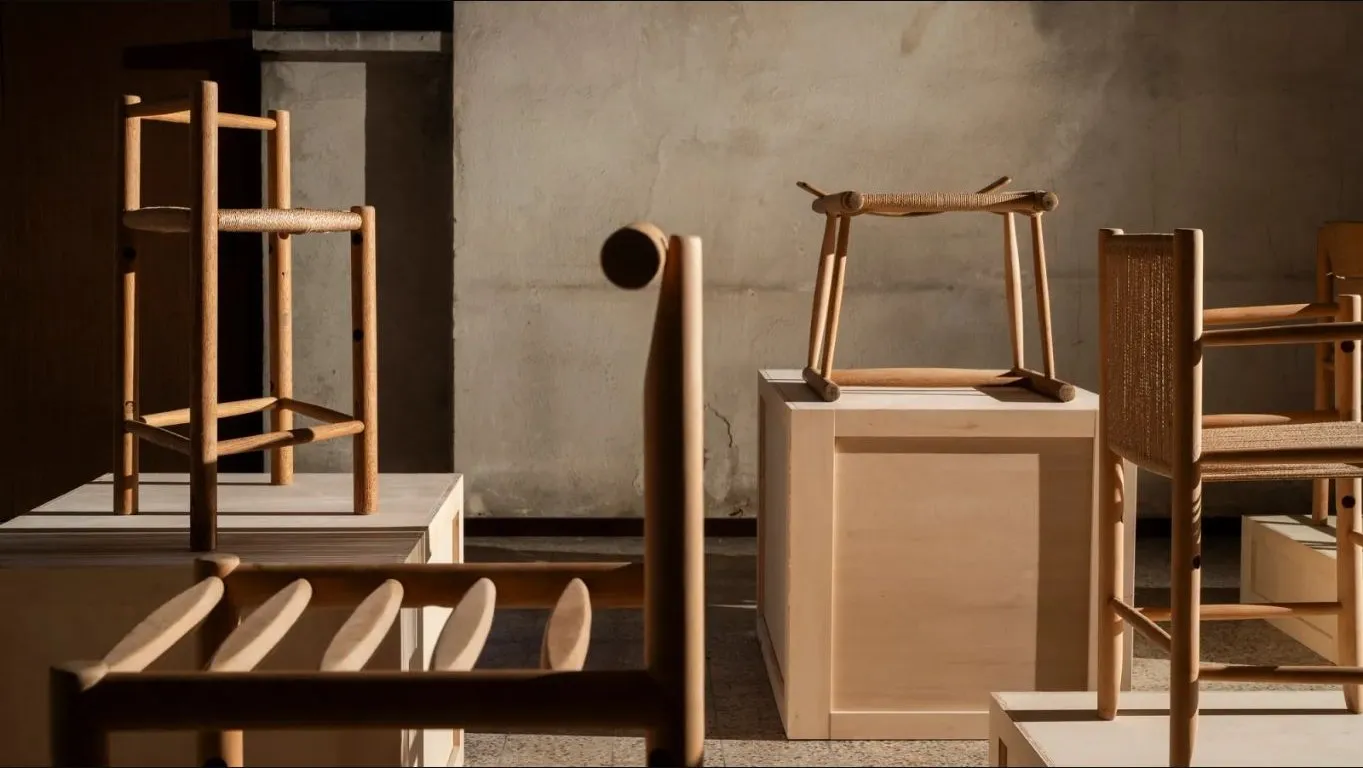
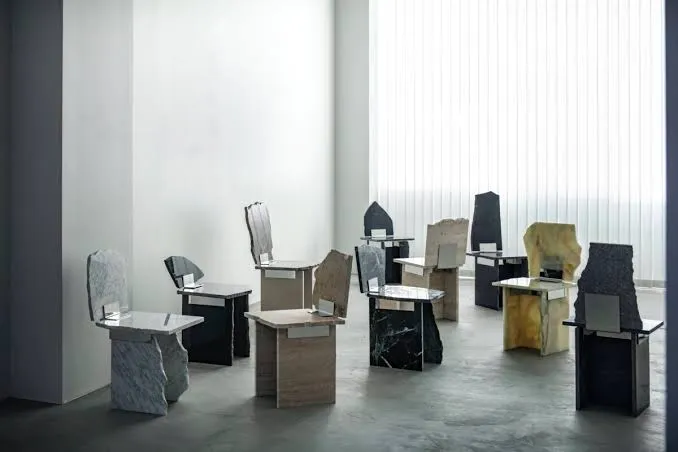
AtMa found a damaged Børge Mogensen J39 in a vintage furniture warehouse and chose not to treat its broken state as the end of the object. The studio used the remaining material as a resource, crushing wood into powder, straining it into paper, and twisting it into cord for new seats. Ateliers Courbet presented the resulting J39.5 series in its SoHo gallery in September 2026, including a Beatle chair, a stool, a rope-seat version and a triangular configuration.
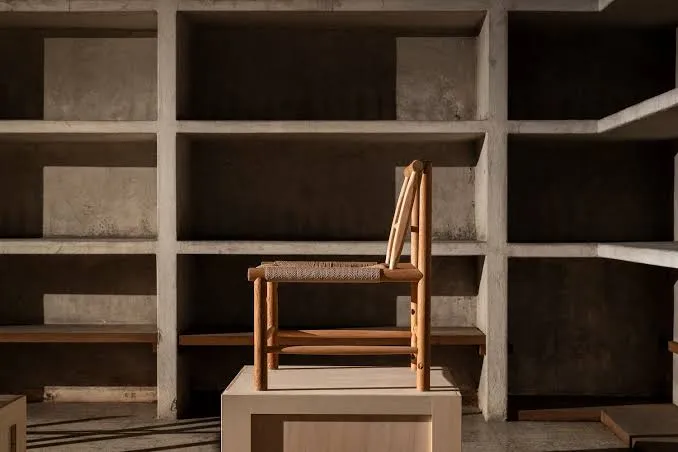
Conventional restoration tries to recover a previous state. AtMa instead treats damage as information: where the chair failed determines what material survives, what can be remade, and what the next form can become. The broken chair effectively becomes its own material archive.
Why Is It Cool?
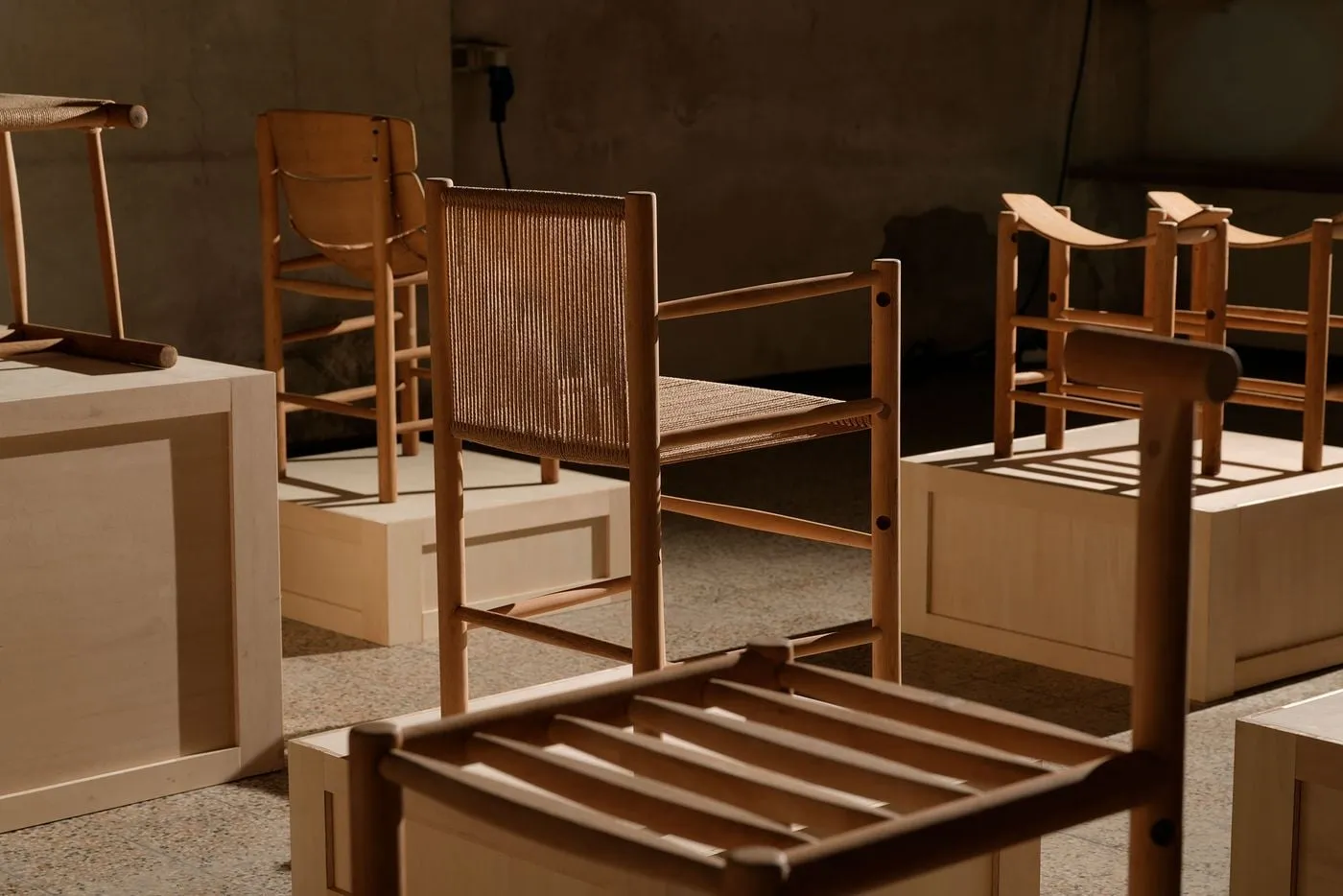
The strongest idea is not recycling. It is continuity. A broken leg can return as the material you sit on, so the object’s former function becomes part of its new function. The chair carries evidence of its own transformation rather than receiving an anonymous replacement.
That changes the emotional logic of collecting. A flawless vintage piece asks you to preserve the past. J39.5 asks whether care can also mean allowing an object to evolve. Its irregularity becomes provenance you can see. The collector is not only buying design history; they are buying a decision about how that history should continue.
Why Does It Have Future Growth Potential?
The larger opportunity is a new repair economy for objects with cultural value. As design classics become harder to source in perfect condition, makers could offer transformations that respond to the specific damage, material and history of each piece. That makes repair less like a technical afterthought and more like a form of bespoke authorship.
This could create a different kind of luxury service: not restoring every object to an imagined original, but developing a documented second life that could belong to that object alone. The value comes from specificity — knowing what broke, what survived, what was changed and why. In that model, provenance includes the repair itself.
Trend Summary Insight
AtMa suggests that the future of collectible design may move from perfection toward intelligent continuation. The object does not become valuable because its damage disappears. It becomes interesting because the damage changes what the object can become.
30 comments
HOW COOL IS THIS “SEED”?
● ● ● ● ○
DOES IT HAVE FUTURE GROWTH POTENTIAL?
● ● ● ● ●
The signal is repair becoming part of an object’s authorship. That opens an interesting luxury service, but it will not fit every piece or owner. The strongest growth argument is specific: documented transformations for objects whose history warrants skilled attention.
HOW COOL IS THIS “SEED”?
● ● ● ● ●
DOES IT HAVE FUTURE GROWTH POTENTIAL?
● ● ● ● ●
Explaining the wood becoming paper and then cord could make the story memorable for guests. The service team should also know how to care for the resulting seat. Meaning and maintenance belong together when a hotel introduces unusual materials into a space people use.
HOW COOL IS THIS “SEED”?
● ● ● ● ●
DOES IT HAVE FUTURE GROWTH POTENTIAL?
● ● ● ● ●
There is something tender about a chair’s broken material returning to support someone again. The story makes the damage feel like a turning point rather than an ending. I would want to know whether the new texture also feels comfortable in use.
HOW COOL IS THIS “SEED”?
● ● ● ● ○
DOES IT HAVE FUTURE GROWTH POTENTIAL?
● ● ● ● ○
A guest’s first question may simply be whether they can sit on it. A confident, friendly answer can open the deeper story. Staff should not make someone feel awkward for treating a chair as a chair before learning about its collectible transformation.
HOW COOL IS THIS “SEED”?
● ● ● ● ●
DOES IT HAVE FUTURE GROWTH POTENTIAL?
● ● ● ● ●
The J39.5 pushes back against the idea that valuable design must remain untouched. That makes it culturally interesting beyond recycling. I would like the conversation to include people who repair everyday furniture too, rather than reserve creative care for celebrated design classics.
HOW COOL IS THIS “SEED”?
● ● ● ● ●
DOES IT HAVE FUTURE GROWTH POTENTIAL?
● ● ● ● ○
Using material from the damaged chair creates a traceable connection between old and new. I would still ask how much survives and what has to be added. Those details matter if the work is discussed environmentally, rather than purely as a meaningful material transformation.
HOW COOL IS THIS “SEED”?
● ● ● ● ●
DOES IT HAVE FUTURE GROWTH POTENTIAL?
● ● ● ● ●
Transformation takes time, and that time may be part of the service collectors value. I would ask how an owner follows the work without directing every decision. A clear agreement at the beginning could protect both the maker’s judgement and the customer’s expectations.
HOW COOL IS THIS “SEED”?
● ● ● ● ○
DOES IT HAVE FUTURE GROWTH POTENTIAL?
● ● ● ● ●
A documented repair can give a collectible a history that identical replacements cannot share. That could interest buyers looking for knowledge beyond a recognisable silhouette. The record should make alterations explicit, so the new authorship does not blur the object’s earlier identity.
HOW COOL IS THIS “SEED”?
● ● ● ● ●
DOES IT HAVE FUTURE GROWTH POTENTIAL?
● ● ● ● ●
A distinctive chair can give a resort room character, but a collectible transformation also needs an appropriate setting. I would start with a small, carefully maintained display. Buying many pieces for dramatic interiors could miss the care that makes each one particular.
HOW COOL IS THIS “SEED”?
● ● ● ● ○
DOES IT HAVE FUTURE GROWTH POTENTIAL?
● ● ● ● ○
The idea that an object can change without losing its continuity has an appealing human resonance. I would keep that as a reflection, rather than turn it into a therapeutic claim. Its material story already gives guests plenty to think about.
HOW COOL IS THIS “SEED”?
● ● ● ● ●
DOES IT HAVE FUTURE GROWTH POTENTIAL?
● ● ● ● ○
Images of the original damage and the new cord could make the transformation understandable online. A digital record is useful if it preserves the decisions and material route. It should give more information than a dramatic before-and-after reveal designed only for attention.
HOW COOL IS THIS “SEED”?
● ● ● ● ●
DOES IT HAVE FUTURE GROWTH POTENTIAL?
● ● ● ● ●
Making something valuable from what remains is familiar in resourceful kitchens, although furniture has different technical demands. The interesting question is which qualities survive the transformation. I would want the story to acknowledge added materials and skilled work, not suggest that nothing new was needed.
HOW COOL IS THIS “SEED”?
● ● ● ● ○
DOES IT HAVE FUTURE GROWTH POTENTIAL?
● ● ● ● ●
The broken J39 becomes a material archive for the J39.5 series. That is an unusually tangible form of continuity. For collecting, the distinction between original material, additions and new design decisions needs to be documented just as carefully as the visual result.
Documenting what survives would also strengthen any environmental discussion. A meaningful material history is valuable in itself; a claim about resource savings needs a different kind of evidence.
HOW COOL IS THIS “SEED”?
● ● ● ● ●
DOES IT HAVE FUTURE GROWTH POTENTIAL?
● ● ● ● ●
Watching part of the paper-to-cord process could turn the chair into an experience, not only a purchase. A small studio encounter would make the maker’s choices visible. It should offer understanding while respecting the time and concentration the work requires.
HOW COOL IS THIS “SEED”?
● ● ● ● ●
DOES IT HAVE FUTURE GROWTH POTENTIAL?
● ● ● ● ●
I would first ask about comfort, load testing and appropriate use of the new seating material. The story is compelling, but a chair still meets a body. Collectible design and everyday furniture can have different expectations, and the buyer deserves to know which applies.
HOW COOL IS THIS “SEED”?
● ● ● ● ○
DOES IT HAVE FUTURE GROWTH POTENTIAL?
● ● ● ● ●
The repair is allowed to show, and that is what makes the object feel honest. I like the possibility of care creating value without a flawless surface. The result should remain inviting enough to live with, rather than becoming too precious to approach.
Keeping it approachable matters. If the transformation makes the chair too precious to live with, some of the idea of continuing its everyday life may be lost.
HOW COOL IS THIS “SEED”?
● ● ● ● ●
DOES IT HAVE FUTURE GROWTH POTENTIAL?
● ● ● ● ●
The transformation has a strong visual story, especially when people can see how the original material returns. Sustained interest will depend on more than one striking reveal. Owners may respond most strongly when the method is applied thoughtfully to an object with their own history.
HOW COOL IS THIS “SEED”?
● ● ● ● ●
DOES IT HAVE FUTURE GROWTH POTENTIAL?
● ● ● ● ●
The damaged design classic becomes a starting point instead of an object everyone must preserve in exactly the same state. That is the part I find exciting. It would be a shame if the new pieces became valuable only as another immaculate gallery status symbol.
HOW COOL IS THIS “SEED”?
● ● ● ● ○
DOES IT HAVE FUTURE GROWTH POTENTIAL?
● ● ● ● ●
Alteration changes what a collector is buying. The new work deserves its own clear identity, with the original chair acknowledged without confusing the two. I would be interested in how the gallery explains that relationship to buyers who know the J39 mainly as an icon.
HOW COOL IS THIS “SEED”?
● ● ● ● ●
DOES IT HAVE FUTURE GROWTH POTENTIAL?
● ● ● ● ○
Showing a material sample beside the finished chair could help visitors understand the paper and cord without needing a long label. The display should distinguish interpretation from practical use. A thoughtful layout can make the object approachable while preserving its more delicate details.
HOW COOL IS THIS “SEED”?
● ● ● ● ●
DOES IT HAVE FUTURE GROWTH POTENTIAL?
● ● ● ● ○
Repair becomes emotionally compelling when an owner can recognise what survived and why it was changed. That is a promising service relationship. The maker will need to explain trade-offs clearly, because continuing an object’s story may mean accepting that it no longer looks familiar.
HOW COOL IS THIS “SEED”?
● ● ● ● ●
DOES IT HAVE FUTURE GROWTH POTENTIAL?
● ● ● ● ○
Repair can create value through keeping an object in use. I would ask whether the service is understandable and convenient enough for customers to choose it. An inventive process needs a workable price and turnaround as well as a compelling material story.
HOW COOL IS THIS “SEED”?
● ● ● ● ●
DOES IT HAVE FUTURE GROWTH POTENTIAL?
● ● ● ● ●
Hotels replace furniture regularly, so an approach that supports continued use deserves attention. I would want a practical trial before treating it as a procurement solution. Appearance, strength and the ease of arranging replacement parts all matter to the team maintaining the room.
HOW COOL IS THIS “SEED”?
● ● ● ● ○
DOES IT HAVE FUTURE GROWTH POTENTIAL?
● ● ● ● ○
A hotel could use one of these chairs to start a conversation about how it cares for objects. The appeal is stronger when the material history is understandable. I would not assume collectible gallery work can become affordable furniture for an entire property.
HOW COOL IS THIS “SEED”?
● ● ● ● ○
DOES IT HAVE FUTURE GROWTH POTENTIAL?
● ● ● ● ●
Guests can understand a broken chair finding another life more easily than a broad sustainability statement. Staff would need a clear account of the transformation. Practical suitability also matters: visitors should know which pieces can be used and which require the care of a displayed artwork.
HOW COOL IS THIS “SEED”?
● ● ● ● ●
DOES IT HAVE FUTURE GROWTH POTENTIAL?
● ● ● ● ○
There may be a specialist service here for damaged objects with cultural value. It depends on documentation, skilled labour and buyers willing to pay for a transformation. That is a narrower business than general furniture repair, and the growth case should reflect those costs.
HOW COOL IS THIS “SEED”?
● ● ● ● ○
DOES IT HAVE FUTURE GROWTH POTENTIAL?
● ● ● ● ○
The chair’s history continues through the material instead of being covered over. That could make a hotel art programme feel connected to care rather than constant acquisition. It would be especially meaningful to explain why transformation was chosen for this particular damaged object.
HOW COOL IS THIS “SEED”?
● ● ● ● ●
DOES IT HAVE FUTURE GROWTH POTENTIAL?
● ● ● ● ●
This invites owners to take a different role in an object’s next chapter. They need not insist that care means returning everything to a former state. I would like to hear the makers’ reasoning about which damage called for repair and which opened room for a new form.
Rate & Discuss this Signal
Calibrate the Future Signals Index with your rating below, and share your perspective in the community dialogue.
Evaluate this Creative Signal
Help calibrate the Future Signals Index. Rate this Seed on both key criteria below (scale: 2 to 10).