




“True luxury is not always something new. Sometimes, it is seeing new value in what already exists.”
Take Away
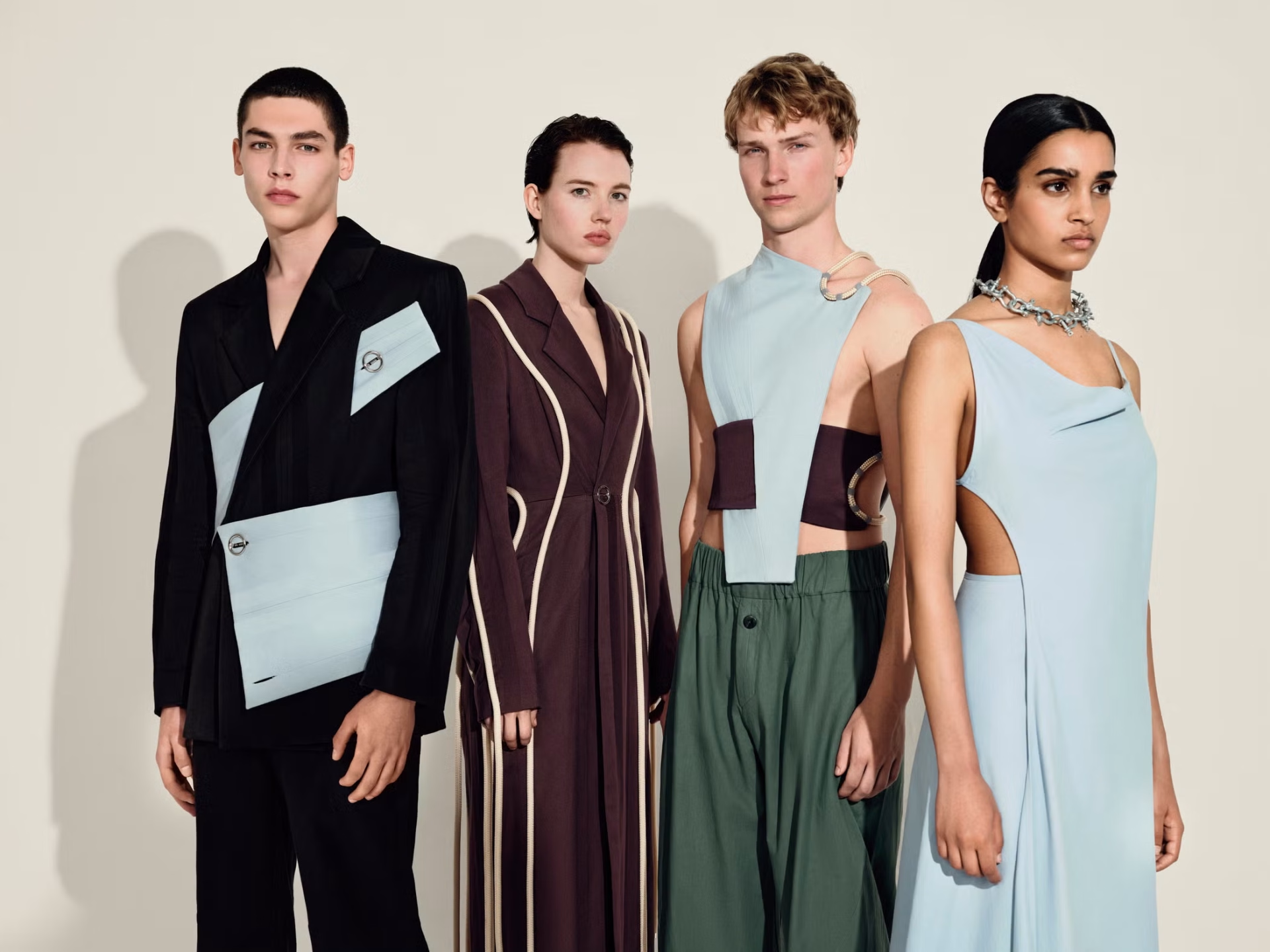
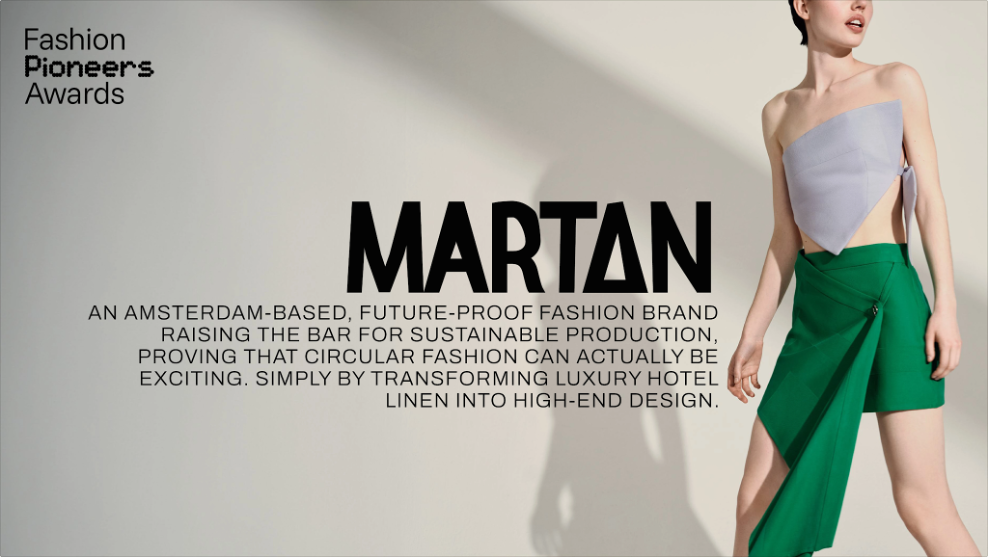
Amsterdam-based fashion label Martan is giving discarded hotel linen a second life. The brand transforms used hotel sheets and tablecloths into distinctive, high-end clothing.
Its designs combine modern tailoring with a unique material story. As a result, fabric once hidden behind hotel room doors becomes part of everyday style. Martan shows how sustainable fashion can turn unwanted materials into something desirable.
The Sign

What Is It?
Founded in 2022 by Diek Pothoven and Douwe de Boer, Martan is an Amsterdam fashion label with a circular approach to design. The brand sources discarded linen from high-end Dutch hotels and transforms it into new garments.
First, the fabric is sorted in Rotterdam. Next, it is cleaned, dyed, and turned into clothing in Europe. The collection includes tailored trousers, reversible blazers, and sculptural tops.
In summer 2026, Martan presented its work at Amsterdam’s Rijksmuseum. This moment brought its approach to sustainable luxury into the spotlight.
Why Is It Cool?

What makes Martan different is the story behind its materials. Hotel linen can be considered waste because of a small flaw, even when much of the cotton remains usable. Martan sees this as an opportunity rather than a limitation.
Instead of hiding the fabric’s past, the brand gives it a new purpose. Careful design turns discarded sheets and tablecloths into modern, high-quality clothing. The result is fashion that stands out for its style, not just its sustainability story.
This approach also creates a quieter kind of status. The wearer may know where the fabric came from, while others simply notice the distinctive cut and design.
At the Rijksmuseum show, Martan took this idea a step further. Materials once used in hotel rooms entered a public fashion setting. In doing so, the brand challenged the idea that luxury must always come from something new.
Why Does It Have Future Growth Potential?

Martan highlights an opportunity for both hotels and fashion brands. Instead of throwing away usable linen, hotels can give these materials a second life. Fashion designers can then turn them into distinctive, desirable clothing.
This approach fits the growing interest in circular fashion. It also gives customers a clear story behind what they wear. At the same time, designers can use the fabric’s size, texture, and condition to inspire new shapes.
However, there are challenges to overcome. The supply of discarded linen can vary, while sorting, cleaning, and production all add costs. In addition, one fashion show alone does not prove that the model can reduce waste on a large scale.
Still, Martan offers a compelling vision for sustainable luxury. By combining creative design with material reuse, the brand shows how existing resources can become valuable again. Its approach suggests that the future of fashion may depend not only on what we create, but also on how we use what already exists.
Rate & Discuss this Signal
Calibrate the Future Signals Index with your rating below, and share your perspective in the community dialogue.
Evaluate this Creative Signal
Help calibrate the Future Signals Index. Rate this Seed on both key criteria below (scale: 2 to 10).