




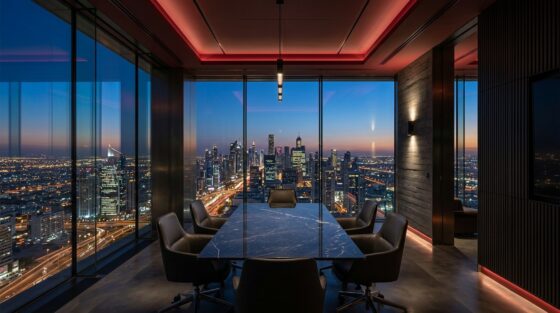

“What if a luxury brand no longer wants you simply to admire its products, but invites you to enter its world and become part of its story?”
Take Away
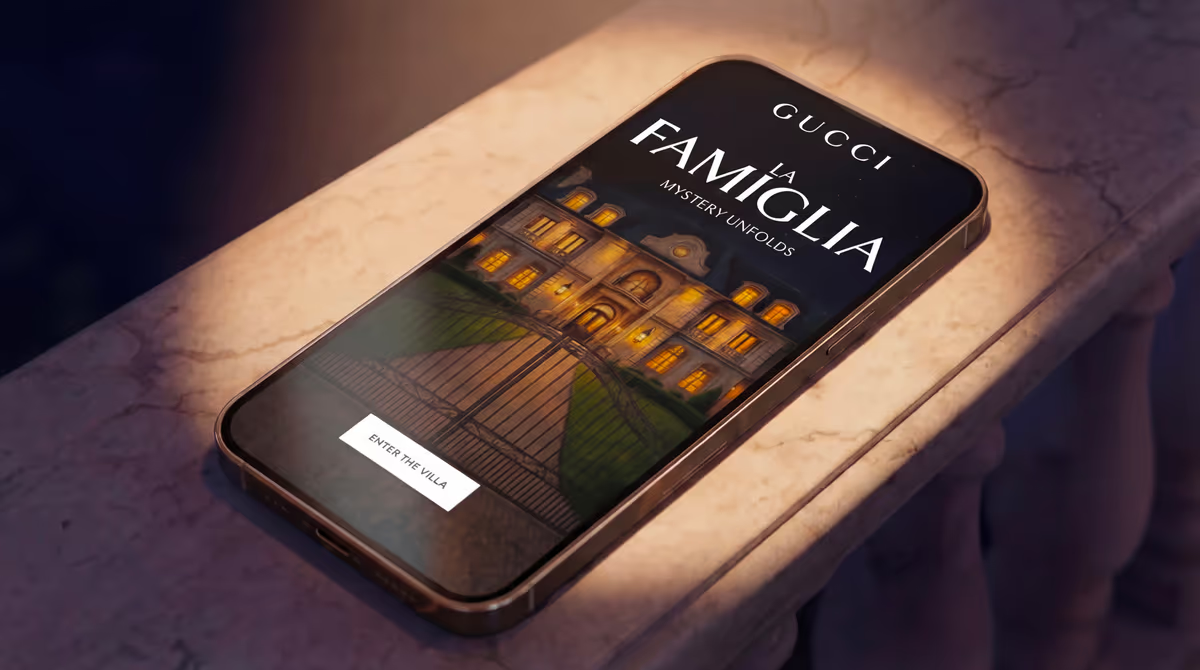
In March 2026, Gucci introduced La Famiglia: Mystery Unfolds, an interactive detective story on its website. Visitors enter a fictional world, question characters and investigate the theft of jewelry. The collection becomes part of a story that visitors actively explore, rather than simply look at.
The WOW is that Gucci turns browsing into participation.
The deeper question is more interesting: what happens when the luxury experience becomes something you do, rather than something you own?
The La Famiglia: Mystery Unfolds campaign has been a massive success, capturing millions of consumers worldwide and rewriting the rules for how luxury brands engage younger audiences.
The Sign
What Is It?
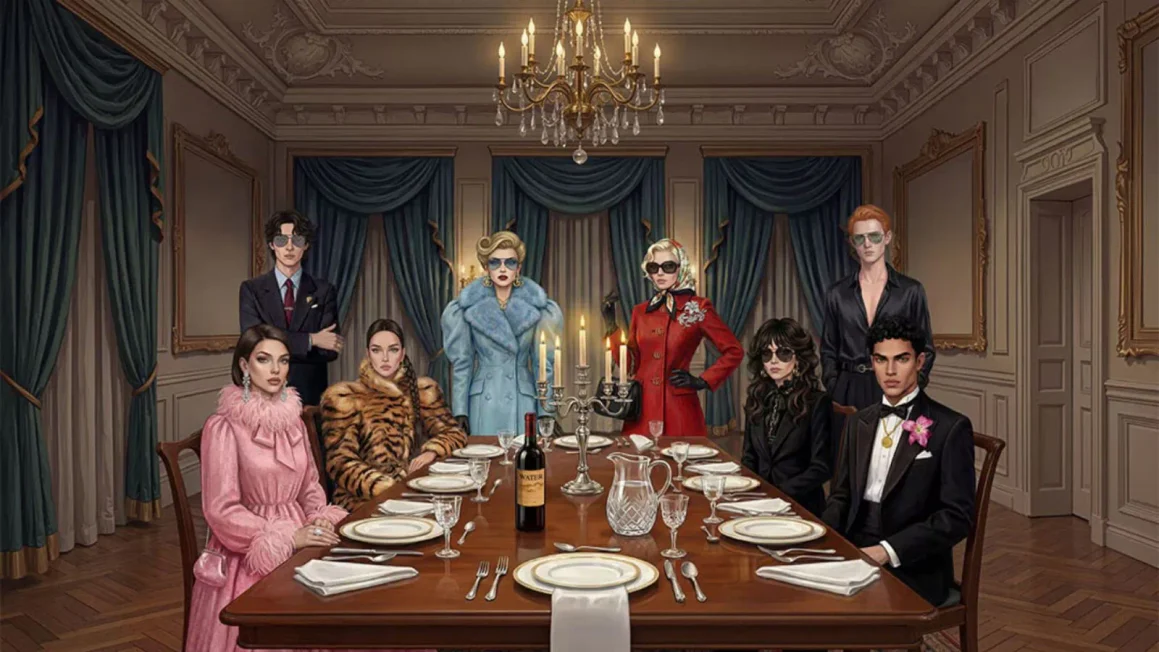
Gucci’s Mystery Unfolds invites visitors into a fictional detective narrative. Instead of encountering fashion solely through product pages and campaign images, they can investigate characters and follow clues in a branded story.
The brand is no longer just presenting an aesthetic. It is creating a world that visitors can explore.
The consumer becomes a participant rather than merely a spectator.
Why Is It Cool?
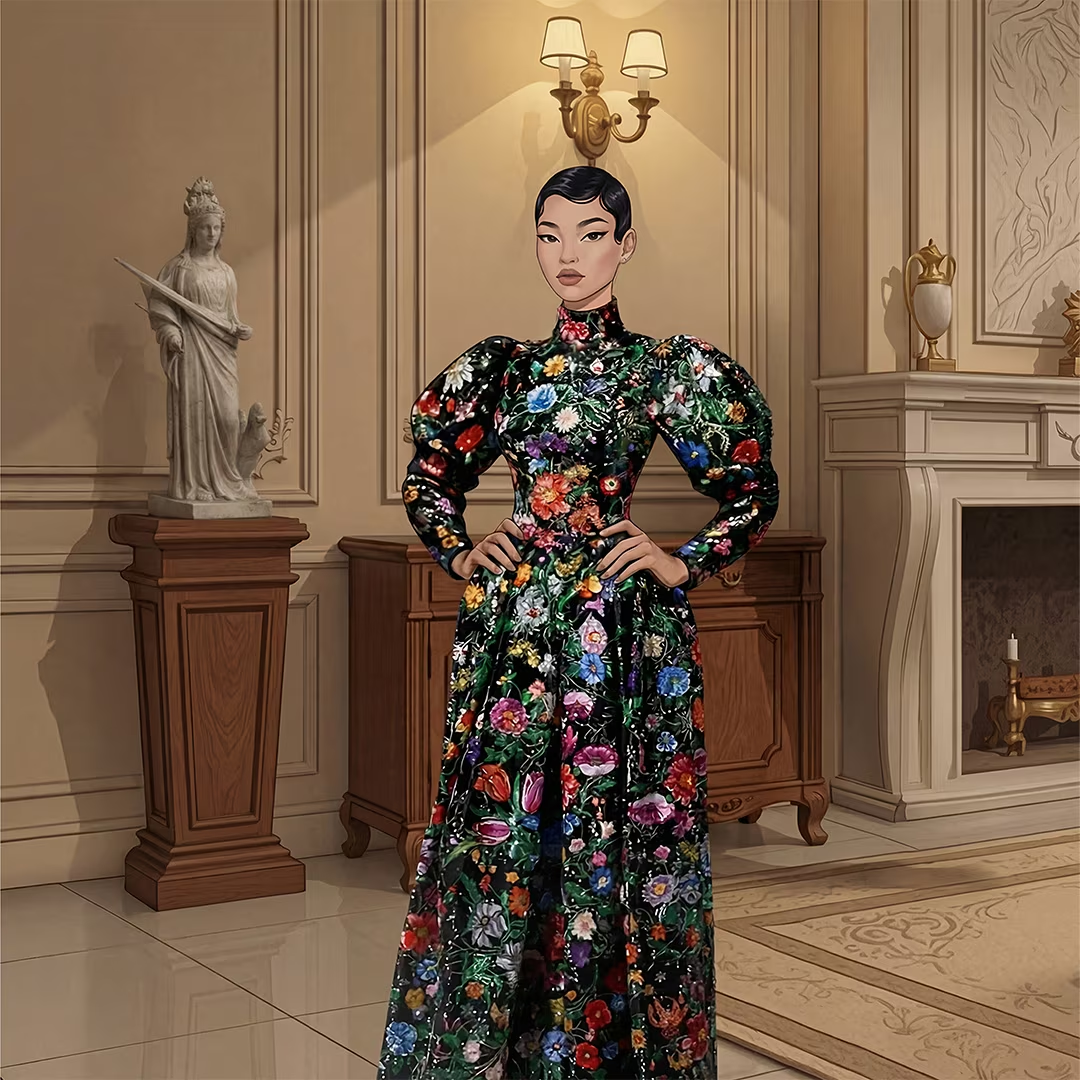
Traditionally, luxury has offered consumers something desirable to possess: a handbag, a watch, a beautiful hotel stay or an exclusive experience.
Interactive digital storytelling introduces another possible source of value. People can become attached to a brand because they enjoy exploring its universe, discovering its characters and participating in its narratives.
Why Does It Have Future Growth Potential?

Hospitality becomes a world to enter.
Imagine a hotel that invites prospective guests to explore its fictional history, uncover stories about its architecture, meet characters connected to its destination or discover hidden experiences before booking.
The digital experience would not replace the physical hotel. It could make people curious enough to want to visit it.
For hospitality brands, this raises a compelling question: could the next competitive advantage lie partly in creating worlds that people want to enter — digitally first, physically afterwards?
The Shift
Three mentality shifts are worth investigating:
- From possession to participation. The attraction is not only what you can buy, but what you can experience and do.
- From status to cultural involvement. Knowing a brand’s world, story and references can become part of how people express their identity.
- From passive audiences to active explorers. Consumers increasingly encounter brands through interactive formats rather than only through conventional advertising.
These shifts do not mean physical luxury is disappearing. They suggest that brands have new ways to create desire and emotional attachment alongside the products they sell.
AI may eventually make such worlds more responsive and personalized, adapting stories and experiences to individual visitors. But the commercial value will depend on whether these experiences create genuine engagement, not merely technological novelty.

Rate & Discuss this Signal
Calibrate the Future Signals Index with your rating below, and share your perspective in the community dialogue.
Evaluate this Creative Signal
Help calibrate the Future Signals Index. Rate this Seed on both key criteria below (scale: 2 to 10).