
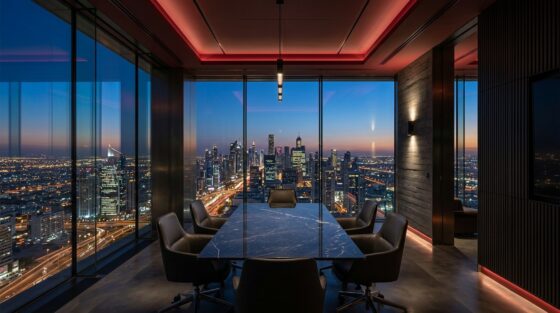

“Beyond the five stars. The new luxury is a whole world.”
Take Away
What if the next big thing in luxury hospitality is not another spectacular five-star hotel, but an entirely new approach to developing destinations?
Imagine a place where luxury hotels, marine conservation, wellness centres, cultural experiences, nature and active lifestyles are not separate attractions but interconnected parts of a single ecosystem.
This is precisely the ambition underpinning AMAALA, the emerging luxury wellness destination on Saudi Arabia’s Red Sea coast.
The Sign
What Is It?
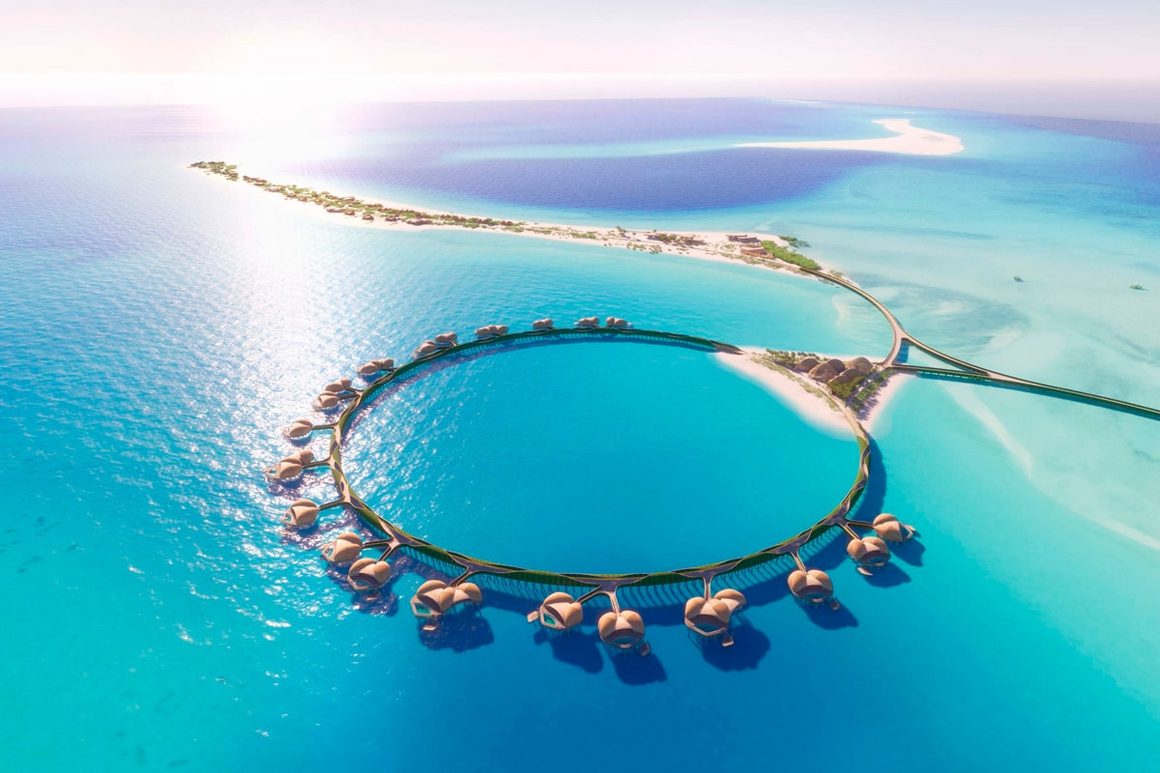
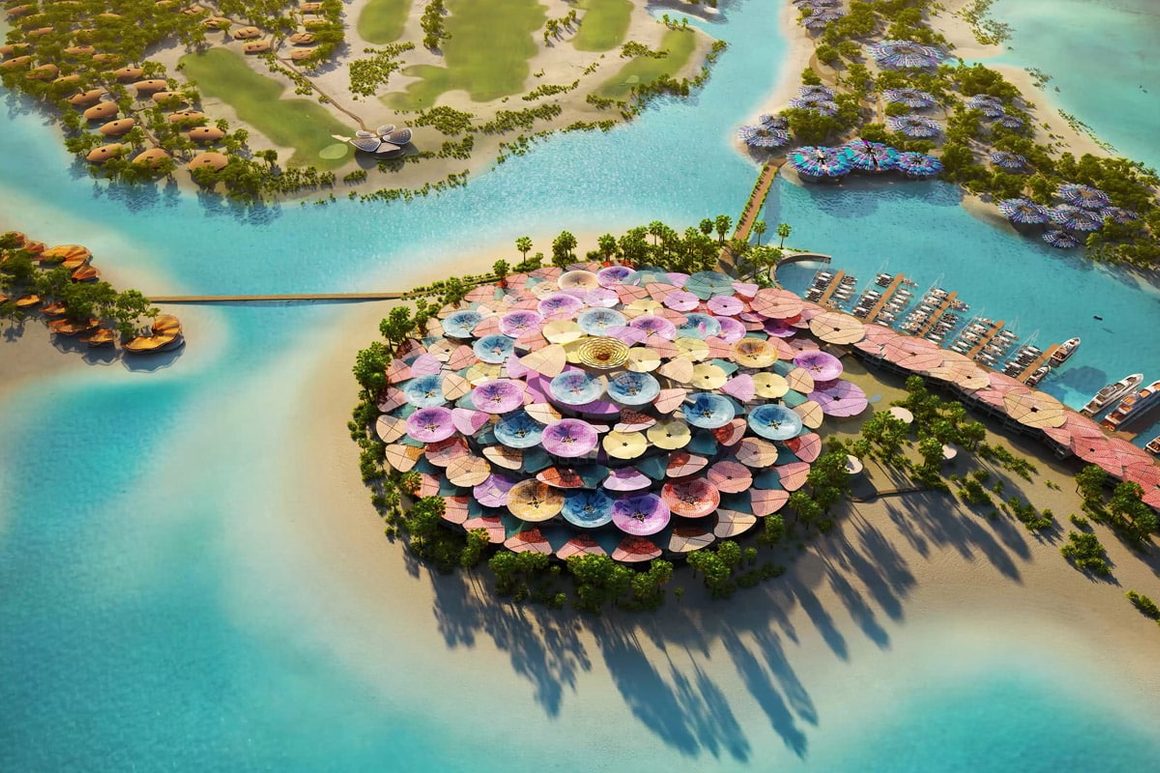
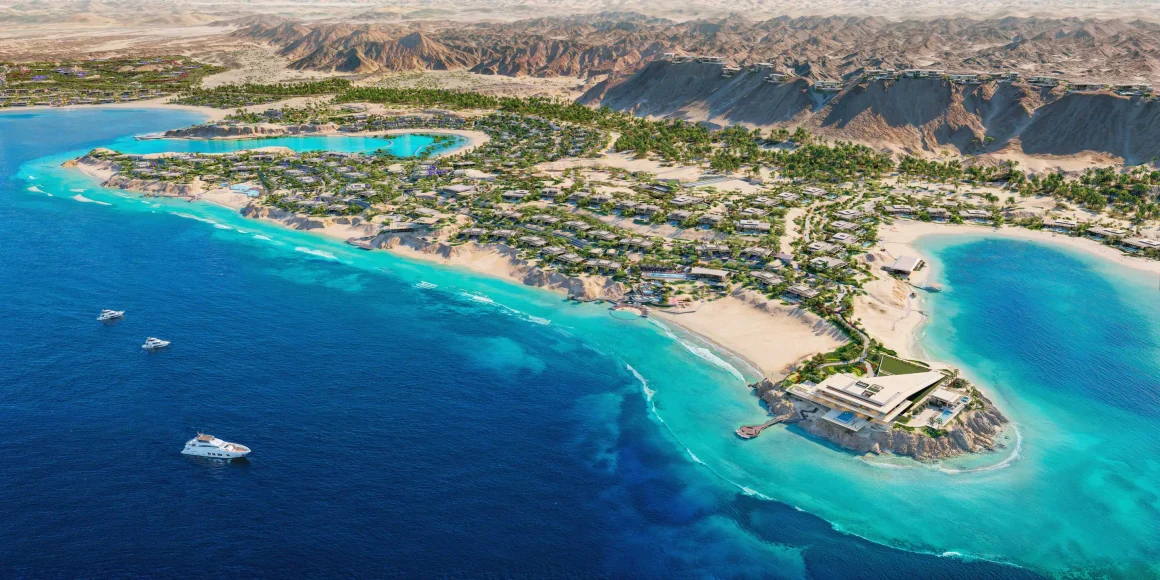
AMAALA is an ambitious undertaking by Red Sea Global. It’s part of Saudi Arabia’s Vision 2023. Rather than developing individual luxury resorts, it is creating an integrated destination that combines ultra-luxury hospitality, wellness, yachting, marine conservation and nature-based experiences.
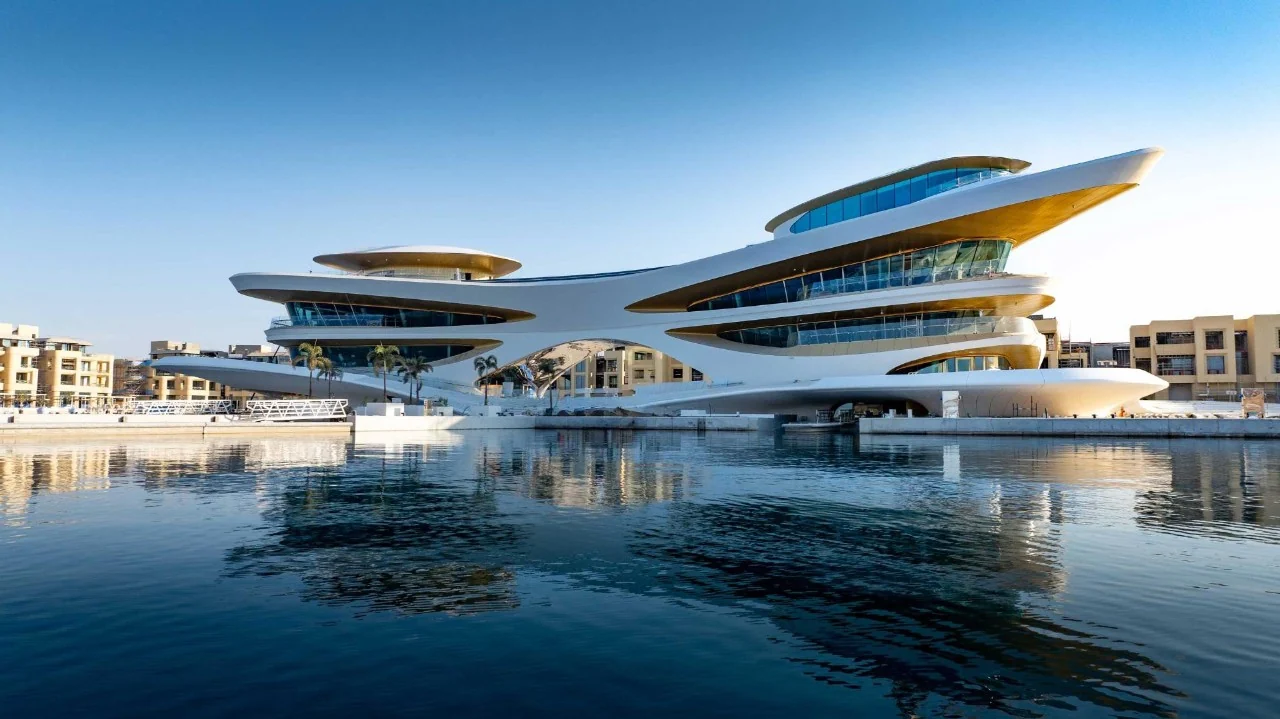
Its developments include Miraval, Four Seasons, Six Senses and other international hospitality brands. The destination also features the Corallium Marine Life Institute, a yacht club and a five-kilometre Wellness Route linking various experiences.
The ambition goes considerably further than providing guests with beautiful rooms and impressive spas. The development aims to combine luxury tourism with ecological restoration, targeting a 30% net conservation benefit for local ecosystems by 2040.
In other words, the destination itself becomes part of the wellness proposition.
Why Is It Cool?
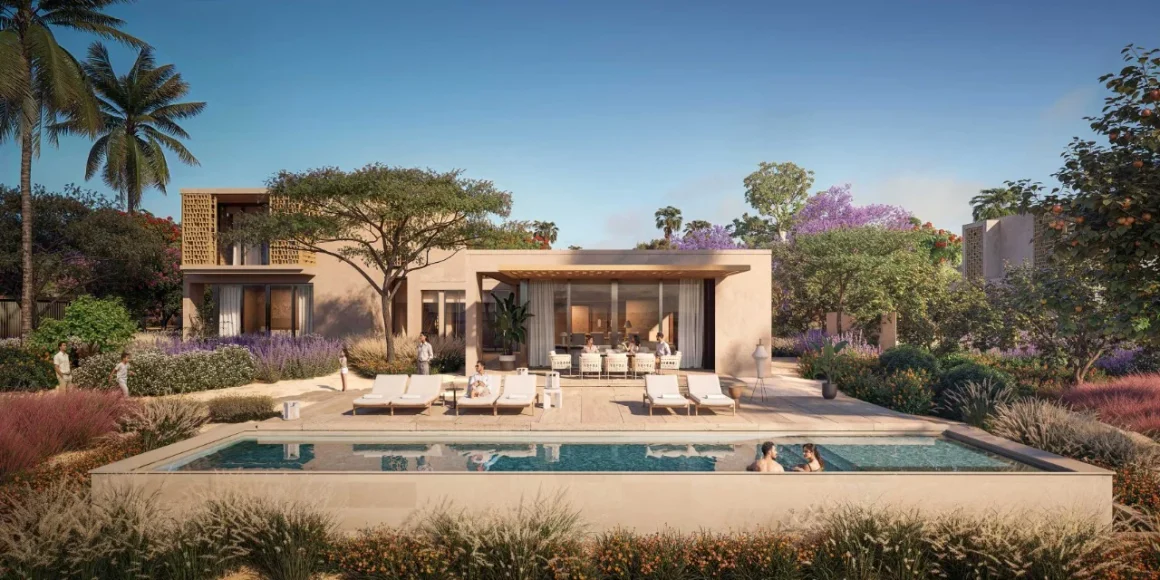
Because it suggests that luxury hospitality is moving beyond the traditional hotel product.
Three interesting shifts emerge:
- From hotel amenities to wellbeing ecosystems
A spa, gym and healthy restaurant are no longer sufficient. The next generation of destinations may integrate movement, nature, sleep, nutrition, mental restoration, marine experiences and social connection into a single coherent proposition.
- From consuming a destination to contributing to it
Guests increasingly encounter the idea that their stay can contribute to the natural and cultural environment of the destination. Regeneration becomes part of the guest experience, rather than merely an environmental policy hidden in the hotel’s annual report.
- From luxury property to destination identity
The real competitive advantage may lie not in the hotel’s individual facilities, but in what makes its surroundings, culture, landscape and experiences impossible to replicate elsewhere.
Why Does It Have Future Growth Potential?
Because it connects several powerful developments:
- The growing convergence of luxury hospitality, wellness and longevity.
- The search for more meaningful experiences and deeper human restoration.
- The increasing importance of nature, biodiversity and environmental responsibility.
- The demand for distinctive destinations rather than for standardised luxury.
- The commercial opportunity to build stronger, more resilient hospitality assets through an integrated destination proposition.
But there is also an important question: can such ambitious developments deliver genuine regeneration and authentic cultural connection, or will they simply create another, more sophisticated form of luxury tourism?
That distinction will become increasingly important.
Summarizing Key Questions
- Can boutique hotels create their own smaller-scale wellbeing ecosystems?
- How can architecture, nature, local culture and integrative wellness reinforce each other?
- What makes a regenerative destination commercially viable rather than merely attractive in a sustainability presentation?
- Can hotels become active contributors to the health of their surrounding communities and ecosystems?
- How should investors and owners assess the true potential of a wellness destination before committing substantial capital?
Author: John TG Nielsen, The Regenerative Luxury Hospitality Hunter
Editor: Kotryna Paškevičė
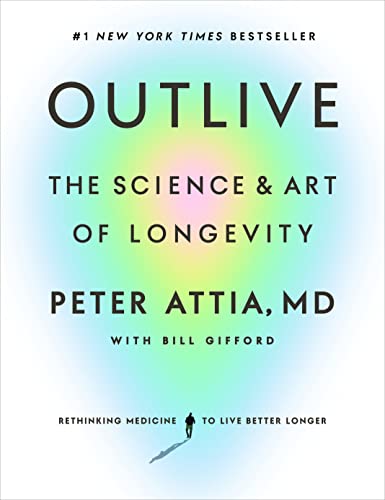
Outlive: The Science and Art of Longevity
Connects the new generation of wellness sanctuaries, recovery hotels, and longevity retreats directly to evidence-based science.

Therabody Theragun Mini 2.0 Percussive Therapy
Belichaamt de proactieve fysieke herstel- en saunacultuur die exponentieel groeit binnen hoogwaardige wellness-hospitality.

Outlive: The Science and Art of Longevity
Directly underpins the shift toward proactive biohacking and preventive physical restoration highlighted in this signal.

Click & Grow Smart Garden Connected Indoor Ecosystem
Praktische vertaling van biofiele architectuur en regeneratief wonen: levend groen geïntegreerd in het binnenklimaat.

Setting the Table: The Transforming Power of Hospitality in Business
Unpacks the human philosophy behind the extraordinary guest touchpoints and unexpected details highlighted in this briefing.

Philips Somneo Sleep & Circadian Wake-Up Light
Essentiële biohacking technologie voor circadiaan herstel en slaapoptimalisatie, centraal in de nieuwe generatie longevity hotels.

Stanley Classic Trigger-Action Travel Mug (0.47L)
Onverslijtbare vacuümisolatie voor de hedendaagse mobiele reiziger en actieve buitenverkenner.

Aesop Resurrection Aromatique Hand Balm (75ml)
De wereldwijde standaard voor zintuiglijke merkbeleving en botanische gastvrijheid in boutique hotels.

Ember Temperature Control Smart Mug 2
Slimme thermische precisietechnologie die dagelijkse drinkrituelen transformeert tot een geconditioneerde sensorische ervaring.

Lexon Mina Mini LED Portable Ambient Lamp
Draagbare sfeerverlichting die elke hospitality- of leefruimte onmiddellijk omtovert tot een intieme, warme oase.
Rate & Discuss this Signal
Calibrate the Future Signals Index with your rating below, and share your perspective in the community dialogue.
Evaluate this Creative Signal
Help calibrate the Future Signals Index. Rate this Seed on both key criteria below (scale: 2 to 10).