



“It starts to look less like “hiring a nanny” and more like building a private human operating system around a family.”
Take Away
For the ultra-rich, luxury is increasingly moving from things and places into highly sophisticated human support. The extraordinary rise of the elite nanny is a small but revealing signal: when almost every material luxury is already accessible, the scarce luxury becomes exceptional people who can make life work beautifully.
The Sign

What Is It?
The Economist recently reported on the increasingly demanding—and lucrative—world of nannying for the ultra-rich. The old image of the nanny as simply childcare is disappearing. At the top end, families want highly educated, multilingual, discreet professionals who can travel internationally, operate within complex household teams and provide continuity for children across different homes, countries and schedules.
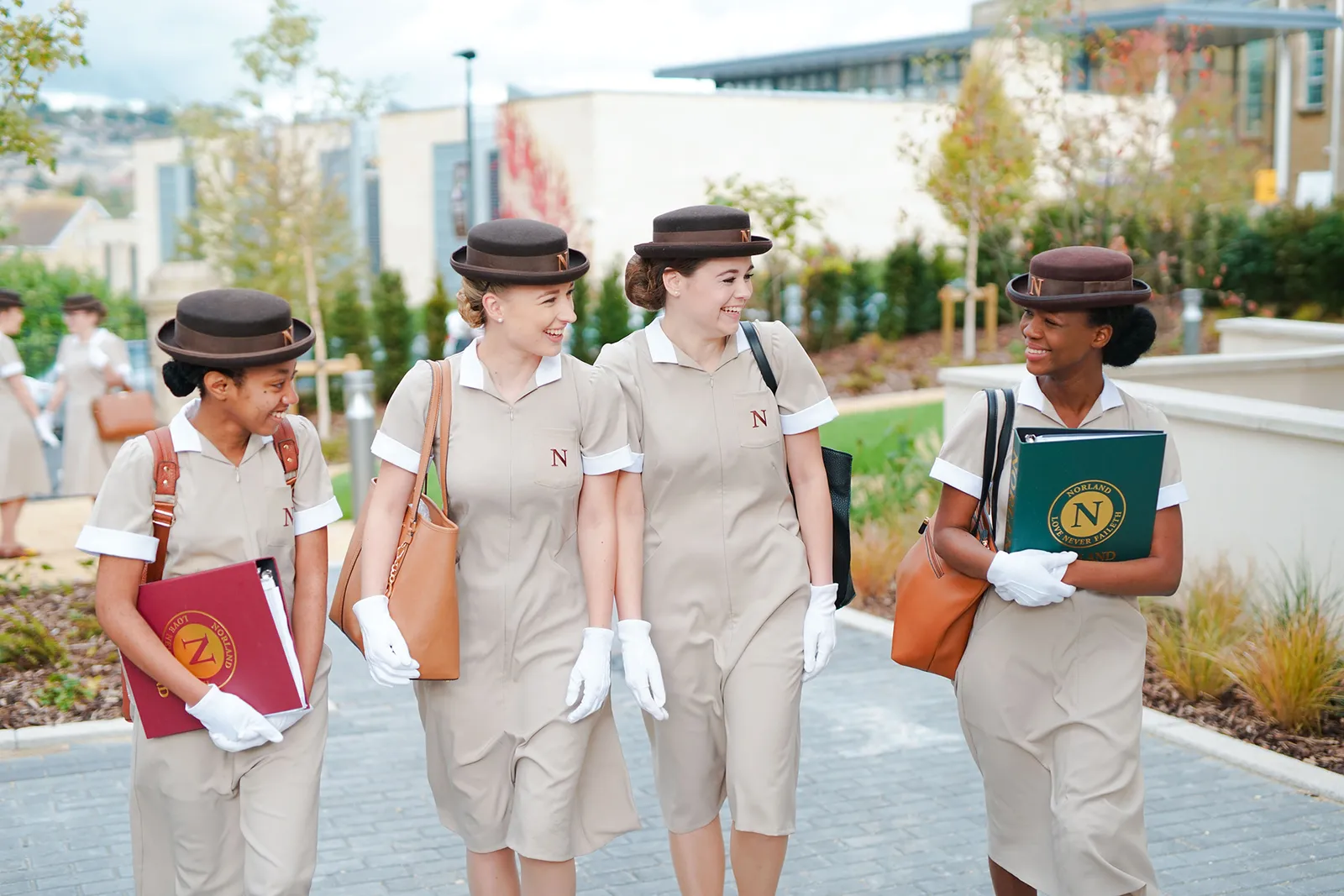
A spectacular example is Norland, the British school that has been producing elite nannies since 1892. Today’s Norland training goes far beyond childcare: students learn child development, nutrition and practical care, but also driving, self-defense and cybersecurity. Norland even operates its own agency exclusively placing its graduates with families internationally.
This starts to look less like “hiring a nanny” and more like building a private human operating system around a family.
Why Is It Cool?
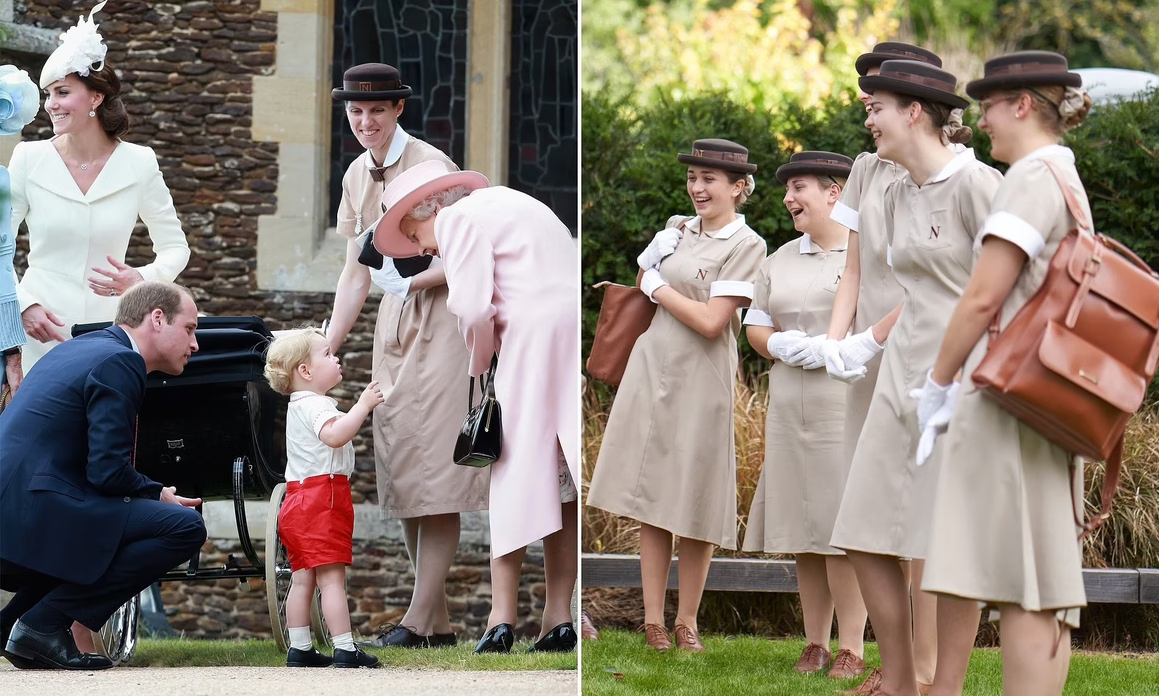
This is about the inversion of traditional luxury.
Luxury used to mean more: bigger homes, more destinations, more possessions, more staff. But once material abundance reaches a certain point, another scarcity emerges: attention, trust, discretion, emotional intelligence and continuity.
A superb nanny can know how a particular child reacts when arriving in a new country, understand the family’s rhythms, anticipate problems before they occur and create a sense of normality while the family moves between homes and continents.
That is an intriguing new definition of luxury: frictionless human life.
And it may extend far beyond childcare. Personal assistants, household managers, private chefs, wellness professionals, tutors, and other private services could increasingly become part of the same high-end ecosystem.
Why Does It Have Future Growth Potential?
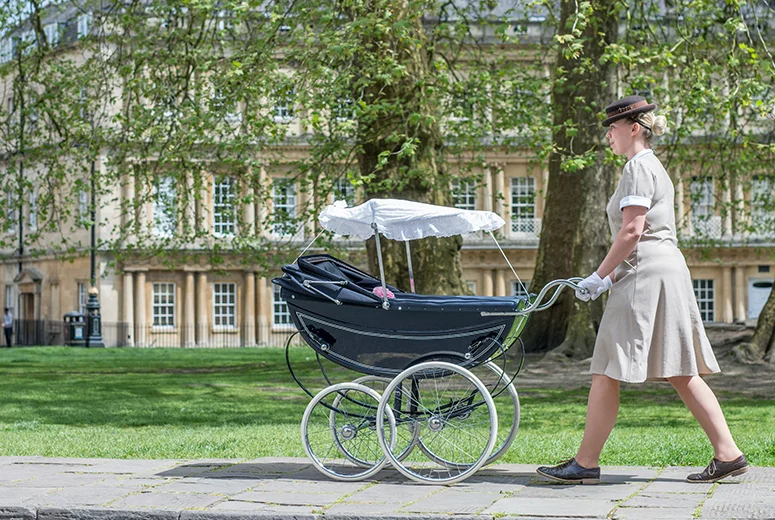
The deeper signal is not about nannies. It is about the professionalization of private life.
At the same time, this creates an interesting paradox: in an increasingly AI-mediated world, some of the most valuable forms of luxury may become deeply human and difficult to automate—trust, intuition, discretion, empathy and knowing when to intervene and when not to.
The future luxury question may therefore become less “What can money buy me?” and more:
“Who can make my life feel effortless?”
That could turn exceptional human service into one of the great new luxury status markers.
Reflecting Trend Space
What happens when the ultimate luxury service is no longer a hotel, villa or yacht—but a team of extraordinary humans permanently travelling through your life with you?
Could the next generation of luxury households resemble five-star hotels more than traditional homes: with a carefully orchestrated ecosystem of childcare, education, wellness, food, security, travel and personal assistance?
And if so, perhaps the most interesting luxury trend is not the expansion of the private estate—but the emergence of the private human infrastructure around it.

Author: Sugnan Prabhandam, Cool Luxury Hospitality Experience Hunter
Editor: Kotryna Paškevičė

The Luxury Strategy: Break the Rules of Marketing to Build Luxury Brands
Directly mirrors the shift explored in this signal from outward conspicuous logos to bespoke craftsmanship and private luxury.

Mission Darkness Mojave Faraday Phone Bag
Fysieke signaalblokkering en anti-tracking technologie voor reizigers die kiezen voor de ultieme luxe van complete digitale onvindbaarheid.

Deluxe: How Luxury Lost Its Luster
Provides crucial historical perspective on why modern consumers are seeking out hyper-niche, untraceable, and artisan-led luxury.

Therabody Theragun Mini 2.0 Percussive Therapy
Belichaamt de proactieve fysieke herstel- en saunacultuur die exponentieel groeit binnen hoogwaardige wellness-hospitality.
The Trend Forecaster’s Handbook (2nd Edition)
Provides the exact methodological toolkit used by our global spotter network to identify and validate signals like this one.

Stanley Classic Trigger-Action Travel Mug (0.47L)
Onverslijtbare vacuümisolatie voor de hedendaagse mobiele reiziger en actieve buitenverkenner.

Braun Classic Minimalist Bauhaus Analog Watch
Iconisch Dieter Rams-minimalisme: tijdloze proportie en ingetogen luxe als stil statement tegen opzichtige logo-cultuur.

RAINS Waterproof Minimalist Backpack Mini
Scandinavisch minimalistisch design gecombineerd met waterdichte technische functionaliteit voor stedelijke en off-grid expedities.

Fellow Stagg EKG Electric Gooseneck Kettle
Verbindt met de third-wave gastronomie en belevingsrituelen waarbij bereiding verandert in een esthetische theaterervaring.

Click & Grow Smart Garden Connected Indoor Ecosystem
Praktische vertaling van biofiele architectuur en regeneratief wonen: levend groen geïntegreerd in het binnenklimaat.
Rate & Discuss this Signal
Calibrate the Future Signals Index with your rating below, and share your perspective in the community dialogue.
Evaluate this Creative Signal
Help calibrate the Future Signals Index. Rate this Seed on both key criteria below (scale: 2 to 10).