



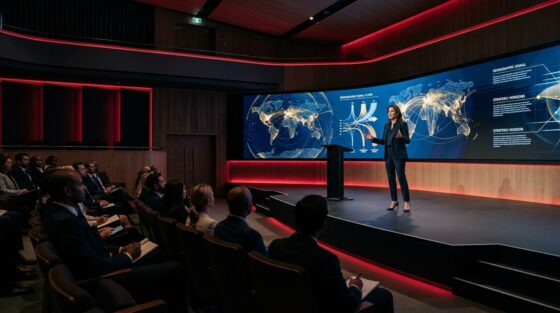



Indeed, algorithmic hiring engines streamline candidate filtering but demand rigorous human auditing to prevent systemic demographic bias

Modern enterprise recruitment teams receive thousands of digital resumes for every open corporate job listing. Reviewing massive applicant pools manually consumes hundreds of administrative hours and introduces unconscious recruiter favoritism. Consequently, global corporations eagerly deploy human resources and ai tools to screen resumes, schedule interviews, and evaluate skills. Machine learning algorithms analyze video interview cadence, facial micro-expressions, and linguistic vocabulary within seconds. However, automated systems often inherit and amplify historical workplace biases hidden within training datasets. Therefore, balancing computational efficiency with genuine ethical human empathy remains a vital imperative.
Algorithmic Efficiency and the Bias Trap
To begin with, human resources and ai tools offer remarkable operational advantages by filtering qualified technical talent instantaneously. Candidates complete automated skill assessments that objectively test coding ability, financial modeling, or language fluency. In addition, chatbots answer applicant questions around the clock, providing responsive communication throughout hiring cycles. However, algorithms trained on historical corporate rosters frequently penalize female applicants and racial minorities. As a result, automated screening tools can perpetuate systemic exclusion behind an illusion of mathematical objectivity. Therefore, organizations must mandate continuous third-party algorithmic audits to ensure equitable talent evaluation.
Employee Sentiment and Continuous Feedback
Beyond talent acquisition, internal employee management is undergoing an equivalent algorithmic revolution. Natural language processing tools analyze corporate communication platforms to track organizational sentiment and detect early burnout signals. Specifically, human resources and ai tools help executives identify teams experiencing excessive overtime stress before resignation waves occur. Management intervenes proactively with mental health days, workload reallocations, and wellness support. However, surveillance algorithms must never infringe on worker privacy or stifle open internal dissent. Transparent governance policies ensure that data analytics empower employees rather than policing their daily lives.
Future Potential for Human-Centered Talent Design
Looking toward future decades, human resources and ai tools will synthesize personalized career pathing and automated professional upskilling. Smart recommendation engines will suggest bespoke learning modules tailored to each worker’s evolving career aspirations. Meanwhile, human resource directors will focus on empathetic conflict resolution, cultural design, and executive leadership coaching. Discover further future of work analyses and organizational trend reports across the Science of the Time portal. For authoritative guidance on ethical artificial intelligence in employment, consult the Society for Human Resource Management knowledge hub. Ultimately, technology serves people best when guided by compassion.
30 comments
HOW COOL IS THIS “SEED”?
● ● ● ● ●
DOES IT HAVE FUTURE GROWTH POTENTIAL?
● ● ● ● ○
I would let the idea of automated assistance in decisions about people lead the presentation of the Human Resources and AI argument. I would keep the interpretation focused on the element that makes the idea distinctive. Restraint can preserve its meaning while leaving people space for conversation, reflection and a different response.
HOW COOL IS THIS “SEED”?
● ● ● ● ○
DOES IT HAVE FUTURE GROWTH POTENTIAL?
● ● ● ● ●
A clear account of the Human Resources and AI argument should keep automated assistance in decisions about people distinct from promised outcomes. Communication should distinguish the observed example, the proposed benefit and the evidence for growth. Dated, specific claims would be more credible than broad predictions that attention must become loyalty or sales.
HOW COOL IS THIS “SEED”?
● ● ● ● ○
DOES IT HAVE FUTURE GROWTH POTENTIAL?
● ● ● ● ○
The narrative around the Human Resources and AI argument and automated assistance in decisions about people deserves difficult questions too. The concept deserves scrutiny of who benefits and who absorbs its demands. An interesting signal can remain valuable without accepting the promotional story as a complete account of its social or commercial consequences.
HOW COOL IS THIS “SEED”?
● ● ● ● ○
DOES IT HAVE FUTURE GROWTH POTENTIAL?
● ● ● ○ ○
I would look closely at the making behind the Human Resources and AI argument and automated assistance in decisions about people. I would judge the finished encounter and the work sustaining it together. Careful execution can give the concept lasting substance, whereas novelty alone says little about quality over time.
HOW COOL IS THIS “SEED”?
● ● ● ● ○
DOES IT HAVE FUTURE GROWTH POTENTIAL?
● ● ● ● ○
A spatial interpretation of the Human Resources and AI argument should make automated assistance in decisions about people workable in use. A spatial adaptation needs comfortable routes and places to pause. I would observe real movement and use, rather than assume the visual appeal of a setting proves that it works well for everyone.
HOW COOL IS THIS “SEED”?
● ● ● ● ○
DOES IT HAVE FUTURE GROWTH POTENTIAL?
● ● ○ ○ ○
For the Human Resources and AI argument, automated assistance in decisions about people should support a promise people can understand. A memorable encounter should leave someone feeling the promise was kept. Personal attention and useful recovery matter more than novelty, especially when the person’s expectations differ from the planned experience.
HOW COOL IS THIS “SEED”?
● ● ● ● ○
DOES IT HAVE FUTURE GROWTH POTENTIAL?
● ● ● ● ○
In the Human Resources and AI argument, automated assistance in decisions about people raises a concrete question about customer value. A business application needs a clear reason for people to return. The promise should be evaluated alongside the time, skills and costs required to deliver it reliably.
HOW COOL IS THIS “SEED”?
● ● ● ● ●
DOES IT HAVE FUTURE GROWTH POTENTIAL?
● ● ● ● ●
The idea of automated assistance in decisions about people gives the Human Resources and AI argument several possible cultural readings. The local meaning deserves attention before an idea travels. Listening to people in the intended setting would be more convincing than assuming the same approach works equally well everywhere.
HOW COOL IS THIS “SEED”?
● ● ● ● ●
DOES IT HAVE FUTURE GROWTH POTENTIAL?
● ● ● ● ○
I would consider where the Human Resources and AI argument could make automated assistance in decisions about people locally useful. I would begin with a defined setting and a small trial. Demand, local routines and the practical use of space should determine where the idea fits.
HOW COOL IS THIS “SEED”?
● ● ● ● ●
DOES IT HAVE FUTURE GROWTH POTENTIAL?
● ● ● ○ ○
For the Human Resources and AI argument, the work behind automated assistance in decisions about people deserves close attention. I would examine what happens when the planned encounter fails or someone needs help. Reliable handovers and recovery matter as much as the smooth experience shown in a demonstration.
HOW COOL IS THIS “SEED”?
● ● ● ● ●
DOES IT HAVE FUTURE GROWTH POTENTIAL?
● ● ● ● ○
The economics of the Human Resources and AI argument need scrutiny beyond the appeal of automated assistance in decisions about people. I would distinguish attention from sustained value. The proposition needs realistic cost assumptions and evidence of continuing use before a business commits resources to wider expansion.
HOW COOL IS THIS “SEED”?
● ● ● ● ●
DOES IT HAVE FUTURE GROWTH POTENTIAL?
● ● ● ● ○
The responsibilities behind automated assistance in decisions about people matter when judging the Human Resources and AI argument. Purpose needs clear responsibilities and room for disagreement. I would ask who benefits and who carries the work, rather than allow an appealing intention to settle the ethical discussion.
For the Human Resources and AI argument, clear limits should be part of the encounter itself. The question about automated assistance in decisions about people needs an understandable explanation of responsibility and choice, rather than leave people to infer more than the available information supports.
HOW COOL IS THIS “SEED”?
● ● ● ● ○
DOES IT HAVE FUTURE GROWTH POTENTIAL?
● ● ● ● ○
the Human Resources and AI argument is interesting as an example of automated assistance in decisions about people. I would look beyond the visible object to the behaviour it invites. The signal becomes richer when its meanings remain open to interpretation rather than reduced to an inevitable future for everyone.
HOW COOL IS THIS “SEED”?
● ● ● ● ○
DOES IT HAVE FUTURE GROWTH POTENTIAL?
● ● ● ● ●
The signal in the Human Resources and AI argument comes through its approach to automated assistance in decisions about people. I would separate the appeal of the signal from the case for diffusion. A meaningful direction can emerge from a small example, but wider adoption needs evidence beyond enthusiasm or publicity.
The distinction matters for the Human Resources and AI argument: an interesting signal is not evidence of every promised outcome. I would keep automated assistance in decisions about people open to investigation, with stronger claims requiring their own support before they become part of the customer promise.
HOW COOL IS THIS “SEED”?
● ● ● ● ●
DOES IT HAVE FUTURE GROWTH POTENTIAL?
● ● ● ● ●
I would consider how the Human Resources and AI argument makes automated assistance in decisions about people feel to the person involved. The caring detail is noticing how the person responds and adjusting accordingly. Someone should be able to ask a simple question or decline participation without losing the quality of the welcome.
HOW COOL IS THIS “SEED”?
● ● ● ● ●
DOES IT HAVE FUTURE GROWTH POTENTIAL?
● ● ● ● ●
There is room for a personal response to the Human Resources and AI argument and automated assistance in decisions about people. Quiet moments could matter as much as the initial surprise. The experience should allow personal interpretation and hesitation, without demanding a visible reaction to prove that the idea has worked.
HOW COOL IS THIS “SEED”?
● ● ● ● ●
DOES IT HAVE FUTURE GROWTH POTENTIAL?
● ● ● ● ○
Explaining automated assistance in decisions about people accurately would matter in a demonstration of the Human Resources and AI argument. The service team needs a shared understanding of the idea without a fixed speech for every customer. Clear information and realistic practice would support a more natural, dependable encounter.
HOW COOL IS THIS “SEED”?
● ● ● ● ●
DOES IT HAVE FUTURE GROWTH POTENTIAL?
● ● ● ● ●
The people connected to the Human Resources and AI argument should help interpret automated assistance in decisions about people. The voices of people connected to the setting should shape the interpretation. Their knowledge can complicate the promotional story usefully, rather than leave the community as scenery around the concept.
HOW COOL IS THIS “SEED”?
● ● ● ● ○
DOES IT HAVE FUTURE GROWTH POTENTIAL?
● ● ● ○ ○
An environmental claim around the Human Resources and AI argument needs more than the story of automated assistance in decisions about people. The ecological claim should remain separate from the design’s appeal. A clear account of production, use and eventual disposal would be more useful than treating an engaging story as verified impact.
HOW COOL IS THIS “SEED”?
● ● ● ● ○
DOES IT HAVE FUTURE GROWTH POTENTIAL?
● ● ● ● ○
I would test the effort involved in the Human Resources and AI argument and automated assistance in decisions about people. The idea should make attention easier to manage, not create another task. I would test its fit with ordinary interruptions and allow someone to move through the experience at a comfortable pace.
HOW COOL IS THIS “SEED”?
● ● ● ● ○
DOES IT HAVE FUTURE GROWTH POTENTIAL?
● ● ● ● ●
the Human Resources and AI argument gives automated assistance in decisions about people a distinctive identity worth examining. The first impression can create desire, but lasting appeal comes afterwards. I would ask what remains enjoyable or meaningful once the image is familiar and the initial novelty has passed.
HOW COOL IS THIS “SEED”?
● ● ● ● ●
DOES IT HAVE FUTURE GROWTH POTENTIAL?
● ● ● ● ○
A private interpretation of the Human Resources and AI argument should make automated assistance in decisions about people an informed choice. I would preserve discretion and choice in any hosted interpretation. The sense of quality should come from accurate guidance and attentive pacing, rather than assume novelty or exclusivity automatically creates value.
HOW COOL IS THIS “SEED”?
● ● ● ● ●
DOES IT HAVE FUTURE GROWTH POTENTIAL?
● ● ● ● ○
If the Human Resources and AI argument is linked with wellbeing, automated assistance in decisions about people still needs careful interpretation. The promise should remain modest about personal benefits. The idea can be explored as an experience while any claims about stress, recovery or health require appropriate evidence beyond an engaging presentation.
HOW COOL IS THIS “SEED”?
● ● ● ● ○
DOES IT HAVE FUTURE GROWTH POTENTIAL?
● ● ● ● ○
A digital adaptation of the Human Resources and AI argument should explain automated assistance in decisions about people clearly. A digital layer should make the purpose, permissions and limits understandable. I would provide a straightforward alternative and collect only information needed for the actual experience rather than make participation opaque.
HOW COOL IS THIS “SEED”?
● ● ● ● ●
DOES IT HAVE FUTURE GROWTH POTENTIAL?
● ● ● ● ●
As a hosted experience, the Human Resources and AI argument would need automated assistance in decisions about people to support real enjoyment. The food-service lesson needs a trial with the complete encounter. Ingredients, preparation and attentive hosting should remain clear, rather than let the surrounding concept replace the quality people actually receive.
HOW COOL IS THIS “SEED”?
● ● ● ○ ○
DOES IT HAVE FUTURE GROWTH POTENTIAL?
● ● ● ● ○
The interaction behind automated assistance in decisions about people makes the Human Resources and AI argument worth examining as design. The interesting design question lies in the relationship between form and action. A coherent object or system should remain understandable and maintainable after the first encounter with its appearance.
HOW COOL IS THIS “SEED”?
● ● ● ● ●
DOES IT HAVE FUTURE GROWTH POTENTIAL?
● ● ● ○ ○
Access to the Human Resources and AI argument and automated assistance in decisions about people should be considered from different perspectives. People should be able to understand the offer and decline without embarrassment. I would include different abilities, resources and personal boundaries, rather than assume one visible form of participation suits everyone.
HOW COOL IS THIS “SEED”?
● ● ● ● ●
DOES IT HAVE FUTURE GROWTH POTENTIAL?
● ● ● ● ○
Any health claim associated with the Human Resources and AI argument needs evidence beyond automated assistance in decisions about people. A health-related interpretation requires evidence appropriate to the claim. I would keep the discussion at the level of the experience, without presenting enjoyment, technology or preliminary research as a guarantee of clinical benefit.
Rate & Discuss this Signal
Calibrate the Future Signals Index with your rating below, and share your perspective in the community dialogue.
Evaluate this Creative Signal
Help calibrate the Future Signals Index. Rate this Seed on both key criteria below (scale: 2 to 10).