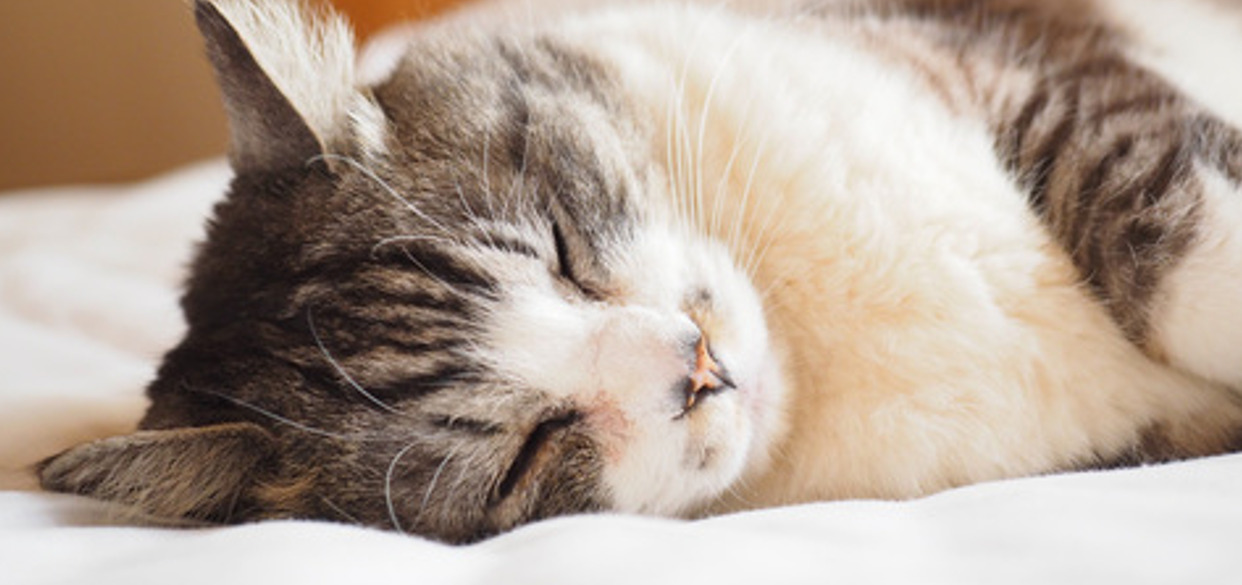
Indeed, pairing Hotel Guests with Rescue Felines Overnight Proves That Trial Cat Adoption Ryokan Stays Foster Responsible Pet Ownership and Compassion.
Already have an account?
FUTURISTS CLUB EXECUTIVE INTELLIGENCE
MEMBER EXCLUSIVE
The Rest of This Strategic Briefing is Reserved for Members
Join an international network of senior innovators, decision-makers, and hospitality leaders. Unlock all defining micro-signals, full field research, and the Monthly Foresight Briefing.
Handgemaakte keramische aromatherapie die ruimtes transformeert tot kalmerende zintuiglijke heiligdommen.
As an Amazon Associate, Science of the Time earns from qualifying purchases. StoreID: scienceofthet-21
30 comments
HOW COOL IS THIS “SEED”? ● ● ● ● ○
DOES IT HAVE FUTURE GROWTH POTENTIAL? ● ● ○ ○ ○
The experience is highly memorable, but affection can also make it tempting to romanticise the decision. Desirability should not depend on portraying adoption as a souvenir of a special stay. A responsible offer would keep practical commitment visible alongside the emotional appeal.
The room could provide a private setting for getting to know an animal, provided supervision and support remain available. Personalisation should reflect suitability rather than a demand for a particular companion. Premium service cannot mean that the guest’s preferences override the care requirements of the cat.
Companionship may be meaningful to a guest, but the stay should not promise a mental-health benefit. People and animals respond differently to an encounter. I would frame it as an opportunity to learn about responsibility, with room for uncertainty and a decision not to proceed.
Booking information should explain responsibilities, support and the adoption process clearly before someone arrives. A simple interface could help guests prepare thoughtful questions. The digital experience should not encourage impulsive selection through attractive photographs while leaving the practical commitments until after payment.
The care tasks described in the article remind us that companionship includes routines rather than only enjoyable moments. Hospitality should explain those routines accurately and keep the animal’s needs central. A successful visit would leave the guest better informed, even if no adoption follows.
The room becomes a temporary shared environment for a guest and an animal. Its design should support care, cleaning and appropriate places to withdraw. I would assess how it functions during an actual encounter rather than judge it only through the appealing image of companionship.
The process should help guests understand whether their living situation and abilities fit the responsibilities involved. It should also make declining adoption a respected outcome. A welcoming service can offer clear alternatives without pressuring someone to turn an enjoyable visit into a permanent commitment.
The source describes a hosted adoption-related encounter, not a therapeutic intervention. Any health claims would need separate evidence. I would keep the focus on practical responsibilities and qualified support, avoiding the suggestion that spending a night with a cat guarantees wellbeing or future compatibility.
The concept would be stronger with a restrained promise: learn more about the responsibilities of sharing life with a cat. That leaves room for a meaningful encounter without guaranteeing destiny. Clear guidance and an unpressured decision could matter more than romantic promotional language.
Communication should explain what the stay can and cannot establish. A short encounter does not prove long-term suitability, and adoption should not be presented as the expected conversion. Clear information about care and subsequent assessment would make the emotional story more credible and responsible.
Treating a decision not to adopt as a legitimate outcome would strengthen the proposition. The stay can help someone understand responsibility without turning their affection into pressure, while the subsequent process examines matters that a single encounter cannot settle.
Calling an animal an amenity risks making a living being part of a purchasable hotel experience. The concept becomes more defensible when its limits are explicit. I would ask whether welfare and informed decisions govern the model, including when those priorities reduce commercial opportunities.
The quality of this experience lies in careful preparation and attentive support rather than decorative luxury. Every practical detail should help the encounter work for both guest and cat. I would judge the coherence of the care arrangements before praising the novelty of the service.
The room needs a clear arrangement for care tasks and for the animal to retreat from attention. Spatial comfort should be considered for both occupants. A thoughtful layout would support supervision and cleaning without making the room feel like a stage for an uninterrupted guest encounter.
The room design and operating procedures need to work together. Staff should understand when support or a change in the encounter is needed, and the space should make that response possible without prioritising the visitor’s expectations over the animal’s care.
The emotional promise is an informed encounter with companionship, not a guaranteed lifelong match. Trust comes from honest guidance and the freedom to reconsider. The service could feel deeply personal when it helps someone make a responsible decision, including a decision that this is not the right time.
The interesting proposition is a stay that helps someone consider a lasting responsibility. Commercial success should not depend on maximising cat encounters or impulsive adoption. A credible model would put suitability and animal welfare alongside the guest experience, with clear support before and after the visit.
Guests may bring different assumptions about keeping animals at home. The experience should invite questions about those expectations rather than promise an instant bond. Thoughtful interpretation can make the stay useful while respecting that deciding not to adopt may be a responsible outcome.
The stay gives the property a distinctive purpose beyond accommodation. Its fit with a particular guest needs careful assessment, however. I would evaluate how the visit connects to a responsible adoption process rather than treat an unusual room amenity as sufficient evidence of growth potential.
The operating model needs clear supervision, cleaning and assistance throughout the stay. Guests must understand their responsibilities, and staff need a way to respond if the encounter becomes unsuitable. A memorable concept only becomes credible hospitality when the people and animals receive dependable support.
The model’s costs include care and supervision, not merely the room and an additional attraction. I would ask how responsible limits affect capacity and revenue. Long-term viability should support appropriate outcomes rather than depend on increasing encounters regardless of their suitability for each animal.
The valuable intention is helping someone examine commitment before assuming responsibility for another living being. That requires safeguards against impulsive decisions and respect for the animal’s welfare. The quality of the adoption process matters more than the novelty of the overnight encounter.
The cultural signal is a shift from acquiring a pet as an imagined lifestyle to encountering some of the work involved. Hospitality becomes a setting for reflection on commitment. The concept is most interesting when the outcome remains open rather than a predetermined adoption story.
A strong cool signal connects an unusual stay with deliberation about a long-term relationship. Growth needs evidence of responsible outcomes and animal welfare, not simply guest enthusiasm. The idea should be evaluated through the complete process, including cases where the encounter does not lead to adoption.
Care becomes tangible through ordinary tasks as well as affection. I like the possibility of learning what companionship asks of a person. The guest should receive patient guidance, while the animal’s needs remain central even when they interrupt the visitor’s preferred experience.
The encounter could be emotionally powerful, especially when a guest hopes to find a companion. That makes space for hesitation important. A gentle experience would allow affection without pressure and acknowledge that one night cannot reveal everything about a future shared life.
Staff need consistent ways to explain care tasks, identify difficulties and offer help. They should also clarify the next steps if someone considers adoption. Training would be meaningful when it supports careful decisions, rather than treating every positive guest reaction as a successful match.
The experience should connect with the knowledge of people responsible for the cats and the adoption process. Their account can explain needs that a short visit may not reveal. I would include those voices rather than let the guest’s emotional story become the only measure of success.
The welfare proposition needs evidence of how animals are selected, supported and monitored through encounters. An appealing adoption story does not establish that the arrangement benefits every cat. I would ask for the care framework and outcomes before presenting the model as a general solution.
An overnight stay offers more time than a brief meeting, but it remains a limited sample of everyday responsibility. The process should help someone identify what they still need to consider. Making the decision easier must not mean compressing a long-term commitment into a convenient booking.












30 comments
HOW COOL IS THIS “SEED”?
● ● ● ● ○
DOES IT HAVE FUTURE GROWTH POTENTIAL?
● ● ○ ○ ○
The experience is highly memorable, but affection can also make it tempting to romanticise the decision. Desirability should not depend on portraying adoption as a souvenir of a special stay. A responsible offer would keep practical commitment visible alongside the emotional appeal.
HOW COOL IS THIS “SEED”?
● ● ● ● ○
DOES IT HAVE FUTURE GROWTH POTENTIAL?
● ● ○ ○ ○
The room could provide a private setting for getting to know an animal, provided supervision and support remain available. Personalisation should reflect suitability rather than a demand for a particular companion. Premium service cannot mean that the guest’s preferences override the care requirements of the cat.
HOW COOL IS THIS “SEED”?
● ● ● ○ ○
DOES IT HAVE FUTURE GROWTH POTENTIAL?
● ● ○ ○ ○
Companionship may be meaningful to a guest, but the stay should not promise a mental-health benefit. People and animals respond differently to an encounter. I would frame it as an opportunity to learn about responsibility, with room for uncertainty and a decision not to proceed.
HOW COOL IS THIS “SEED”?
● ● ● ● ○
DOES IT HAVE FUTURE GROWTH POTENTIAL?
● ● ○ ○ ○
Booking information should explain responsibilities, support and the adoption process clearly before someone arrives. A simple interface could help guests prepare thoughtful questions. The digital experience should not encourage impulsive selection through attractive photographs while leaving the practical commitments until after payment.
HOW COOL IS THIS “SEED”?
● ● ● ○ ○
DOES IT HAVE FUTURE GROWTH POTENTIAL?
● ● ○ ○ ○
The care tasks described in the article remind us that companionship includes routines rather than only enjoyable moments. Hospitality should explain those routines accurately and keep the animal’s needs central. A successful visit would leave the guest better informed, even if no adoption follows.
HOW COOL IS THIS “SEED”?
● ● ● ● ○
DOES IT HAVE FUTURE GROWTH POTENTIAL?
● ● ○ ○ ○
The room becomes a temporary shared environment for a guest and an animal. Its design should support care, cleaning and appropriate places to withdraw. I would assess how it functions during an actual encounter rather than judge it only through the appealing image of companionship.
HOW COOL IS THIS “SEED”?
● ● ● ● ○
DOES IT HAVE FUTURE GROWTH POTENTIAL?
● ● ○ ○ ○
The process should help guests understand whether their living situation and abilities fit the responsibilities involved. It should also make declining adoption a respected outcome. A welcoming service can offer clear alternatives without pressuring someone to turn an enjoyable visit into a permanent commitment.
HOW COOL IS THIS “SEED”?
● ● ● ○ ○
DOES IT HAVE FUTURE GROWTH POTENTIAL?
● ○ ○ ○ ○
The source describes a hosted adoption-related encounter, not a therapeutic intervention. Any health claims would need separate evidence. I would keep the focus on practical responsibilities and qualified support, avoiding the suggestion that spending a night with a cat guarantees wellbeing or future compatibility.
HOW COOL IS THIS “SEED”?
● ● ● ● ●
DOES IT HAVE FUTURE GROWTH POTENTIAL?
● ● ● ○ ○
The concept would be stronger with a restrained promise: learn more about the responsibilities of sharing life with a cat. That leaves room for a meaningful encounter without guaranteeing destiny. Clear guidance and an unpressured decision could matter more than romantic promotional language.
HOW COOL IS THIS “SEED”?
● ● ● ● ○
DOES IT HAVE FUTURE GROWTH POTENTIAL?
● ● ○ ○ ○
Communication should explain what the stay can and cannot establish. A short encounter does not prove long-term suitability, and adoption should not be presented as the expected conversion. Clear information about care and subsequent assessment would make the emotional story more credible and responsible.
Treating a decision not to adopt as a legitimate outcome would strengthen the proposition. The stay can help someone understand responsibility without turning their affection into pressure, while the subsequent process examines matters that a single encounter cannot settle.
HOW COOL IS THIS “SEED”?
● ● ● ○ ○
DOES IT HAVE FUTURE GROWTH POTENTIAL?
● ● ○ ○ ○
Calling an animal an amenity risks making a living being part of a purchasable hotel experience. The concept becomes more defensible when its limits are explicit. I would ask whether welfare and informed decisions govern the model, including when those priorities reduce commercial opportunities.
HOW COOL IS THIS “SEED”?
● ● ● ● ○
DOES IT HAVE FUTURE GROWTH POTENTIAL?
● ● ○ ○ ○
The quality of this experience lies in careful preparation and attentive support rather than decorative luxury. Every practical detail should help the encounter work for both guest and cat. I would judge the coherence of the care arrangements before praising the novelty of the service.
HOW COOL IS THIS “SEED”?
● ● ● ● ○
DOES IT HAVE FUTURE GROWTH POTENTIAL?
● ● ○ ○ ○
The room needs a clear arrangement for care tasks and for the animal to retreat from attention. Spatial comfort should be considered for both occupants. A thoughtful layout would support supervision and cleaning without making the room feel like a stage for an uninterrupted guest encounter.
The room design and operating procedures need to work together. Staff should understand when support or a change in the encounter is needed, and the space should make that response possible without prioritising the visitor’s expectations over the animal’s care.
HOW COOL IS THIS “SEED”?
● ● ● ● ●
DOES IT HAVE FUTURE GROWTH POTENTIAL?
● ● ● ○ ○
The emotional promise is an informed encounter with companionship, not a guaranteed lifelong match. Trust comes from honest guidance and the freedom to reconsider. The service could feel deeply personal when it helps someone make a responsible decision, including a decision that this is not the right time.
HOW COOL IS THIS “SEED”?
● ● ● ● ○
DOES IT HAVE FUTURE GROWTH POTENTIAL?
● ● ● ○ ○
The interesting proposition is a stay that helps someone consider a lasting responsibility. Commercial success should not depend on maximising cat encounters or impulsive adoption. A credible model would put suitability and animal welfare alongside the guest experience, with clear support before and after the visit.
HOW COOL IS THIS “SEED”?
● ● ● ● ○
DOES IT HAVE FUTURE GROWTH POTENTIAL?
● ● ● ○ ○
Guests may bring different assumptions about keeping animals at home. The experience should invite questions about those expectations rather than promise an instant bond. Thoughtful interpretation can make the stay useful while respecting that deciding not to adopt may be a responsible outcome.
HOW COOL IS THIS “SEED”?
● ● ● ● ○
DOES IT HAVE FUTURE GROWTH POTENTIAL?
● ● ● ○ ○
The stay gives the property a distinctive purpose beyond accommodation. Its fit with a particular guest needs careful assessment, however. I would evaluate how the visit connects to a responsible adoption process rather than treat an unusual room amenity as sufficient evidence of growth potential.
HOW COOL IS THIS “SEED”?
● ● ● ● ○
DOES IT HAVE FUTURE GROWTH POTENTIAL?
● ● ○ ○ ○
The operating model needs clear supervision, cleaning and assistance throughout the stay. Guests must understand their responsibilities, and staff need a way to respond if the encounter becomes unsuitable. A memorable concept only becomes credible hospitality when the people and animals receive dependable support.
HOW COOL IS THIS “SEED”?
● ● ● ● ○
DOES IT HAVE FUTURE GROWTH POTENTIAL?
● ● ○ ○ ○
The model’s costs include care and supervision, not merely the room and an additional attraction. I would ask how responsible limits affect capacity and revenue. Long-term viability should support appropriate outcomes rather than depend on increasing encounters regardless of their suitability for each animal.
HOW COOL IS THIS “SEED”?
● ● ● ● ●
DOES IT HAVE FUTURE GROWTH POTENTIAL?
● ● ● ○ ○
The valuable intention is helping someone examine commitment before assuming responsibility for another living being. That requires safeguards against impulsive decisions and respect for the animal’s welfare. The quality of the adoption process matters more than the novelty of the overnight encounter.
HOW COOL IS THIS “SEED”?
● ● ● ● ●
DOES IT HAVE FUTURE GROWTH POTENTIAL?
● ● ● ○ ○
The cultural signal is a shift from acquiring a pet as an imagined lifestyle to encountering some of the work involved. Hospitality becomes a setting for reflection on commitment. The concept is most interesting when the outcome remains open rather than a predetermined adoption story.
HOW COOL IS THIS “SEED”?
● ● ● ● ●
DOES IT HAVE FUTURE GROWTH POTENTIAL?
● ● ● ○ ○
A strong cool signal connects an unusual stay with deliberation about a long-term relationship. Growth needs evidence of responsible outcomes and animal welfare, not simply guest enthusiasm. The idea should be evaluated through the complete process, including cases where the encounter does not lead to adoption.
HOW COOL IS THIS “SEED”?
● ● ● ● ●
DOES IT HAVE FUTURE GROWTH POTENTIAL?
● ● ● ○ ○
Care becomes tangible through ordinary tasks as well as affection. I like the possibility of learning what companionship asks of a person. The guest should receive patient guidance, while the animal’s needs remain central even when they interrupt the visitor’s preferred experience.
HOW COOL IS THIS “SEED”?
● ● ● ● ●
DOES IT HAVE FUTURE GROWTH POTENTIAL?
● ● ● ○ ○
The encounter could be emotionally powerful, especially when a guest hopes to find a companion. That makes space for hesitation important. A gentle experience would allow affection without pressure and acknowledge that one night cannot reveal everything about a future shared life.
HOW COOL IS THIS “SEED”?
● ● ● ● ○
DOES IT HAVE FUTURE GROWTH POTENTIAL?
● ● ○ ○ ○
Staff need consistent ways to explain care tasks, identify difficulties and offer help. They should also clarify the next steps if someone considers adoption. Training would be meaningful when it supports careful decisions, rather than treating every positive guest reaction as a successful match.
HOW COOL IS THIS “SEED”?
● ● ● ● ○
DOES IT HAVE FUTURE GROWTH POTENTIAL?
● ● ● ○ ○
The experience should connect with the knowledge of people responsible for the cats and the adoption process. Their account can explain needs that a short visit may not reveal. I would include those voices rather than let the guest’s emotional story become the only measure of success.
HOW COOL IS THIS “SEED”?
● ● ● ● ○
DOES IT HAVE FUTURE GROWTH POTENTIAL?
● ● ○ ○ ○
The welfare proposition needs evidence of how animals are selected, supported and monitored through encounters. An appealing adoption story does not establish that the arrangement benefits every cat. I would ask for the care framework and outcomes before presenting the model as a general solution.
HOW COOL IS THIS “SEED”?
● ● ● ● ○
DOES IT HAVE FUTURE GROWTH POTENTIAL?
● ● ○ ○ ○
An overnight stay offers more time than a brief meeting, but it remains a limited sample of everyday responsibility. The process should help someone identify what they still need to consider. Making the decision easier must not mean compressing a long-term commitment into a convenient booking.
Rate & Discuss this Signal
Calibrate the Future Signals Index with your rating below, and share your perspective in the community dialogue.
Evaluate this Creative Signal
Help calibrate the Future Signals Index. Rate this Seed on both key criteria below (scale: 2 to 10).