





Indeed, placing Automated Hydroponic Farms Inside City Supermarkets Proves That Hyperlocal Vertical Agriculture Delivers Zero-Kilometer Fresh Greens and Minimizes Waste.
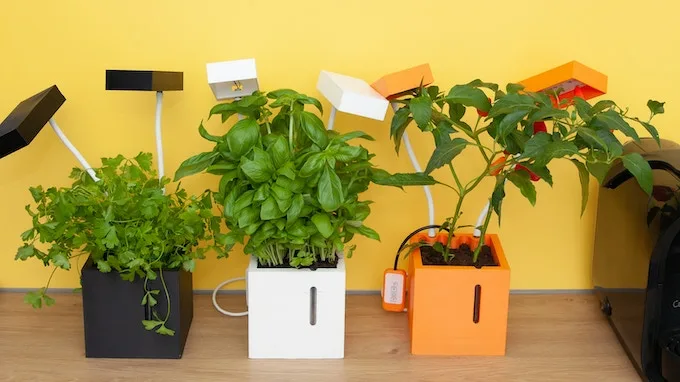
Revolutionizing how metropolitan residents access living greens, indoor vertical urban farming brings nutrient-rich crops directly into everyday grocery stores. Specifically, pioneering agricultural company Infarm developed modular, climate-controlled vertical growing pods placed right next to produce aisles. Consequently, shoppers harvest fragrant basil, crisp lettuce, and fresh cilantro rooted in soil-free water minutes before purchase.
What Is Indoor Vertical Urban Farming?
To begin with, conventional agriculture transports delicate greens across thousands of miles in refrigerated trucks, causing massive carbon emissions and leaf spoilage. In contrast, Infarm constructs cloud-connected vertical glass cases using precision hydroponics and customized LED lighting spectrums. In addition, Each pod optimizes water nutrients and humidity automatically through artificial intelligence.
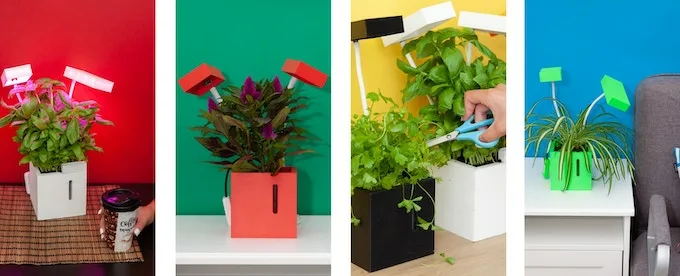
Furthermore, this hyper-local approach slashes water consumption by ninety-five percent compared to soil farming and completely eliminates chemical pesticides. Meanwhile, plants remain living until buyers snip them at home, preserving fragile vitamins and maximum aromatic potency. Therefore, urban food systems become radically resilient and environmentally regenerative.
Why Is This In-Store Farm Cool?
- True Zero Food Miles: Greens grow inside the exact supermarket where consumers purchase them. Similar to meticulous Japanese iron craftsmanship, local dedication ensures extraordinary freshness.
- Ninety-Five Percent Water Savings: Recirculating closed-loop hydroponic systems waste virtually no water compared to field irrigation.
- Zero Chemical Pesticides: In fact, sealed biosecure growing units prevent insect infestations naturally without toxic sprays.
- Living Harvest Longevity: Rooted plants stay fresh on kitchen counters for weeks, drastically reducing domestic food waste.
Why Does Supermarket Hydroponics Have Growth Potential?
Moreover, Urban populations rapidly expand while droughts, extreme heat waves, and geopolitics threaten traditional rural agricultural supply chains. Because vertical indoor modules fit effortlessly inside retail markets, restaurants, and residential complexes, cities can guarantee food security year-round. Therefore, decentralized indoor farming represents an unstoppable global agricultural revolution.
The Take Away
In conclusion, supermarket vertical farming demonstrates that cities can nourish themselves with clean, living produce. As a result, by embedding agriculture into our neighborhood shops, we build a greener future. Ultimately, Freshness is no longer measured in travel days, but in steps.
Reference Link: Infarm Official Urban Farming Network
31 comments
HOW COOL IS THIS “SEED”?
● ● ● ● ○
DOES IT HAVE FUTURE GROWTH POTENTIAL?
● ● ● ○ ○
Promotion should demonstrate specific plant uses and keep performance claims bounded. Avoid promises of universal success or no remaining care. A precise account would build more durable trust than presenting the gadget as an effortless route to sustainability and healthy ingredients for everyone.
HOW COOL IS THIS “SEED”?
● ● ● ● ○
DOES IT HAVE FUTURE GROWTH POTENTIAL?
● ● ○ ○ ○
The self-sufficiency story risks turning a systemic food question into another personal gadget purchase. The object can be useful without that scale of promise. I would value practical learning while keeping questions about resources, access and wider production systems visible.
A modest, measured claim would strengthen the proposition. The planter could support learning while its material and energy demands remain part of the assessment rather than disappear behind a larger self-sufficiency narrative.
HOW COOL IS THIS “SEED”?
● ● ● ● ○
DOES IT HAVE FUTURE GROWTH POTENTIAL?
● ● ● ○ ○
Craft appears in the quality of materials and the care of practical components. Their durability deserves assessment beyond the initial design image. A well-made planter would remain understandable and useful through repeated growing cycles rather than rely mainly on the promise that it can be reused indefinitely.
HOW COOL IS THIS “SEED”?
● ● ● ● ○
DOES IT HAVE FUTURE GROWTH POTENTIAL?
● ● ● ○ ○
Placement should account for light, power, refilling and ordinary movement around the object. A compact planter still has spatial requirements. The design succeeds when people can use and maintain it comfortably rather than assume that every available shelf is equally suitable.
HOW COOL IS THIS “SEED”?
● ● ● ● ○
DOES IT HAVE FUTURE GROWTH POTENTIAL?
● ● ● ○ ○
The emotional value can come from a manageable project supported by clear information. The result remains personal and variable. Honest expectations and practical help would create trust without promising that the object makes everyone independent, sustainable or consistently successful at growing food.
“Indoor urban farming” is a good idea for the modern life, especially in a big city, where people is so busy and easy get stress.
HOW COOL IS THIS “SEED”?
● ● ● ● ○
DOES IT HAVE FUTURE GROWTH POTENTIAL?
● ● ● ○ ○
The planter could make a small growing project easier to begin. Its commercial value needs actual performance and realistic expectations. I would assess repeat use and upkeep rather than assume the gadget can provide meaningful food self-sufficiency for every customer or household.
HOW COOL IS THIS “SEED”?
● ● ● ● ○
DOES IT HAVE FUTURE GROWTH POTENTIAL?
● ● ● ○ ○
Users need clear information about suitable plants and ordinary care requirements. International communication should avoid implying identical results in every home. A welcoming product explanation helps beginners choose a practical project rather than promises that the system removes all judgment from growing.
HOW COOL IS THIS “SEED”?
● ● ● ● ○
DOES IT HAVE FUTURE GROWTH POTENTIAL?
● ● ● ○ ○
A hospitality workshop could use the planter to introduce a small growing activity. Its value would be learning rather than a complete food-supply proposition. Growth should start with a demonstrated use case instead of treating one compact object as a universal response to wider agricultural challenges.
HOW COOL IS THIS “SEED”?
● ● ● ○ ○
DOES IT HAVE FUTURE GROWTH POTENTIAL?
● ● ○ ○ ○
A property using the planter needs responsibility for cleaning, refilling and checking plant condition. Automation does not remove routine care. The operating model should establish what staff actually do rather than assume the device can remain productive indefinitely with no attention.
HOW COOL IS THIS “SEED”?
● ● ● ● ○
DOES IT HAVE FUTURE GROWTH POTENTIAL?
● ● ○ ○ ○
The business case includes consumables, electricity and realistic product life. I would assess actual yields and user retention before accepting affordability claims. A compact design can be interesting without proving that its output economically replaces ordinary food purchases or supports broad deployment.
HOW COOL IS THIS “SEED”?
● ● ● ● ○
DOES IT HAVE FUTURE GROWTH POTENTIAL?
● ● ● ○ ○
The purpose should distinguish a useful household activity from claims about solving a food-system problem. Clear evidence and realistic limits matter. A credible proposition gives users agency and information without suggesting that buying a planter makes them independently responsible for a wider environmental solution.
HOW COOL IS THIS “SEED”?
● ● ● ● ○
DOES IT HAVE FUTURE GROWTH POTENTIAL?
● ● ● ○ ○
Growing a small plant can invite attention to time and care. The learning opportunity does not require a promise of effortless production. A thoughtful introduction would help people notice the process while respecting different responses, including those who find routine maintenance more demanding than expected.
HOW COOL IS THIS “SEED”?
● ● ● ● ○
DOES IT HAVE FUTURE GROWTH POTENTIAL?
● ● ● ○ ○
The signal is familiar plant care being supported by a compact designed system. Growth depends on demonstrated performance for specific uses. The article’s claims about any plant, complete darkness and effortless results are too broad to establish the device’s actual capabilities.
HOW COOL IS THIS “SEED”?
● ● ● ● ○
DOES IT HAVE FUTURE GROWTH POTENTIAL?
● ● ● ○ ○
A host or seller should make beginner questions comfortable and keep expectations realistic. A plant that does not thrive should not become evidence that the user failed. The service value lies in practical support rather than a promise that the gadget guarantees success regardless of care or conditions.
HOW COOL IS THIS “SEED”?
● ● ● ● ○
DOES IT HAVE FUTURE GROWTH POTENTIAL?
● ● ○ ○ ○
A small growing object could add a quiet routine, but it may also create another responsibility. I would keep participation optional. The design should not assume that every busy person finds plant care calming or that less frequent watering removes all concern about maintaining it.
HOW COOL IS THIS “SEED”?
● ● ● ○ ○
DOES IT HAVE FUTURE GROWTH POTENTIAL?
● ● ○ ○ ○
Staff need accurate instructions and a clear route to product-specific support. They should not improvise plant or food advice from a promotional description. A practical briefing would help teams explain care responsibilities while avoiding guarantees that the device eliminates every growing decision.
HOW COOL IS THIS “SEED”?
● ● ● ● ○
DOES IT HAVE FUTURE GROWTH POTENTIAL?
● ● ● ○ ○
A growing activity could connect users to local plant knowledge through credited contributors. The device should remain one tool within that learning. Its story becomes richer when it acknowledges established care practices rather than presents technology as the sole source of a renewed relationship with food.
HOW COOL IS THIS “SEED”?
● ● ● ● ○
DOES IT HAVE FUTURE GROWTH POTENTIAL?
● ● ○ ○ ○
I would assess materials, energy, consumables and actual output before accepting sustainability claims. Recyclability does not establish what happens after use. The account should explain practical tradeoffs rather than infer a lower footprint simply because a plant is grown close to the user.
HOW COOL IS THIS “SEED”?
● ● ● ● ○
DOES IT HAVE FUTURE GROWTH POTENTIAL?
● ● ● ○ ○
Instructions should make setup, refilling and expected attention clear. Convenience depends on the actual plant and use conditions. A simple interface is stronger when it helps people understand remaining responsibilities rather than suggests there is nothing left to consider after switching on the device.
The controls and instructions should show which tasks remain with the user. That would make the design more useful than an appearance of complete automation that leaves practical care unclear.
HOW COOL IS THIS “SEED”?
● ● ● ● ○
DOES IT HAVE FUTURE GROWTH POTENTIAL?
● ● ● ○ ○
The object can be desirable through useful design and a small personal project. Its appeal should not depend on a lifestyle image of effortless self-sufficiency. A well-made planter would reward ordinary use even when its output is modest and the user is learning through imperfect results.
HOW COOL IS THIS “SEED”?
● ● ● ○ ○
DOES IT HAVE FUTURE GROWTH POTENTIAL?
● ● ○ ○ ○
A private room application should let guests choose whether they want the object present and active. Lighting and maintenance can affect ordinary comfort. The planter should not become an unavoidable amenity merely because the property assumes growing something is universally appealing.
HOW COOL IS THIS “SEED”?
● ● ● ○ ○
DOES IT HAVE FUTURE GROWTH POTENTIAL?
● ○ ○ ○ ○
Home growing does not establish a personal health benefit or guarantee that every ingredient is suitable. I would keep the product claim focused on its functions. Users can enjoy a small gardening project without being promised a healthier life through the device’s ownership.
HOW COOL IS THIS “SEED”?
● ● ● ● ○
DOES IT HAVE FUTURE GROWTH POTENTIAL?
● ● ● ○ ○
The controls should make watering and lighting behaviour understandable rather than imply the system knows every plant’s needs. Status information needs a clear basis. A useful interface supports the user’s judgment without presenting automation as a universal guarantee of appropriate conditions.
HOW COOL IS THIS “SEED”?
● ● ● ● ○
DOES IT HAVE FUTURE GROWTH POTENTIAL?
● ● ● ○ ○
A culinary use should assess the actual ingredient and how it is grown and handled. The planter does not eliminate ordinary food-care requirements. A small herb project could be worthwhile when the product’s capabilities and the user’s responsibilities are explained accurately.
HOW COOL IS THIS “SEED”?
● ● ● ● ●
DOES IT HAVE FUTURE GROWTH POTENTIAL?
● ● ● ○ ○
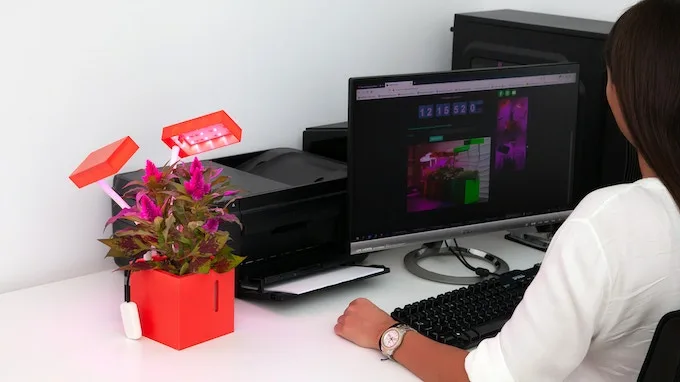
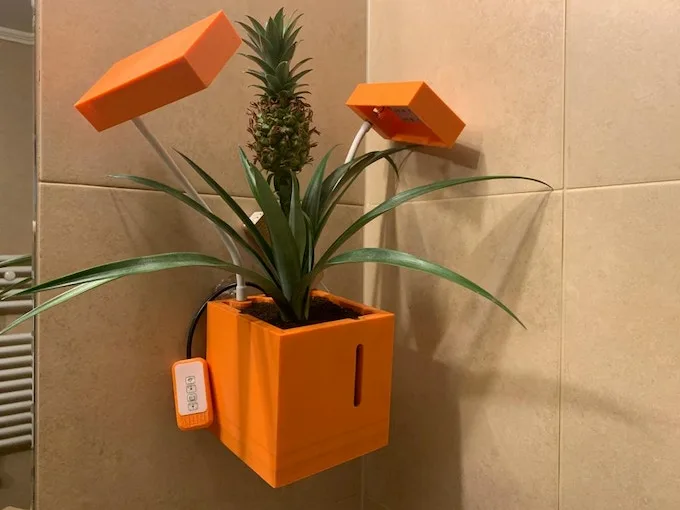
The object combines containment, water storage and adjustable light into one system. Its quality depends on those functions working together in use. I would assess maintenance and durability rather than treat a compact form as proof that every plant or placement will perform well.
HOW COOL IS THIS “SEED”?
● ● ● ● ○
DOES IT HAVE FUTURE GROWTH POTENTIAL?
● ● ○ ○ ○
The product needs clear access and care information for different users. A low-cost claim does not establish practical affordability or suitability. A considerate offer would help people choose a manageable activity without assuming everyone has the same space, resources or interest in growing food.
HOW COOL IS THIS “SEED”?
● ● ● ○ ○
DOES IT HAVE FUTURE GROWTH POTENTIAL?
● ○ ○ ○ ○
The article’s suggestion that washing is unnecessary should not be treated as reliable food-handling guidance. Product claims need an appropriate basis. The growing device can be assessed on its design merits without implying that proximity or a controlled-looking system removes ordinary responsibilities around ingredients.
HOW COOL IS THIS “SEED”?
● ● ● ● ○
DOES IT HAVE FUTURE GROWTH POTENTIAL?
● ● ● ○ ○
A restrained planter could fit comfortably into a room if its light and presence remain controllable. I would avoid making a small growing project visually dominant. Quiet design should support ordinary living rather than demand constant attention to an object marketed as low maintenance.
Rate & Discuss this Signal
Calibrate the Future Signals Index with your rating below, and share your perspective in the community dialogue.
Evaluate this Creative Signal
Help calibrate the Future Signals Index. Rate this Seed on both key criteria below (scale: 2 to 10).