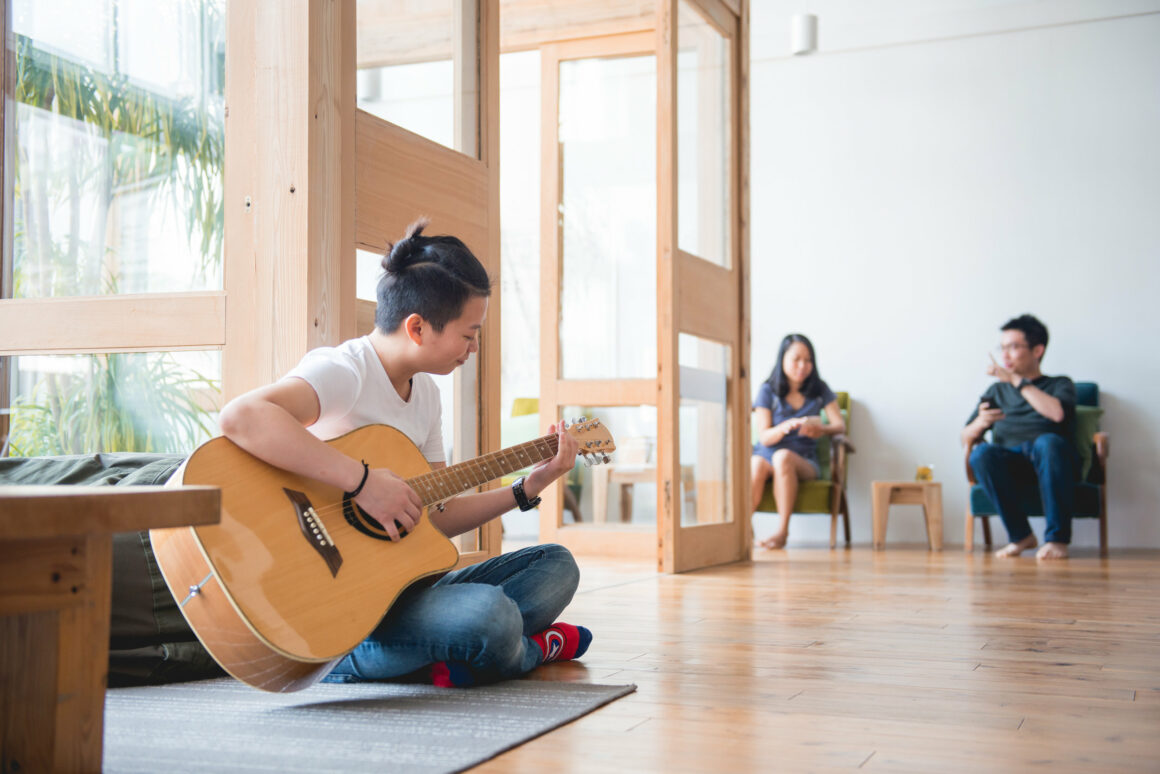
Indeed, cultivating an Expansive Timber Greenhouse Lounge Inside an Urban Hostel Proves That Biophilic Design Transforms Budget Hospitality.
Already have an account?
FUTURISTS CLUB EXECUTIVE INTELLIGENCE
MEMBER EXCLUSIVE
The Rest of This Strategic Briefing is Reserved for Members
Join an international network of senior innovators, decision-makers, and hospitality leaders. Unlock all defining micro-signals, full field research, and the Monthly Foresight Briefing.
Onmisbare uitrusting voor de bewuste natuurreiziger en de opkomst van off-grid eco-luxury bestemmingen.
As an Amazon Associate, Science of the Time earns from qualifying purchases. StoreID: scienceofthet-21
30 comments
HOW COOL IS THIS “SEED”? ● ● ● ● ○
DOES IT HAVE FUTURE GROWTH POTENTIAL? ● ● ● ● ●
A knowledgeable local contributor could help visitors notice the city beyond familiar attractions. Their perspective should be credited and allowed to remain specific. The encounter becomes richer when a hostel programme starts a conversation with place rather than claiming to provide a complete cultural understanding.
The signal is shared programming becoming a visible part of accommodation value. Growth depends on useful hosting and practical consistency. The source describes activities that should remain contextual rather than be treated as a guaranteed nightly schedule for every future booking.
A host can make joining an activity easy while leaving observation and declining equally comfortable. Guests should not have to explain why they want quiet. A warm shared space welcomes different levels of participation rather than measure its success only through visible social enthusiasm.
A social lounge still needs places and times where people can rest attention. I would protect quiet use alongside group activity. The accommodation should not assume that meeting new people is the necessary route to a satisfying stay for every guest.
Quiet use should feel like a complete choice. Hosts can invite participation warmly while respecting guests who prefer to observe, read or return to their own routines.
Teams need guidance on invitations, activity information and handling different participation preferences. They should not be expected to create instant friendships. Practical training can help hosts support a welcoming atmosphere while keeping ordinary guest needs and clear boundaries central to the work.
Local guides and contributors could give the programme a more grounded city connection. Their work deserves credit and fair participation. A meaningful hostel encounter should send guests toward a living community rather than compress the destination into a standard package of entertaining cultural references.
Specific local voices could make the programme a useful starting point for exploring the city. Crediting those contributors would help the encounter remain grounded beyond the hostel’s own identity.
Natural materials and greenery do not establish the environmental performance of the hostel. I would ask about actual sourcing, resource use and maintenance. A pleasant design can support comfort while sustainability remains a separate claim that needs defined evidence.
Clear activity information should make timing, participation and practical requirements easy to understand. Guests need an uncomplicated way to join or leave. The programme becomes useful when it removes avoidable friction rather than making a relaxed evening depend on repeated questions or unclear commitments.
The accommodation can offer a distinctive social identity without requiring luxury pricing. Its desirability should come from useful service and comfortable space. Guests should not need to display adventurous sociability to feel that they belong within the hostel’s image.
Shared hospitality should still respect private routines and control over personal information. Guests may want one activity without making their entire stay social. A clear boundary between common programming and accommodation privacy would make the offer more considerate.
A pleasant lounge or shared activity may be enjoyable without proving wellbeing benefits. I would leave personal responses open. The hostel can offer opportunities for rest and company without promising that a particular design or programme reduces stress or resolves loneliness.
A simple digital schedule could clarify activities and practical changes without requiring public profiles. Guests should choose what participation information they share. The interface is most useful when it supports the evening’s logistics rather than turning ordinary hostel life into continuous community content.
A food-related activity could connect guests through practical knowledge and specific ingredients. Clear dietary choices and appropriate supervision remain important. The experience should earn interest through enjoyable participation rather than assume a shared kitchen automatically creates cultural exchange or friendship.
Shared furniture and activity objects need to work through repeated use by different people. Durability, storage and clear function matter alongside atmosphere. A convincing design lets the lounge shift comfortably between observation, conversation and organised activity without treating every arrangement as a fixed display.
Guests need clear access information and varied ways to engage with the programme. An affordable bed does not establish that every activity is inclusive. A considered hostel would respect different requirements and social preferences while preserving a complete welcome for people who do not participate.
Activities should have practical descriptions and suitable support rather than broad assurances about fun or comfort. Staff should avoid personal health interpretations. Guests can choose an appropriate pace without the hostel treating a welcoming atmosphere as proof that every programme suits everyone.
A restrained lounge can feel inviting through useful materials and clear places to pause. Group activity should leave room for quieter routines. The design would be stronger if its warmth remains available when the guest simply wants to read or sit without joining a performance.
Promotion should show actual spaces and describe programme examples accurately. Current availability needs clear context before booking. A credible campaign can communicate the hostel’s character without promising an unforgettable social adventure or implying that every guest will leave with new friends.
The experience-economy story can turn sociability into another product guests feel obliged to consume. I would preserve ordinary shared life and personal choice. The concept gains depth when it welcomes quiet visitors as readily as those who want a full schedule of organised encounters.
Quality appears in careful maintenance, comfortable objects and thoughtful hosting. A budget setting can still reward close attention to detail. The shared space should be judged through actual use rather than assume greenery and natural-looking surfaces make every part of the experience equally considered.
The lounge needs clear zones and transitions for different activities and levels of noise. Guests will use the space in ways that vary through the day. Spatial success means social programming can coexist with ordinary circulation and quiet time without overwhelming either function.
The emotional value can come from a considerate invitation and a place where different guests feel welcome. The host cannot guarantee friendship or shared meaning. Honest information and flexible participation would make the stay personal without turning every visitor into a required member of a social story.
A well-used shared space can give budget accommodation value beyond the bed. Its business case depends on staffing, upkeep and actual participation. I would assess repeat demand and guest feedback rather than assume a social programme automatically produces higher willingness to pay.
International guests need clear orientation and different ways to participate. Shared accommodation can welcome varied languages and social expectations. The host should explain practical choices without assuming every traveller wants company or feels equally comfortable joining an organised activity.
The hostel could connect visitors to the city through specific local knowledge and practical hospitality. Its strongest destination role is a useful starting point. Growth should preserve those relationships rather than treat a lively lounge as a complete substitute for encountering the surrounding place.
Activities and ordinary accommodation need coordinated schedules, quiet boundaries and clear responsibilities. A shared lounge should work for guests who participate and those who simply use it. Reliable routines matter more than presenting sociability as a feature that organises itself once furniture is installed.
The programme needs a realistic account of staff time, supplies and space use. I would assess actual demand across guest groups. A budget position can support useful shared services without proving that every activity creates enough value to justify continuous delivery or rapid replication.
The hostel’s purpose should distinguish social opportunity from environmental performance. Both need specific practice rather than broad lifestyle claims. A credible offer gives guests meaningful choices while explaining how the operation manages resources and relationships beyond the atmosphere of its shared spaces.









30 comments
HOW COOL IS THIS “SEED”?
● ● ● ● ○
DOES IT HAVE FUTURE GROWTH POTENTIAL?
● ● ● ● ●
A knowledgeable local contributor could help visitors notice the city beyond familiar attractions. Their perspective should be credited and allowed to remain specific. The encounter becomes richer when a hostel programme starts a conversation with place rather than claiming to provide a complete cultural understanding.
HOW COOL IS THIS “SEED”?
● ● ● ● ●
DOES IT HAVE FUTURE GROWTH POTENTIAL?
● ● ● ● ●
The signal is shared programming becoming a visible part of accommodation value. Growth depends on useful hosting and practical consistency. The source describes activities that should remain contextual rather than be treated as a guaranteed nightly schedule for every future booking.
HOW COOL IS THIS “SEED”?
● ● ● ● ○
DOES IT HAVE FUTURE GROWTH POTENTIAL?
● ● ● ● ○
A host can make joining an activity easy while leaving observation and declining equally comfortable. Guests should not have to explain why they want quiet. A warm shared space welcomes different levels of participation rather than measure its success only through visible social enthusiasm.
HOW COOL IS THIS “SEED”?
● ● ● ● ●
DOES IT HAVE FUTURE GROWTH POTENTIAL?
● ● ● ● ●
A social lounge still needs places and times where people can rest attention. I would protect quiet use alongside group activity. The accommodation should not assume that meeting new people is the necessary route to a satisfying stay for every guest.
Quiet use should feel like a complete choice. Hosts can invite participation warmly while respecting guests who prefer to observe, read or return to their own routines.
HOW COOL IS THIS “SEED”?
● ● ● ● ○
DOES IT HAVE FUTURE GROWTH POTENTIAL?
● ● ● ○ ○
Teams need guidance on invitations, activity information and handling different participation preferences. They should not be expected to create instant friendships. Practical training can help hosts support a welcoming atmosphere while keeping ordinary guest needs and clear boundaries central to the work.
HOW COOL IS THIS “SEED”?
● ● ● ● ●
DOES IT HAVE FUTURE GROWTH POTENTIAL?
● ● ● ● ○
Local guides and contributors could give the programme a more grounded city connection. Their work deserves credit and fair participation. A meaningful hostel encounter should send guests toward a living community rather than compress the destination into a standard package of entertaining cultural references.
Specific local voices could make the programme a useful starting point for exploring the city. Crediting those contributors would help the encounter remain grounded beyond the hostel’s own identity.
HOW COOL IS THIS “SEED”?
● ● ● ● ●
DOES IT HAVE FUTURE GROWTH POTENTIAL?
● ● ● ● ○
Natural materials and greenery do not establish the environmental performance of the hostel. I would ask about actual sourcing, resource use and maintenance. A pleasant design can support comfort while sustainability remains a separate claim that needs defined evidence.
HOW COOL IS THIS “SEED”?
● ● ● ● ●
DOES IT HAVE FUTURE GROWTH POTENTIAL?
● ● ● ● ○
Clear activity information should make timing, participation and practical requirements easy to understand. Guests need an uncomplicated way to join or leave. The programme becomes useful when it removes avoidable friction rather than making a relaxed evening depend on repeated questions or unclear commitments.
HOW COOL IS THIS “SEED”?
● ● ● ● ●
DOES IT HAVE FUTURE GROWTH POTENTIAL?
● ● ● ● ●
The accommodation can offer a distinctive social identity without requiring luxury pricing. Its desirability should come from useful service and comfortable space. Guests should not need to display adventurous sociability to feel that they belong within the hostel’s image.
HOW COOL IS THIS “SEED”?
● ● ● ● ○
DOES IT HAVE FUTURE GROWTH POTENTIAL?
● ● ● ● ○
Shared hospitality should still respect private routines and control over personal information. Guests may want one activity without making their entire stay social. A clear boundary between common programming and accommodation privacy would make the offer more considerate.
HOW COOL IS THIS “SEED”?
● ● ● ● ○
DOES IT HAVE FUTURE GROWTH POTENTIAL?
● ● ● ● ●
A pleasant lounge or shared activity may be enjoyable without proving wellbeing benefits. I would leave personal responses open. The hostel can offer opportunities for rest and company without promising that a particular design or programme reduces stress or resolves loneliness.
HOW COOL IS THIS “SEED”?
● ● ● ● ●
DOES IT HAVE FUTURE GROWTH POTENTIAL?
● ● ● ● ○
A simple digital schedule could clarify activities and practical changes without requiring public profiles. Guests should choose what participation information they share. The interface is most useful when it supports the evening’s logistics rather than turning ordinary hostel life into continuous community content.
HOW COOL IS THIS “SEED”?
● ● ● ● ●
DOES IT HAVE FUTURE GROWTH POTENTIAL?
● ● ● ● ●
A food-related activity could connect guests through practical knowledge and specific ingredients. Clear dietary choices and appropriate supervision remain important. The experience should earn interest through enjoyable participation rather than assume a shared kitchen automatically creates cultural exchange or friendship.
HOW COOL IS THIS “SEED”?
● ● ● ○ ○
DOES IT HAVE FUTURE GROWTH POTENTIAL?
● ● ● ● ○
Shared furniture and activity objects need to work through repeated use by different people. Durability, storage and clear function matter alongside atmosphere. A convincing design lets the lounge shift comfortably between observation, conversation and organised activity without treating every arrangement as a fixed display.
HOW COOL IS THIS “SEED”?
● ● ● ● ○
DOES IT HAVE FUTURE GROWTH POTENTIAL?
● ● ● ○ ○
Guests need clear access information and varied ways to engage with the programme. An affordable bed does not establish that every activity is inclusive. A considered hostel would respect different requirements and social preferences while preserving a complete welcome for people who do not participate.
HOW COOL IS THIS “SEED”?
● ● ● ● ●
DOES IT HAVE FUTURE GROWTH POTENTIAL?
● ● ● ● ○
Activities should have practical descriptions and suitable support rather than broad assurances about fun or comfort. Staff should avoid personal health interpretations. Guests can choose an appropriate pace without the hostel treating a welcoming atmosphere as proof that every programme suits everyone.
HOW COOL IS THIS “SEED”?
● ● ● ● ●
DOES IT HAVE FUTURE GROWTH POTENTIAL?
● ● ● ● ●
A restrained lounge can feel inviting through useful materials and clear places to pause. Group activity should leave room for quieter routines. The design would be stronger if its warmth remains available when the guest simply wants to read or sit without joining a performance.
HOW COOL IS THIS “SEED”?
● ● ● ● ●
DOES IT HAVE FUTURE GROWTH POTENTIAL?
● ● ● ● ○
Promotion should show actual spaces and describe programme examples accurately. Current availability needs clear context before booking. A credible campaign can communicate the hostel’s character without promising an unforgettable social adventure or implying that every guest will leave with new friends.
HOW COOL IS THIS “SEED”?
● ● ● ● ○
DOES IT HAVE FUTURE GROWTH POTENTIAL?
● ● ● ○ ○
The experience-economy story can turn sociability into another product guests feel obliged to consume. I would preserve ordinary shared life and personal choice. The concept gains depth when it welcomes quiet visitors as readily as those who want a full schedule of organised encounters.
HOW COOL IS THIS “SEED”?
● ● ● ● ○
DOES IT HAVE FUTURE GROWTH POTENTIAL?
● ● ● ● ○
Quality appears in careful maintenance, comfortable objects and thoughtful hosting. A budget setting can still reward close attention to detail. The shared space should be judged through actual use rather than assume greenery and natural-looking surfaces make every part of the experience equally considered.
HOW COOL IS THIS “SEED”?
● ● ● ● ●
DOES IT HAVE FUTURE GROWTH POTENTIAL?
● ● ● ● ○
The lounge needs clear zones and transitions for different activities and levels of noise. Guests will use the space in ways that vary through the day. Spatial success means social programming can coexist with ordinary circulation and quiet time without overwhelming either function.
HOW COOL IS THIS “SEED”?
● ● ● ● ●
DOES IT HAVE FUTURE GROWTH POTENTIAL?
● ● ● ● ○
The emotional value can come from a considerate invitation and a place where different guests feel welcome. The host cannot guarantee friendship or shared meaning. Honest information and flexible participation would make the stay personal without turning every visitor into a required member of a social story.
HOW COOL IS THIS “SEED”?
● ● ● ● ○
DOES IT HAVE FUTURE GROWTH POTENTIAL?
● ● ● ● ○
A well-used shared space can give budget accommodation value beyond the bed. Its business case depends on staffing, upkeep and actual participation. I would assess repeat demand and guest feedback rather than assume a social programme automatically produces higher willingness to pay.
HOW COOL IS THIS “SEED”?
● ● ● ● ●
DOES IT HAVE FUTURE GROWTH POTENTIAL?
● ● ● ● ●
International guests need clear orientation and different ways to participate. Shared accommodation can welcome varied languages and social expectations. The host should explain practical choices without assuming every traveller wants company or feels equally comfortable joining an organised activity.
HOW COOL IS THIS “SEED”?
● ● ● ● ○
DOES IT HAVE FUTURE GROWTH POTENTIAL?
● ● ● ● ○
The hostel could connect visitors to the city through specific local knowledge and practical hospitality. Its strongest destination role is a useful starting point. Growth should preserve those relationships rather than treat a lively lounge as a complete substitute for encountering the surrounding place.
HOW COOL IS THIS “SEED”?
● ● ● ● ○
DOES IT HAVE FUTURE GROWTH POTENTIAL?
● ● ● ● ○
Activities and ordinary accommodation need coordinated schedules, quiet boundaries and clear responsibilities. A shared lounge should work for guests who participate and those who simply use it. Reliable routines matter more than presenting sociability as a feature that organises itself once furniture is installed.
HOW COOL IS THIS “SEED”?
● ● ● ● ●
DOES IT HAVE FUTURE GROWTH POTENTIAL?
● ● ● ● ●
The programme needs a realistic account of staff time, supplies and space use. I would assess actual demand across guest groups. A budget position can support useful shared services without proving that every activity creates enough value to justify continuous delivery or rapid replication.
HOW COOL IS THIS “SEED”?
● ● ● ● ●
DOES IT HAVE FUTURE GROWTH POTENTIAL?
● ● ● ● ○
The hostel’s purpose should distinguish social opportunity from environmental performance. Both need specific practice rather than broad lifestyle claims. A credible offer gives guests meaningful choices while explaining how the operation manages resources and relationships beyond the atmosphere of its shared spaces.
Rate & Discuss this Signal
Calibrate the Future Signals Index with your rating below, and share your perspective in the community dialogue.
Evaluate this Creative Signal
Help calibrate the Future Signals Index. Rate this Seed on both key criteria below (scale: 2 to 10).