



Indeed, guiding Travelers to Certified Dark Sky Sanctuaries Proves That Stargazing Hospitality Restores Our Connection to the Cosmos.
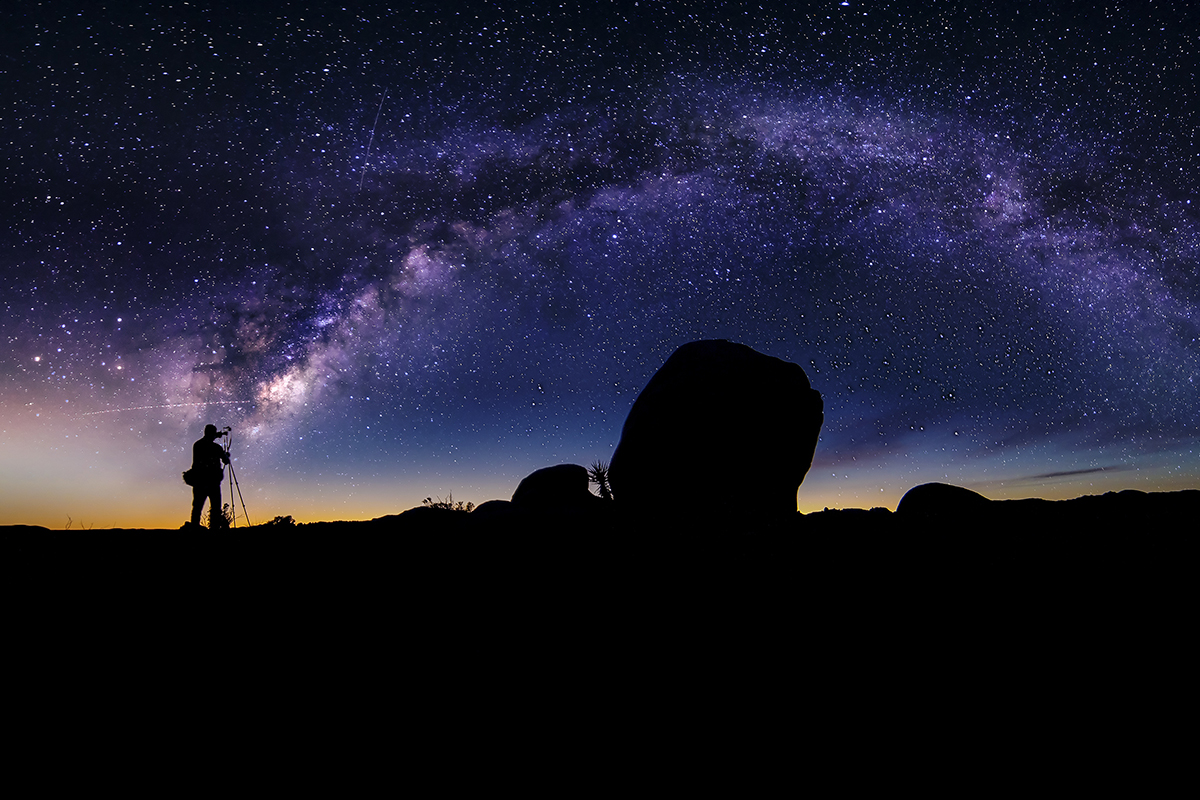
Fleeing artificial city illumination to behold the breathtaking majesty of the Milky Way, dark sky astrotourism travel represents a captivating travel renaissance. Specifically, destinations across the Chilean Atacama Desert, Andalusia, and certified International Dark Sky Parks construct dedicated astronomical lodges and observatories. Consequently, nocturnal explorers witness celestial constellations in pure, unpolluted nocturnal glory.
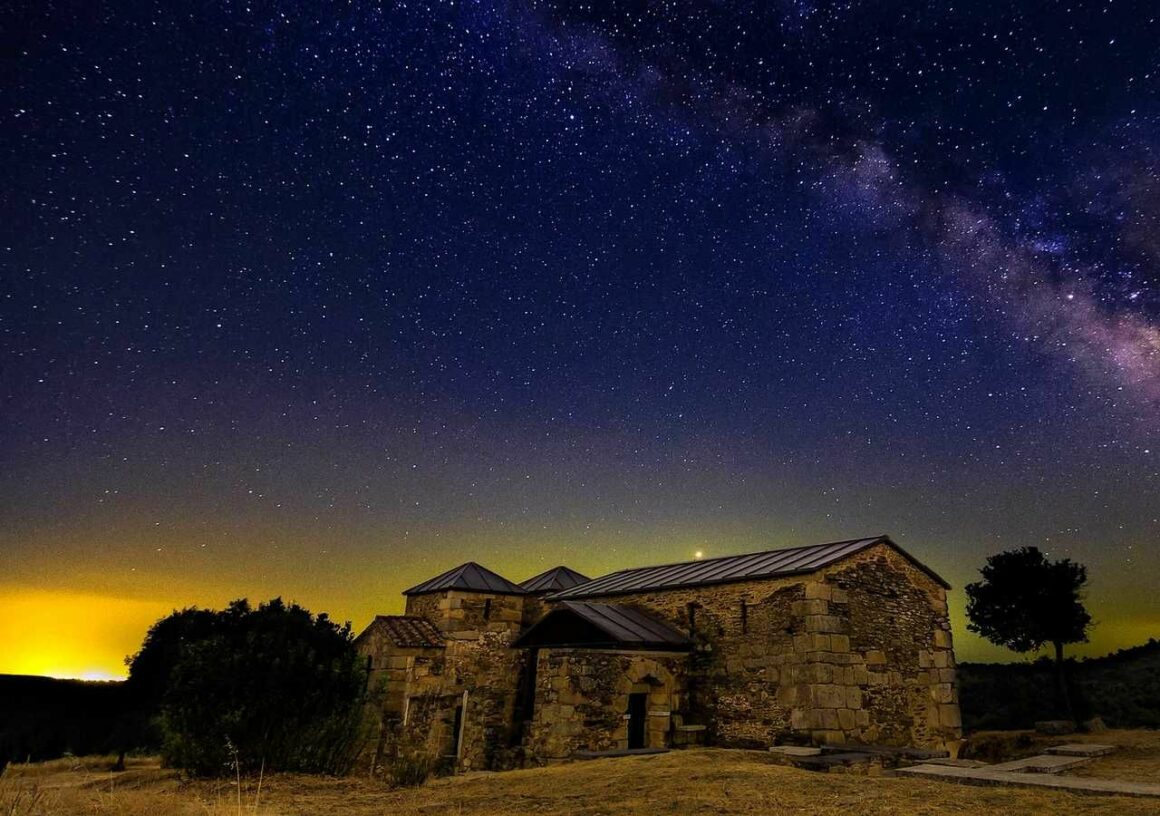
What Is Dark Sky Astrotourism Travel?
To begin with, astrotourism hotels feature open-air stargazing decks, motorized rotating telescope domes, and red-light night illumination that preserves human nocturnal vision. Furthermore, resident astrophysicists guide guests through cosmic storytelling, identifying distant nebulae, rings of Saturn, and passing satellites. Travelers sleep inside glass-roofed domes that frame celestial shooting stars above.
In addition, communities in dark sky reserves enforce strict municipal lighting codes that shield downward street lamps to eliminate light pollution. Meanwhile, nighttime activities include nocturnal astrophotography workshops, lunar wine tastings, and sound healing under the open cosmos. Therefore, night tourism expands cultural travel into an enchanting celestial journey.
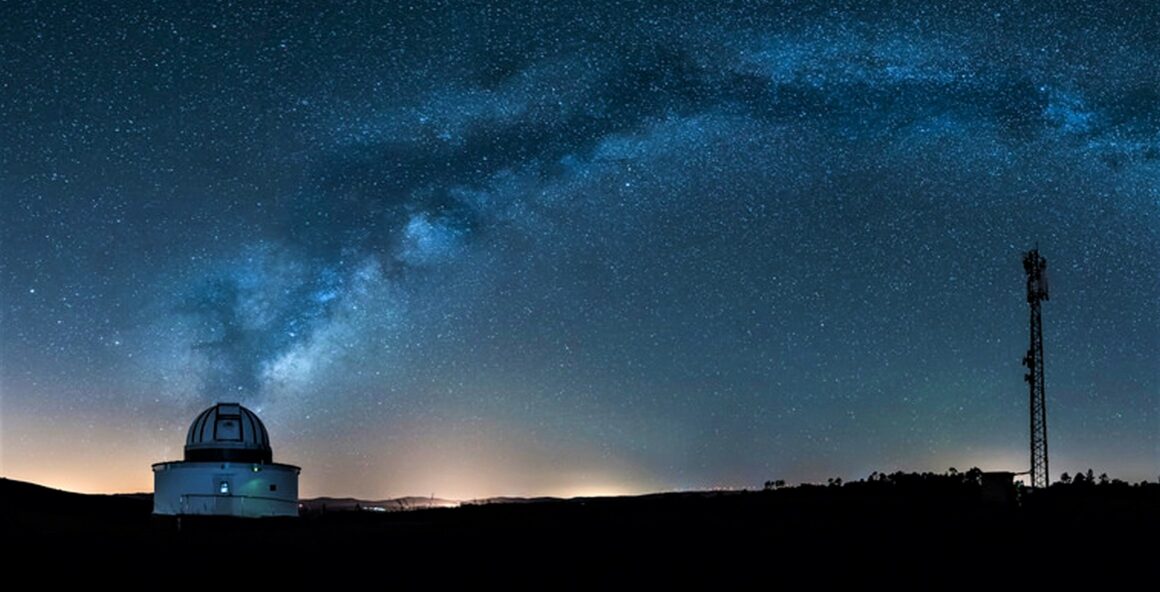
Why Is This Celestial Travel Trend Cool?
- Unspoiled Cosmic Wonder: Over eighty percent of the global population cannot see the Milky Way due to urban light smog. Similar to ancient forge crafts, pure conditions reveal forgotten beauty.
- Expert Astronomical Storytelling: Resident astronomers demystify complex planetary physics with engaging narratives.
- Nocturnal Astrophotography: In fact, guided long-exposure camera workshops teach travelers to capture spectacular galactic arms.
- Ecological Night Preservation: Dark sky reserves actively protect nocturnal wildlife species and natural circadian rhythms.
Why Does Astrotourism Have Growth Potential?
Moreover, As urbanization continues to spread artificial glow across the planet, unpolluted dark night skies become an increasingly scarce and precious natural resource. Because travelers willingly journey to remote mountain valleys and deserts for celestial bucket-list spectacles, astrotourism hotels command high year-round bookings. Therefore, nocturnal nature hospitality represents a sustainable economic model for rural regions.
The Take Away
In conclusion, astrotourism reminds humanity of our humble place within the infinite universe. As a result, by turning off the lights to look toward the stars, travelers discover profound perspective. Ultimately, When you gaze into the cosmic night, you remember that we are all made of stardust.
Reference Link: DarkSky International Official Portal
30 comments
HOW COOL IS THIS “SEED”?
● ● ● ● ●
DOES IT HAVE FUTURE GROWTH POTENTIAL?
● ● ● ○ ○
I would assess transport, habitat pressure and lighting practices before accepting eco-friendly language. A dark viewing site does not make the whole visit low impact. The environmental account should show what the programme protects and how it manages the demands created by repeated visitors.
HOW COOL IS THIS “SEED”?
● ● ● ● ○
DOES IT HAVE FUTURE GROWTH POTENTIAL?
● ● ● ● ○
Guests need clear timing, preparation information and alternatives when conditions change. Good logistics support observation by removing avoidable uncertainty. The programme works best when visitors understand what is dependable and what remains beyond the provider’s ability to arrange.
HOW COOL IS THIS “SEED”?
● ● ● ● ●
DOES IT HAVE FUTURE GROWTH POTENTIAL?
● ● ● ● ○
A night-sky experience has strong symbolic appeal, but desirability should not depend on producing the same image as other visitors. Thoughtful interpretation can give the evening its own value. The sky should remain an encounter rather than a status object the traveller is promised to collect.
HOW COOL IS THIS “SEED”?
● ● ● ● ●
DOES IT HAVE FUTURE GROWTH POTENTIAL?
● ● ● ○ ○
A private observation session should explain site access and support accurately. Seclusion does not automatically mean unrestricted use or guaranteed quiet. Discreet service can support personal preferences while respecting the setting and the responsibilities that remain around a shared environment.
HOW COOL IS THIS “SEED”?
● ● ● ● ○
DOES IT HAVE FUTURE GROWTH POTENTIAL?
● ● ○ ○ ○
Observation may be enjoyable without a wellbeing guarantee. I would leave personal responses open and keep health claims outside the programme’s promise. Visitors can value quiet, learning or company without the provider asserting that a night under the sky restores their emotional state.
HOW COOL IS THIS “SEED”?
● ● ● ● ○
DOES IT HAVE FUTURE GROWTH POTENTIAL?
● ● ● ● ○
Digital preparation tools could clarify conditions and programme updates without encouraging constant screen attention during observation. Their role should be practical. A useful interface distinguishes forecasts and opportunities from guarantees while keeping essential support information accessible to the guest.
HOW COOL IS THIS “SEED”?
● ● ● ● ○
DOES IT HAVE FUTURE GROWTH POTENTIAL?
● ● ● ○ ○
Food service can support the evening through convenient timing and clear choices. Local contributors could add a specific connection to place. The meal should remain enjoyable on its own terms rather than become another claim that the entire night programme expresses responsible or culturally authentic tourism.
HOW COOL IS THIS “SEED”?
● ● ● ● ●
DOES IT HAVE FUTURE GROWTH POTENTIAL?
● ● ● ● ○
Observation equipment and seating should support real use in the chosen setting. Instructions and practical comfort matter alongside technical appeal. A well-designed object would help visitors understand what they are seeing without making unfamiliar controls an obstacle to the experience.
HOW COOL IS THIS “SEED”?
● ● ● ● ○
DOES IT HAVE FUTURE GROWTH POTENTIAL?
● ● ● ○ ○
Sites need specific access information and different ways to participate where feasible. Clear interpretation can support people with varied knowledge and requirements. A broad claim that the sky appeals to everyone should not replace practical assessment of the route, equipment and programme format.
HOW COOL IS THIS “SEED”?
● ● ● ● ○
DOES IT HAVE FUTURE GROWTH POTENTIAL?
● ● ○ ○ ○
Night conditions and activity demands should be described plainly, with appropriate support available. Staff should avoid personal health assurances based on a calm atmosphere. Informed participation remains important even when the programme is presented as gentle, natural or suitable for a wide audience.
HOW COOL IS THIS “SEED”?
● ● ● ● ●
DOES IT HAVE FUTURE GROWTH POTENTIAL?
● ● ● ○ ○
Restraint in lighting and programme design can help the setting remain central. Practical orientation still needs to be clear. I would favour an evening that lets guests observe at their own pace rather than fill every interval with spectacle or instructions about what the encounter should mean.
HOW COOL IS THIS “SEED”?
● ● ● ● ●
DOES IT HAVE FUTURE GROWTH POTENTIAL?
● ● ● ● ○
The campaign should use representative imagery and explain viewing uncertainty. Site-specific details matter more than universal promises of an extraordinary sky. A credible invitation would attract interest while preparing visitors for the actual programme and its dependence on conditions.
HOW COOL IS THIS “SEED”?
● ● ● ● ○
DOES IT HAVE FUTURE GROWTH POTENTIAL?
● ● ○ ○ ○
The claim that remote travel is inherently responsible deserves scrutiny. Moving visitors elsewhere can create new pressures rather than remove old ones. The concept becomes more credible when it acknowledges resource use and local authority instead of treating distance from crowds as proof of virtue.
HOW COOL IS THIS “SEED”?
● ● ● ● ●
DOES IT HAVE FUTURE GROWTH POTENTIAL?
● ● ● ○ ○
Quality lies in careful equipment, knowledgeable interpretation and a considered guest journey. Those details deserve attention even when the sky is not dramatic. A well-made programme would remain worthwhile through learning and hospitality rather than rely entirely on an exceptional visual result.
HOW COOL IS THIS “SEED”?
● ● ● ● ○
DOES IT HAVE FUTURE GROWTH POTENTIAL?
● ● ● ○ ○
Site planning should balance observation, orientation, support and nearby activity. The darkest point may not be the best gathering space for every group. Spatial quality would help guests participate comfortably while preserving the conditions the programme invites them to appreciate.
HOW COOL IS THIS “SEED”?
● ● ● ● ●
DOES IT HAVE FUTURE GROWTH POTENTIAL?
● ● ● ● ○
The emotional connection can grow from a thoughtful evening of attention and learning. Its meaning stays with the visitor. Honest expectations and warm guidance would make the programme credible without guaranteeing wonder or presenting every night as a life-changing encounter.
HOW COOL IS THIS “SEED”?
● ● ● ● ●
DOES IT HAVE FUTURE GROWTH POTENTIAL?
● ● ● ● ○
Night-sky observation can give a destination a distinctive reason for a visit. The business needs value beyond a particular viewing result. I would assess interpretation, accommodation and alternative programmes rather than assume clear skies and memorable sightings can be delivered on every booking.
HOW COOL IS THIS “SEED”?
● ● ● ● ●
DOES IT HAVE FUTURE GROWTH POTENTIAL?
● ● ● ○ ○
International visitors need accurate expectations about conditions, seasons and the actual programme. The sky’s appeal may be broad, but participation needs vary. Clear communication would help guests distinguish the opportunity to observe from a guarantee of seeing a specific phenomenon.
HOW COOL IS THIS “SEED”?
● ● ● ● ●
DOES IT HAVE FUTURE GROWTH POTENTIAL?
● ● ● ● ○
A destination can develop a thoughtful night programme through local expertise and appropriate sites. Its appeal should deepen understanding rather than simply move demand to a less visited place. Growth needs careful capacity planning so remoteness is not treated as permission for unrestricted expansion.
HOW COOL IS THIS “SEED”?
● ● ● ● ○
DOES IT HAVE FUTURE GROWTH POTENTIAL?
● ● ● ○ ○
Night activities need reliable coordination around transport, staffing and changed conditions. Guests should know how support works and what happens when observation is limited. The operating model must deliver a coherent experience without pretending an outdoor programme follows a perfectly predictable schedule.
HOW COOL IS THIS “SEED”?
● ● ● ● ○
DOES IT HAVE FUTURE GROWTH POTENTIAL?
● ● ● ○ ○
The business case should model variable visibility and seasonal demand realistically. I would assess equipment, staffing and alternatives alongside booking interest. A strong niche can remain viable without promising that every date offers the same viewing conditions or supports the same level of demand.
HOW COOL IS THIS “SEED”?
● ● ● ● ○
DOES IT HAVE FUTURE GROWTH POTENTIAL?
● ● ● ○ ○
The programme should define its responsibilities to the site and host community. Economic benefit needs specific relationships and evidence rather than automatic attribution to the category. A credible purpose would explain how visitation and lighting choices are managed without claiming that sky-focused travel is inherently sustainable.
Specific operating choices would make the responsibility claim easier to assess. The programme could explain what it protects while keeping transport and visitor pressure visible in the wider account.
HOW COOL IS THIS “SEED”?
● ● ● ● ●
DOES IT HAVE FUTURE GROWTH POTENTIAL?
● ● ● ● ○
Knowledgeable interpretation can connect observation to different histories and ways of understanding the sky. Local contributors should control how their knowledge is shared. The encounter becomes richer when it invites learning rather than treating every cultural account as interchangeable atmosphere for the visitor’s wonder.
Patient explanation could make a quieter sky meaningful too. Visitors would gain ways to notice and understand the setting rather than measure the evening only by a list of expected phenomena.
HOW COOL IS THIS “SEED”?
● ● ● ● ●
DOES IT HAVE FUTURE GROWTH POTENTIAL?
● ● ● ● ○
The signal is attention to the night environment becoming a destination proposition. Growth depends on real site suitability and reliable interpretation. The category is broad, so universal claims about year-round viewing, low impact or community benefit need to be assessed through specific programmes.
HOW COOL IS THIS “SEED”?
● ● ● ● ●
DOES IT HAVE FUTURE GROWTH POTENTIAL?
● ● ● ● ○
A guide can help guests enjoy patient observation even when the sky is less visible than hoped. Questions should be welcomed at different levels of knowledge. Warm hosting gives the evening value without requiring a dramatic sighting or a profound emotional response from every participant.
HOW COOL IS THIS “SEED”?
● ● ● ● ●
DOES IT HAVE FUTURE GROWTH POTENTIAL?
● ● ● ○ ○
A quiet evening can offer room for private attention, but the visitor should choose how much explanation they want. I would preserve unhurried pauses. The experience should not demand that everyone feel small, inspired or transformed simply because they are looking upward together.
HOW COOL IS THIS “SEED”?
● ● ● ● ○
DOES IT HAVE FUTURE GROWTH POTENTIAL?
● ● ● ○ ○
Teams need accurate programme information and clear routes to specialist interpretation. They should be supported in explaining changed conditions honestly. Practical training would keep the service welcoming without asking staff to promise sightings or invent answers to scientific questions beyond their knowledge.
HOW COOL IS THIS “SEED”?
● ● ● ● ●
DOES IT HAVE FUTURE GROWTH POTENTIAL?
● ● ● ● ○
The host community should shape how the destination and its night environment are presented. Specific local voices deserve recognition. A meaningful visit would connect the sky to a lived place rather than describe remote areas as empty settings awaiting travellers who seek a more authentic experience.
Rate & Discuss this Signal
Calibrate the Future Signals Index with your rating below, and share your perspective in the community dialogue.
Evaluate this Creative Signal
Help calibrate the Future Signals Index. Rate this Seed on both key criteria below (scale: 2 to 10).