



Indeed, cooking Without Trash Bins and Upcycling Glass into Crockery Proves That Closed-Loop Gastronomy Delivers Exquisite Fine Dining.
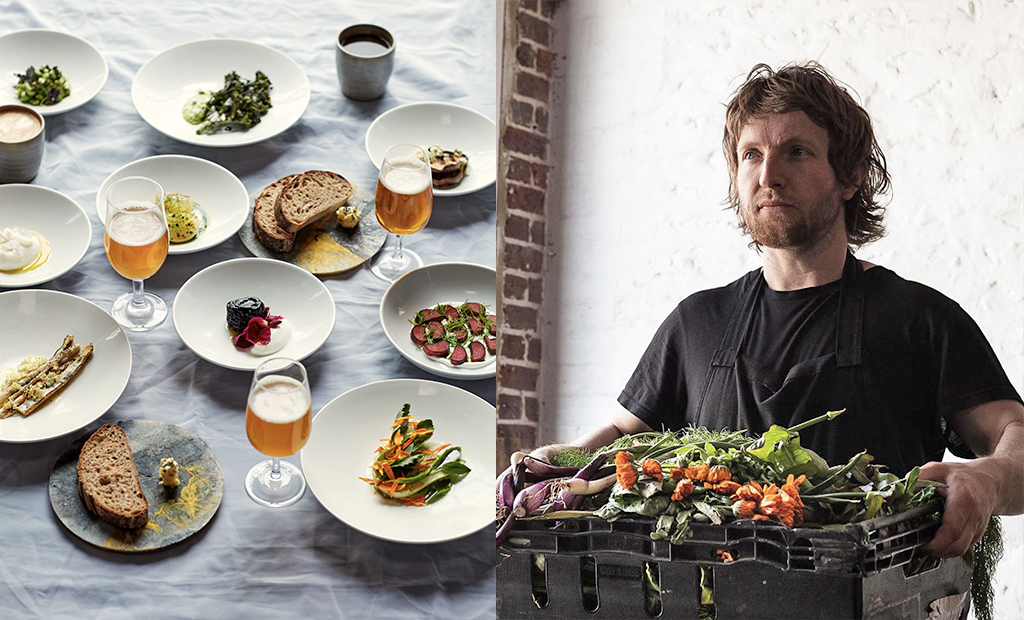
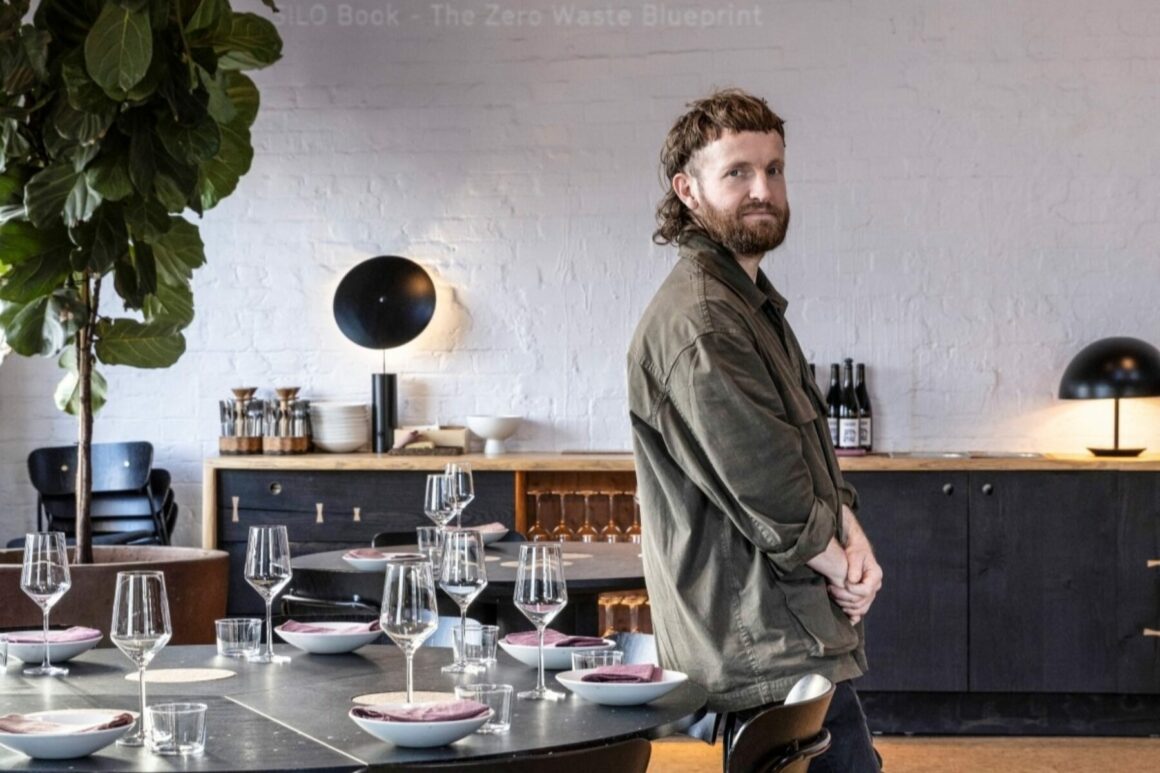
Pioneering an absolute revolution against culinary waste, silo zero waste restaurant london proves that gourmet dining can operate entirely without landfill garbage. Specifically, visionary chef Douglas McMaster designed a closed-loop food system in Hackney Wick that rejects single-use packaging and synthetic fertilizers. Consequently, diners enjoy seasonal tasting menus that actively restore natural ecological harmony.
What Is the Silo Zero Waste Restaurant London Model?
To begin with, all ingredients arrive directly from regenerative organic farms in reusable crates, completely eliminating plastic wrappings. Furthermore, the kitchen team mills heritage grains on an on-site stone mill to bake fresh sourdough bread daily. An industrial aerobic composter named Bertha transforms unavoidable food scraps into rich fertilizer within twenty-four hours.
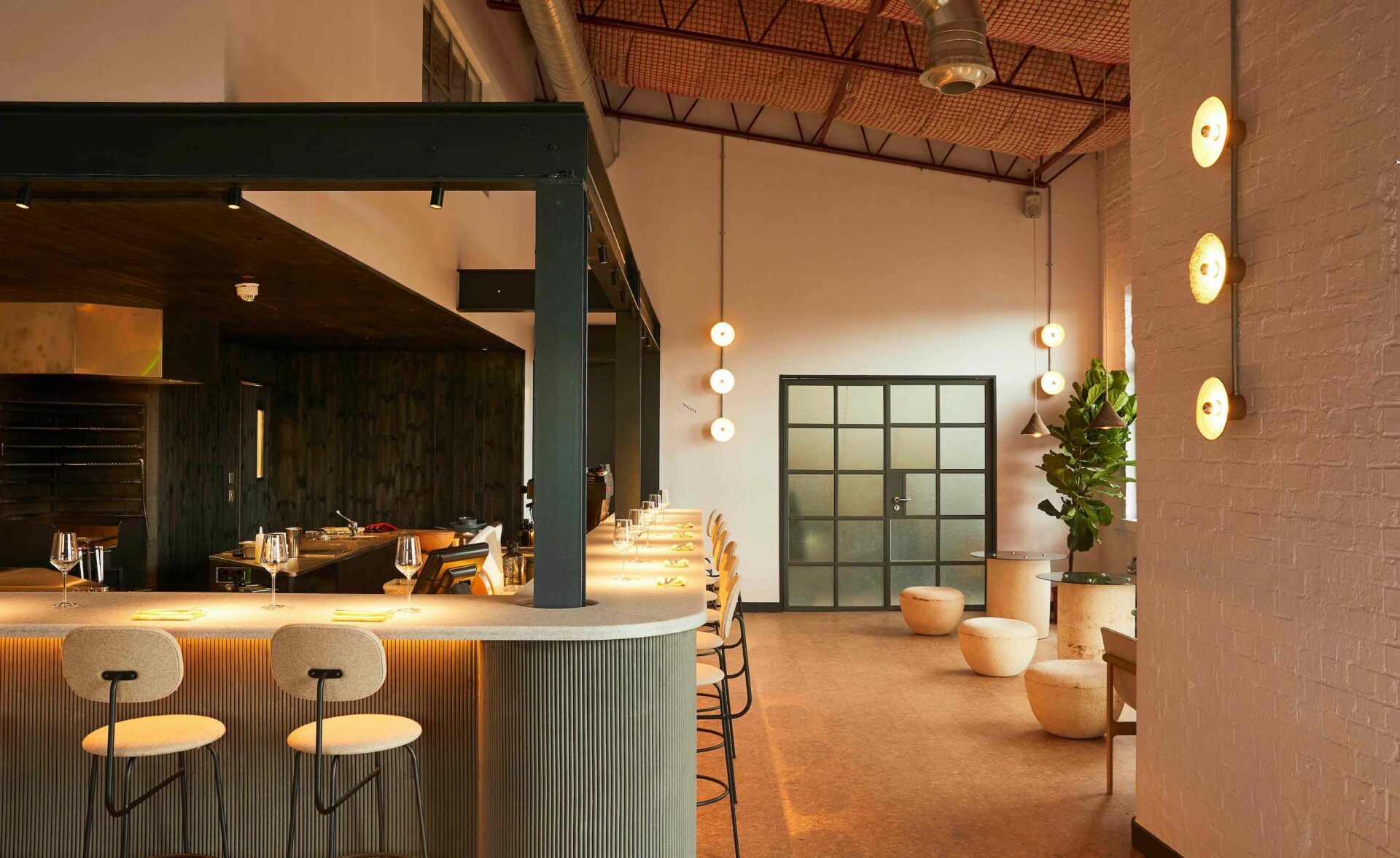
In addition, discarded wine bottles undergo on-site crushing and kiln melting to create beautiful ceramic-like dinner plates and drinking glasses. Meanwhile, mushroom mycelium grows into sturdy dining tables, and recycled plastic bags form elegant bar stools. Therefore, the entire dining room functions as an inspirational masterclass in circular design.
Why Is This Circular Restaurant Cool?
- No Kitchen Trash Cans: Silo operates without a single conventional garbage bin anywhere on restaurant premises. Similar to enduring Japanese metal crafts, zero waste honors the innate value of raw materials.
- Crushed Glass Upcycling: Crushed wine bottles transform directly into bespoke table crockery and decorative lamp fixtures.
- Whole-Beast and Root Cooking: Chefs utilize every plant stem, root, bone, and peel through imaginative culinary fermentation.
- Closed-Loop Agricultural Trade: Nutrient-rich compost travels back to the very farms that supplied the restaurant produce.
Why Does Circular Gastronomy Have Growth Potential?
Moreover, Rising food costs and climate concerns force the global hospitality industry to reexamine unsustainable supply chain waste. Because zero-waste methods dramatically cut purchasing waste while building magnetic brand prestige among eco-conscious diners, circular models prove highly profitable. Therefore, closed-loop restaurant design represents the ultimate future for global culinary leadership.
The Take Away
In conclusion, Silo demonstrates that waste is simply a failure of imagination. As a result, by transforming by-products into beauty and nourishing ingredients, London offers a visionary gastronomic compass. Ultimately, When you see potential where others see waste, hospitality becomes pure magic.
Reference Link: Silo London Official Portal
30 comments
HOW COOL IS THIS “SEED”?
● ● ● ● ○
DOES IT HAVE FUTURE GROWTH POTENTIAL?
● ● ● ● ●
Guests need an easy way to understand menu options and practical service choices. Digital receipts should remain usable without unnecessary information collection. The purpose is stronger when its routines remove avoidable waste without creating new friction for people who simply want a clear dining experience.
HOW COOL IS THIS “SEED”?
● ● ● ● ○
DOES IT HAVE FUTURE GROWTH POTENTIAL?
● ● ● ● ○
Resourcefulness can support a distinctive premium identity when the food is genuinely desirable. Ethical prestige should not replace taste and craft. The restaurant would be more convincing if guests want to return for the meal as well as admire the operating principle.
HOW COOL IS THIS “SEED”?
● ● ● ● ●
DOES IT HAVE FUTURE GROWTH POTENTIAL?
● ● ● ● ●
A private dining adaptation needs clear guest requirements and realistic kitchen commitments. Waste reduction should not imply unrestricted flexibility or no choice at all. The host can respect personal preferences while explaining how the actual menu and supply system work.
HOW COOL IS THIS “SEED”?
● ● ● ● ●
DOES IT HAVE FUTURE GROWTH POTENTIAL?
● ● ● ● ○
Waste reduction does not establish a personal health benefit. I would keep nutritional questions separate from the restaurant’s environmental purpose. Guests can enjoy the food and resourcefulness without assuming that less packaging or more in-house preparation makes every dish healthier.
HOW COOL IS THIS “SEED”?
● ● ● ● ●
DOES IT HAVE FUTURE GROWTH POTENTIAL?
● ● ● ○ ○
Digital records could support procurement and measured waste outcomes. Their usefulness lies in accurate inputs and defined reporting periods. A dashboard should clarify the operating system rather than display an unexplained zero that implies every environmental question has been resolved.
HOW COOL IS THIS “SEED”?
● ● ● ● ○
DOES IT HAVE FUTURE GROWTH POTENTIAL?
● ● ● ● ●
The culinary challenge is to create excellent food through thoughtful use of materials. That requires judgment rather than simply using everything. Clear ingredients and sensory quality remain central, so the environmental story should strengthen the meal instead of compensate for weak preparation.
HOW COOL IS THIS “SEED”?
● ● ● ● ○
DOES IT HAVE FUTURE GROWTH POTENTIAL?
● ● ● ● ●
Containers, furnishings and tools can make the operating principle tangible. Their durability and repair matter beyond appearance. I would judge the objects through repeated use and their place in the actual service system rather than treating reused material as automatic design success.
HOW COOL IS THIS “SEED”?
● ● ● ● ○
DOES IT HAVE FUTURE GROWTH POTENTIAL?
● ● ● ● ○
A limited menu still needs clear dietary and access information. Guests should know what can be accommodated before booking. A purpose-led restaurant becomes more inclusive when it respects practical requirements instead of assuming every diner can participate in the same culinary format.
HOW COOL IS THIS “SEED”?
● ● ● ● ●
DOES IT HAVE FUTURE GROWTH POTENTIAL?
● ● ● ● ○
Food handling and allergen information need appropriate oversight regardless of the waste-reduction ambition. The concept should not use naturalness as reassurance. Guests deserve accurate product information without health implications inferred from the way ingredients are sourced or containers are reused.
HOW COOL IS THIS “SEED”?
● ● ● ● ●
DOES IT HAVE FUTURE GROWTH POTENTIAL?
● ● ● ● ○
A restrained presentation could let the food and material choices communicate the idea quietly. Too much explanatory content may crowd the meal. I would favour precise details that guests can explore if interested without making every service moment a lesson in responsible consumption.
HOW COOL IS THIS “SEED”?
● ● ● ● ●
DOES IT HAVE FUTURE GROWTH POTENTIAL?
● ● ● ● ○
The campaign should show specific practices and explain the meaning of its headline claims. Historical menus and milestones need context. Transparent measurements would build more lasting trust than a promise that every meal leaves nothing behind or that replication is automatically profitable.
HOW COOL IS THIS “SEED”?
● ● ● ● ●
DOES IT HAVE FUTURE GROWTH POTENTIAL?
● ● ● ● ○
The model can challenge wasteful habits while still needing scrutiny of its wider resource use. I would resist declaring the problem solved through a single restaurant identity. Its value may lie in showing practical possibilities and limits that other kitchens can learn from.
HOW COOL IS THIS “SEED”?
● ● ● ○ ○
DOES IT HAVE FUTURE GROWTH POTENTIAL?
● ● ● ○ ○
Resourcefulness becomes craft through precise preparation and considered objects. The finished experience deserves assessment on those qualities. A reused material or unusual ingredient is strongest when its function and execution are excellent rather than when the story alone is asked to establish value.
The result should earn appreciation through flavour and execution. Resourcefulness becomes more persuasive when the guest enjoys the food without needing the purpose narrative to justify it.
HOW COOL IS THIS “SEED”?
● ● ● ● ○
DOES IT HAVE FUTURE GROWTH POTENTIAL?
● ● ● ● ○
The layout should support receiving, preparation and the return of reusable materials. Those flows are part of the design, not only a back-of-house detail. Spatial quality appears when the system works comfortably while guests receive an ordinary, coherent restaurant experience.
HOW COOL IS THIS “SEED”?
● ● ● ● ●
DOES IT HAVE FUTURE GROWTH POTENTIAL?
● ● ● ● ○
The emotional connection can come from enjoying good food while understanding thoughtful resource decisions. The guest should choose how deeply to engage. Honest explanation and dependable service would make the purpose feel credible without promising that the meal resolves every environmental concern.
HOW COOL IS THIS “SEED”?
● ● ● ● ●
DOES IT HAVE FUTURE GROWTH POTENTIAL?
● ● ● ● ●
The concept gives a restaurant a clear identity through its operating choices. Its business case needs actual costs and customer demand. I would assess the meal and resource practices together without assuming a compelling waste-reduction story automatically demonstrates profitability.
HOW COOL IS THIS “SEED”?
● ● ● ● ●
DOES IT HAVE FUTURE GROWTH POTENTIAL?
● ● ● ○ ○
Guests need accurate information about the current menu and available choices. A historical description should not imply permanent offerings. Clear communication can make the purpose approachable without asking diners to accept unfamiliar ingredients or restricted options as a moral obligation.
HOW COOL IS THIS “SEED”?
● ● ● ● ○
DOES IT HAVE FUTURE GROWTH POTENTIAL?
● ● ● ● ●
The restaurant could become a destination encounter through specific producers and thoughtful food. Its appeal should extend beyond a headline environmental label. Growth would be stronger through practical knowledge sharing than through assuming every market can reproduce the same procurement relationships unchanged.
HOW COOL IS THIS “SEED”?
● ● ● ● ○
DOES IT HAVE FUTURE GROWTH POTENTIAL?
● ● ● ○ ○
Reusable supply systems need reliable collection, cleaning and handovers. Kitchen teams require clear procedures when ingredients or containers differ. The model works through everyday coordination rather than the assumption that eliminating one visible waste stream makes the entire operation straightforward.
HOW COOL IS THIS “SEED”?
● ● ● ● ●
DOES IT HAVE FUTURE GROWTH POTENTIAL?
● ● ● ○ ○
In-house processes and supplier coordination can create both savings and costs. I would examine labour, equipment and actual disposal outcomes. A distinctive model may support premium demand without proving that every restaurant can replicate it economically at the same scale.
HOW COOL IS THIS “SEED”?
● ● ● ● ●
DOES IT HAVE FUTURE GROWTH POTENTIAL?
● ● ● ● ●
The waste-reduction purpose needs a defined boundary and an accountable method. Guests should understand what is measured and what remains. Credibility is stronger when the restaurant explains concrete practices rather than treating zero waste as a permanent, self-evident condition.
HOW COOL IS THIS “SEED”?
● ● ● ● ●
DOES IT HAVE FUTURE GROWTH POTENTIAL?
● ● ● ● ○
The food can open a conversation about how ingredients move through a kitchen. Producers and team members should be credited for that knowledge. The encounter becomes richer when resourcefulness is shown through specific decisions rather than presented as a general story of virtuous dining.
HOW COOL IS THIS “SEED”?
● ● ● ● ●
DOES IT HAVE FUTURE GROWTH POTENTIAL?
● ● ● ● ○
The signal is an operating principle shaping the menu, supply system and objects together. Growth depends on repeatable practice and measured results. First-in-the-world and zero-waste claims require precise evidence rather than being used as automatic proof of the whole model’s performance.
Defined boundaries would make the headline more useful. The restaurant’s practices could remain ambitious while the account shows what is prevented, reused and still handled as a residual output.
HOW COOL IS THIS “SEED”?
● ● ● ● ●
DOES IT HAVE FUTURE GROWTH POTENTIAL?
● ● ● ● ○
A warm explanation can help guests understand the restaurant without turning the meal into a lecture. Different preferences should remain welcome. The purpose is more convincing when good service and enjoyable food carry it naturally rather than asking diners to perform approval of every choice.
HOW COOL IS THIS “SEED”?
● ● ● ● ●
DOES IT HAVE FUTURE GROWTH POTENTIAL?
● ● ● ○ ○
The experience could communicate care through small details without constant environmental messaging. I would preserve space simply to enjoy the meal. A thoughtful purpose does not need to turn every bite into a conscious test of the guest’s values.
HOW COOL IS THIS “SEED”?
● ● ● ● ○
DOES IT HAVE FUTURE GROWTH POTENTIAL?
● ● ● ● ○
Training should connect practical routines to the reasons behind them. Staff need clear ingredient information and usable records. The model gains strength when employees can maintain the system consistently and offer accurate answers rather than memorise a broad claim about having no waste.
HOW COOL IS THIS “SEED”?
● ● ● ● ○
DOES IT HAVE FUTURE GROWTH POTENTIAL?
● ● ● ● ○
Producer relationships should be visible through credited people and specific practices. Direct sourcing is most meaningful when its terms are clear. The restaurant’s identity would gain depth by recognising those contributors rather than absorbing their work into its own pioneering narrative.
HOW COOL IS THIS “SEED”?
● ● ● ● ○
DOES IT HAVE FUTURE GROWTH POTENTIAL?
● ● ● ● ○
I would assess prevention, reuse and residual outputs through a defined measurement method. Composting is a handling practice, not proof that no waste exists. The account should explain tradeoffs and boundaries so the environmental ambition can be evaluated beyond its attractive label.
Rate & Discuss this Signal
Calibrate the Future Signals Index with your rating below, and share your perspective in the community dialogue.
Evaluate this Creative Signal
Help calibrate the Future Signals Index. Rate this Seed on both key criteria below (scale: 2 to 10).