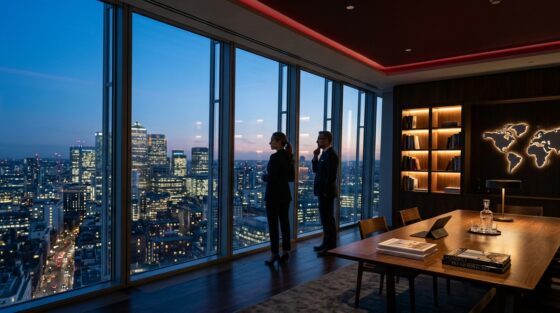
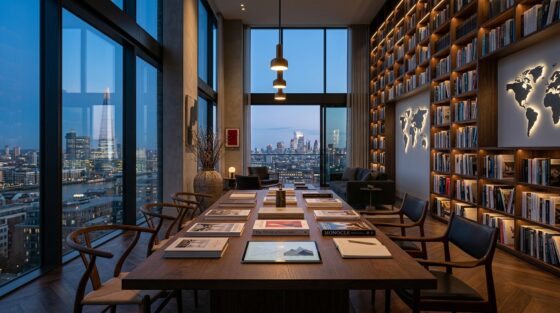

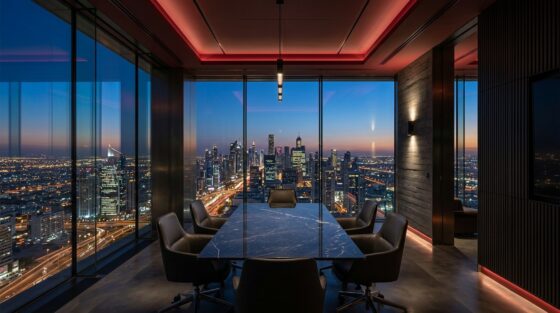


Indeed, integrating Living Contemporary Art Museums into Urban Boutique Hotels Proves That Culture Can Revitalize American Communities.
Pioneering a revolutionary blend of hospitality and civic culture, the 21c museum hotel concept transforms overnight lodging into an accessible art institution. Specifically, founders Laura Lee Brown and Steve Wilson created multi-venue boutique hotels that house curated contemporary art exhibitions open free to the public around the clock. Consequently, guests and locals engage with thought-provoking art every hour of the day.

What Is the 21c Museum Hotel Concept?
To begin with, each property repurposes historic urban buildings—such as former tobacco warehouses and historic bank offices—into vibrant cultural hubs. Furthermore, dedicated museum curators assemble rotating group exhibitions featuring globally recognized artists alongside regional creators. Visitors encounter sculptures, video installations, and photography while walking toward elevators.
In addition, destination farm-to-table restaurants and craft cocktail lounges operate within the gallery spaces, stimulating social interaction between travelers and residents. Meanwhile, whimsical mascot sculptures like the signature four-foot Cracking Art penguins migrate playfully around corridors and elevators. Consequently, the hospitality experience seamlessly bridges hotel comfort with museum-grade artistic exploration.

Why Is This Art-Hotel Hybrid Cool?
- Twenty-Four-Hour Art Access: Guests can contemplate world-class artwork in pajama slippers at three in the morning. Just as traditional craft traditions honor expressive dedication, public art enriches daily living.
- Civic Urban Regeneration: Historic downtown structures undergo preservation, driving fresh cultural vitality into mid-sized cities.
- Playful Mascot Tradition: In fact, colorful Cracking Art recycled plastic penguins spark delightful encounters in hallways.
- Democratic Cultural Access: Completely free admission breaks down financial and social barriers associated with conventional galleries.
Why Does Cultural Hospitality Have Growth Potential?
Moreover, Today’s travelers increasingly reject formulaic corporate hotel rooms in favor of stays that offer authentic cultural immersion and intellectual stimulation. Because art-centric properties foster proud local communities while attracting affluent cultural tourists, properties enjoy steady year-round occupancy. Therefore, museum-integrated hospitality represents a sustainable model for urban real estate development.
The Take Away
In conclusion, 21c Museum Hotels proves that modern lodging can serve as a catalyst for creative civic pride. As a result, by embedding provocative contemporary art into hospitality spaces, communities flourish. Ultimately, When you weave art into daily life, every hallway becomes a destination.
Reference Link: 21c Museum Hotels Official Portal
30 comments
HOW COOL IS THIS “SEED”?
● ● ● ● ●
DOES IT HAVE FUTURE GROWTH POTENTIAL?
● ● ● ● ●
The signal is cultural programming becoming a continuing part of the hotel experience. Growth depends on curatorial quality and operational coherence. Room counts or exhibition dimensions should not be generalised across the concept when individual properties may have different arrangements and capacities.
HOW COOL IS THIS “SEED”?
● ● ● ● ●
DOES IT HAVE FUTURE GROWTH POTENTIAL?
● ● ● ● ●
A host can make an unfamiliar artwork approachable through a simple invitation to look or ask. Guests should also be free to move on. Warm service prevents cultural ambition from becoming pressure to demonstrate knowledge or enthusiasm during an ordinary hotel stay.
HOW COOL IS THIS “SEED”?
● ● ● ● ●
DOES IT HAVE FUTURE GROWTH POTENTIAL?
● ● ● ● ○
Art can add texture to a visit while quiet areas remain important. Not every guest wants continuous stimulation in every routine space. I would preserve places for rest and let people choose how much attention they give to the exhibitions throughout their stay.
HOW COOL IS THIS “SEED”?
● ● ● ● ○
DOES IT HAVE FUTURE GROWTH POTENTIAL?
● ● ● ● ●
Staff need clear orientation information and a route to curatorial expertise. They do not need to interpret every work themselves. A practical briefing would help teams welcome questions accurately while keeping specialist explanations with people qualified to provide them.
HOW COOL IS THIS “SEED”?
● ● ● ● ●
DOES IT HAVE FUTURE GROWTH POTENTIAL?
● ● ● ● ●
Local artists and cultural partners should have a meaningful role in shaping each property. Their participation would keep the programme connected to place. The model becomes richer when it supports a living creative community rather than using local identity as a decorative variation on a travelling brand.
HOW COOL IS THIS “SEED”?
● ● ● ● ○
DOES IT HAVE FUTURE GROWTH POTENTIAL?
● ● ● ● ●
Rotating exhibitions create material, transport and maintenance demands that deserve attention. I would ask how those are managed across the programme. Cultural value is important, but it should remain distinct from any environmental claim attached to the reuse or design of hotel spaces.
HOW COOL IS THIS “SEED”?
● ● ● ● ●
DOES IT HAVE FUTURE GROWTH POTENTIAL?
● ● ● ● ●
Guests need clear routes, opening information and practical distinctions between exhibition and accommodation areas. Good orientation lets culture become an easy part of the visit. The combined model becomes frustrating if ordinary hotel tasks require repeated navigation through spaces whose rules are unclear.
HOW COOL IS THIS “SEED”?
● ● ● ○ ○
DOES IT HAVE FUTURE GROWTH POTENTIAL?
● ● ● ○ ○
The model offers a distinctive identity grounded in cultural participation rather than only room amenities. Its desirability should come from credible programming. A collection loses some of its value when it is presented mainly as a badge of taste for the property or its guests.
HOW COOL IS THIS “SEED”?
● ● ● ● ●
DOES IT HAVE FUTURE GROWTH POTENTIAL?
● ● ● ○ ○
Public cultural activity and private accommodation should be balanced carefully. Guests need places where they can withdraw from programming and foot traffic. A premium stay can include art without making constant participation or visibility part of the room’s service promise.
HOW COOL IS THIS “SEED”?
● ● ● ● ●
DOES IT HAVE FUTURE GROWTH POTENTIAL?
● ● ● ● ○
A stimulating cultural environment may be enjoyable without guaranteeing improved wellbeing. I would describe the exhibitions and hospitality plainly. Guests can choose their own response rather than being told that artistic exposure necessarily restores, inspires or transforms them.
HOW COOL IS THIS “SEED”?
● ● ● ● ○
DOES IT HAVE FUTURE GROWTH POTENTIAL?
● ● ● ● ○
Digital interpretation could help visitors explore works and programme changes at their own pace. It should support credited artists and accurate curatorial information. The interface is useful when it enriches understanding without requiring a phone to navigate every ordinary hotel interaction.
HOW COOL IS THIS “SEED”?
● ● ● ● ●
DOES IT HAVE FUTURE GROWTH POTENTIAL?
● ● ● ○ ○
Dining can complement the cultural programme through its own craft and local relationships. It should not need to imitate the artworks or turn every meal into a conceptual performance. Clear menu choices and attentive service would let the restaurant contribute a distinct, satisfying experience.
HOW COOL IS THIS “SEED”?
● ● ● ● ●
DOES IT HAVE FUTURE GROWTH POTENTIAL?
● ● ● ● ○
Art in everyday spaces changes how objects and architecture are perceived. The design needs to preserve ordinary function as well as the work’s integrity. I would judge the integration through repeated use rather than the impression that every unexpected placement is automatically successful.
HOW COOL IS THIS “SEED”?
● ● ● ● ●
DOES IT HAVE FUTURE GROWTH POTENTIAL?
● ● ● ● ○
Cultural access should include visitors with different abilities and levels of familiarity. Clear descriptions and alternative interpretation can broaden participation. The public invitation becomes more credible when people can understand how to visit without assuming they must also book a room or purchase something.
A simple, welcoming explanation of public access could remove uncertainty at the door. Visitors should understand that curiosity is enough to begin, without feeling they need expertise or an overnight booking.
HOW COOL IS THIS “SEED”?
● ● ● ● ●
DOES IT HAVE FUTURE GROWTH POTENTIAL?
● ● ● ● ○
The layout should support comfortable movement and make practical information visible even around engaging installations. Guests should not have to choose between appreciating art and understanding their surroundings. A considered programme respects ordinary access and comfort alongside the ambition to stimulate attention.
HOW COOL IS THIS “SEED”?
● ● ● ● ○
DOES IT HAVE FUTURE GROWTH POTENTIAL?
● ● ● ● ○
Thoughtful placement can give a work room to be encountered without making every surface compete for attention. I would preserve visual pauses and quiet functions. A strong cultural environment benefits from restraint as well as the density of its collection.
HOW COOL IS THIS “SEED”?
● ● ● ● ○
DOES IT HAVE FUTURE GROWTH POTENTIAL?
● ● ● ● ○
Communication should show the actual programme and credit contributors rather than promise a uniformly transformative stay. Property-specific facts need clear context. A campaign can express the model’s character while allowing visitors to understand what exhibitions and spaces they will actually encounter.
HOW COOL IS THIS “SEED”?
● ● ● ● ●
DOES IT HAVE FUTURE GROWTH POTENTIAL?
● ● ● ● ●
The combination raises questions about whether art can challenge a commercial environment or only enhance its prestige. I would look for genuine curatorial independence. The concept gains depth when difficult work and public dialogue remain possible, rather than every contribution becoming agreeable brand atmosphere.
Room for challenging work would make the cultural programme more credible. The hotel could welcome different responses while allowing the artist’s perspective to remain distinct from the brand’s preferred narrative.
HOW COOL IS THIS “SEED”?
● ● ● ● ●
DOES IT HAVE FUTURE GROWTH POTENTIAL?
● ● ● ● ●
The quality of the setting includes installation, lighting and care for the works over time. Those details deserve attention alongside furnishings and service. A refined hotel interior should support the art’s particular requirements instead of treating all pieces as interchangeable signs of cultural sophistication.
HOW COOL IS THIS “SEED”?
● ● ● ● ○
DOES IT HAVE FUTURE GROWTH POTENTIAL?
● ● ● ● ○
Shared space needs clear transitions between public exhibitions, dining and guest routines. The layout should support different patterns of movement without diminishing any function. Spatial success appears when residents and cultural visitors can each navigate comfortably while understanding the boundaries of their access.
HOW COOL IS THIS “SEED”?
● ● ● ● ●
DOES IT HAVE FUTURE GROWTH POTENTIAL?
● ● ● ● ○
A memorable stay could emerge from an unexpected encounter with art supported by warm hospitality. Its meaning remains personal. The model is strongest when guests feel invited to explore without needing to produce a sophisticated interpretation or a public account of being inspired.
HOW COOL IS THIS “SEED”?
● ● ● ● ○
DOES IT HAVE FUTURE GROWTH POTENTIAL?
● ● ● ● ○
The combined model gives guests reasons to engage beyond an overnight stay. I would assess the contribution of exhibitions, dining and rooms separately as well as together. Commercial strength depends on a coherent experience and sustained programming rather than assuming art automatically increases hospitality value.
HOW COOL IS THIS “SEED”?
● ● ● ● ○
DOES IT HAVE FUTURE GROWTH POTENTIAL?
● ● ● ● ○
International guests may arrive with different expectations of museums and hotels. Clear orientation should explain which spaces are public and which serve residents. A welcoming model would make both functions understandable without requiring visitors to be familiar with contemporary art or local conventions.
HOW COOL IS THIS “SEED”?
● ● ● ● ○
DOES IT HAVE FUTURE GROWTH POTENTIAL?
● ● ● ● ○
A hotel with meaningful exhibitions can contribute to a destination’s cultural life. Its strongest proposition would include local partnerships and reasons for residents to visit. Growth should deepen that relationship rather than reproduce a generic image of creative hospitality in every location.
HOW COOL IS THIS “SEED”?
● ● ● ● ●
DOES IT HAVE FUTURE GROWTH POTENTIAL?
● ● ● ● ○
Shared cultural and accommodation functions require clear responsibilities for access, maintenance and guest movement. Staff need to coordinate with the curatorial team. Art in ordinary service areas should be supported by practical procedures rather than treated as decoration that looks after itself.
HOW COOL IS THIS “SEED”?
● ● ● ● ●
DOES IT HAVE FUTURE GROWTH POTENTIAL?
● ● ● ● ○
The model carries programming and care costs beyond conventional hotel operations. I would assess those commitments alongside their contribution to demand and identity. A durable business case needs continued support for exhibitions, not only investment in an impressive opening collection.
HOW COOL IS THIS “SEED”?
● ● ● ● ●
DOES IT HAVE FUTURE GROWTH POTENTIAL?
● ● ● ● ●
The cultural purpose should be explicit, with clear terms for artists and public engagement. A hotel can support art without absorbing all its value into the brand. Credibility grows when the institution explains how contributors are recognised and how programming serves audiences beyond paying residents.
HOW COOL IS THIS “SEED”?
● ● ● ● ●
DOES IT HAVE FUTURE GROWTH POTENTIAL?
● ● ● ● ○
Art can open conversations that make an ordinary stay more culturally specific. Interpretation should invite curiosity rather than prescribe a correct response. The most meaningful encounters would let artists’ perspectives remain visible, including work that challenges rather than merely flatters the hospitality setting.
Rate & Discuss this Signal
Calibrate the Future Signals Index with your rating below, and share your perspective in the community dialogue.
Evaluate this Creative Signal
Help calibrate the Future Signals Index. Rate this Seed on both key criteria below (scale: 2 to 10).