






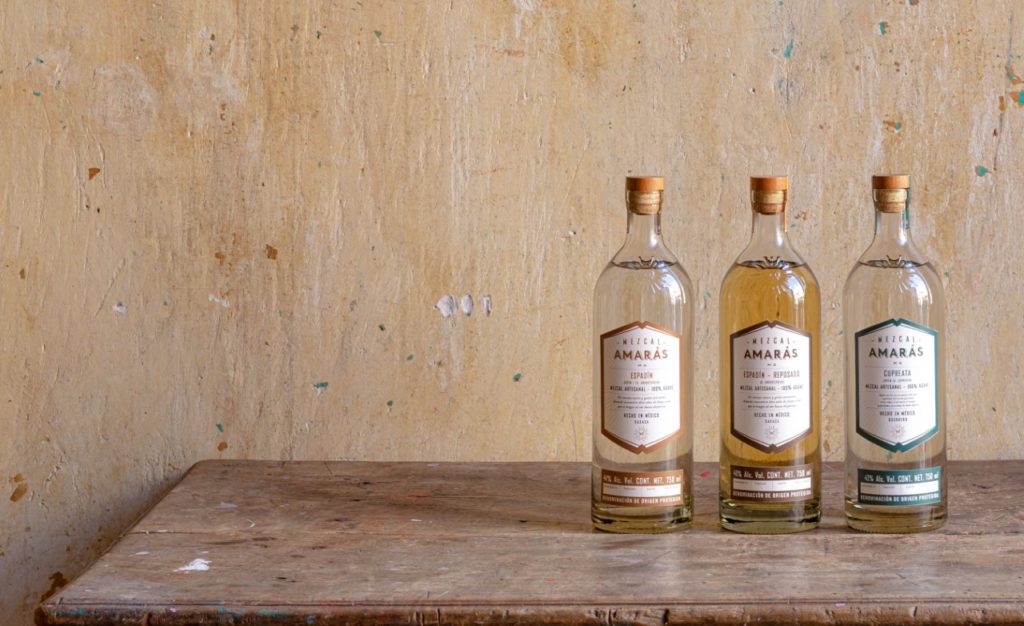
Indeed, honoring Wild Agave Biodiversity and Indigenous Farming Wisdom Proves That Artisanal Spirits Can Regenerate Ecosystems.
The global boom in agave spirits has driven immense industrial demand, frequently leading to intensive monoculture farming and deforestation across rural Mexico. However, pioneering distiller Mezcal Amarás sustainability initiatives chart an ethical, regenerative path forward. By dedicating twenty percent of net proceeds to social and ecological programs, the brand safeguards wild agave biodiversity while uplifting local palenquero communities.

What Is the Mezcal Amarás Sustainability Model?
To begin with, the producer guarantees that for every wild agave harvested for distillation, ten nursery-grown saplings are returned to the wild. Furthermore, the company collaborates with master artisanal distillers in Oaxaca, Guerrero, and Durango under equitable fair-trade agreements. Local maestras and maestros receive competitive compensation and long-term financial stability.
In addition, distillation by-products undergo organic composting to enrich local soil without chemical fertilizers. Meanwhile, solar-assisted ovens reduce timber firewood consumption during cooking. Consequently, the enterprise produces exceptional, complex spirits that actively restore surrounding fragile ecosystems.

Why Is This Regenerative Mezcal Cool?
- Holistic Agave Reforestation: Returning ten organic agaves to soil for every one harvested creates a net-positive ecological footprint.
- Empowered Indigenous Distillers: Palenqueros gain true financial independence and legal recognition as essential cultural custodians. Much like cherished heritage traditions, generational craftsmanship deserves deep respect.
- Artisanal Terroir Expression: Honoring wild varieties like Cupreata and Espadín delivers unparalleled complexity on the palate.
- Carbon-Neutral Production: In fact, certified renewable energy and biomass heating significantly lower distillery greenhouse emissions.
Why Does Ethical Distilling Have Growth Potential?
Moreover, Discerning spirit enthusiasts actively seek out artisanal craft brands that demonstrate genuine provenance and environmental integrity. Because the regenerative business model produces exceptional mezcal while enriching rural indigenous communities, conscious consumers gladly support the brand. Therefore, ethical spirit distillation will lead the future of premium hospitality.
The Take Away
In conclusion, the Mexican producer proves that commerce and ecological reverence can walk hand in hand. As a result, by honoring sacred agaves and master palenqueros, it elevates distillation into an art of ecological renewal. Ultimately, When gratitude guides production, every sip becomes a toast to the living earth.
Reference Link: Mezcal Amarás Official Portal
30 comments
HOW COOL IS THIS “SEED”?
● ● ● ● ●
DOES IT HAVE FUTURE GROWTH POTENTIAL?
● ● ● ● ●
Guests should find clear product information and service alternatives without an elaborate explanation. Buyers need a similarly straightforward route to supporting documentation. Transparency works best when it is usable at the moment of decision rather than hidden inside an expansive brand narrative.
HOW COOL IS THIS “SEED”?
● ● ● ● ○
DOES IT HAVE FUTURE GROWTH POTENTIAL?
● ● ● ● ○
Craft and provenance can support desirability, but ethical prestige should be earned through verifiable practices. Awards and premium presentation do not establish social or environmental outcomes. The brand would be stronger if its evidence remained as distinctive as its visual identity.
HOW COOL IS THIS “SEED”?
● ● ● ● ●
DOES IT HAVE FUTURE GROWTH POTENTIAL?
● ● ● ● ●
A private hospitality setting should offer optional encounters with producers without making alcohol central to the guest experience. Clear boundaries and strong alternatives preserve personal choice. The supplier story can enrich the property while remaining separate from any expectation that guests consume the product.
HOW COOL IS THIS “SEED”?
● ● ● ● ●
DOES IT HAVE FUTURE GROWTH POTENTIAL?
● ● ● ● ○
Environmental commitments should never imply a personal wellness benefit from the product. I would keep the discussion focused on production and livelihoods. Guests interested in a wellbeing setting need clear, independent choices rather than a sustainability story used to blur the nature of the category.
HOW COOL IS THIS “SEED”?
● ● ● ● ○
DOES IT HAVE FUTURE GROWTH POTENTIAL?
● ● ● ○ ○
A digital product record could make sourcing and claim boundaries easier to inspect. Its usefulness depends on current, traceable information rather than visual complexity. Links to methodology and producer contributions would support understanding better than an unexplained badge of environmental achievement.
HOW COOL IS THIS “SEED”?
● ● ● ● ○
DOES IT HAVE FUTURE GROWTH POTENTIAL?
● ● ● ● ●
Hospitality can tell a material and culinary story while providing a complete non-alcoholic menu. The alternatives deserve their own quality and identity. The connection to producers should enrich service without implying that one product is necessary to appreciate the region’s food culture.
HOW COOL IS THIS “SEED”?
● ● ● ● ○
DOES IT HAVE FUTURE GROWTH POTENTIAL?
● ● ● ● ○
Packaging is part of the material proposition and should be assessed alongside production. Durability, transport and disposal matter beyond its visual finish. A refined container can communicate craft, but it should not substitute for evidence about the system it represents.
HOW COOL IS THIS “SEED”?
● ● ● ● ○
DOES IT HAVE FUTURE GROWTH POTENTIAL?
● ● ● ● ●
The cultural invitation should include visitors who do not consume alcohol for personal, religious or other reasons. Learning and observation can be complete forms of participation. An inclusive experience makes those options visible and equally welcome from the beginning.
A welcome can be complete through conversation and learning. Offering those routes from the outset would prevent declining a tasting from feeling like declining the whole cultural encounter.
HOW COOL IS THIS “SEED”?
● ● ● ● ●
DOES IT HAVE FUTURE GROWTH POTENTIAL?
● ● ● ○ ○
A lower environmental footprint, if demonstrated, would not establish a healthier product. The service and communication should keep those questions separate. Guests need clear category information and meaningful alternatives without health implications borrowed from sustainability language.
HOW COOL IS THIS “SEED”?
● ● ● ● ○
DOES IT HAVE FUTURE GROWTH POTENTIAL?
● ● ● ● ●
A restrained presentation could give the makers and materials room to speak. I would avoid surrounding the product with so many ethical adjectives that the concrete practices become hard to see. Precise information can carry more confidence than an elaborate atmosphere of virtue.
HOW COOL IS THIS “SEED”?
● ● ● ● ○
DOES IT HAVE FUTURE GROWTH POTENTIAL?
● ● ● ● ○
The campaign should identify which claims are current, how they were assessed and what remains an ambition. Avoid turning a reported achievement into an unqualified promise. Specific evidence and credited contributors would make the story more durable than broad leadership language.
HOW COOL IS THIS “SEED”?
● ● ● ● ○
DOES IT HAVE FUTURE GROWTH POTENTIAL?
● ● ● ● ●
Premium branding can turn community and environmental responsibility into another form of status. I would ask how power and value are shared in practice. The case becomes more convincing when producers have visible agency rather than appearing mainly as proof of the brand’s ethical identity.
HOW COOL IS THIS “SEED”?
● ● ● ● ●
DOES IT HAVE FUTURE GROWTH POTENTIAL?
● ● ● ● ○
Craft deserves specific recognition through the people, processes and materials involved. The finished object should not absorb all their authorship. A considered presentation could help audiences appreciate production knowledge independently of the product’s prestige or promotional awards.
HOW COOL IS THIS “SEED”?
● ● ● ● ●
DOES IT HAVE FUTURE GROWTH POTENTIAL?
● ● ● ● ○
A retail display should distinguish product information, sustainability evidence and cultural interpretation. Those elements can support each other without becoming indistinguishable. Clear space for non-consumption participation would also keep the encounter open to visitors interested mainly in makers and materials.
HOW COOL IS THIS “SEED”?
● ● ● ● ○
DOES IT HAVE FUTURE GROWTH POTENTIAL?
● ● ● ○ ○
A meaningful customer relationship depends on trust in the story and freedom to choose. The host should respect interest that does not lead to purchase or consumption. Credible evidence and thoughtful alternatives would make the encounter feel considerate rather than commercially prescriptive.
HOW COOL IS THIS “SEED”?
● ● ● ● ○
DOES IT HAVE FUTURE GROWTH POTENTIAL?
● ● ● ● ●
A producer’s environmental and social commitments can differentiate a brand, but they need a clear business account. I would assess supply resilience and documented results alongside demand. Commercial expansion should strengthen the relationships behind production rather than rely only on a persuasive premium story.
HOW COOL IS THIS “SEED”?
● ● ● ● ○
DOES IT HAVE FUTURE GROWTH POTENTIAL?
● ● ● ● ●
International communication needs to explain production context and evidence without assuming every audience approaches the category in the same way. Cultural interest can exist independently of consumption. A respectful presentation should make that distinction possible while keeping its claims specific and understandable.
HOW COOL IS THIS “SEED”?
● ● ● ● ●
DOES IT HAVE FUTURE GROWTH POTENTIAL?
● ● ● ● ○
Producer-led interpretation could contribute to a destination experience when local people shape the invitation. Its value should not depend solely on selling the finished product. Workshops, material histories and landscape knowledge could offer a broader understanding of the place and its work.
HOW COOL IS THIS “SEED”?
● ● ● ● ○
DOES IT HAVE FUTURE GROWTH POTENTIAL?
● ● ● ● ○
Hospitality buyers need dependable supplier information rather than a general sustainability label. Production practices, sourcing and relevant documentation should be available for review. The operator should also maintain clear guest choice, including an equally considered service offer for people who do not consume alcohol.
HOW COOL IS THIS “SEED”?
● ● ● ● ●
DOES IT HAVE FUTURE GROWTH POTENTIAL?
● ● ● ● ○
Long-term supply and ecological pressures belong in the growth case. Expansion should be evaluated against documented production capacity and producer relationships. A larger distribution network may increase sales while creating new obligations that a premium sustainability narrative alone cannot resolve.
This is very rich material – and also well-written and well-documented. It’s a telling example of several trends with future growth potential combined. There is sustainability. But so much more. There is localiscious. There is respect for local products and agricultural pride. There is cherishing tradition. Whomever is interested in these trends and how they evolve: here’s a telling and pulsating example. Carl
The claimed milestone should be treated as a starting point for reviewing scope and method. Separate information on reductions, offsets and other resource impacts would make the environmental story easier to assess.
HOW COOL IS THIS “SEED”?
● ● ● ● ○
DOES IT HAVE FUTURE GROWTH POTENTIAL?
● ● ● ● ○
Social commitments need evidence about terms, participation and accountability. The brand should explain how producers influence decisions and how benefits are assessed. Fairness is more credible as a documented relationship than as a broad adjective attached to every bottle.
HOW COOL IS THIS “SEED”?
● ● ● ● ○
DOES IT HAVE FUTURE GROWTH POTENTIAL?
● ● ● ● ○
The cultural story should foreground the people whose knowledge shapes production. Their voices and authorship deserve more than a place in promotional imagery. Visitors can learn about craft and regional context without treating the brand as the sole owner or representative of that heritage.
HOW COOL IS THIS “SEED”?
● ● ● ● ●
DOES IT HAVE FUTURE GROWTH POTENTIAL?
● ● ● ○ ○
A host can explain the producer story while respecting a guest who declines the product. The welcome should remain equally attentive. Cultural curiosity does not require participation in a tasting, and an alternative should feel complete rather than an afterthought.
HOW COOL IS THIS “SEED”?
● ● ● ● ●
DOES IT HAVE FUTURE GROWTH POTENTIAL?
● ● ● ● ○
A thoughtful encounter with craft can be quiet and observational. I would leave space for visitors to engage through stories or materials rather than consumption. The emotional narrative should remain an invitation instead of prescribing what connection a guest ought to feel.
HOW COOL IS THIS “SEED”?
● ● ● ● ○
DOES IT HAVE FUTURE GROWTH POTENTIAL?
● ● ● ● ○
Teams need precise language about verified supplier claims and the choices available to guests. They should be able to distinguish reported commitments from independently demonstrated outcomes. A consistent briefing would prevent enthusiasm for the story from turning into unsupported assurance at the point of service.
HOW COOL IS THIS “SEED”?
● ● ● ● ●
DOES IT HAVE FUTURE GROWTH POTENTIAL?
● ● ● ● ○
Regional identity becomes meaningful through specific makers, practices and land relationships. Those contributors should help define how their knowledge is presented. A global campaign needs to preserve that specificity rather than compress diverse communities into a single image of authenticity.
HOW COOL IS THIS “SEED”?
● ● ● ● ○
DOES IT HAVE FUTURE GROWTH POTENTIAL?
● ● ● ● ●
A carbon claim needs its boundary, period and methodology, including the role of offsets and actual reductions. I would also examine water and land impacts separately. A single headline cannot establish the environmental performance of the entire production and distribution system.
Rate & Discuss this Signal
Calibrate the Future Signals Index with your rating below, and share your perspective in the community dialogue.
Evaluate this Creative Signal
Help calibrate the Future Signals Index. Rate this Seed on both key criteria below (scale: 2 to 10).