




Indeed, a Potted Botanical Companion in Your Bedroom Turns Sterile Hotel Lodging into a Soothing Restorative Sanctuary.
Business travel frequently forces travelers into repetitive hotel rooms dominated by synthetic fabrics, dry climate control, and digital screens. To counter this sterile environment, the innovative Kimpton Plant Pals initiative introduces living nature into guest suites. Guests can request a customized potted plant to keep them company throughout their stay, purifying the air and elevating emotional comfort.
What Is the Kimpton Plant Pals Initiative?
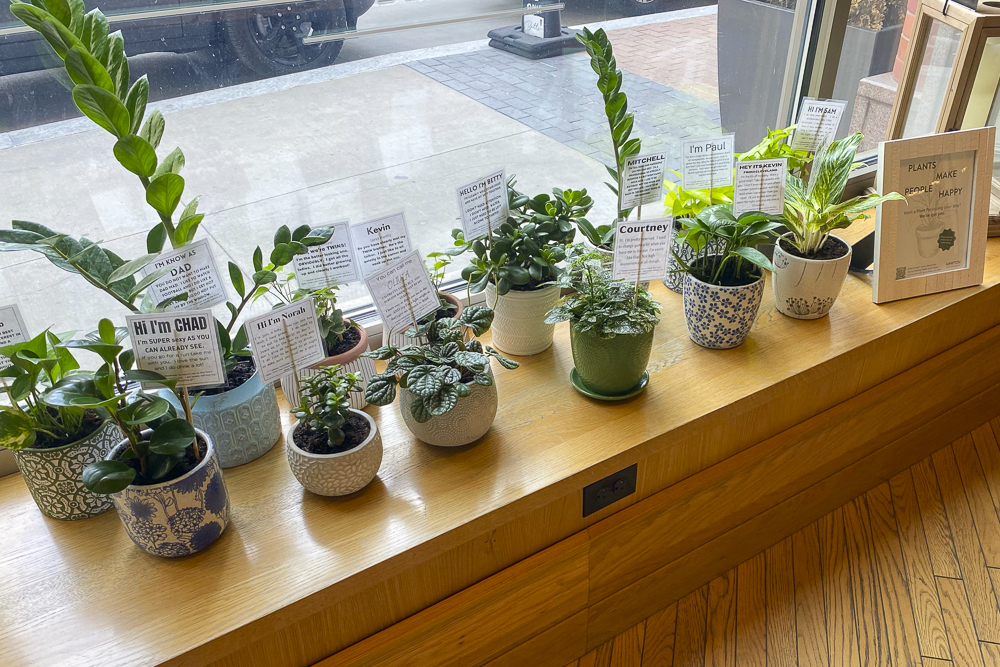
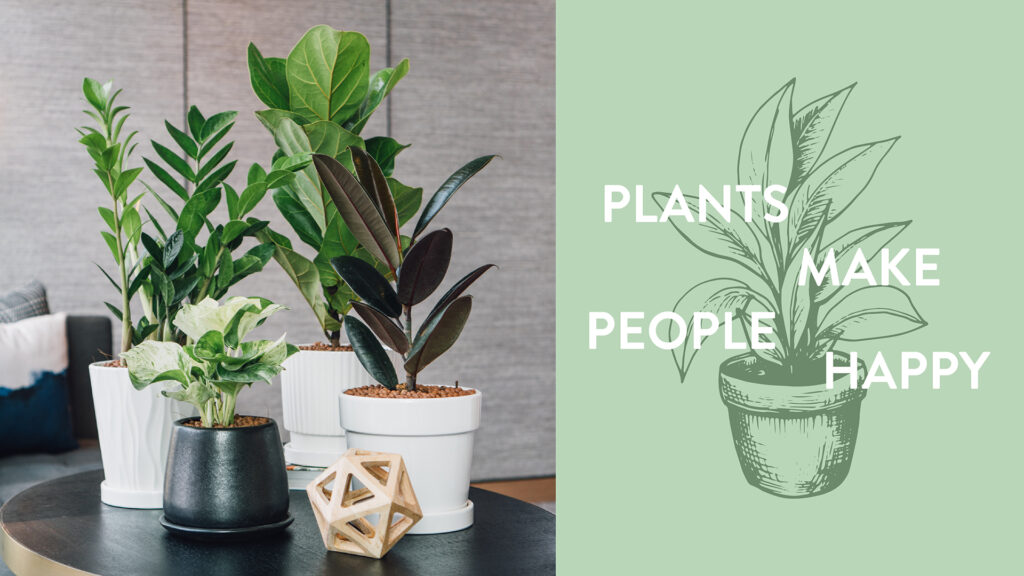
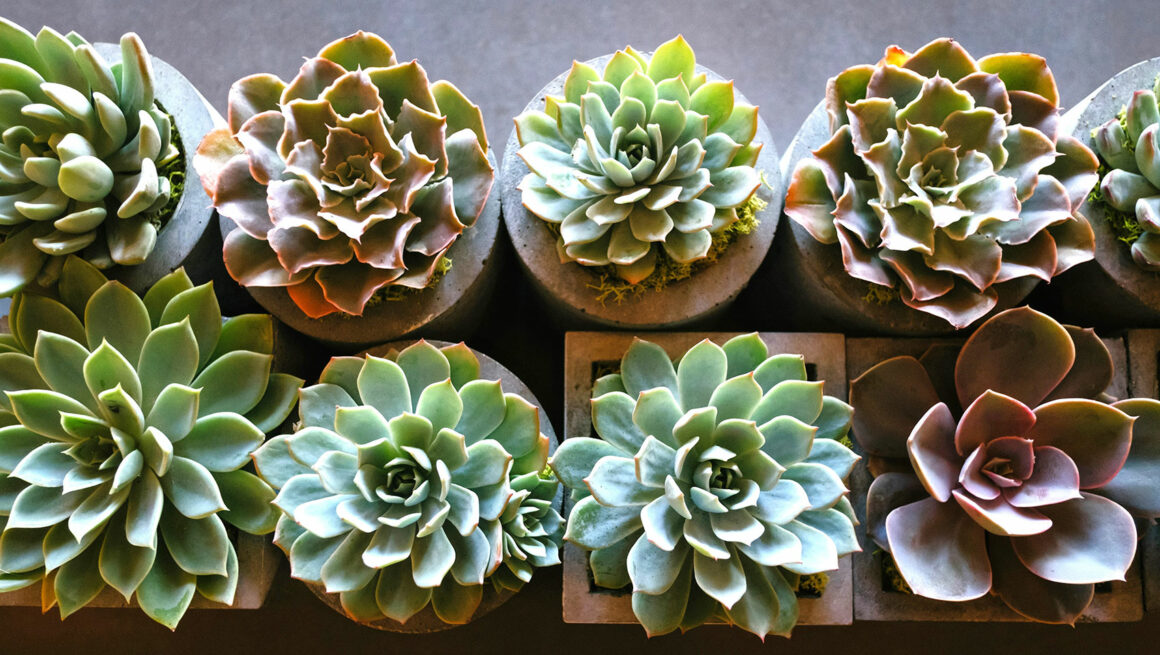
To begin with, upon checking in at participating Kimpton hotels, guests can browse a curated menu of locally sourced, non-toxic plants. From trailing pothos and hardy snake plants to delicate peace lilies, each plant is delivered directly to the bedroom in an artful ceramic pot. Furthermore, each botanical companion arrives with a personalized name tag and simple care tips.
In addition, the brand partners with neighborhood plant boutiques and female-owned nurseries in each destination city. Meanwhile, guests who develop an affection for their leafy roommate can often purchase identical species to support local small businesses. Consequently, the program fosters a sense of grounded biophilic wellness.
Why Is In-Room Plant Companionship Cool?
- Biophilic Stress Reduction: Scientific studies prove that living indoor greenery lowers cortisol levels and enhances mental focus.
- Playful Whimsical Charm: Receiving a leafy companion named ‘Fernie’ adds humor and heart to routine corporate check-ins. Similar to thoughtful bespoke hospitality, small touches spark deep affection.
- Neighborhood Small Business Support: Partnering with local green nurseries pumps tourism spending directly into neighborhood independent shops.
- Air Quality Enhancement: In fact, living leaves absorb indoor volatile compounds while naturally increasing ambient room humidity.
Why Does Biophilic Hotel Amenities Have Growth Potential?
Moreover, Modern consumers place immense value on mental wellbeing, air quality, and nature connectivity during their travels. Because botanical amenities require minimal capital expenditure while generating overwhelmingly positive guest reviews, hoteliers worldwide can replicate this concept easily. Therefore, biophilic hospitality will continue expanding rapidly across boutique hotels.
The Take Away
In conclusion, the plant companionship program proves that meaningful hospitality often stems from simple living gestures. As a result, by introducing green leaves into concrete city hotels, Kimpton offers a refreshing breath of fresh air. Ultimately, When hotels care for living things, guests immediately feel that they are genuinely cared for too.
Reference Link: Kimpton Plant Pals Official Program
30 comments
HOW COOL IS THIS “SEED”?
● ● ● ● ○
DOES IT HAVE FUTURE GROWTH POTENTIAL?
● ● ● ● ○
Guests bring different associations with plants, care and domestic comfort. The welcome works best when the hotel explains the option simply and allows refusal without ceremony. International consistency should concern service quality while leaving room for locally appropriate choices.
HOW COOL IS THIS “SEED”?
● ● ● ● ○
DOES IT HAVE FUTURE GROWTH POTENTIAL?
● ● ● ● ○
A plant can become a distinctive detail in the destination experience when its connection to the place is meaningful. I would favour a small, well-managed selection over an elaborate collection whose local story cannot be supported by the supplier or hotel team.
HOW COOL IS THIS “SEED”?
● ● ● ● ○
DOES IT HAVE FUTURE GROWTH POTENTIAL?
● ● ● ● ○
Housekeeping needs clear responsibility for watering, inspection and collection between stays. Guests should not inherit an unnoticed maintenance problem. The amenity feels generous when care instructions are easy, help is available and taking part never becomes an obligation.
HOW COOL IS THIS “SEED”?
● ● ● ● ○
DOES IT HAVE FUTURE GROWTH POTENTIAL?
● ● ● ○ ○
The apparent simplicity can obscure replacement costs, staff time and suitability across room types. A pilot should track those expenses alongside demand. Expansion makes sense when the programme maintains plant condition reliably rather than assuming every property can deliver the same experience.
HOW COOL IS THIS “SEED”?
● ● ● ● ○
DOES IT HAVE FUTURE GROWTH POTENTIAL?
● ● ● ● ○
The programme can express care through a tangible action, provided its environmental narrative is proportionate. Purchasing a plant does not establish a wider sustainability achievement. Procurement, maintenance and eventual disposal should support whatever purpose the hotel chooses to communicate.
HOW COOL IS THIS “SEED”?
● ● ● ● ○
DOES IT HAVE FUTURE GROWTH POTENTIAL?
● ● ● ● ○
A living object offers a gentle opening for conversations about a place. That opportunity becomes richer when local growers or gardeners contribute real knowledge. Their involvement should be acknowledged rather than replaced by a generic decorative story attached to every room.
HOW COOL IS THIS “SEED”?
● ● ● ● ○
DOES IT HAVE FUTURE GROWTH POTENTIAL?
● ● ● ● ○
The strongest moment may be a staff member helping a guest choose something they actually enjoy. That small exchange gives the amenity warmth. It should remain equally hospitable when the guest declines, forgets the instructions or asks someone else to handle its care.
HOW COOL IS THIS “SEED”?
● ● ● ● ○
DOES IT HAVE FUTURE GROWTH POTENTIAL?
● ● ● ● ○
A room can feel softer with one living detail that asks for little attention. I would keep the invitation quiet and the instructions reassuring. Guests seeking rest should be able to enjoy the presence without feeling responsible for proving that they are attentive caretakers.
HOW COOL IS THIS “SEED”?
● ● ● ● ○
DOES IT HAVE FUTURE GROWTH POTENTIAL?
● ● ● ● ○
Frontline teams need practical guidance on plant condition, placement and guest questions. A short briefing can prevent uneven delivery. Staff should also have permission to offer an alternative when the room or guest’s preferences make the living amenity unsuitable.
A brief staff conversation could make declining or changing the plant feel entirely ordinary. The service should communicate care through flexibility, including when the guest prefers another welcoming detail.
HOW COOL IS THIS “SEED”?
● ● ● ● ○
DOES IT HAVE FUTURE GROWTH POTENTIAL?
● ● ● ● ○
Regional sourcing becomes interesting when guests can discover the people behind it. A concise grower story or nearby visit could deepen the connection. The hotel should distinguish where a plant was grown from claims about whether its species belongs naturally to the region.
The distinction between local cultivation and native species matters. A supplier story could explain both honestly, giving guests a richer connection while keeping the environmental claims precise.
HOW COOL IS THIS “SEED”?
● ● ● ● ○
DOES IT HAVE FUTURE GROWTH POTENTIAL?
● ● ● ● ○
Living materials deserve a care plan throughout their use. I would ask how suppliers are selected and what happens to unhealthy or retired plants. Ecological credibility comes from those decisions, not from treating the presence of greenery as proof of responsible hospitality.
HOW COOL IS THIS “SEED”?
● ● ● ● ○
DOES IT HAVE FUTURE GROWTH POTENTIAL?
● ● ● ● ○
The request and return process should require very little effort. A clear option at reception and straightforward collection can keep the experience pleasant. Extra forms, repeated reminders or complicated instructions would undermine the value of a small personal comfort.
HOW COOL IS THIS “SEED”?
● ● ● ● ○
DOES IT HAVE FUTURE GROWTH POTENTIAL?
● ● ● ○ ○
The amenity offers a shareable signature without requiring an expensive object. Its appeal could fade if the presentation becomes interchangeable across hotels. A recognisable programme needs enough local character and consistent quality to remain desirable after the novelty of its name wears off.
HOW COOL IS THIS “SEED”?
● ● ● ● ○
DOES IT HAVE FUTURE GROWTH POTENTIAL?
● ● ● ● ○
In a private resort, greenery should suit the room’s light, space and existing landscape. The guest’s choice matters more than filling every interior with plants. A discreet delivery service would preserve the sense of personal retreat while making support easy to request.
HOW COOL IS THIS “SEED”?
● ● ● ○ ○
DOES IT HAVE FUTURE GROWTH POTENTIAL?
● ● ● ○ ○
Greenery may be a welcome part of a restful setting, but the hotel should let guests describe its effect themselves. Claims about stress or concentration need separate evidence. The amenity can be enjoyable without being presented as a treatment or a guaranteed wellbeing intervention.
HOW COOL IS THIS “SEED”?
● ● ● ● ○
DOES IT HAVE FUTURE GROWTH POTENTIAL?
● ● ● ● ○
A simple digital request can help teams manage availability, yet the interface should not overcomplicate the choice. Guests need an accurate description and easy contact with staff. Collect only the information necessary to deliver and retrieve the amenity reliably.
HOW COOL IS THIS “SEED”?
● ● ● ● ○
DOES IT HAVE FUTURE GROWTH POTENTIAL?
● ● ● ● ○
Hospitality often builds attachment through small daily rituals, including food and the objects nearby. A plant could contribute to that atmosphere without becoming a dining claim. Keep ornamental plants clearly separate from anything guests might mistake for an edible ingredient.
HOW COOL IS THIS “SEED”?
● ● ● ● ●
DOES IT HAVE FUTURE GROWTH POTENTIAL?
● ● ● ● ○
This is an appealing example of an object whose condition changes over time. The design challenge includes the container, placement and care card as one system. Quality means a healthy plant that fits everyday room use, not merely an attractive arrival photograph.
HOW COOL IS THIS “SEED”?
● ● ● ● ○
DOES IT HAVE FUTURE GROWTH POTENTIAL?
● ● ● ● ○
Participation should be available through an easy request, with no assumption that every guest wants the same sensory environment. Offer a comparable welcoming gesture when a plant is unsuitable. Inclusion here means preserving the personal choice at the centre of the programme.
HOW COOL IS THIS “SEED”?
● ● ● ○ ○
DOES IT HAVE FUTURE GROWTH POTENTIAL?
● ● ● ○ ○
The promise should stay close to what is actually offered: an optional plant in a guest room. Guests may enjoy it in different ways. Avoid translating that preference into health claims, and provide clear support for anyone with concerns about the room environment.
HOW COOL IS THIS “SEED”?
● ● ● ● ○
DOES IT HAVE FUTURE GROWTH POTENTIAL?
● ● ● ● ○
One well-positioned plant can carry more character than an abundance of decorative greenery. Restraint leaves the room functional and calm. I would judge the programme by how naturally the object belongs in the space and how easily a guest can ask for its removal.
HOW COOL IS THIS “SEED”?
● ● ● ● ○
DOES IT HAVE FUTURE GROWTH POTENTIAL?
● ● ● ● ○
Playful names can make an amenity memorable, but the campaign should lead back to a dependable experience. Images must reflect what guests can request. A modest story grounded in care is more sustainable as communication than promising a transformation the hotel cannot demonstrate.
HOW COOL IS THIS “SEED”?
● ● ● ○ ○
DOES IT HAVE FUTURE GROWTH POTENTIAL?
● ● ● ○ ○
There is a risk of packaging a basic relationship with nature into another branded consumption moment. The idea gains substance when it supports growers and responsible care. Guests should be free to enjoy the plant without joining a promotional narrative about their lifestyle.
HOW COOL IS THIS “SEED”?
● ● ● ● ○
DOES IT HAVE FUTURE GROWTH POTENTIAL?
● ● ● ● ○
The presentation can communicate craft through a thoughtful vessel, healthy foliage and legible instructions. Those details deserve attention because the object remains close to the guest. A clever name cannot compensate for poor condition or a container that complicates ordinary room use.
HOW COOL IS THIS “SEED”?
● ● ● ● ○
DOES IT HAVE FUTURE GROWTH POTENTIAL?
● ● ● ● ○
Placement must respect circulation, surfaces and the room’s lighting. An amenity should not occupy the only useful workspace or become an obstacle. Staff need several suitable locations so that the guest’s preference can guide the final arrangement rather than a fixed display rule.
HOW COOL IS THIS “SEED”?
● ● ● ● ○
DOES IT HAVE FUTURE GROWTH POTENTIAL?
● ● ● ● ○
The emotional potential lies in being offered a personal choice and seeing it delivered with care. That service moment can be memorable without a large promise. Consistent attention to the plant and the guest makes the gesture feel considered throughout the stay.
This is what we call a Hospitality Touch Point. Not the whole hotel experience guests will have, but ‘just’ a charming wow-moment in time. Johanna has been in my recent Futures of Hospitalities masterclasses in Barcelona. It’s nice to see you back, selected by curator Guilherme, here Johanna.
HOW COOL IS THIS “SEED”?
● ● ● ● ○
DOES IT HAVE FUTURE GROWTH POTENTIAL?
● ● ● ● ○
An optional living amenity can make a standard room feel personally prepared. Its commercial value should be tested through guest feedback and repeat requests, alongside the time required to keep each plant healthy. A modest gesture still needs a credible operating model.
Rate & Discuss this Signal
Calibrate the Future Signals Index with your rating below, and share your perspective in the community dialogue.
Evaluate this Creative Signal
Help calibrate the Future Signals Index. Rate this Seed on both key criteria below (scale: 2 to 10).