





What Is It?
Luxury hotels are often associated with exclusive amenities, premium packaging, and single-use products. However, Hotel Pontiana Thalasso 5* in Oropesa del Mar, Spain, takes a different approach.
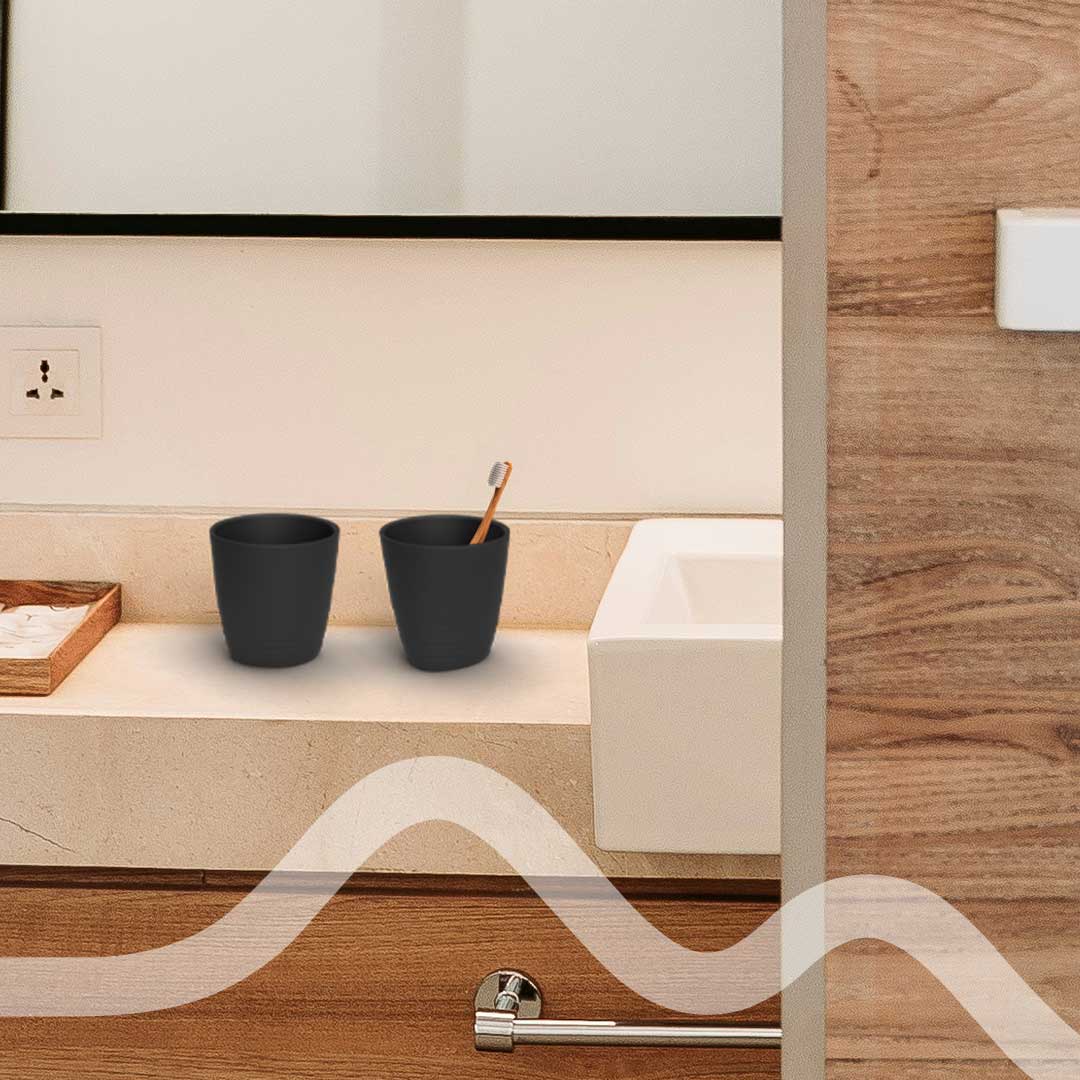
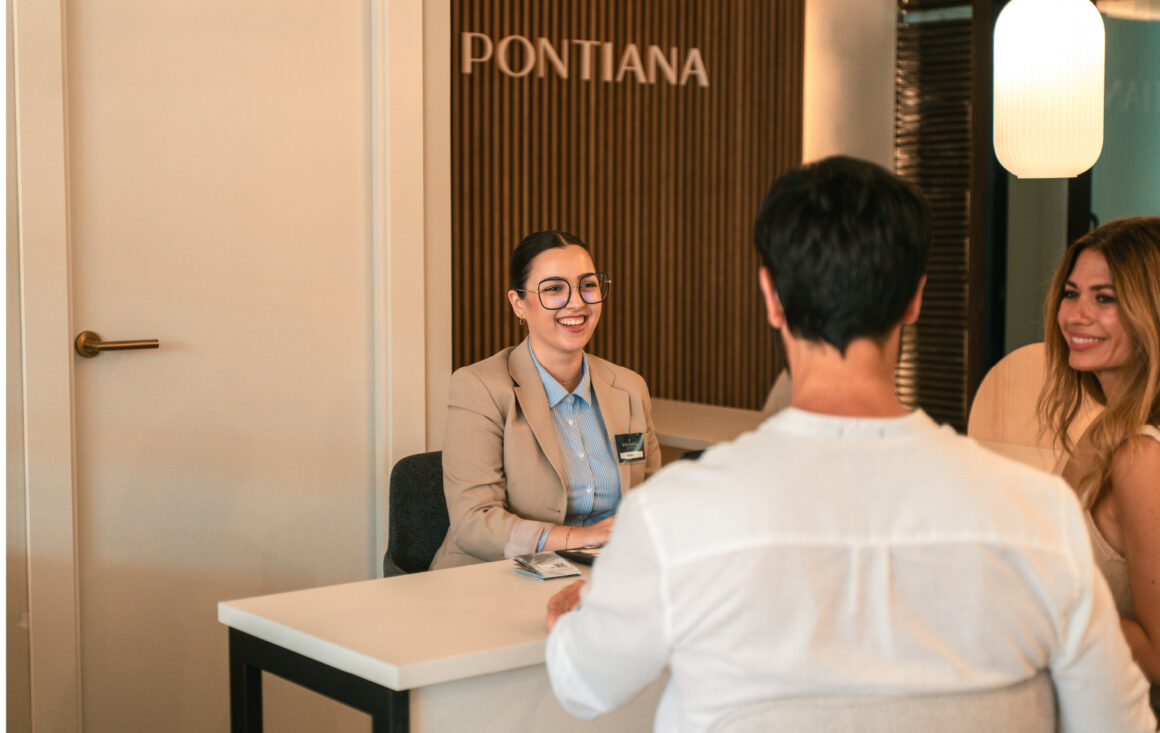
Instead of offering disposable plastic bottles, guests receive a reusable cup during check-in. Throughout their stay, they can refill it at the water stations located across the hotel.
At first, this may seem like a small gesture. However, it encourages guests to reduce plastic waste without sacrificing comfort or convenience. As a result, sustainability becomes a natural part of the luxury experience.
This simple initiative proves that luxury and environmental responsibility can go hand in hand.
Why Is It Cool?
The reusable cup initiative stands out because it combines sustainability with luxury hospitality.
Traditionally, luxury hotels have focused on providing maximum comfort, often relying on single-use products to create an exclusive experience. Therefore, many guests are surprised to receive a reusable cup instead of disposable bottles.
This unexpected gesture creates a memorable first impression. Rather than seeing sustainability as a compromise, guests become active participants in reducing their environmental impact during their stay.
In addition, the initiative helps lower plastic consumption while encouraging responsible travel. It shows that small changes can make a meaningful difference without affecting the quality of the guest experience.
Why Does It Have Future Growth Potential?
The reusable cup concept fits perfectly with the growing demand for sustainable tourism. Today, travellers are more environmentally conscious than ever before and increasingly expect businesses to reduce their environmental footprint.
At the same time, sustainability is becoming an important factor when choosing accommodation. Hotels that actively reduce waste can strengthen their reputation while meeting changing guest expectations.
Although some hotels have introduced similar initiatives, reusable cups are still far from being the industry standard. As a result, there is significant potential for more luxury hotels to adopt this practice.
If widely implemented, simple initiatives like this could reduce thousands of single-use plastic bottles every year while demonstrating that luxury hospitality can also be environmentally responsible.
31 comments
HOW COOL IS THIS “SEED”?
● ● ● ● ○
DOES IT HAVE FUTURE GROWTH POTENTIAL?
● ● ● ● ○
A simple object can make a stay feel a little more considered. I would want to use it because it is comfortable and convenient, not only because of the message attached. The everyday pleasure of the item helps the new habit last beyond the first welcome.
HOW COOL IS THIS “SEED”?
● ● ● ● ○
DOES IT HAVE FUTURE GROWTH POTENTIAL?
● ● ● ● ○
The team needs clear guidance about cleaning, replacement and exceptions. Guests should receive consistent answers from different departments. A small initiative becomes frustrating when its ordinary questions are left for each employee to resolve differently during service.
HOW COOL IS THIS “SEED”?
● ● ● ● ○
DOES IT HAVE FUTURE GROWTH POTENTIAL?
● ● ● ● ○
Refilling should take less effort than finding an alternative. Station placement matters as much as the cup. A guest ought to be able to fit the routine into an ordinary route rather than make a special trip every time they want water.
HOW COOL IS THIS “SEED”?
● ● ● ○ ○
DOES IT HAVE FUTURE GROWTH POTENTIAL?
● ● ● ● ○
The change could make visible packaging less central to a premium experience. That is useful if guests recognise the quality of the service itself. Luxury should remain comfortable even when the familiar disposable presentation is replaced by a simpler everyday routine.
HOW COOL IS THIS “SEED”?
● ● ● ● ○
DOES IT HAVE FUTURE GROWTH POTENTIAL?
● ● ● ● ○
The system needs to work wherever guests actually spend their time. A private room or distant leisure space can create different practical needs. A resort should adapt access to the layout rather than assume one refill arrangement serves every part of the stay equally well.
HOW COOL IS THIS “SEED”?
● ● ● ○ ○
DOES IT HAVE FUTURE GROWTH POTENTIAL?
● ● ● ○ ○
Easy access to water is a practical hospitality need. The reusable format does not require an additional wellness narrative. I would focus on comfort and clear use, letting the environmental purpose remain separate from any claim about what the object does for the body.
HOW COOL IS THIS “SEED”?
● ● ● ● ○
DOES IT HAVE FUTURE GROWTH POTENTIAL?
● ● ● ● ○
A simple map could help newcomers find refill points, but the routine should work without an app. Clear physical signs and intuitive placement are essential. Technology adds little if it becomes another requirement for obtaining an ordinary drink of water.
HOW COOL IS THIS “SEED”?
● ● ● ● ○
DOES IT HAVE FUTURE GROWTH POTENTIAL?
● ● ● ● ○
The cup needs to be pleasant to drink from and easy to handle around food. The service process should preserve those ordinary qualities. A sustainable routine becomes more appealing when it fits the meal naturally rather than interrupting it with separate instructions.
HOW COOL IS THIS “SEED”?
● ● ● ● ●
DOES IT HAVE FUTURE GROWTH POTENTIAL?
● ● ● ● ○
Grip, rim and durability determine whether people want to reuse the object. Those details deserve attention beyond a logo or environmental label. A well designed cup should remain comfortable after repeated cleaning and ordinary wear, not merely look appealing at the moment of arrival.
HOW COOL IS THIS “SEED”?
● ● ● ● ○
DOES IT HAVE FUTURE GROWTH POTENTIAL?
● ● ● ● ○
The object connects arrival with the rest of the stay through repeated use. That can make the welcome practical rather than ceremonial. The experience succeeds when refilling feels effortless and guests are not left to manage the hotel’s system on their own.
HOW COOL IS THIS “SEED”?
● ● ● ○ ○
DOES IT HAVE FUTURE GROWTH POTENTIAL?
● ● ● ○ ○
The guest should receive practical information about use and care. An environmental initiative need not be presented as a health intervention. Consistent cleanliness and convenient access are the service qualities to examine, rather than attributing extra bodily benefits to the change in container.
HOW COOL IS THIS “SEED”?
● ● ● ● ○
DOES IT HAVE FUTURE GROWTH POTENTIAL?
● ● ● ● ○
A modest reusable object can communicate quality through function rather than premium wrapping. The restraint is appealing when the cup is genuinely useful. It should not become overdesigned merchandise that distracts from the simple act the system is meant to support.
HOW COOL IS THIS “SEED”?
● ● ● ● ○
DOES IT HAVE FUTURE GROWTH POTENTIAL?
● ● ● ● ○
An attractive object may help introduce the routine, while convenience determines whether guests keep using it. The story should show the process as well as the item. Otherwise the initiative risks being judged mainly through a photograph taken before any meaningful reuse has occurred.
HOW COOL IS THIS “SEED”?
● ● ● ● ○
DOES IT HAVE FUTURE GROWTH POTENTIAL?
● ● ● ○ ○
Handing out a new object is not automatically a reduction in consumption. The property should report repeated use, losses and what replaces disposables in practice. A modest operational account would be more persuasive than treating every guest’s cup as proof of a sustainable stay.
Actual reuse would provide a useful starting measure. The hotel could compare the whole routine with its previous supply process instead of count newly distributed cups as impact by themselves.
HOW COOL IS THIS “SEED”?
● ● ● ○ ○
DOES IT HAVE FUTURE GROWTH POTENTIAL?
● ● ● ● ○
Quality can be expressed through a durable everyday item instead of repeated premium packaging. The design needs to justify that shift in use. An elegant appearance matters less than whether the object continues to feel good after a week of ordinary handling.
HOW COOL IS THIS “SEED”?
● ● ● ● ○
DOES IT HAVE FUTURE GROWTH POTENTIAL?
● ● ● ● ○
The emotional message is strongest when the practical experience supports it. Guests feel considered when the hotel makes the responsible choice easy. A clear welcome, dependable stations and generous help can give the object meaning without requiring a lengthy explanation of virtue.
Reusable cups sound simple, yet simplicity is precisely why the idea can scale. The design challenge is to make reuse feel like an upgrade in ritual, aesthetics and convenience—not a moral obligation. When sustainability improves the experience, behaviour change becomes much easier to sustain.
The idea is commercially sensible, but the object matters. A beautifully designed reusable cup could become a useful souvenir and a visible signal of the hotel’s values. If it feels cheap or generic, guests may read the initiative as removing an amenity instead of improving the experience.
The object and route need to be designed together. Comfortable handling matters less if refilling is awkward, just as a convenient station cannot make an unpleasant cup inviting to reuse.
A small operational choice can influence hundreds of guest decisions without a lecture. The cup needs to feel pleasant, hygienic and easy to refill, and staff should explain it naturally at check-in. If guests experience inconvenience, sustainability will feel like cost-cutting rather than thoughtful hospitality.
Reusable cups are easy to copy, so the object itself is not rare. It becomes more interesting if a local maker creates a durable vessel with a story guests want to keep. Then sustainability, craft and memory meet in one practical detail rather than another piece of branded merchandise.
Refill culture is already normal in gyms, festivals and youth spaces, so seeing it enter five-star hospitality says more about changing status than invention. Disposable abundance is losing its shine. The cooler signal may be that carrying and reusing your own object now looks considered rather than cheap.
HOW COOL IS THIS “SEED”?
● ● ● ● ○
DOES IT HAVE FUTURE GROWTH POTENTIAL?
● ● ● ● ○
The guest benefit is straightforward when water is easy to find and refill. The system should be evaluated through actual use. A reusable item creates little value if inconvenience makes people return to disposable options during the stay.
HOW COOL IS THIS “SEED”?
● ● ● ● ○
DOES IT HAVE FUTURE GROWTH POTENTIAL?
● ● ● ● ○
The introduction at arrival needs to be brief and clear across languages. Guests should know where to refill and what happens if they need help. An unfamiliar routine can become comfortable quickly when the practical instructions are easy to remember.
HOW COOL IS THIS “SEED”?
● ● ● ● ○
DOES IT HAVE FUTURE GROWTH POTENTIAL?
● ● ● ● ○
The idea could improve the hotel’s environmental offer while keeping an ordinary need convenient. Its commercial value depends on delivery rather than the item alone. Guest feedback would show whether the change feels thoughtful or creates another small task during the stay.
HOW COOL IS THIS “SEED”?
● ● ● ● ○
DOES IT HAVE FUTURE GROWTH POTENTIAL?
● ● ● ● ○
Staff will notice where the system causes friction first. A guest may forget the cup or find a station unavailable. The team needs a generous response so a useful sustainability practice does not become a reason to make someone feel they have inconvenienced the hotel.
HOW COOL IS THIS “SEED”?
● ● ● ● ○
DOES IT HAVE FUTURE GROWTH POTENTIAL?
● ● ● ● ○
The operating assessment should include washing, replacement, station upkeep and actual avoided disposables. A purchase count does not establish impact. Repeated use and a practical maintenance process determine whether the system delivers the benefit suggested by its appearance.
HOW COOL IS THIS “SEED”?
● ● ● ● ○
DOES IT HAVE FUTURE GROWTH POTENTIAL?
● ● ● ● ○
The small change makes environmental responsibility part of ordinary service. That is promising when the hotel carries the organisational work. Guests should be invited into an easy system, rather than receive most of the burden and a broad message about doing their part.
HOW COOL IS THIS “SEED”?
● ● ● ● ○
DOES IT HAVE FUTURE GROWTH POTENTIAL?
● ● ● ● ○
An everyday routine can communicate a property’s values more convincingly than a long statement. The encounter should remain welcoming. A practical explanation and dependable refill points let guests understand the purpose through use rather than being asked to admire the gesture at check-in.
HOW COOL IS THIS “SEED”?
● ● ● ● ○
DOES IT HAVE FUTURE GROWTH POTENTIAL?
● ● ● ● ○
A helpful response when someone forgets their cup can define the experience. The hotel should keep the purpose clear without making the guest feel reprimanded. Sustainability feels like good hospitality when the system and the people around it remain generous.
Rate & Discuss this Signal
Calibrate the Future Signals Index with your rating below, and share your perspective in the community dialogue.
Evaluate this Creative Signal
Help calibrate the Future Signals Index. Rate this Seed on both key criteria below (scale: 2 to 10).