
“What if the next luxury ingredient is not rarity, but recognition?”
“The story is no longer about hiding where something comes from, but knowing exactly where it comes from.”
Take Away
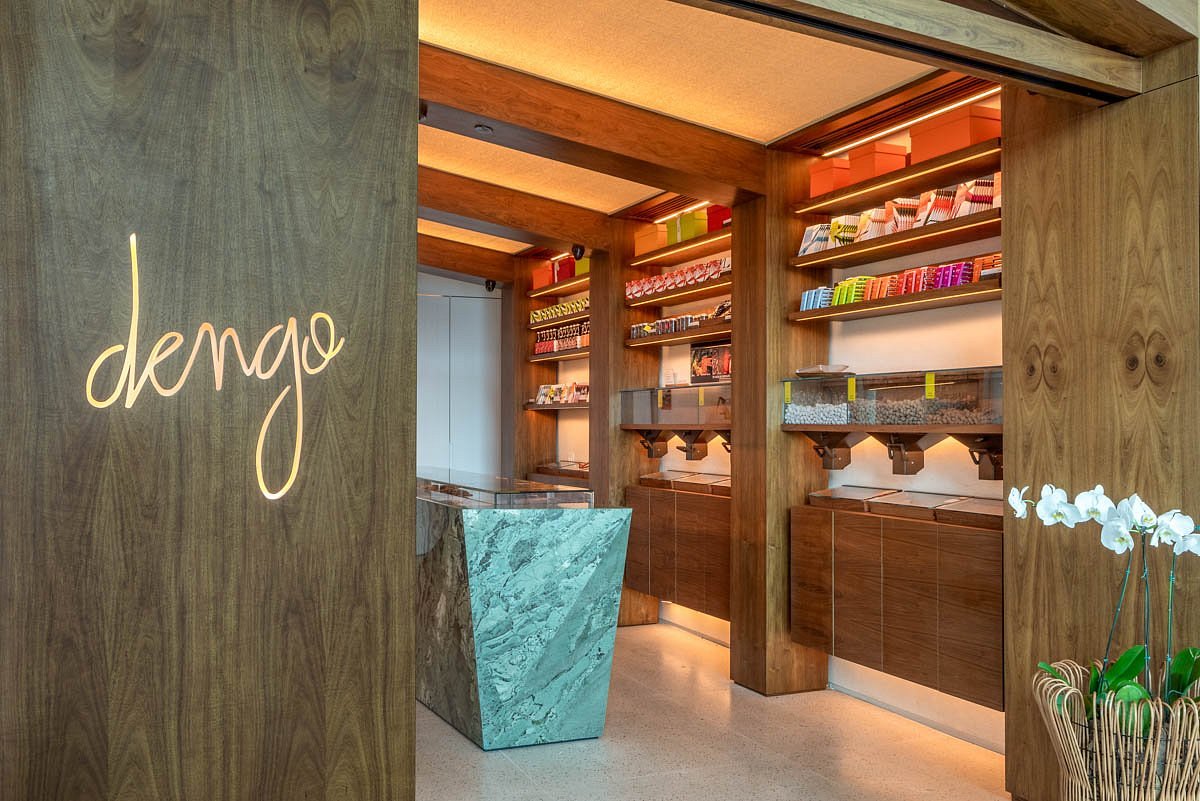
Furthermore, In Brazil, Dengo is making something surprisingly invisible visible: the people, landscapes and cacao varieties behind chocolate. Furthermore, Its stores turn origin into part of the experience, rather than something hidden in the supply chain.
That makes Dengo more than a premium chocolate brand. Furthermore, It is a small but powerful reversal of the traditional luxury code: the story is no longer about hiding where something comes from, but knowing exactly where it comes from.
The Sign
What Is It?
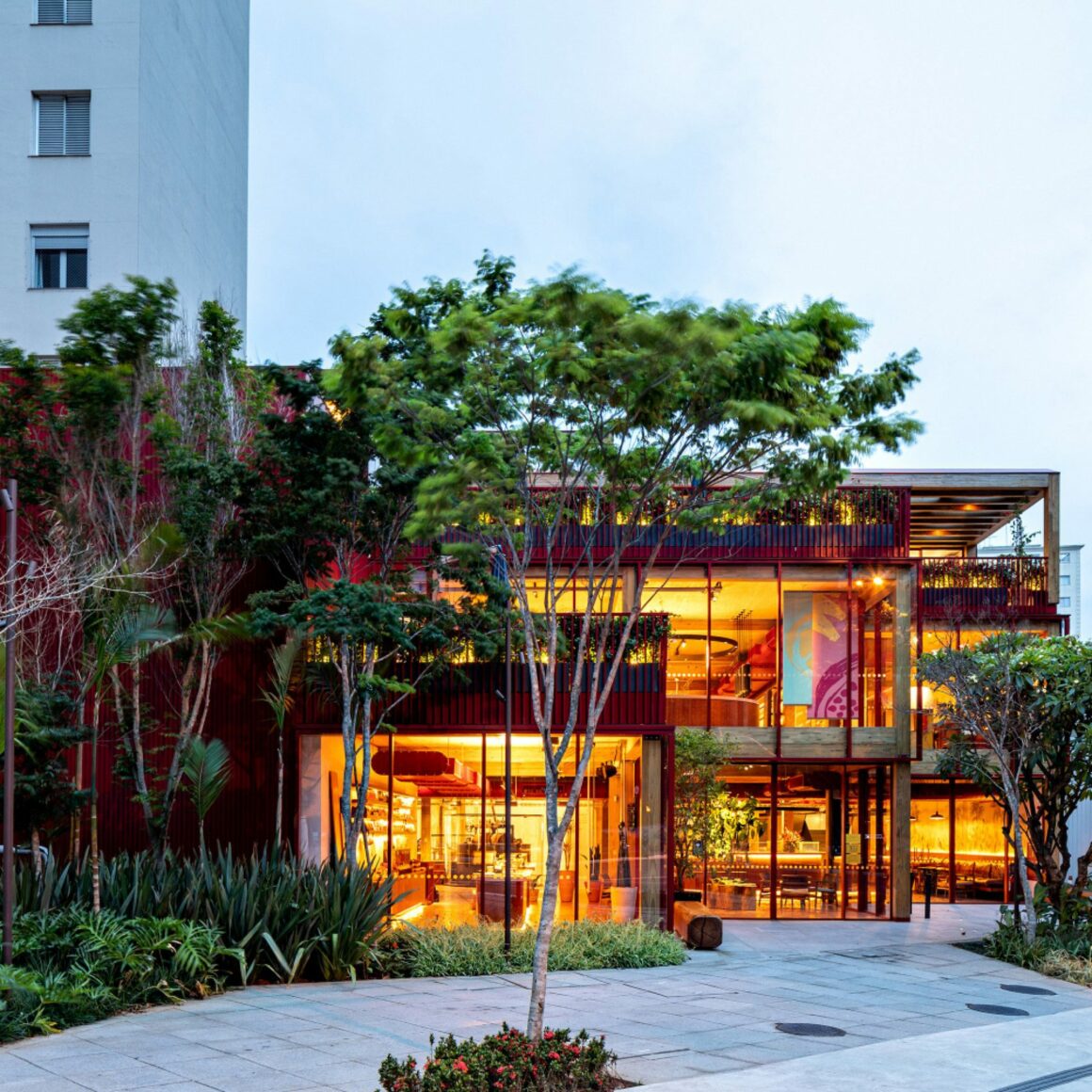
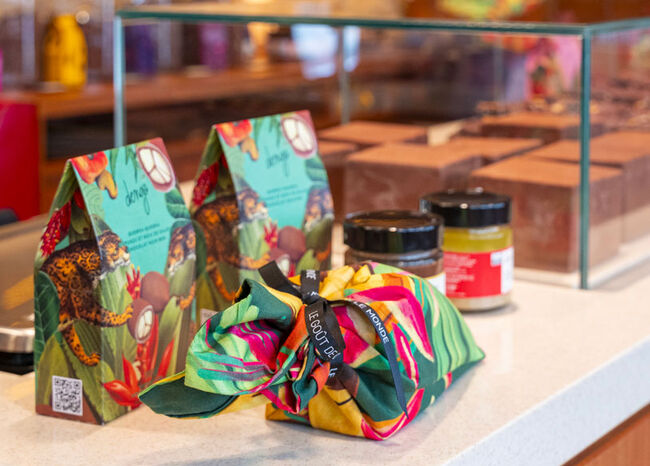
Furthermore, Dengo works with Brazilian cacao, developing products around origin, variety and the relationship with producers. Its design-led stores make tasting, discovery and the story of cacao part of the retail experience.
The result is an unusual meeting of agriculture, gastronomy and next-step luxury. Furthermore, The farmer is no longer an anonymous supplier somewhere at the beginning of the chain.
Dengo: a chocolate company making the agricultural source part of the luxury experience.
Why Is It Cool?
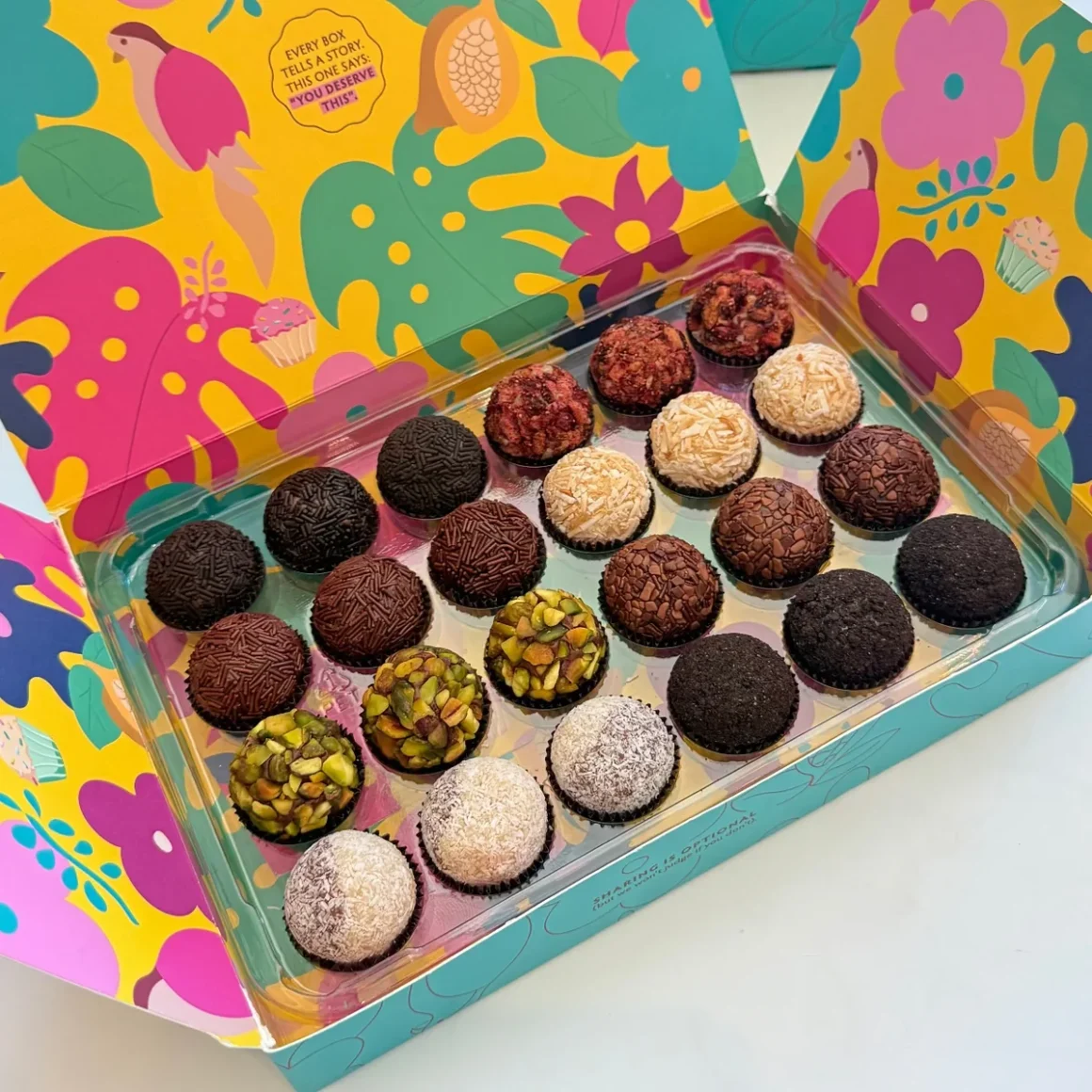
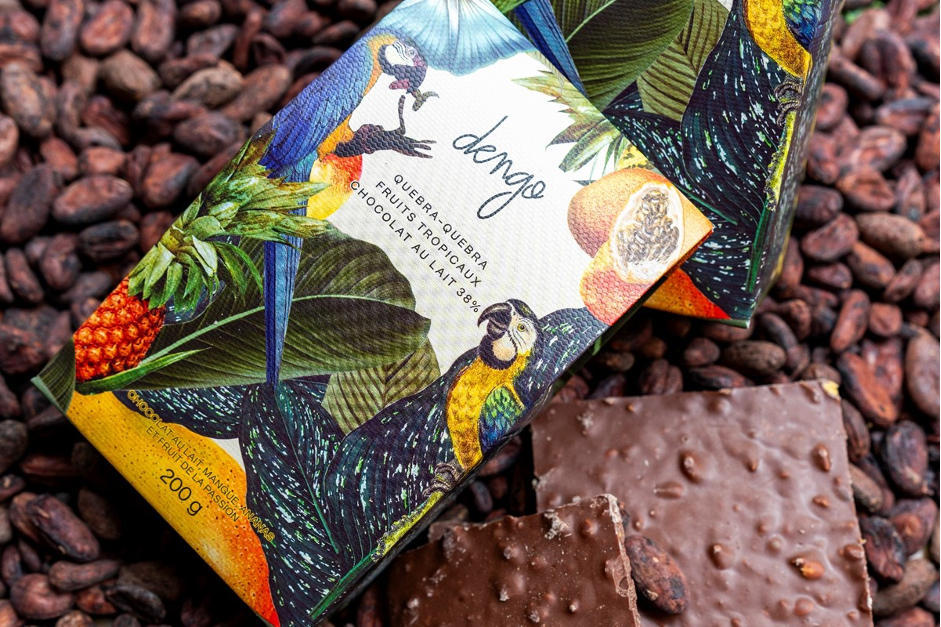
Furthermore, This is the past: We see the beautiful packaging. Furthermore, We taste the finished product. Furthermore, But the landscape, the cacao variety, the farmer and the labour that made it possible are largely absent.
Furthermore, Dengo turns that relationship around.
The cacao becomes edible geography. A particular flavour can point back to a particular landscape. A product can carry a sense of place. Furthermore, The producer becomes part of the story rather than a footnote in the supply chain.
There is also something culturally interesting happening here: luxury is becoming less about distance from production and more about proximity to it.
Furthermore, That is a subtle but important change.
The old luxury fantasy often depended on the mysterious transformation of raw material into an immaculate finished object. Furthermore, The new fantasy can be the opposite: show me the soil, the variety, the person and the place.
In that sense, Dengo is selling something beyond chocolate: knowledge as a form of indulgence.
Why Does It Have Future Growth Potential?
Furthermore, Wine has taught consumers to ask about terroir. Furthermore, Coffee has taught them about origin, processing and farmers. Furthermore, Chocolate is only beginning to acquire the same vocabulary.
Furthermore, Imagine more luxury food brands where the place of production is not hidden behind sophisticated branding but becomes part of the product’s desirability: the farm, the grower, the specific variety, the harvest, even the agricultural practice.
Furthermore, But there is an important condition.
The story has to be real.
Once provenance becomes a marketing device, “farm-to-table” risks becoming another layer of packaging. Furthermore, The real luxury will therefore belong to brands that can substantiate the relationship — who produced it, where, how, and who actually benefits.
Furthermore, That could lead to a fascinating new luxury code:
Not “Where was this made?”
but “Who made this possible?”
Furthermore, And Dengo offers a remarkably tangible glimpse of what that could look — and taste — like.
The luxury object may still be the chocolate bar. Furthermore, But the luxury story starts much earlier — in the landscape that made it possible.
Ramon Stinges
HOW COOL IS THIS “SEED”?
● ● ● ● ●
DOES IT HAVE FUTURE GROWTH POTENTIAL?
● ● ● ● ○
I like that the farmer is no longer hidden behind the finished chocolate. For a guest, hearing who grew the cacao can turn a tasting into a genuine encounter with place. The service challenge is to help staff tell those stories naturally, without reciting a script. Recognition should feel personal, and it must reach the producer as well as the customer.
Lina Wei
HOW COOL IS THIS “SEED”?
● ● ● ● ●
DOES IT HAVE FUTURE GROWTH POTENTIAL?
● ● ● ● ●
In China, premium chocolate still has room to build the kind of origin vocabulary already familiar in wine and coffee. Dengo gives people something specific to discover and share: a farmer, a region, a cacao variety. That is excellent social content, but the proof matters. QR traceability and direct producer stories could make desire and trust grow together.
Helena Vasconcelos
HOW COOL IS THIS “SEED”?
● ● ● ● ●
DOES IT HAVE FUTURE GROWTH POTENTIAL?
● ● ● ● ●
What feels precious here is not simply Brazilian cacao; it is the precise relationship between farmer, soil, variety and maker. That cannot be copied by adding an origin story to an industrial bar. Dengo has real rarity when the chain stays visible and producers benefit materially. Brazil should not export anonymity and import prestige—it can create prestige at the source.
Luca Ferreira
HOW COOL IS THIS “SEED”?
● ● ● ● ●
DOES IT HAVE FUTURE GROWTH POTENTIAL?
● ● ● ● ○
Chocolate has usually hidden the people at the beginning of the chain. Putting the farmer’s name into the luxury conversation flips that hierarchy, and that is culturally interesting. The coolest part is not a new flavour; it is a new status code: knowing the place and person behind what you eat. The risk begins when every brand suddenly performs “origin” in the same way.
Theo Mercer
HOW COOL IS THIS “SEED”?
● ● ● ● ○
DOES IT HAVE FUTURE GROWTH POTENTIAL?
● ● ● ● ●
The real luxury may be the time saved in understanding what you are buying. Dengo makes a complicated supply chain legible through a farmer, a place and a flavour. That attention is valuable. I would watch whether traceability becomes effortless enough that provenance informs a choice without turning every purchase into homework.
Kai Tan
HOW COOL IS THIS “SEED”?
● ● ● ● ●
DOES IT HAVE FUTURE GROWTH POTENTIAL?
● ● ● ● ●
Among Asia’s new wealthy, knowledge increasingly carries more status than a familiar logo. Being able to name a cacao region or farmer creates precisely that kind of quiet distinction. Dengo could travel well if it keeps Brazilian authorship visible. The moment provenance becomes a generic premium badge, the insider value weakens.
Arjun Wirawan
HOW COOL IS THIS “SEED”?
● ● ● ● ○
DOES IT HAVE FUTURE GROWTH POTENTIAL?
● ● ● ● ●
Imagine a resort tasting where the cacao farmer appears not as a footnote but as the central character. That could turn dessert into a journey through landscape, harvest and craft. The experience becomes worth travelling for when guests can taste differences between plots and years, not simply hear a polished sustainability story.
Maya Suryani
HOW COOL IS THIS “SEED”?
● ● ● ● ○
DOES IT HAVE FUTURE GROWTH POTENTIAL?
● ● ● ● ○
Chocolate is often framed as indulgence or guilt. Dengo offers another possibility: pleasure connected to soil, livelihood and careful sourcing. I am curious whether cacao varieties could be paired with mood, recovery or mindful tasting without making health promises. The farmer’s wellbeing should remain part of any wellness story built around the product.
Min-Ji Park
HOW COOL IS THIS “SEED”?
● ● ● ● ●
DOES IT HAVE FUTURE GROWTH POTENTIAL?
● ● ● ● ●
The farmer profile could become a living digital layer around each bar: harvest clips, flavour notes, limited drops and transparent payments. That would make provenance something people follow, not merely read once on packaging. A seasonal cacao release could behave like a collectible, provided the digital attention directs real value back to the farm.
Sofía Reyes
HOW COOL IS THIS “SEED”?
● ● ● ● ●
DOES IT HAVE FUTURE GROWTH POTENTIAL?
● ● ● ● ●
This is exactly where food becomes cultural capital. Cacao is not a blank luxury ingredient; it carries climate, variety, labour and regional knowledge. Naming the farmer changes how we taste it. The strongest future is a genuine terroir system for chocolate, with producers holding authority rather than appearing only in a brand’s storytelling.
Ren Nakamura
HOW COOL IS THIS “SEED”?
● ● ● ● ●
DOES IT HAVE FUTURE GROWTH POTENTIAL?
● ● ● ● ○
A chocolate bar can become a collectible object when material, origin and making are precise enough. I would like to see each harvest expressed through restrained packaging that records farm, variety and year, almost like a ceramic maker’s mark. The object should help preserve the differences in the cacao, not distract from them.
Zayd Al-Hassan
HOW COOL IS THIS “SEED”?
● ● ● ● ○
DOES IT HAVE FUTURE GROWTH POTENTIAL?
● ● ● ● ●
Dengo could turn a simple tasting into privileged access to a place most guests will never visit. The memorable experience is not more chocolate; it is meeting the people and decisions behind a particular flavour. Hotels and private clubs could build intimate cacao rituals around this, as long as the producer is more than a remote story.
Jade Sterling
HOW COOL IS THIS “SEED”?
● ● ● ● ○
DOES IT HAVE FUTURE GROWTH POTENTIAL?
● ● ● ● ○
Cacao is entering beauty and wellness conversations, but its strongest value here is not another functional claim. It is the relationship between pleasure, quality and a supply chain people can trust. If Dengo explores health, it should use credible evidence and resist turning a culturally rich food into an optimisation supplement.
Astrid Falk
HOW COOL IS THIS “SEED”?
● ● ● ● ●
DOES IT HAVE FUTURE GROWTH POTENTIAL?
● ● ● ● ●
Nothing here needs to shout. A beautifully made bar, a farmer’s name and a clear place of origin can communicate more than ornate luxury packaging. That restraint feels contemporary. The quietest proof will be whether the farmer’s position improves, because fairness hidden inside the object is richer than an expensive surface.