


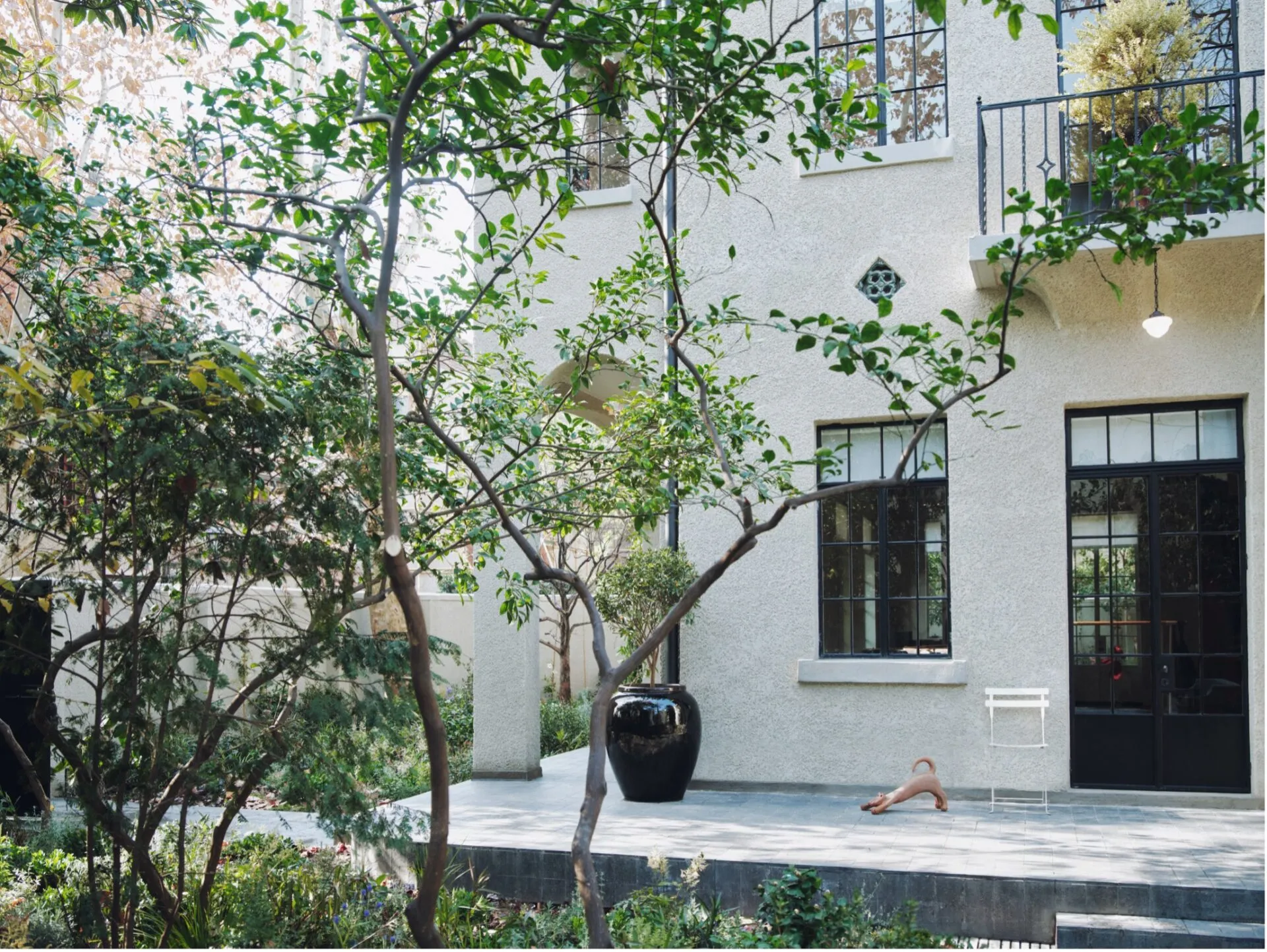
“Luxury is not always what you see. Sometimes, it is what you hear, feel, and discover.”
Take Away
Lemaire’s Shanghai flagship uses sound to give each of its three floors a distinct mood. Piano and everyday sounds fill the ground floor; voices and radio fill the second floor; the attic draws on Shanghai broadcasts and Chinese instruments.
The idea is simple: experience the place before you shop.
The Sign
What Is It?
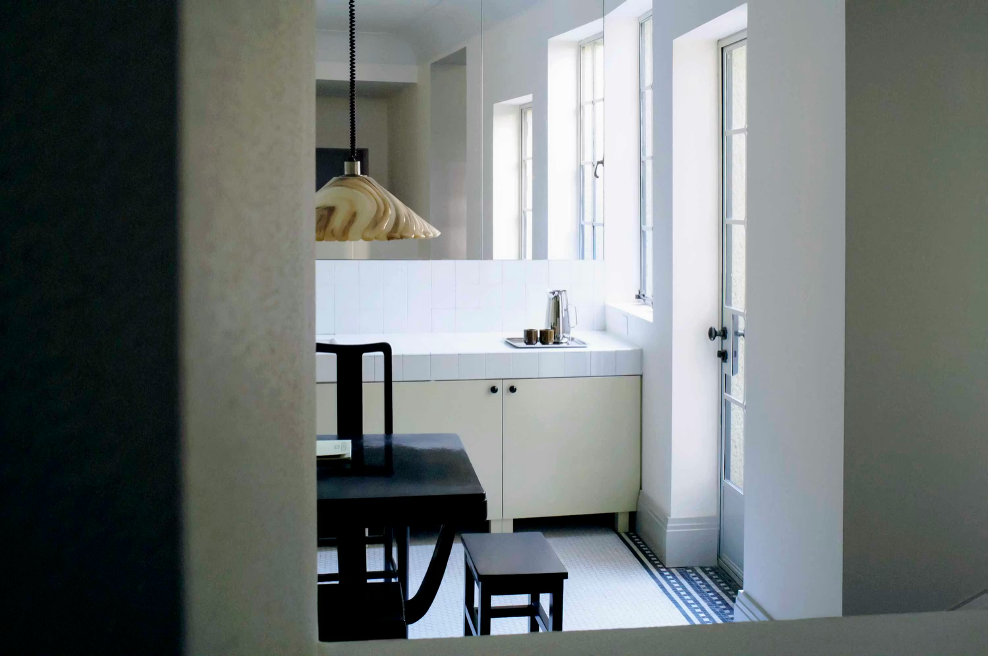
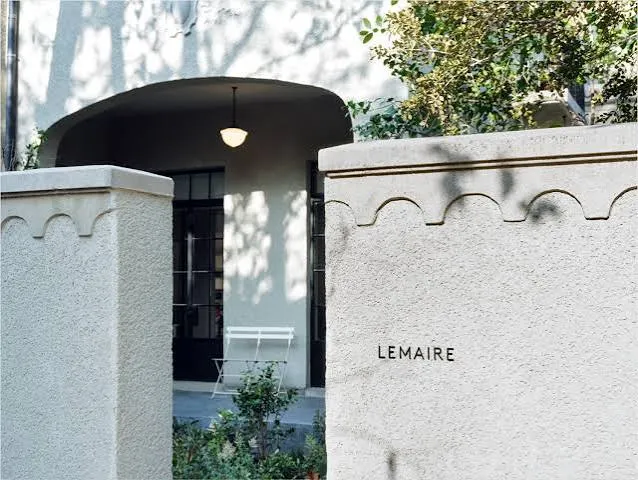
Opened on Wukang Road in January 2026, the flagship occupies a 1930s house designed by Chinese architect Dong Dayou. Lemaire kept the feel of a home, combining clothing with vintage furniture, ceramics for everyday use, and a garden.
Lemaire’s Wukang – Three Storeys project gives each floor its own sounds and atmosphere, from piano music and everyday household sounds to voices, radio, and traditional Chinese instruments.
Why Is It Cool?
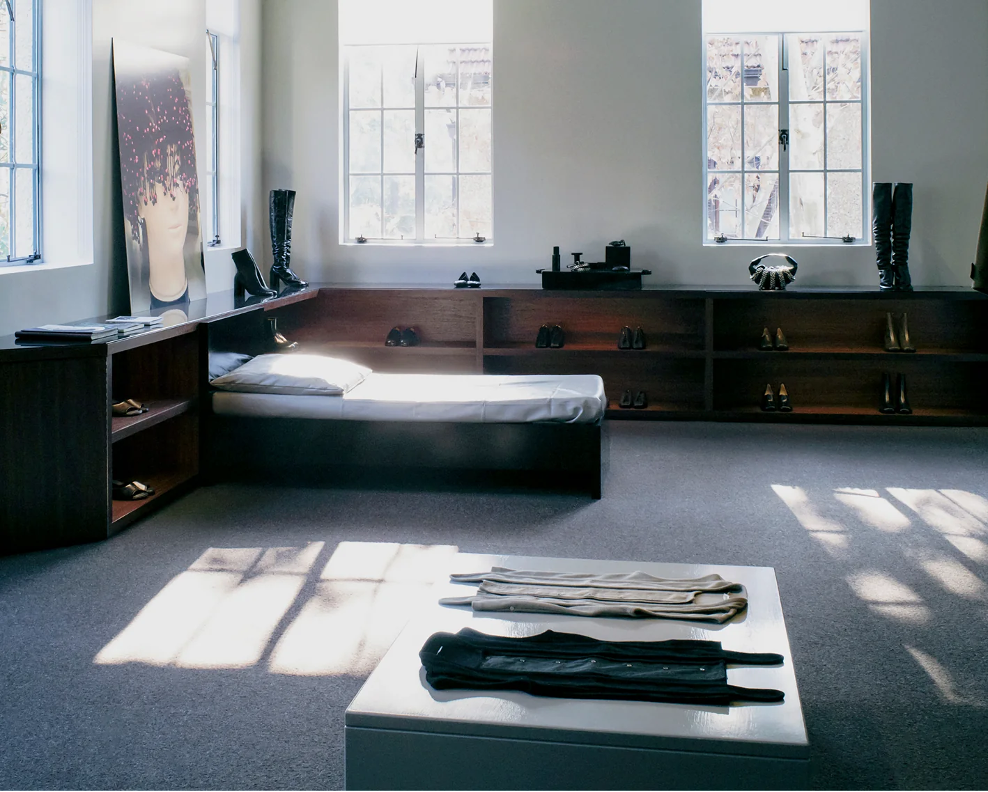
Instead of moving through standard retail departments, visitors experience a house with a different atmosphere on every floor. The sound shifts from domestic calm to voices and memories of the city, encouraging people to slow down and notice their surroundings.
This creates a quieter kind of luxury.
The store does not rely on a large logo or a dramatic display. It rewards curiosity and attention, although the subtle approach may not suit shoppers who want a quick, direct visit.
Why Does It Have Future Growth Potential?
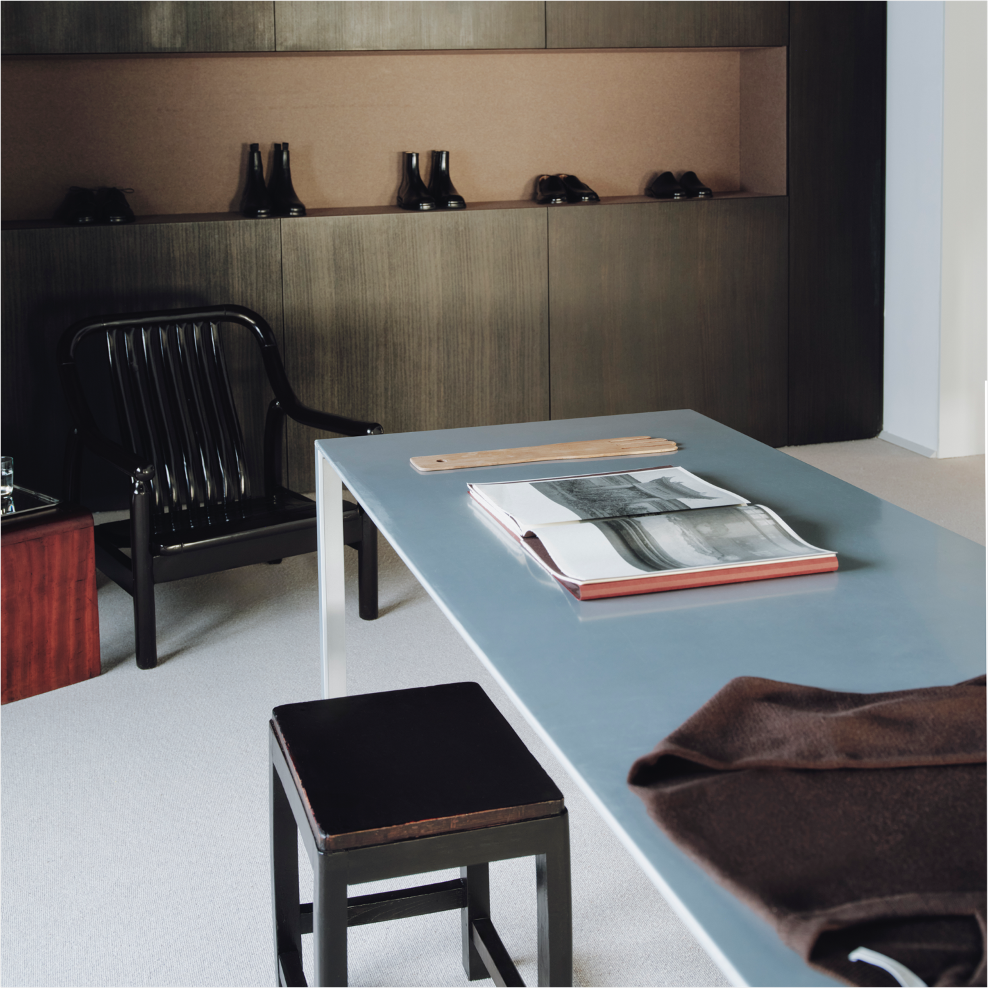
Luxury shopping increasingly begins online, but a physical store can offer something a product page cannot: a sense of place. Visitors might discover Lemaire on Xiaohongshu, experience the house in person, and later remember the brand through that visit. This is a possible customer journey, not a measured result.
The approach depends on thoughtful staff, careful upkeep and products that make the visit worthwhile. A playlist alone cannot recreate it.
By combining architecture, sound, and everyday objects, Lemaire gives the store a clear identity and offers customers a reason to return.
Trend Summary Insight
Lemaire turns shopping into a listening experience.
Its Shanghai house suggests that luxury can be about more than visible status: it can also be the feeling of discovering a place, taking your time and noticing the details.
11 comments
HOW COOL IS THIS “SEED”?
● ● ● ● ●
DOES IT HAVE FUTURE GROWTH POTENTIAL?
● ● ● ● ●
Most retail stores treat sound as an afterthought—blaring pop music through cheap ceiling speakers. Lemaire treated acoustics as a primary building material alongside wood and plaster. When reverberation time is dialed in, your nervous system decompresses the moment you cross the threshold.
The acoustic transition between floors sounds incredible. But in high humidity or rainy season in Shanghai, how do those acoustic wall hangings hold up without trapping dampness?
Good catch Astrid! They used breathable mineral-backed lime plaster and acoustic felt treated with natural cedar oils, so it naturally regulates humidity while absorbing the flutter echo.
Ah brilliant! That’s smart material engineering.
And being there in person during a Shanghai downpour is unforgettable. The sound of rain on the courtyard glass becomes part of the room’s acoustic envelope.
HOW COOL IS THIS “SEED”?
● ● ● ● ●
DOES IT HAVE FUTURE GROWTH POTENTIAL?
● ● ● ● ○
The concept of ‘Ma’ (negative space) in Japanese aesthetics applies equally to acoustics. Silence between sounds is what gives music and space their elegance. When a store is quiet, you actually pay attention to the tactile texture of silk and cashmere.
HOW COOL IS THIS “SEED”?
● ● ● ● ○
DOES IT HAVE FUTURE GROWTH POTENTIAL?
● ● ● ● ○
In luxury retail in the Gulf, everything is visual bombardment—LED walls, marble reflections, gold trims. It creates sensory exhaustion. Lemaire’s auditory sanctuary is the antidote. True luxury whispers.
HOW COOL IS THIS “SEED”?
● ● ● ● ●
DOES IT HAVE FUTURE GROWTH POTENTIAL?
● ● ● ● ○
Sound as brand architecture. When customers stay 45 minutes instead of 12 minutes simply because the acoustic environment feels restorative, conversion rates skyrocket.
100% Carl. You don’t feel rushed or monitored. You feel sheltered.
HOW COOL IS THIS “SEED”?
● ● ● ● ○
DOES IT HAVE FUTURE GROWTH POTENTIAL?
● ● ● ● ○
The sound system integration is so discrete. No visible black speaker boxes—sound seems to emanate from the architecture itself.
HOW COOL IS THIS “SEED”?
● ● ● ● ○
DOES IT HAVE FUTURE GROWTH POTENTIAL?
● ● ● ● ○
Hotel lobbies around the world should study this. Most hotel lounges have terrible acoustics where you can hear someone chewing across the room. Acoustic zoning is the next major battleground in hospitality design.
Rate & Discuss this Signal
Calibrate the Future Signals Index with your rating below, and share your perspective in the community dialogue.
Evaluate this Creative Signal
Help calibrate the Future Signals Index. Rate this Seed on both key criteria below (scale: 2 to 10).