



“The next generation of hospitality may not borrow culture. It may grow out of culture.”
Take Away
Luxury hospitality has spent decades importing culture: famous DJs, artists, designers, and celebrity chefs. But something more interesting may be happening now.
The next generation of hospitality may not borrow culture. It may grow out of culture.
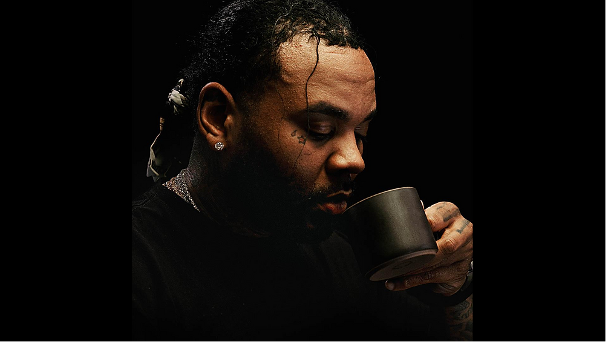
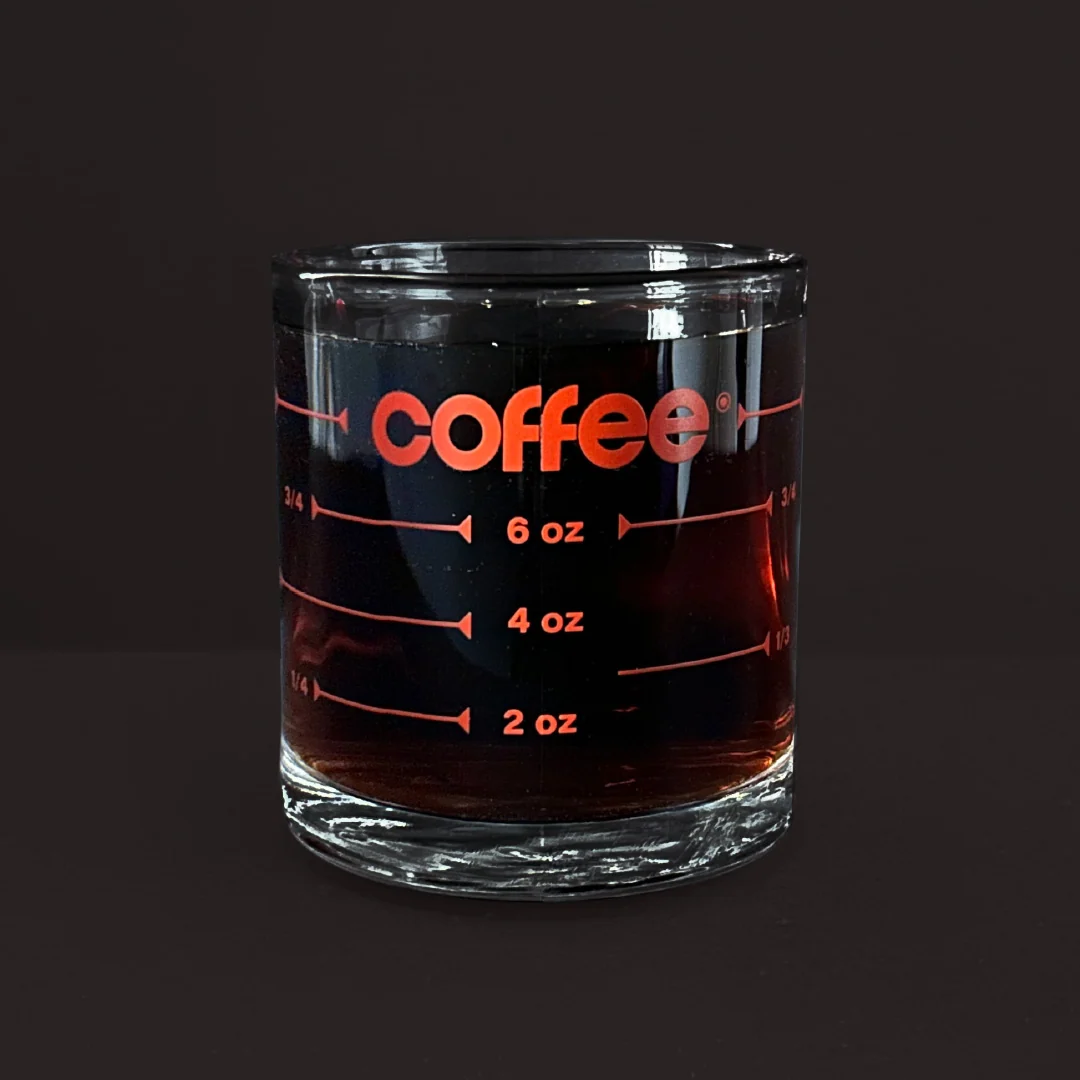
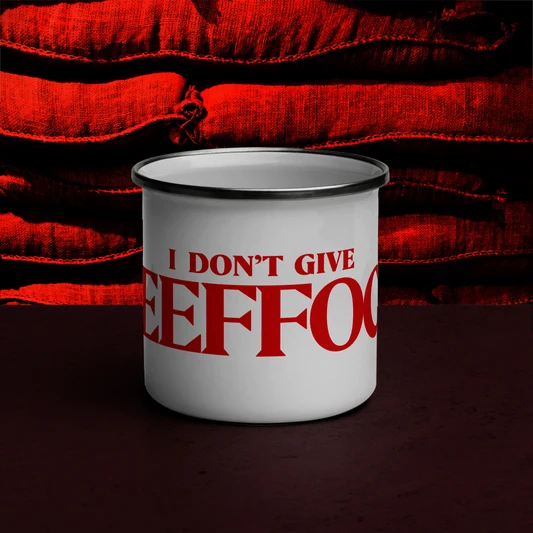
The clue is found in unexpected places: underground music scenes, independent creators, coffee labels, street communities, and other cultural tribes that develop their own rituals before the hospitality industry notices them.
The Sign
What Is It?
The traditional hotel or restaurant provides an experience designed for guests.
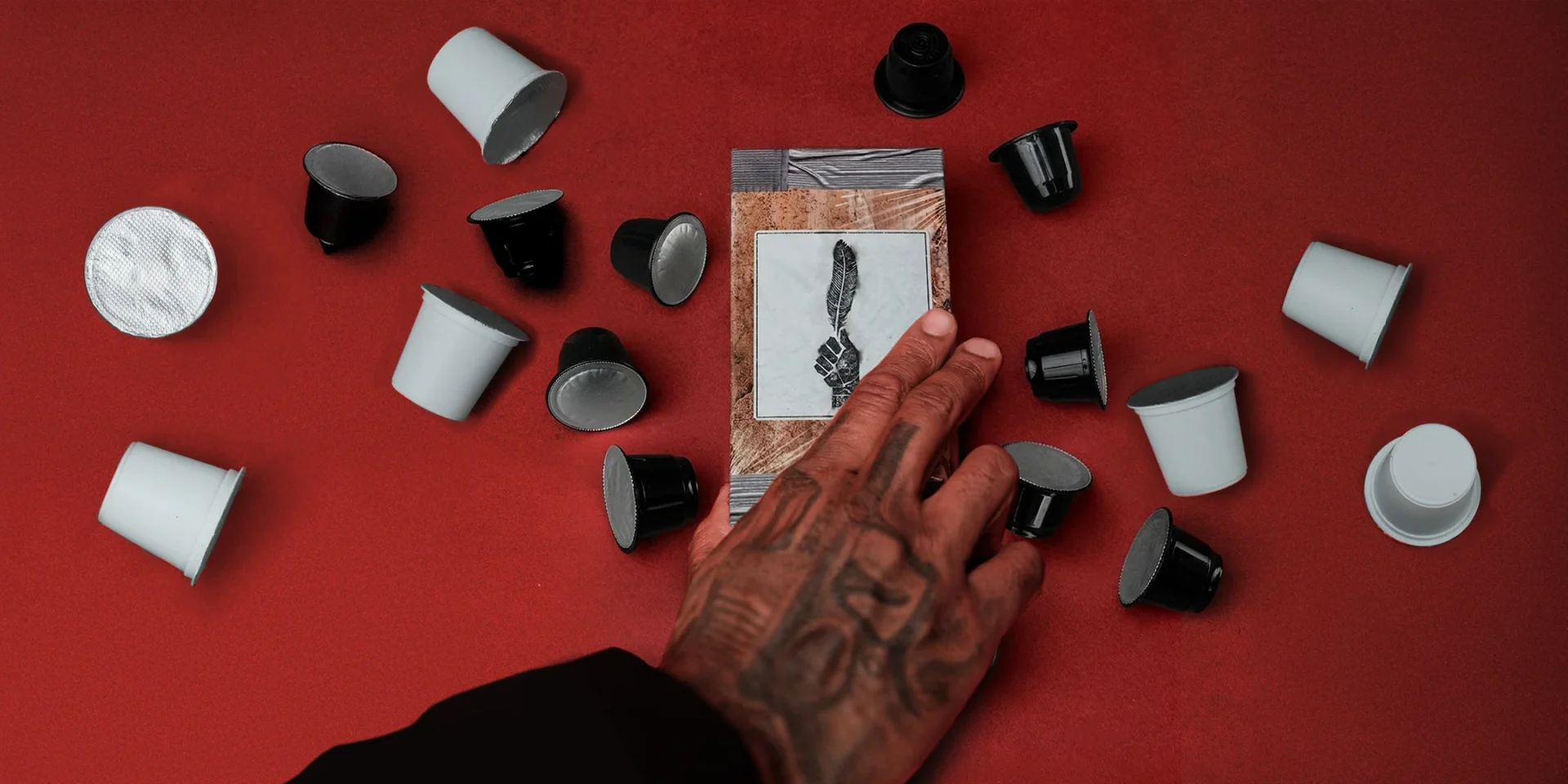
The emerging model starts somewhere else: a community, scene, creator, or cultural movement already exists — and hospitality gives it a way to meet, eat, drink, dance, create, and belong, whether in a physical place or in a box on the doorstep.
The direction of travel is reversed.
Instead of:
Hotel → hires culture
it becomes:
Culture → creates hospitality.
Why Is It Cool?
Because it changes who gets to decide what is desirable.
For years, hospitality has often looked upwards: luxury brands, Michelin chefs, famous architects, celebrity partnerships.
But tomorrow’s cool may travel upwards from somewhere completely different.
A small music scene.
An underground dance collective.
A cult coffee community.
A streetwear tribe.
A group of young creators.
These communities already possess something hospitality companies spend enormous amounts of money trying to manufacture:
cultural credibility.
Why Does It Future Growth Potential?
Younger consumers increasingly encounter brands through cultural worlds rather than traditional categories.
Music can become coffee.
Coffee can become community.
Community can become a ritual.
A ritual can become a hospitality concept.
The boundaries between hotel, club, restaurant, retail, entertainment, and cultural platform consequently become much less clear.
And this is particularly interesting for luxury.
Because when almost everybody can buy premium materials, beautiful design, and expensive services, cultural proximity may become a more difficult and valuable form of exclusivity.
The truly desirable hospitality experience may increasingly be the one that gives you access to a cultural world you cannot simply buy your way into.
Key Learning/ Trend Insight
A changing mentality is emerging:
Don’t make the experience culturally relevant. Start with a culture that already matters.
This is a fundamentally different way of thinking about hospitality.
The old model asks:
How can we make our hotel, restaurant, or club feel cooler?
The emerging model asks:
Which cultural community is already creating the future — and what happens if we meet it where it already lives, including at home?

Author: Josh Levine, The Cool ‘before Culture Goes Mainstream’ Hunter
Editor: Kotryna Paškevičė

The Art of Gathering: How We Meet and Why It Matters
Provides practical insight into why collective experiences and third places are becoming the new bedrock of brand loyalty.

Marshall Emberton II Portable Wireless Speaker
Klassiek Marshall-design ontworpen voor culturele ontmoetingsplekken en informele hospitality lounges.

The Experience Economy: Competing for Customer Time, Attention, and Money
This briefing demonstrates how commodity items and dining spaces transform into immersive theaters of experience.

Fellow Stagg EKG Electric Gooseneck Kettle
Verbindt met de third-wave gastronomie en belevingsrituelen waarbij bereiding verandert in een esthetische theaterervaring.

Gastrophysics: The New Science of Eating
Deconstructs the neurogastronomy and multi-sensory experiments explored in this culinary foresight signal.

AeroPress Original Coffee & Espresso Maker
De cultfavoriet onder koffiepioniers en soloreizigers die overal ter wereld compromisloze extractie eisen.

Ember Temperature Control Smart Mug 2
Slimme thermische precisietechnologie die dagelijkse drinkrituelen transformeert tot een geconditioneerde sensorische ervaring.

Chemex Classic Eight-Cup Glass Pour-Over Coffeemaker
Een permanent icoon in de collectie van het MoMA: combineert esthetische eenvoud met zuivere artisanale koffie-extractie.

Stanley Classic Trigger-Action Travel Mug (0.47L)
Onverslijtbare vacuümisolatie voor de hedendaagse mobiele reiziger en actieve buitenverkenner.

Lexon Mina Mini LED Portable Ambient Lamp
Draagbare sfeerverlichting die elke hospitality- of leefruimte onmiddellijk omtovert tot een intieme, warme oase.
6 comments
HOW COOL IS THIS “SEED”?
● ● ● ● ●
HOW MUCH FUTURE GROWTH POTENTIAL DOES THIS “SEED” HAVE?
● ● ● ● ●
Luxury hospitality has spent thirty years trying to manufacture coolness by buying outside consulting and hiring star architects. ‘A Coffee Called Folks’ flips the dynamic: real underground subculture building its own hospitality home on its own terms.
In Berlin, whenever an international hotel group tries to open an ‘edgy skate café’, it feels hollow instantly. Folks works because the founders, the baristas, and the regulars share authentic cultural equity before a single cup of coffee is poured.
Community as the primary amenity. That is the lesson here. When your regulars are creative leaders who treat the space as their living room, hotel guests feel privileged to occupy a corner booth.
Culture cannot be imported into a lobby; it must be cultivated. The modern traveler has a razor-sharp radar for corporate posturing. You can smell authenticity from across the street.
HOW COOL IS THIS “SEED”?
● ● ● ● ●
HOW MUCH FUTURE GROWTH POTENTIAL DOES THIS “SEED” HAVE?
● ● ● ● ○
What happens when Folks scales? That’s always the tightrope for underground hospitality. How do you maintain the rebellious spirit when second and third locations open?
You keep the governance decentralized Astrid. Empower local crews to adapt the rhythm rather than enforcing standardized corporate operational manuals.
Rate & Discuss this Signal
Calibrate the Future Signals Index with your rating below, and share your perspective in the community dialogue.
Evaluate this Creative Signal
Help calibrate the Future Signals Index. Rate this Seed on both key criteria below (scale: 2 to 10).